


Winter Camping · #7
Denali National Park winter routes
Alaska, USA
Reader rating
Rate it and you move it. Community ratings re-rank this product inside its Top 10 list.
Expert-picked, reader-ranked. Our editors choose the products and the launch order; member star ratings move picks up or down over time.
The serious tier — ski touring under aurora, temperatures well below zero, real logistics.
Pros
- Unparalleled solitude and pristine wilderness
- Spectacular aurora borealis viewing opportunities
- Unique challenge testing advanced winter skills
- Stunning, stark beauty of snow-covered Alaska Range
- Chance for intimate wildlife encounters without crowds
Cons
- Extreme cold, often -20°F to -40°F
- Very short daylight hours in mid-winter
- Requires extensive planning and specialized gear
- Limited road access beyond park entrance
- Potential for rapid, severe weather changes
Best uses
- Expert winter ski touring
- Extreme cold weather camping
- Solitude-seeking expeditions
- Aurora photography trips
Specifications
- Location
- Interior Alaska, USA
- Primary Activity
- Ski touring, snowshoeing, fat biking, winter camping
- Season
- Late September to early April (deep winter)
- Average Temp
- -10°F to -40°F (-23°C to -40°C)
- Road Access
- Limited (first 15 miles open)
- Permits
- Required for overnight backcountry
Best for
Expert winter ski touring, Extreme cold weather camping, Solitude-seeking expeditions, Aurora photography trips
Denali National Park in winter is not for the faint of heart, or the ill-prepared. This isn't your average car camping trip; it's a deep dive into serious Alaskan wilderness, where temperatures consistently drop far below zero and the sun makes only a brief appearance. The park roads are mostly closed to vehicles, transforming the landscape into an expansive, silent backcountry accessible primarily by ski touring, snowshoeing, or fat biking. This isolation is its greatest draw. You're trading crowds and easy access for unparalleled solitude, massive landscapes, and a genuine test of your winter skills. Expect frozen rivers, vast snowfields, and the constant awareness of a truly wild environment. It demands respect, thorough planning, and a deep understanding of cold-weather survival. While the main park road beyond Savage River is closed to cars, the first 15 miles to Savage River remain open, allowing for day-use access to some trails. Beyond that, it's human-powered travel only. This is where the magic, and the challenge, truly begin. The winter offers clear, crisp air, often stunning displays of the aurora borealis, and a chance to experience one of North America's most iconic landscapes in its most raw, unforgiving, and beautiful state. Winter camping here means embracing the cold, managing your gear meticulously, and moving efficiently. It's an experience that carves itself into your memory.
Geography and Terrain
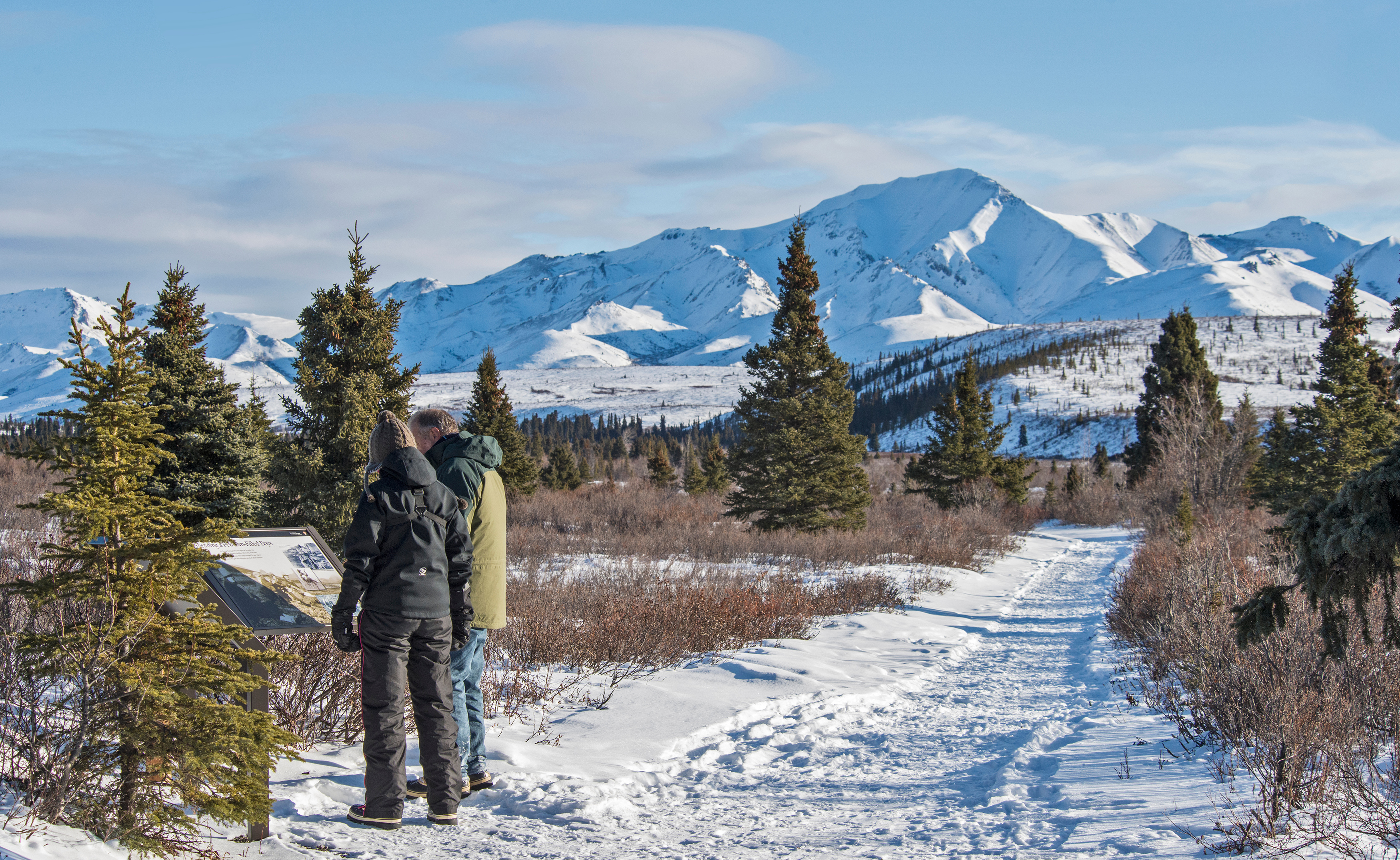
Denali's winter terrain is dominated by the Alaska Range, with broad valleys and frozen rivers cutting through rolling hills and glaciated peaks. Snow cover is extensive and deep, often several feet, making off-trail travel arduous without skis or snowshoes. Elevation varies significantly, but many popular winter routes stick to the relatively lower river valleys or open taiga. While Denali itself looms, most winter routes focus on the less extreme but still formidable landscapes closer to the park road. Expect variable snow conditions, from soft powder to wind-scoured ice, and be prepared for whiteouts when storms roll in. The landscape is immense, providing a profound sense of scale and isolation.
Best Season and Weather
The prime window for serious winter camping is typically November through March. Early winter (Oct-Nov) can offer shorter days but often more stable snowpacks before the deepest cold sets in. Deep winter (Dec-Feb) brings the coldest temperatures, minimal daylight, and the best chances for aurora viewing. March offers longer daylight hours and slightly warmer temperatures, but still significant snow. Ideal weather means clear skies, minimal wind, and stable temperatures (though still very cold). Expect severe cold, with temperatures consistently below 0°F and often -20°F to -40°F. Wind chill can make these conditions life-threatening. Be prepared for rapid weather changes and prolonged periods of extreme cold.
Wildlife Encounters
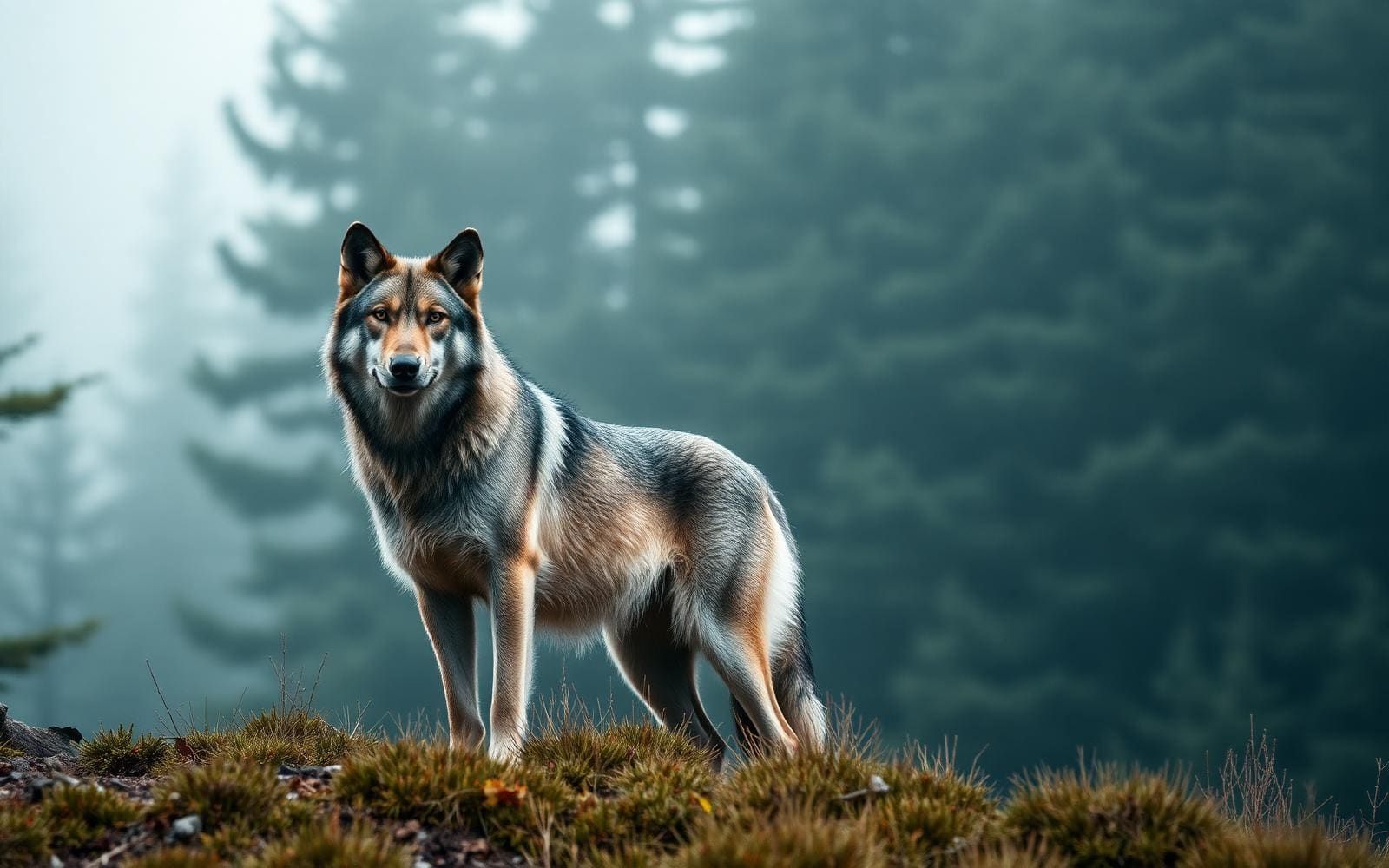
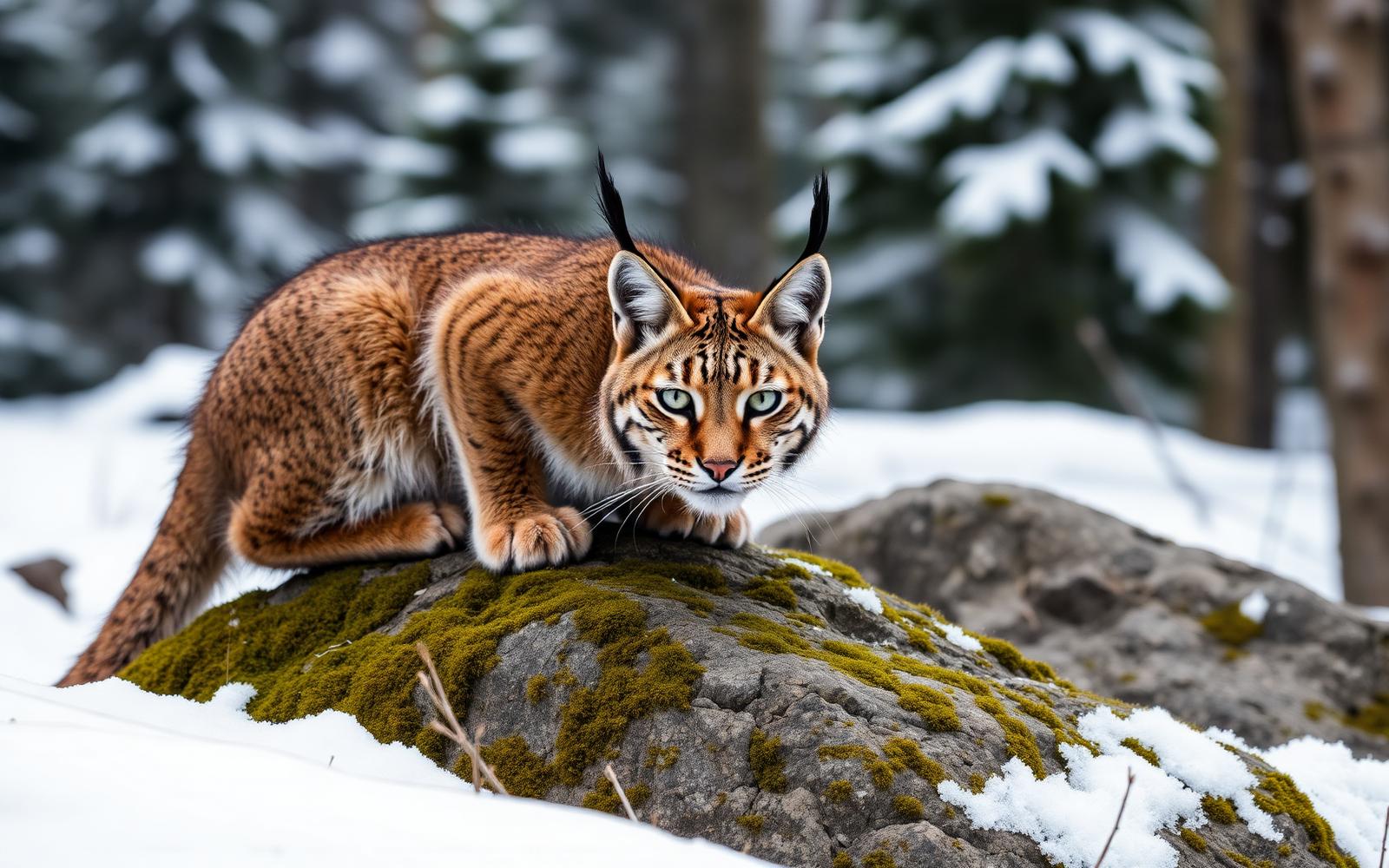
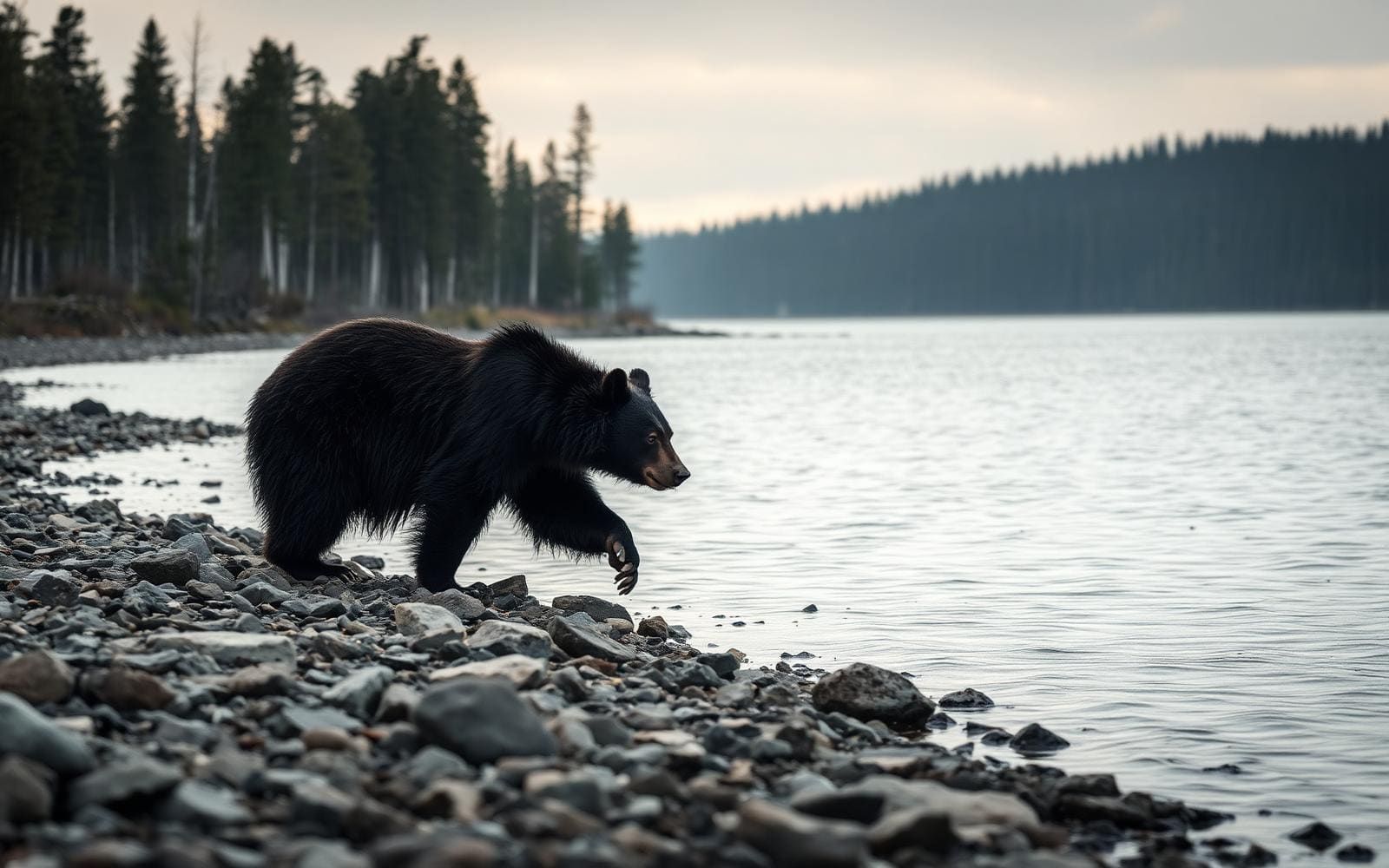
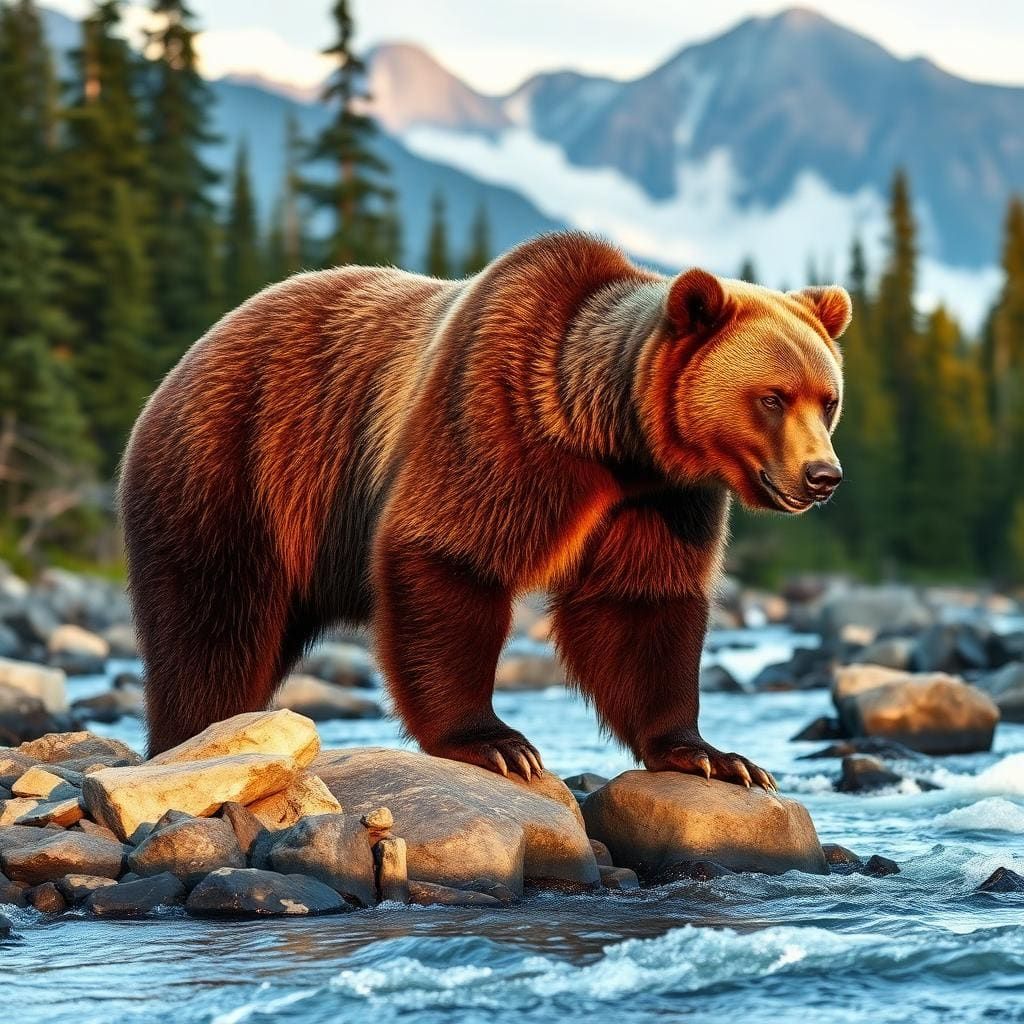
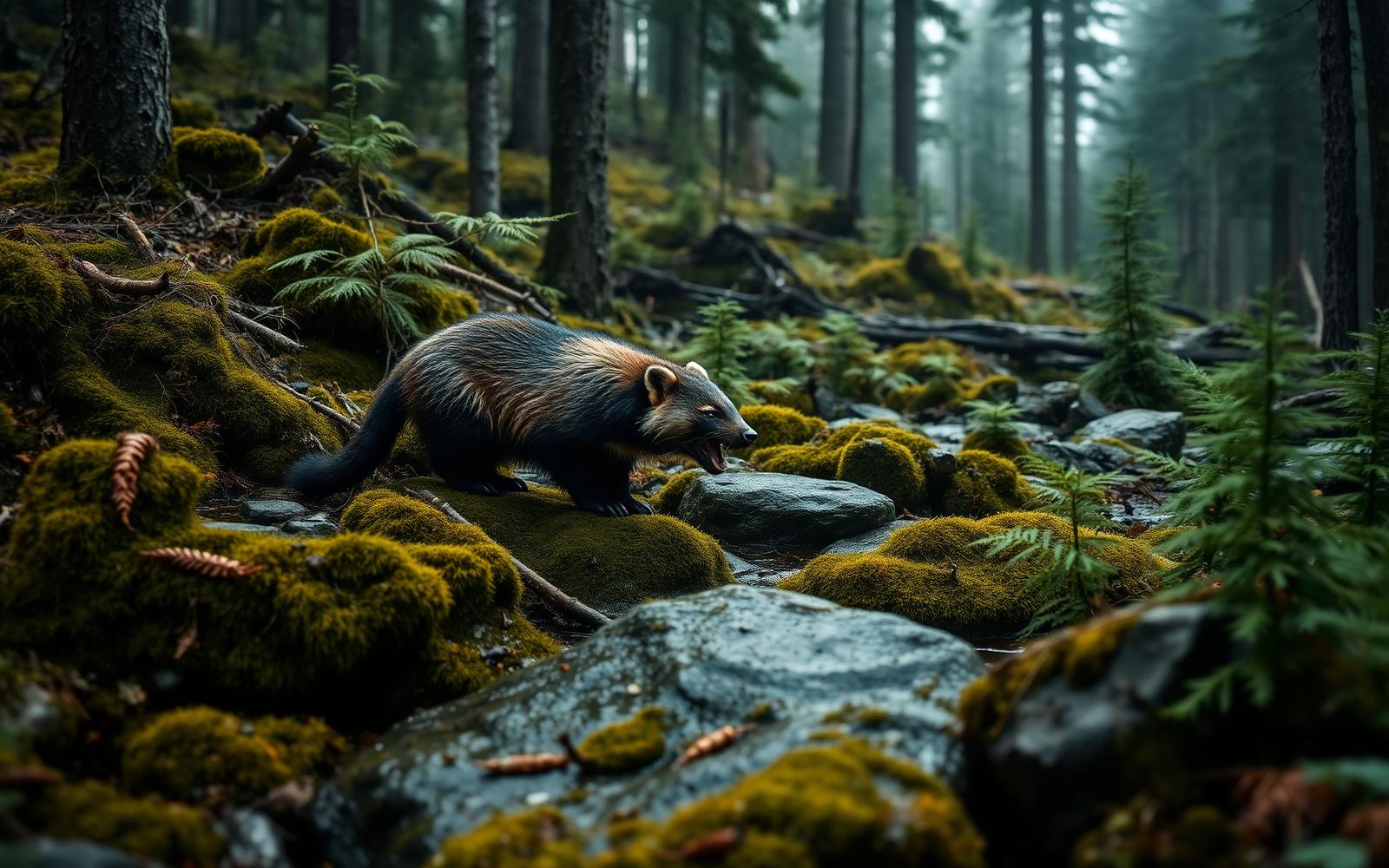
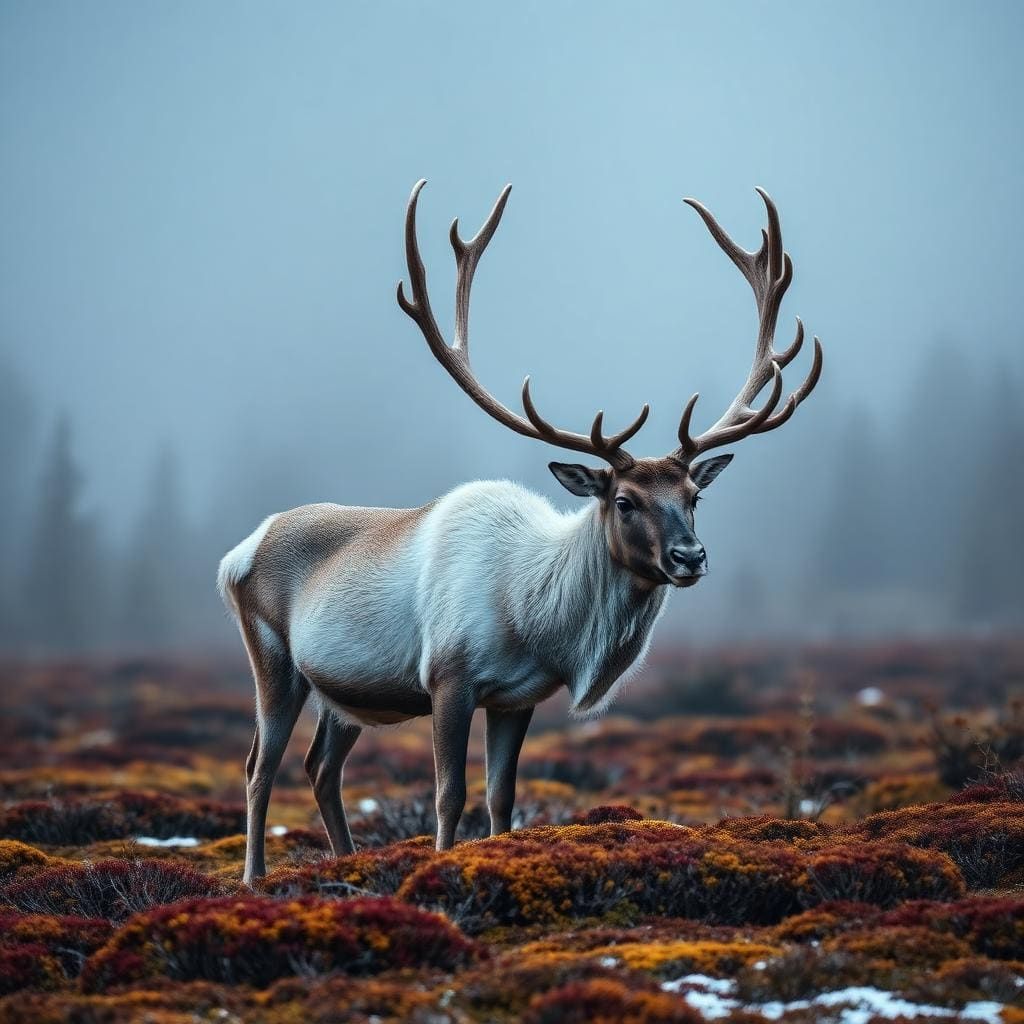
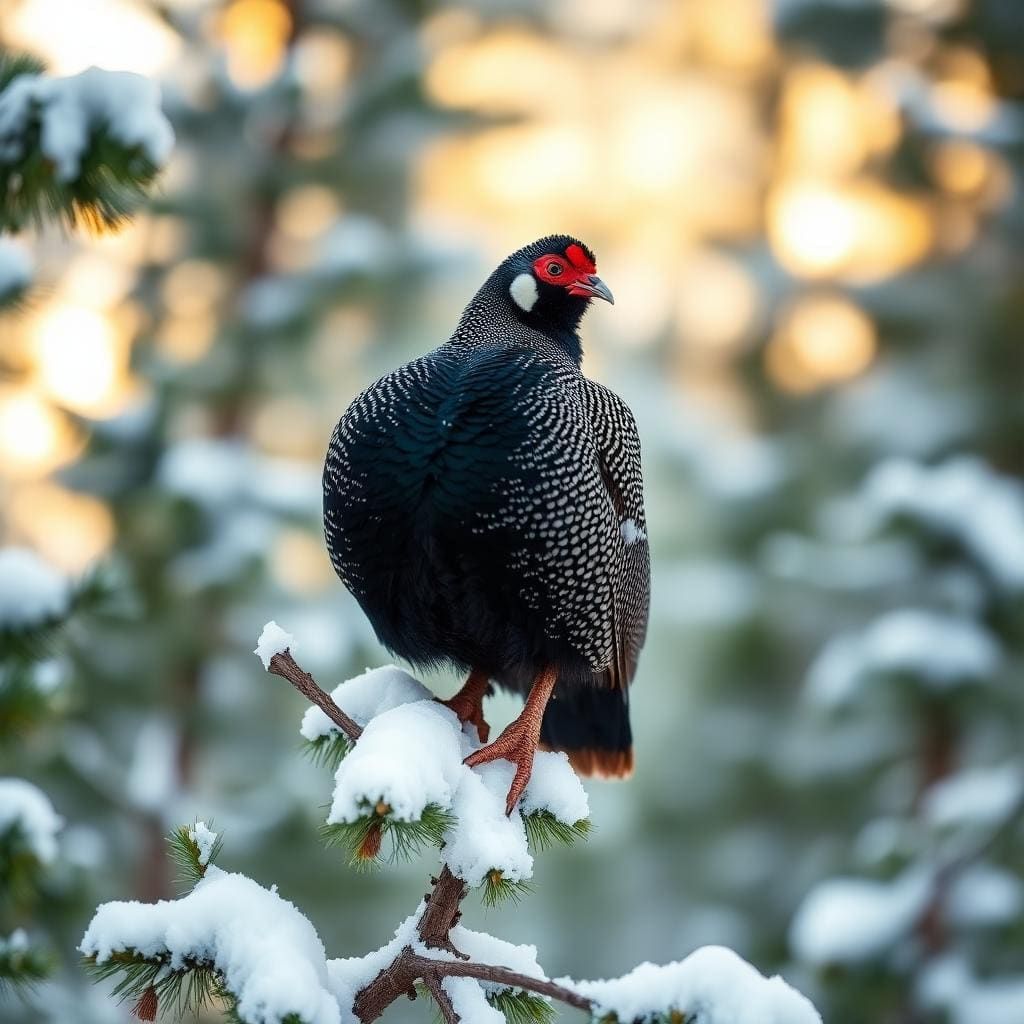
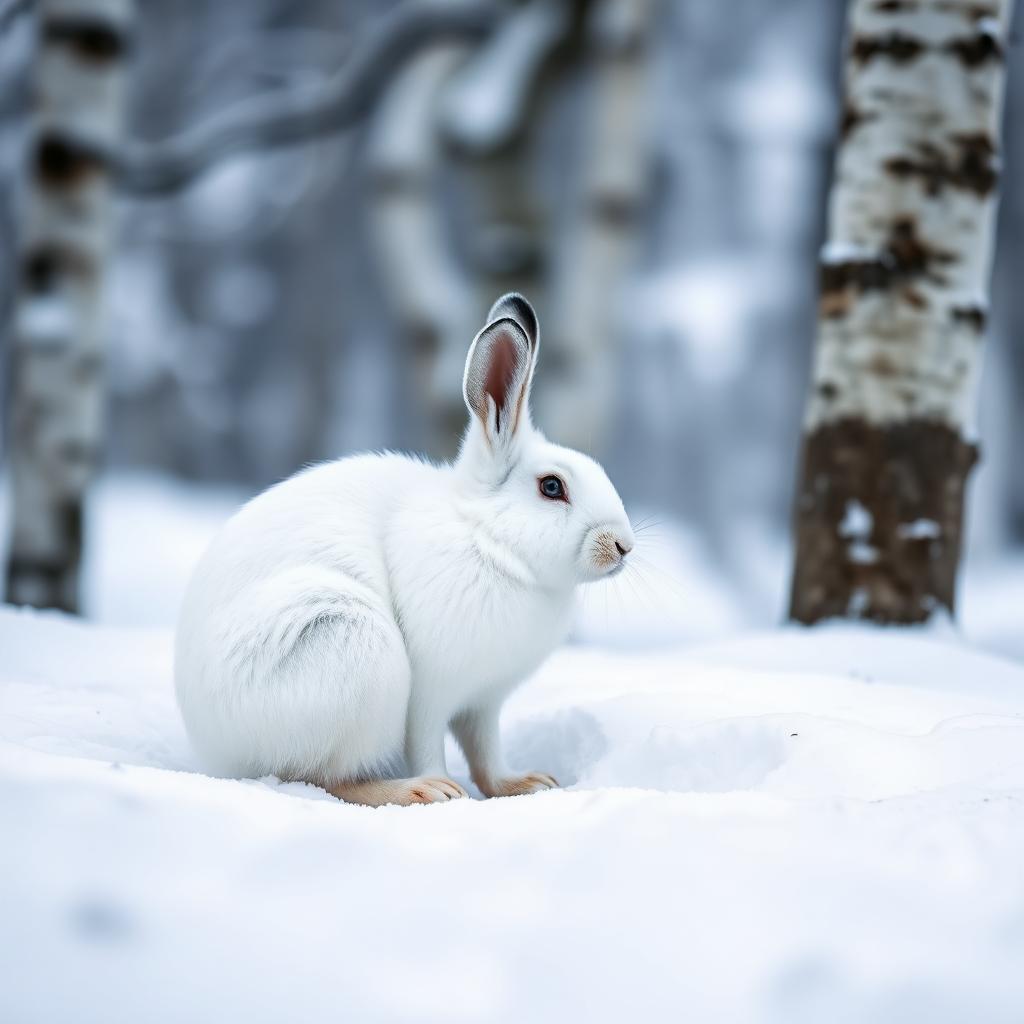
While not as visible as in summer, Denali's wildlife is present and active in winter. You might encounter caribou, moose, Dall sheep on high ridges, and possibly wolves. Bear sightings are rare as they are typically hibernating. Tracks in the snow are a constant reminder of the park's inhabitants. Maintaining safe distances from all wildlife is paramount, especially wolves, which may be more active and stressed during winter. It's a privilege to share this space with them, and respectful observation is key. Be aware of your surroundings, especially when traveling through dense areas where moose might be browsing.
Key Routes and Attractions
The main attraction is the park road itself, transformed into a multi-use winter trail. Popular routes include ski touring along the Denali Park Road from Savage River to Teklanika River (mile 30), or even further to Igloo Creek (mile 34) for multi-day trips. Off-road, the frozen Nenana River offers a flat, albeit exposed, travel corridor. The area around Savage River and Riley Creek campground (open for winter camping near the park entrance) provides easier access for shorter trips. The beauty of Denali in winter is less about specific landmarks and more about the expansive views, the silence, and the journey itself under the shadow of the Alaska Range.
Permits and Access
Overnight backcountry permits are mandatory for all winter camping and are issued at the Denali Visitor Center or online. These are crucial for safety, as park rangers track your planned itinerary. Access is primarily via the park entrance near Healy, Alaska. The first 15 miles of the Denali Park Road are plowed and open to vehicle traffic, allowing access to the Murie Science and Learning Center and the park headquarters. Beyond Savage River, the road is groomed for non-motorized use only. Public transportation is not available in winter, so personal vehicle access to the park entrance is necessary. Check park conditions before arrival.
How we chose
We built this ranking from trip reports, agency data, permit records, and our editors' own time on the ground. 10 places made the final cut out of a much longer working list, and each one had to clear the same set of criteria before it earned a spot.
- Quality of the terrain
- Landscape, route variety, and whether the place rewards multiple days rather than one overlook.
- Season and weather windows
- How long the reliable window is, and how badly the shoulder seasons punish a bad forecast.
- Access and permits
- Trailhead logistics, permit odds, quotas, and how much lead time a trip realistically takes.
- Solitude vs. crowding
- How far you have to walk before the place feels like wilderness instead of a queue.
- Wildlife and ecology
- What you can reasonably expect to see, and what you have to plan around.
- Risk and skill required
- Navigation, water crossings, exposure, and rescue distance — stated plainly.
Denali National Park winter routes — frequently asked questions
- Is Denali National Park winter routes worth the trip?
- We rank it #7 in Winter Camping. The serious tier — ski touring under aurora, temperatures well below zero, real logistics.
- Who is Denali National Park winter routes best for?
- Best for expert winter ski touring, extreme cold weather camping, solitude-seeking expeditions and aurora photography trips. Standouts: unparalleled solitude and pristine wilderness and spectacular aurora borealis viewing opportunities.
- What are the drawbacks of Denali National Park winter routes?
- Extreme cold, often -20°F to -40°F, Very short daylight hours in mid-winter and Requires extensive planning and specialized gear.
- What are the key details for Denali National Park winter routes?
- Location: Interior Alaska, USA · Primary Activity: Ski touring, snowshoeing, fat biking, winter camping · Season: Late September to early April (deep winter) · Average Temp: -10°F to -40°F (-23°C to -40°C) · Road Access: Limited (first 15 miles open)
- Geography and Terrain — what should I know about the Denali National Park winter routes?
- Denali's winter terrain is dominated by the Alaska Range, with broad valleys and frozen rivers cutting through rolling hills and glaciated peaks. Snow cover is extensive and deep, often several feet, making off-trail travel arduous without skis or snowshoes.
- Best Season and Weather — what should I know about the Denali National Park winter routes?
- The prime window for serious winter camping is typically November through March. Early winter (Oct-Nov) can offer shorter days but often more stable snowpacks before the deepest cold sets in.
Where on earth
Satellite imagery flying in from a world view to Denali National Park winter routes, Alaska, United States. Use the + / − buttons, or click the map to zoom with your scroll wheel; drag to pan and pinch to zoom on touch.
Denali National Park and Preserve, Alaska, USA · 63.283, -150.789
Wildlife found around Denali National Park winter routes
Compare side by side
Put the Denali National Park winter routes against any other pick on this list — specs, price, pros, cons and reader ratings.