


Winter Camping · #8
Rondane National Park
Norway

Reader rating
Rate it and you move it. Community ratings re-rank this product inside its Top 10 list.
Expert-picked, reader-ranked. Our editors choose the products and the launch order; member star ratings move picks up or down over time.
Norwegian winter trekking with DNT hut network. Ideal introduction to Scandinavian winter travel.
Pros
- Extensive DNT hut network reduces gear burden and offers shelter
- Generally good conditions for cross-country skiing and snowshoeing
- Accessible introduction to Scandinavian winter trekking
- Stunning, expansive snow-covered wilderness landscapes
- Opportunities for solitude and genuine immersion
Cons
- Weather can be extremely harsh and unpredictable, with high winds and whiteouts
- Navigation can be challenging on featureless terrain in poor visibility
- Limited resupply options once deep in the park
- Hut usage requires planning and often booking, limiting spontaneity
Best uses
- First winter expedition
- Hut-to-hut ski touring
- Winter photography
- Developing cold weather skills
Specifications
- Location
- Southeastern Norway
- Established
- 1962
- Dominant Terrain
- High mountain plateau, glacial valleys
- Key Feature
- DNT hut network
- Highest Peak
- Rondanuten (2,178 m)
Best for
First winter expedition, Hut-to-hut ski touring, Winter photography, Developing cold weather skills
Rondane National Park, Norway, offers an accessible and well-supported entry into Scandinavian winter camping. Established in 1962, it's one of Norway's oldest national parks, characterized by its barren, high-mountain plateau and a landscape shaped by ancient glaciers. The park features 10 peaks above 2,000 meters, though in winter, the focus shifts from summit bagging to traversing its extensive, rolling snowfields and frozen lakes. The defining feature for winter adventurers is the network of staffed and unstaffed huts operated by the Den Norske Turistforening (DNT), or Norwegian Trekking Association. This infrastructure dramatically reduces the gear burden and provides essential shelter and warmth, making it ideal for those new to winter expedition-style travel. The terrain, while demanding, is generally less extreme than areas further north, offering a manageable challenge. Its relative proximity to major Norwegian cities also makes logistics somewhat simpler than more remote arctic destinations. Expect a true winter experience, with deep snow, cold temperatures, and the stark beauty of a snow-covered wilderness.
Geography & Terrain
Rondane's landscape is quintessential high-mountain Scandinavia: vast, treeless plateaus, rounded peaks, and deep valleys carved by ice. In winter, this translates to extensive snowfields, frozen lakes, and often wind-scoured ridges. The elevation generally ranges from 1,000 to 2,000 meters. While there are prominent peaks, the primary draw for winter trekkers is the expansive, undulating terrain perfect for cross-country skiing or snowshoeing. Navigation can be challenging in whiteout conditions due to the featureless expanses, requiring solid map and compass skills or reliable GPS. Expect long, exposed stretches between huts, demanding careful planning for weather changes.
Best Season & Weather
The prime window for winter camping and trekking in Rondane is typically from late February through April. By this time, the snowpack is deep and stable, and daylight hours are significantly longer than in mid-winter. Temperatures during this period can range from a few degrees below freezing to -20°C (-4°F), with colder snaps not uncommon. Expect strong winds, especially on exposed plateaus, which can create significant wind chill. Weather in the mountains is notoriously unpredictable; clear, crisp days can quickly give way to heavy snowfall or whiteout conditions. Always be prepared for rapid changes and pack layers accordingly.
Wildlife Encounters
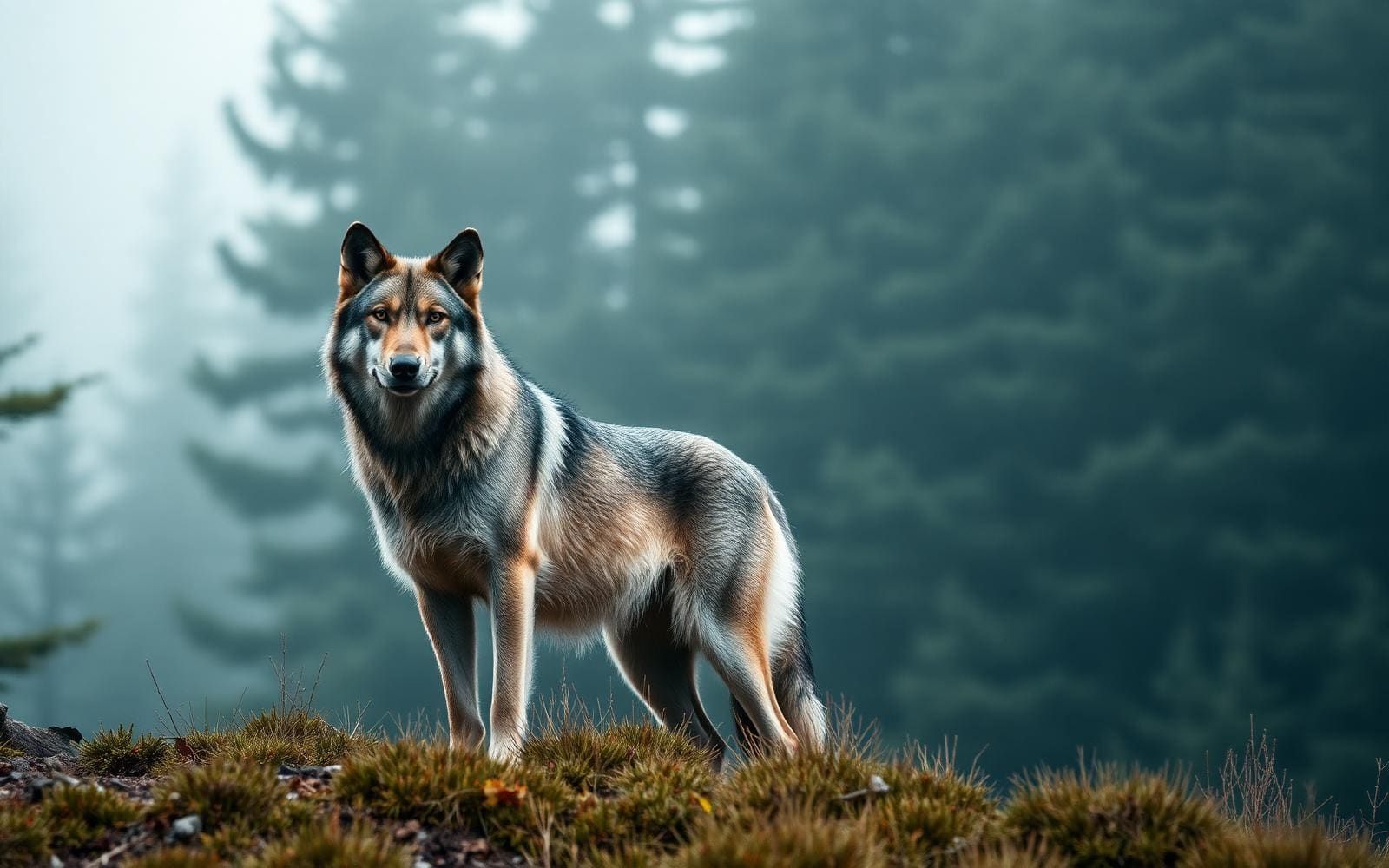
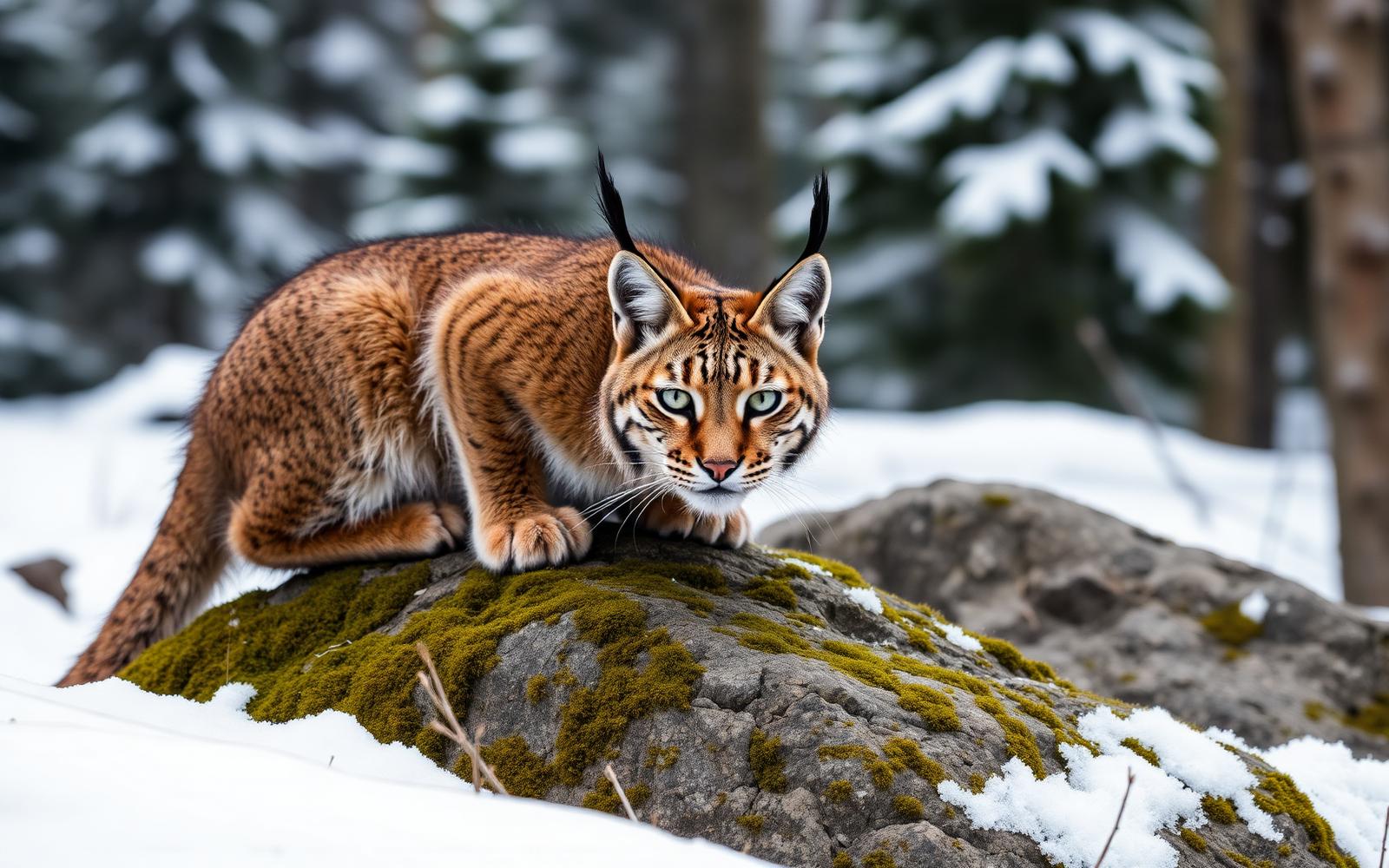
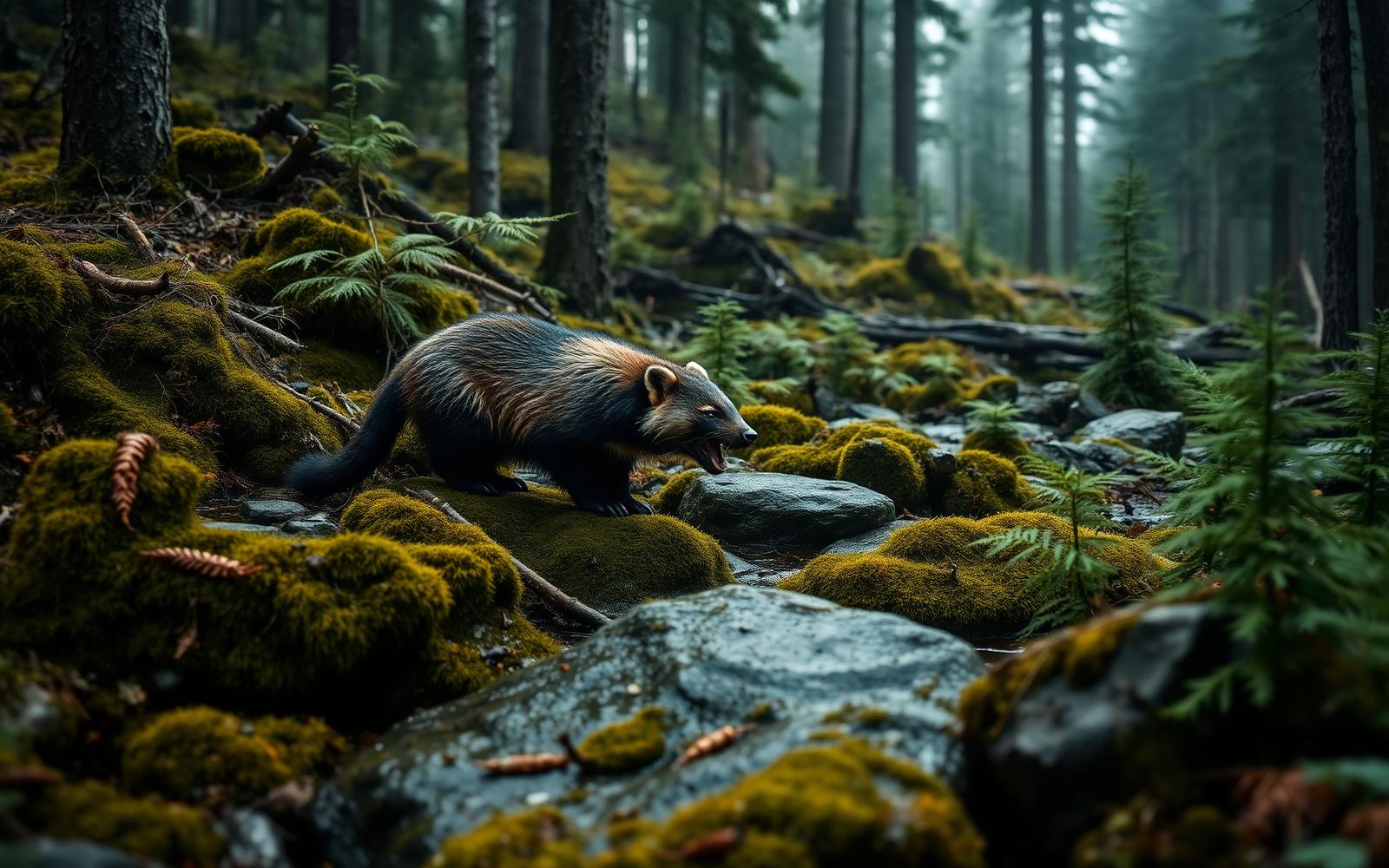
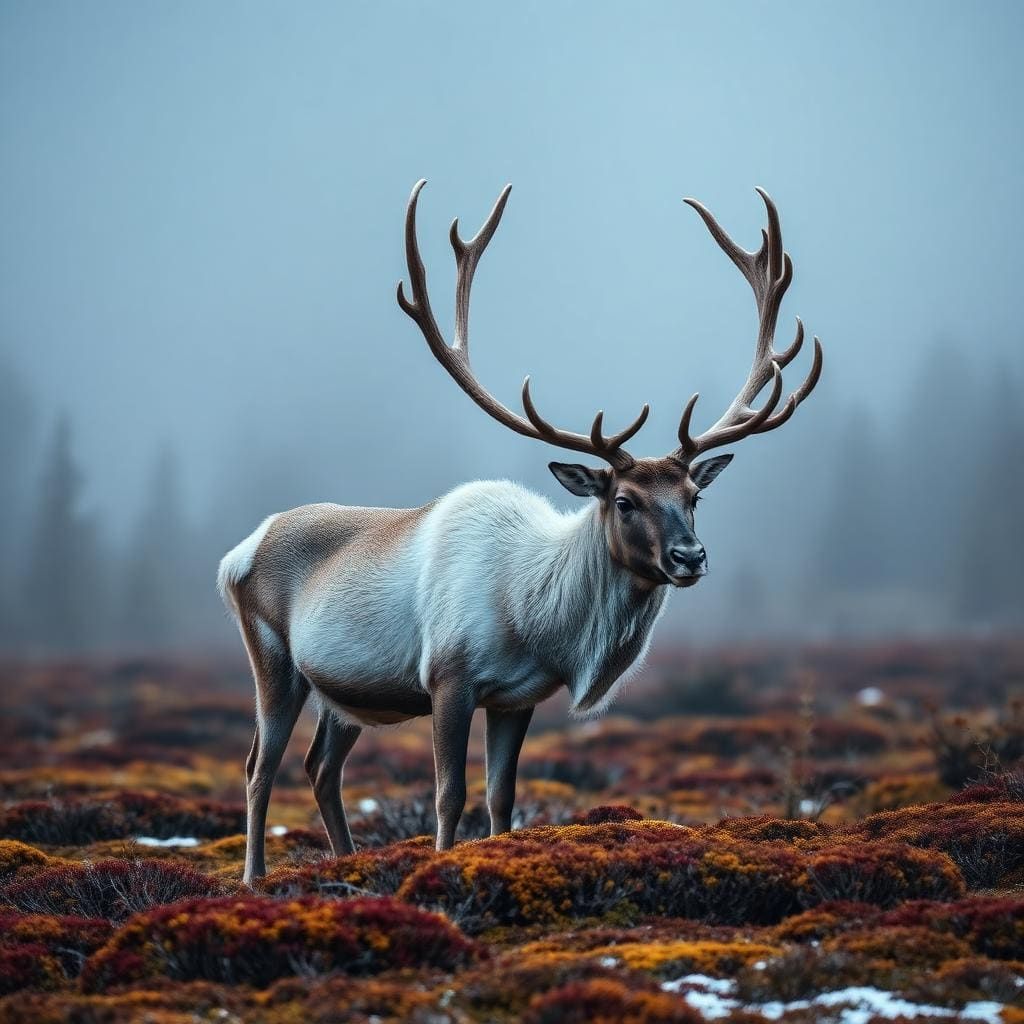
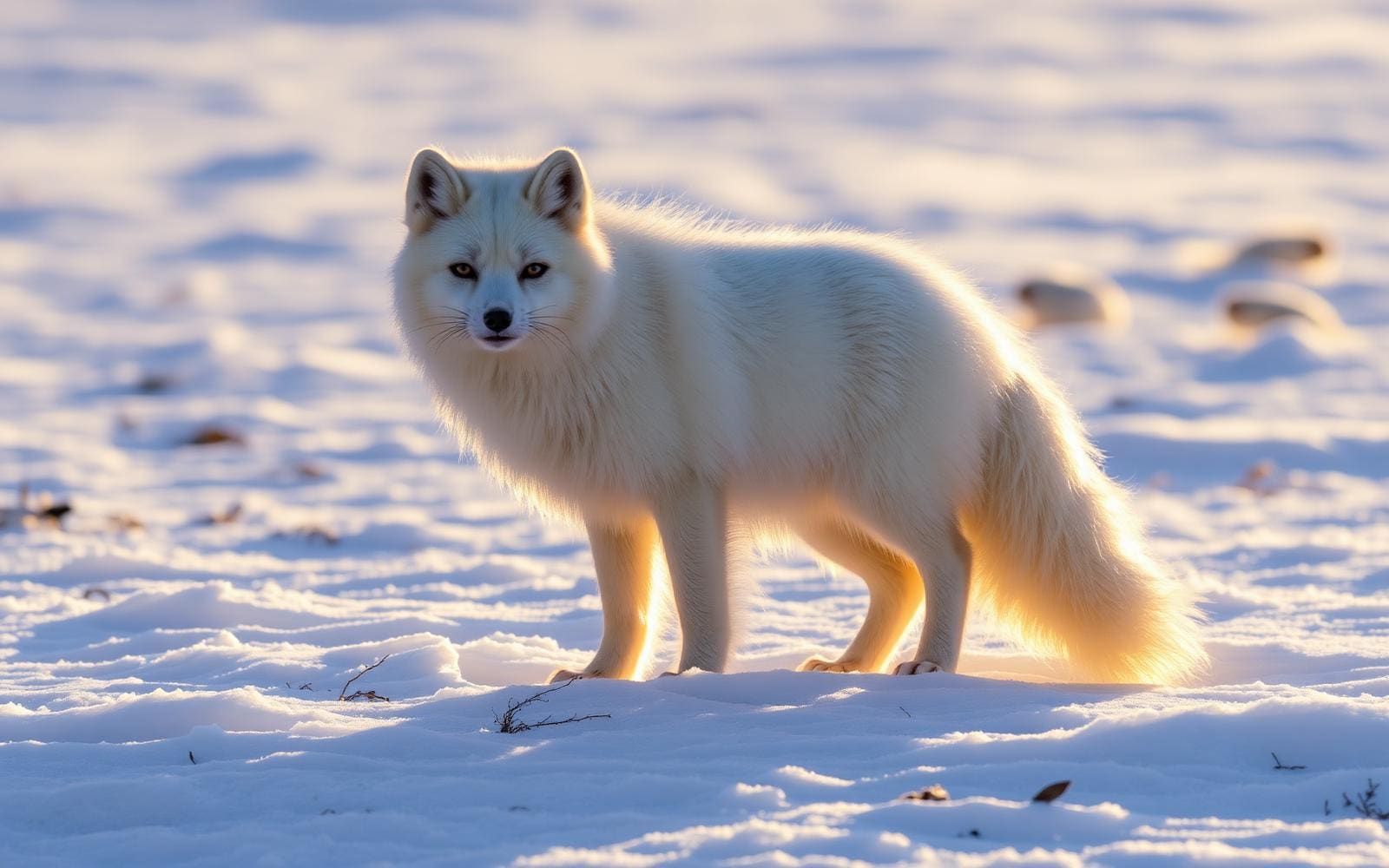
Rondane National Park is home to one of Norway's last remaining wild reindeer herds. While sightings are not guaranteed, especially in winter when they tend to move to more sheltered areas, their tracks are often visible. Other common winter wildlife includes arctic foxes, stoats, and various birds like ptarmigan. Given the park's protected status, it's crucial to minimize disturbance to all wildlife, especially the reindeer, which are highly sensitive to human presence during the leaner winter months. Binoculars are recommended for observation from a distance.
Routes & Attractions
The DNT network defines many of the key winter routes. Popular hut-to-hut treks connect cabins like Rondvassbu, Bjørnhollia, and Dørålseter. These routes are often marked with winter poles, though these can be obscured by snow or difficult to spot in poor visibility. Beyond the marked trails, the entire park offers opportunities for ski touring, though avalanche awareness is critical on steeper slopes and in certain gully systems. Frozen lakes provide excellent travel corridors. The sheer solitude of the snow-covered landscape is a major attraction, offering a profound sense of wilderness.
Permits & Access
No specific permits are required for entry or camping in Rondane National Park. However, if utilizing the DNT huts, membership is highly recommended for discounted rates and access to self-service cabins. Hut bookings, especially for staffed huts, are essential during peak season. Access to the park is typically via road to trailheads like Spranget (for Rondvassbu) or Mysusæter, though in winter, roads may be snowed in or require specific winter tires/chains. Public transport options, while available, are limited in winter, so private vehicles are often preferred for flexibility.
How we chose
We built this ranking from trip reports, agency data, permit records, and our editors' own time on the ground. 10 places made the final cut out of a much longer working list, and each one had to clear the same set of criteria before it earned a spot.
- Quality of the terrain
- Landscape, route variety, and whether the place rewards multiple days rather than one overlook.
- Season and weather windows
- How long the reliable window is, and how badly the shoulder seasons punish a bad forecast.
- Access and permits
- Trailhead logistics, permit odds, quotas, and how much lead time a trip realistically takes.
- Solitude vs. crowding
- How far you have to walk before the place feels like wilderness instead of a queue.
- Wildlife and ecology
- What you can reasonably expect to see, and what you have to plan around.
- Risk and skill required
- Navigation, water crossings, exposure, and rescue distance — stated plainly.
Rondane National Park — frequently asked questions
- Is Rondane National Park worth the trip?
- We rank it #8 in Winter Camping. Norwegian winter trekking with DNT hut network. Ideal introduction to Scandinavian winter travel.
- Who is Rondane National Park best for?
- Best for first winter expedition, hut-to-hut ski touring, winter photography and developing cold weather skills. Standouts: extensive dnt hut network reduces gear burden and offers shelter and generally good conditions for cross-country skiing and snowshoeing.
- What are the drawbacks of Rondane National Park?
- Weather can be extremely harsh and unpredictable, with high winds and whiteouts, Navigation can be challenging on featureless terrain in poor visibility and Limited resupply options once deep in the park.
- What are the key details for Rondane National Park?
- Location: Southeastern Norway · Established: 1962 · Dominant Terrain: High mountain plateau, glacial valleys · Key Feature: DNT hut network · Highest Peak: Rondanuten (2,178 m)
- Geography & Terrain — what should I know about the Rondane National Park?
- Rondane's landscape is quintessential high-mountain Scandinavia: vast, treeless plateaus, rounded peaks, and deep valleys carved by ice. In winter, this translates to extensive snowfields, frozen lakes, and often wind-scoured ridges.
- Best Season & Weather — what should I know about the Rondane National Park?
- The prime window for winter camping and trekking in Rondane is typically from late February through April. By this time, the snowpack is deep and stable, and daylight hours are significantly longer than in mid-winter.
Where on earth
Satellite imagery flying in from a world view to Rondane National Park, Innlandet, Norway. Use the + / − buttons, or click the map to zoom with your scroll wheel; drag to pan and pinch to zoom on touch.
Rondane National Park, Norway · 61.932, 9.789
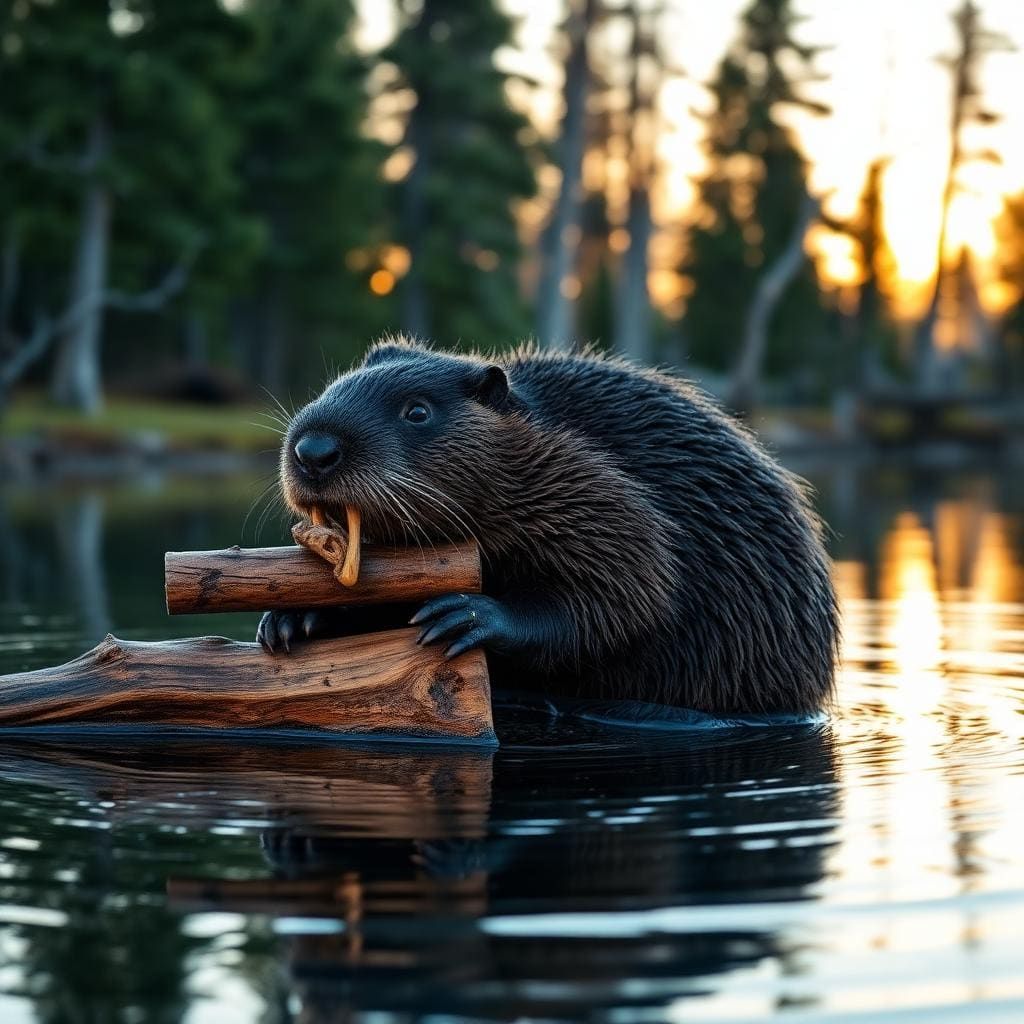
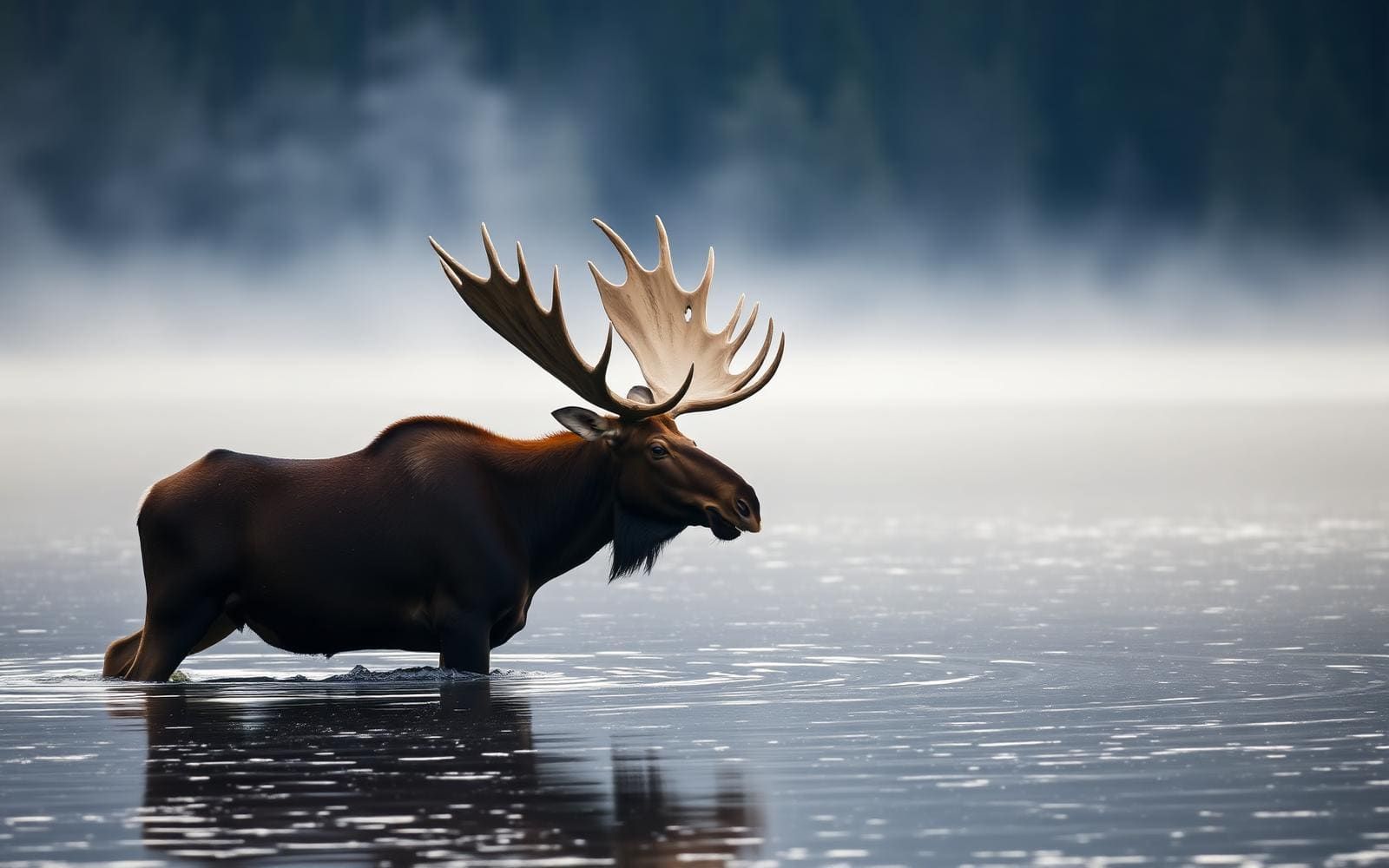
Wildlife found around Rondane National Park
Compare side by side
Put the Rondane National Park against any other pick on this list — specs, price, pros, cons and reader ratings.