


From the north · Wildlife
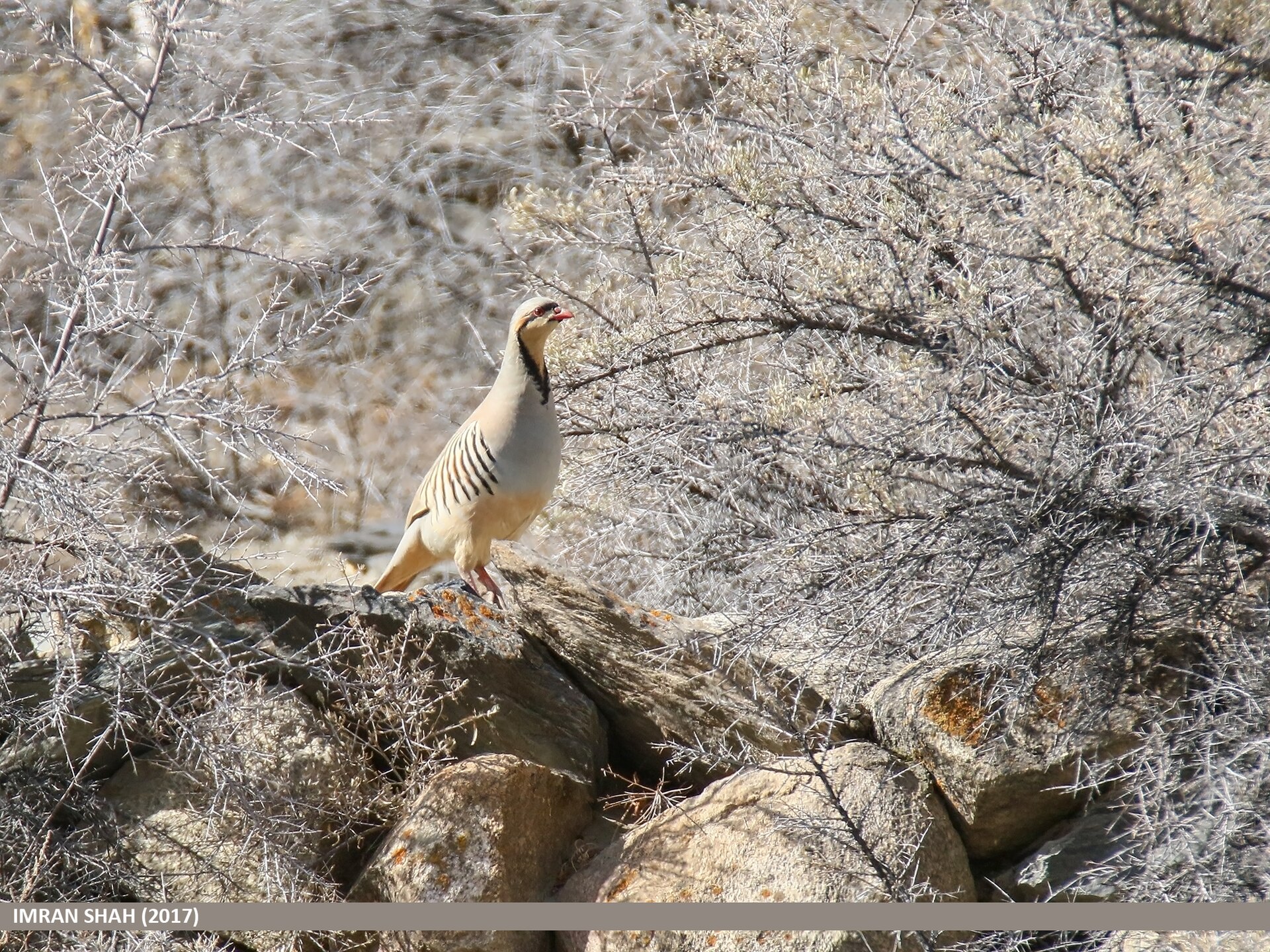
Chukar Partridge
Introduced from Asia to live on the West's steepest, rockiest canyon slopes — chukar hunting is a leg workout with a shotgun attached.
Alectoris chukar
- Range
- Great Basin canyon country
- Peak season
- Oct – Jan
- Tag access
- Over-the-counter
- Live weight
- 1.3 lb
Regulations by region
Chukar Partridge rules where you're headed
Seasons, tags, limits, and legal methods for chukar partridge are set jurisdiction by jurisdiction. Pick your state or province and we'll point you at the agency that writes the rules.
Jump to another species
About the chukar partridge
Chukar partridge were introduced from Asia's arid mountains in the mid-1900s and thrived on the rocky, cheatgrass-and-sagebrush canyon slopes of the Great Basin, where they're now firmly established from Nevada and Idaho into eastern Oregon and Washington. This is widely considered the most physically demanding wingshooting in North America — chukar live on steep, loose-rock canyon walls, run uphill relentlessly ahead of dogs and hunters, and flush downhill in a burst that gives you seconds to react while catching your breath. Tags are over the counter and cheap, but chukar hunting punishes unprepared hunters with brutal terrain, so success depends far more on physical conditioning and canyon strategy than on shooting skill.
Range and habitat
Chukar populations boom and bust with rainfall and cheatgrass seed production, so the best canyons shift year to year — but a handful of core areas are consistently good. Idaho (Snake River Canyon): The heart of chukar country with huge public BLM access. Nevada: Vast public land and remote canyon country with light pressure. Eastern Oregon: Excellent canyon habitat along the Owyhee and John Day rivers. Eastern Washington (Snake and Columbia breaks): Strong populations in rimrock canyon country. Utah: Good canyon habitat in the west desert and Wasatch foothills.
Behavior and field method
Chukar hunting is a game of canyon strategy: using terrain, wind, and dog work to intercept birds that instinctively run uphill. Start hunts by glassing canyon slopes at first light for feeding coveys before committing to a climb. Approach from above whenever possible — chukar run uphill from pressure below, so hunting downhill toward them cuts off their escape route. Use a wide-ranging pointing dog suited to open, rocky terrain to locate coveys before you're within their flush range. Expect birds to flush downhill and away, often at a distance, giving a brief, fast crossing or going-away shot. Break up covey flushes into workable singles and follow them into rockpiles or draws for a second opportunity. Hunt water sources and seeps in dry years, since chukar concentrate near limited water in arid canyon country. Pace your climbs and rest before shots — arriving at a flush point out of breath ruins accuracy on an already difficult shot. Carry more water than you think you need and plan routes that don't require re-climbing the same slope twice.
Tracks, droppings, and sign
Chukar sign is on the rocks, above the cheatgrass, near water. If you find droppings on a rimrock ledge, the birds are on that face. Tracks — Small three-toed prints in dust on rocky sidehills and along cattle trails. Usually in strings where a covey ran uphill. Droppings — Small firm cylinders with white caps, piled on rock ledges, at the base of boulders, and along benches where a covey loafed. Water sign — Heavy track and dropping concentration at seeps, springs, and stock tanks. In dry country, chukar hunting is water hunting. Cheatgrass feeding — Clipped cheatgrass seedheads and scratched dirt on south-facing slopes below the rimrock. Calling — The covey's rolling 'chukar' call carries across a canyon and is often the only way you locate birds on a big face. They call most at dawn and after a covey scatters.
In the field
A chukar hunt starts with a climb, often 1,000+ vertical feet up loose scree before you've fired a shot, glassing canyon walls for a feeding covey while catching your breath. When a covey flushes, it's usually downhill and away, cackling as a dozen or more birds scatter across the canyon at speed — a shot you take breathing hard, off balance on a slope, with legs already burning. The reward is proportional to the effort: chukar canyon country is spectacular, remote, and rarely crowded, and a good dog making game on a rimrock bench above a river canyon is one of wingshooting's most memorable sights.
Regulations, tags, and seasons
Chukar tags are inexpensive over-the-counter licenses — the real preparation is physical training and researching which canyons had good hatch conditions that year. Buy an upland game bird license online from the relevant state wildlife agency, usually under $100 for nonresidents. Check the state's annual game bird forecast or wing-bee survey report to gauge chukar populations before booking a trip. Identify BLM canyon country using public land maps — nearly all chukar hunting happens on federal land in the Great Basin. Confirm season dates and bag limits, typically running from early October through January with a generous daily limit. Train physically for weeks beforehand — steep, loose scree terrain at altitude is unlike any other bird hunting in the country.
Harvest and processing
A downed chukar rolls downhill. Watch it all the way to the bottom. Mark the fall the moment the chukar folds. Pick a landmark behind the bird — a stump, a color change in the cover — and walk straight to it without taking your eyes off it. Send the dog immediately if you have one; a runner covers a shocking amount of ground in thirty seconds. If you are hunting without a dog, walk a tight grid from the fall and look for feathers, not the whole bird. Watch the bird past the fall — chukars tumble hundreds of feet down a scree slope and end up nowhere near where they were hit. Dispatch a cripple immediately by pressing your thumb behind the head and firmly extending the neck, or by cervical dislocation with a quick pull. Do not wring wings or crush the breast. Check your bird against the daily limit and, where required, leave a fully feathered wing or head attached for species identification during transport. Field dress hot birds right away: open the vent, hook two fingers in, and pull the entrails out in one motion. This drops core temperature immediately and keeps the meat sweet. Chukar is the finest-eating upland bird in the West, with pale, mild breast meat. Pluck it whole.
Meat care and what you take home
Chukar yields small, lean breast meat similar to quail, typically 3–4 ounces per bird, mild and slightly nutty in flavor. Best cooked quickly — pan-seared or grilled whole breast, kept medium to avoid drying out the lean meat. A full meal usually requires four to six birds, making group hunts practical for a proper dinner.
Field notes
- Lightweight 20-gauge shotgun: A light gun with an improved-cylinder or modified choke handles typical chukar ranges without adding unnecessary weight on steep terrain.
- Ankle-supporting boots with aggressive tread: The single most important gear decision — poor boots on chukar terrain lead to twisted ankles and cancelled hunts.
- Hydration pack (3L+): There's often no water source on the slopes themselves; carry more than feels necessary in arid, sun-exposed terrain.
- Trekking poles: Poles reduce knee strain and prevent falls on loose rock, especially descending after a long climb.
- GPS dog collar and beacon: Dogs range far in open canyon country and can be out of sight for long stretches; a GPS collar is essential, not optional.
Chukar Partridge questions, answered
- How physically demanding is chukar hunting really?
- It's widely considered the hardest wingshooting in North America — canyon slopes routinely run 30-45 degrees on loose rock, with elevation gain of 1,000+ feet per outing. Training with a weighted pack for weeks beforehand is genuinely necessary.
- What dog breeds work best for chukar?
- Wide-ranging pointing breeds like German shorthairs, Brittanys, and English pointers that can cover large expanses of open rocky terrain and hold point on running birds.
- Why do chukar populations vary so much year to year?
- Chukar reproduction is tightly tied to spring precipitation and resulting cheatgrass seed production; wet springs produce boom years and drought years crash populations significantly.
- What's the best strategy for approaching a covey?
- Approach from above and let the birds run uphill into you rather than chasing them uphill, which tires hunters and pushes birds further away before they flush.
- Is chukar hunting good for beginners?
- The terrain makes it a poor first upland hunt; consider building fitness and canyon-navigation experience on an easier species before attempting a full day of chukar hunting.
- When is peak chukar season?
- October through December generally offers the best combination of weather and bird concentration before deep winter snow pushes birds to lower elevations.
Official sources and further reading
- Idaho Fish and Game
Upland bird forecasts and BLM canyon access information.
- Bureau of Land Management
Public land maps for chukar canyon country across the Great Basin.
- Nevada Department of Wildlife
Chukar population surveys and licensing information.
- USFWS — Hunting
Federal hunting resources and public land access information.