Tracks
1.5–2 in.
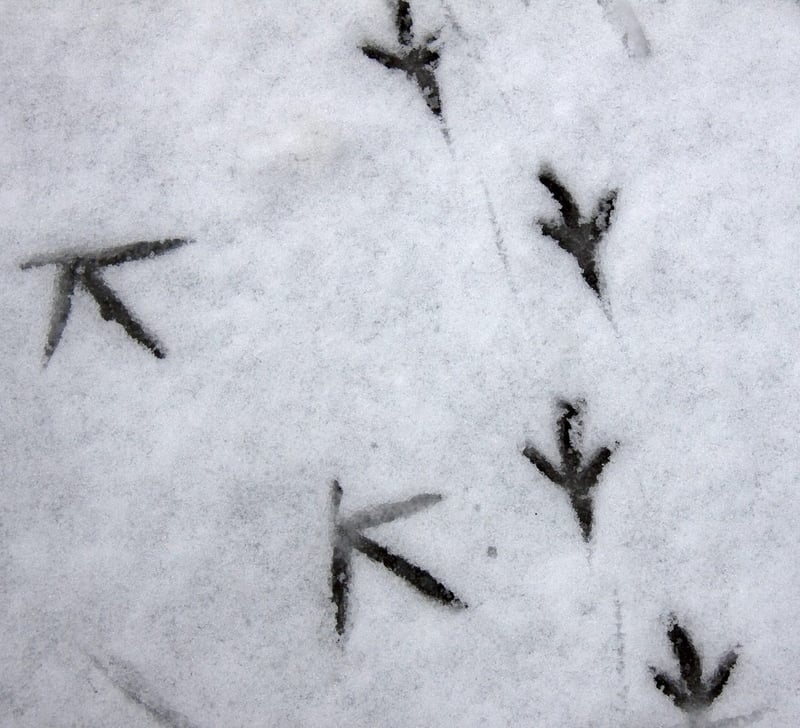
Small three-toed prints in dust on rocky sidehills and along cattle trails. Usually in strings where a covey ran uphill.
Hunting · Small Game & Birds · Chukar Partridge
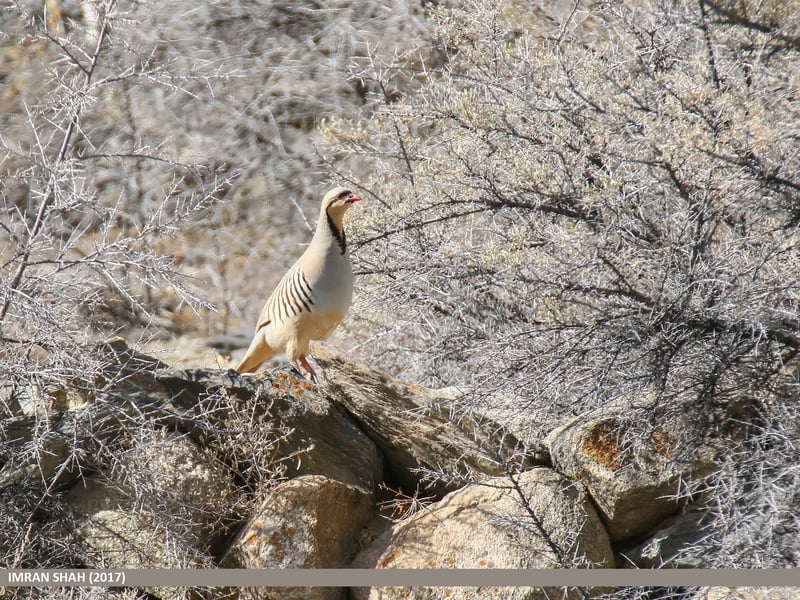
Introduced from Asia to live on the West's steepest, rockiest canyon slopes — chukar hunting is a leg workout with a shotgun attached.
Chukar partridge were introduced from Asia's arid mountains in the mid-1900s and thrived on the rocky, cheatgrass-and-sagebrush canyon slopes of the Great Basin, where they're now firmly established from Nevada and Idaho into eastern Oregon and Washington.
This is widely considered the most physically demanding wingshooting in North America — chukar live on steep, loose-rock canyon walls, run uphill relentlessly ahead of dogs and hunters, and flush downhill in a burst that gives you seconds to react while catching your breath.
Tags are over the counter and cheap, but chukar hunting punishes unprepared hunters with brutal terrain, so success depends far more on physical conditioning and canyon strategy than on shooting skill.
01
Chukar populations boom and bust with rainfall and cheatgrass seed production, so the best canyons shift year to year — but a handful of core areas are consistently good.
| Place | Why it's worth your time | How you get a tag |
|---|---|---|
| Idaho (Snake River Canyon) | The heart of chukar country with huge public BLM access | Over-the-counter upland game license |
| Nevada | Vast public land and remote canyon country with light pressure | Over-the-counter license |
| Eastern Oregon | Excellent canyon habitat along the Owyhee and John Day rivers | Over-the-counter upland bird license |
| Eastern Washington (Snake and Columbia breaks) | Strong populations in rimrock canyon country | Over-the-counter license |
| Utah | Good canyon habitat in the west desert and Wasatch foothills | Over-the-counter combination license |
02
Chukar hunting is a game of canyon strategy: using terrain, wind, and dog work to intercept birds that instinctively run uphill.
03
Chukar sign is on the rocks, above the cheatgrass, near water. If you find droppings on a rimrock ledge, the birds are on that face.
1.5–2 in.
Small three-toed prints in dust on rocky sidehills and along cattle trails. Usually in strings where a covey ran uphill.
Rimrock piles
Small firm cylinders with white caps, piled on rock ledges, at the base of boulders, and along benches where a covey loafed.
Springs & guzzlers
Heavy track and dropping concentration at seeps, springs, and stock tanks. In dry country, chukar hunting is water hunting.
Diet
Clipped cheatgrass seedheads and scratched dirt on south-facing slopes below the rimrock.
Chuck-chuck-chukar
The covey's rolling 'chukar' call carries across a canyon and is often the only way you locate birds on a big face. They call most at dawn and after a covey scatters.
04
Chukar tags are inexpensive over-the-counter licenses — the real preparation is physical training and researching which canyons had good hatch conditions that year.
05
A chukar hunt starts with a climb, often 1,000+ vertical feet up loose scree before you've fired a shot, glassing canyon walls for a feeding covey while catching your breath.
When a covey flushes, it's usually downhill and away, cackling as a dozen or more birds scatter across the canyon at speed — a shot you take breathing hard, off balance on a slope, with legs already burning.
The reward is proportional to the effort: chukar canyon country is spectacular, remote, and rarely crowded, and a good dog making game on a rimrock bench above a river canyon is one of wingshooting's most memorable sights.
06
Not a shopping list — the handful of items that change whether you fill the tag and whether the meat gets home in good condition.
Every ounce matters on the climb
A light gun with an improved-cylinder or modified choke handles typical chukar ranges without adding unnecessary weight on steep terrain.
Loose rock and scree
The single most important gear decision — poor boots on chukar terrain lead to twisted ankles and cancelled hunts.
Dry, exposed canyon country
There's often no water source on the slopes themselves; carry more than feels necessary in arid, sun-exposed terrain.
Steep descents
Poles reduce knee strain and prevent falls on loose rock, especially descending after a long climb.
Wide, rugged terrain
Dogs range far in open canyon country and can be out of sight for long stretches; a GPS collar is essential, not optional.
07
A downed chukar rolls downhill. Watch it all the way to the bottom.
08
Chukar is the finest-eating upland bird in the West, with pale, mild breast meat. Pluck it whole.
09
Chukar yields small, lean breast meat similar to quail, typically 3–4 ounces per bird, mild and slightly nutty in flavor.
Best cooked quickly — pan-seared or grilled whole breast, kept medium to avoid drying out the lean meat.
A full meal usually requires four to six birds, making group hunts practical for a proper dinner.
Seasons, bag limits, and shell restrictions change every year — especially for migratory birds. Confirm with these agencies before you hunt.
Upland bird forecasts and BLM canyon access information.
Public land maps for chukar canyon country across the Great Basin.
Chukar population surveys and licensing information.
Federal hunting resources and public land access information.
Questions
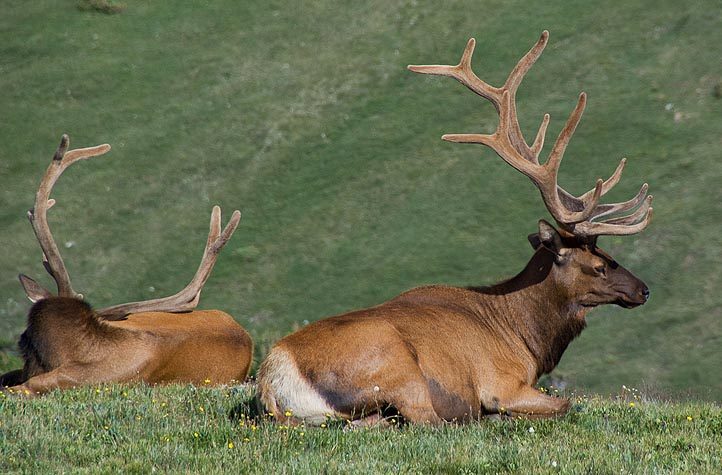
Where every hunting guide on The Wild10 starts.
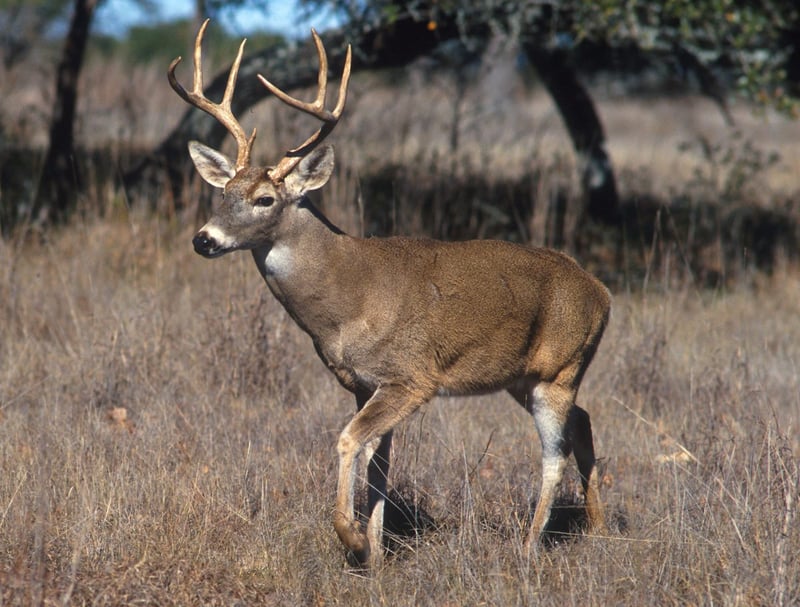
Big game, small game, upland birds, and waterfowl — habitat and season.
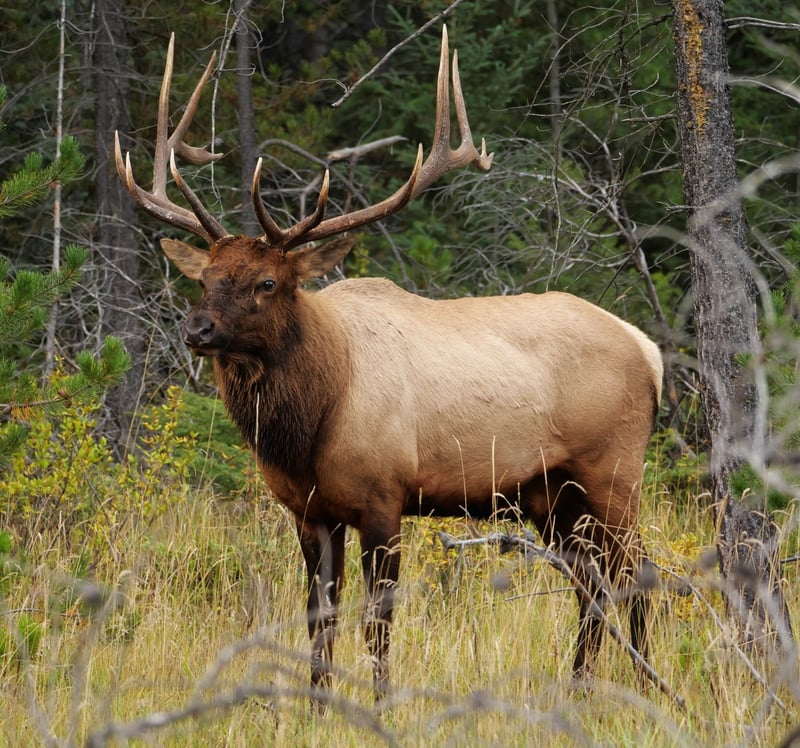
Deer, elk, moose, bear, hog and sheep — where to hunt, tags, and what to expect.
All 50 states — seasons, tags, laws, public land and tactics.
Calling, shotguns, bows, camo, blinds, scouting, and spring vs fall.
Search every species and filter by tracks, droppings and sign, harvest, or skinning.
Cartridges, zero, field positions, wind, and shot placement.
Gauges, chokes, shot size, and lead for birds and slug country.
Instinctive shooting, draw weight, arrow spine, and close-range craft.
Eleven recurve and longbow guides: form, aiming, spine, tuning, and building tackle.
Draw length, sight and rest setup, broadhead tuning, and shot process.
Wind discipline, stand placement, blood trailing, and meat care.
Keep going
Search every game profile by tracks, sign, harvest, and skinning guides.
Read →Gauges, chokes, and shot size for birds and small game.
Read →Deer, elk, bear and more — tags, seasons, and tactics.
Read →Wind, scent, and getting game home in good condition.
Read →What to do with the birds and small game you bring home.
Read →Top 10 lists
Ranked picks with real product photos, specs, and editor notes — the buying side of everything covered in these guides.
Sitka and the rest: kickstands, call storage, all-day carry.
See the ranking →Upland and utility vests with shell and game carry.
See the ranking →Upland guns that swing fast on flushing roosters.
See the ranking →Bolt guns from budget workhorses to mountain rifles.
See the ranking →Over-unders and light autos built to carry all day.
See the ranking →3.5-inch guns that keep cycling through mud and ice.
See the ranking →Also on The Wild10
Fish identification, the knots that hold, lure selection by conditions, and the habits that fill a stringer.
Open the fishing hub →