Tracks
Handprints
Five long slender toes on both front and hind feet, the front print looking like a tiny human hand and the hind like a small flat human foot. Nearly always found in creek mud, on sandbars, and along pond edges.
Hunting · Small Game & Birds · Raccoon
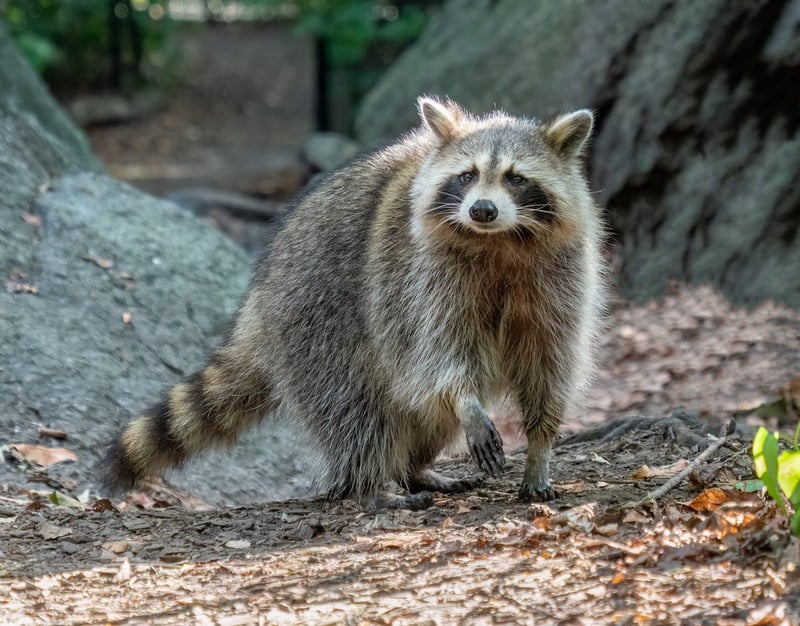
A nighttime hound-hunting tradition built entirely around a dog's nose and voice, ending with a treed raccoon lit up by headlamp.
Raccoons are highly adaptable, found in nearly every habitat type across North America from deep forest to suburban neighborhoods, and are hunted almost exclusively at night using specially bred hounds trained to trail scent and tree the animal.
The entire hunt is organized around the dogs — a coonhound's job is to strike a fresh track, trail it by scent through the dark woods, and switch to a distinctive 'treed' bark once it has the raccoon cornered up a trunk, at which point hunters follow the sound and shine a light to locate the animal.
It's a genuinely social, night-woods tradition with deep roots in rural America, valued as much for the competitive and recreational aspect of running good hounds as for the harvest itself, and many hunts today are catch-and-release for the dog work alone.
01
Raccoon hunting is possible almost anywhere with hardwood bottomland or mixed forest and reasonable hound access — quality depends more on dog work and local raccoon density than any specific destination.
| Place | Why it's worth your time | How you get a tag |
|---|---|---|
| Southeastern bottomland hardwoods | Dense raccoon populations in river-bottom timber with a strong hound-hunting tradition | Over-the-counter fur-bearer or hunting license |
| Midwest farm country | High raccoon densities near agricultural fields and waterways | Over-the-counter fur-bearer license |
| Appalachian hardwood forest | Deep-rooted coon hunting tradition with good public hunting land | Over-the-counter fur-bearer license |
| Louisiana & Mississippi river systems | Excellent raccoon habitat in swamp and bottomland forest | Over-the-counter fur-bearer license |
| Northeast farmland-forest mix | Solid raccoon numbers near agricultural edges and streams | Over-the-counter fur-bearer license |
02
Raccoon hunting at night is built entirely around trained hounds locating, trailing, and treeing the animal while hunters follow on foot.
03
Coon sign is concentrated around water and food, and the tracks are the most human-looking prints in the woods.
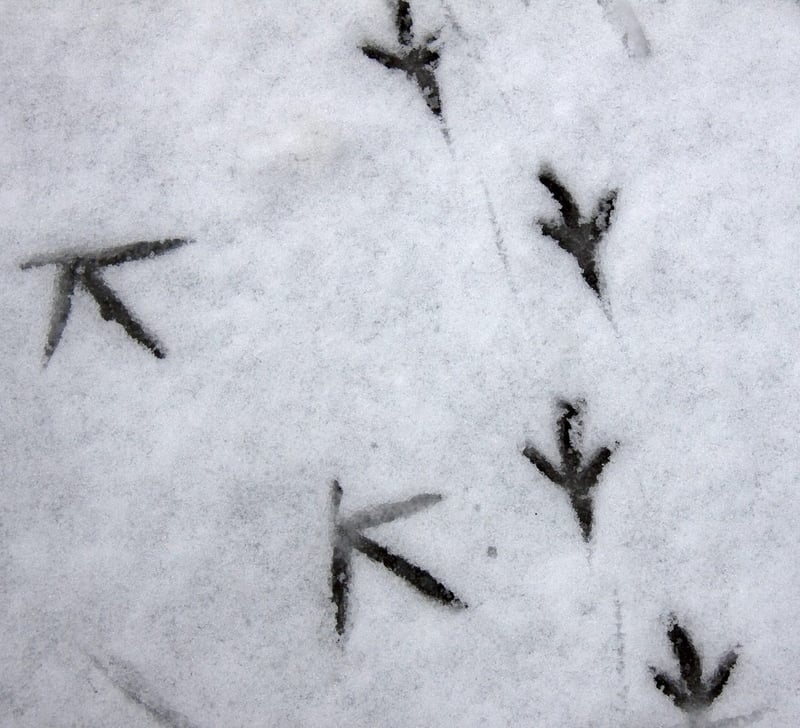
Handprints
Five long slender toes on both front and hind feet, the front print looking like a tiny human hand and the hind like a small flat human foot. Nearly always found in creek mud, on sandbars, and along pond edges.
Latrines
Blunt-ended tubular scat full of berry seeds, corn, crawfish shell, and insect parts, deposited in communal latrines on logs, rocks, and at the base of den trees. Raccoon roundworm is a genuine hazard — never handle latrine scat bare-handed.
Water & crops
Crawfish shells and mussel shells pulled apart on a creek bank, cornstalks pulled down and ears stripped in a field, and turned-over rocks in a shallow riffle.
Cavities
Hollow trees with worn, hair-lined entrances 10–30 feet up, plus scratch marks on the bark below. Also culverts, barns, and rock crevices.
Water edges
Well-worn narrow trails along creek banks and between water and a crop field, used nightly and heavy with tracks.
04
Raccoon hunting typically requires a small-game or fur-bearer license, and many states distinguish between raccoon hunting season and the separate trapping season for fur harvest.
05
A coon hunt happens entirely in the dark, walking through unfamiliar woods by headlamp, following the sound of hounds working a scent trail somewhere ahead in the black timber.
The moment the bark changes to a steady treed chop is electric — hunters pick up the pace toward the sound, spotlights sweeping the canopy until a pair of eyes shine back from high in the branches.
Many hunters treat this as much a dog-competition and social hunt as a harvest pursuit — trading stories around a truck tailgate, judging each other's hounds' voices, and often letting a treed raccoon go unharmed once the dogs have proven their work.
06
Not a shopping list — the handful of items that change whether you fill the tag and whether the meat gets home in good condition.
The entire hunt depends on them
Breeds like Treeing Walkers, Blueticks, and Redbones are bred specifically for trailing and treeing raccoons; a good hound's nose and voice are the core of this hunt.
Locate eyeshine
A bright, focused light is essential for spotting raccoon eyeshine high in dark canopy and for safely navigating rough terrain at night.
Follow hounds in the dark
Modern GPS collars let hunters follow their dogs' location and hunting pattern on a handheld unit, critical in thick, dark terrain.
If harvesting
A precise small-caliber rifle handles a treed raccoon shot cleanly without excessive pelt or meat damage.
Rough terrain in the dark
Night hunts cover uneven ground with no visibility beyond your light; good footwear and a backup light source are essential safety gear.
07
Most coon hunting happens at night behind hounds, and the shot is straight up into a tree.
08
Raccoon is skinned 'cased' for fur and quartered for the pot. Both start the same way.
09
Raccoon meat is dark, rich, and fatty, and requires careful trimming of fat and glands before cooking to avoid a strong flavor.
Traditionally slow-roasted or braised, often with sweet potatoes or in a barbecue-style preparation that renders the fat and tenderizes the meat.
Many hunters today pursue raccoon primarily for the hound-hunting experience and fur value, with meat consumption being a regional and personal choice.
Seasons, bag limits, and shell restrictions change every year — especially for migratory birds. Confirm with these agencies before you hunt.
Coonhound breed standards, competitive night-hunt events, and training resources.
Directory of every state wildlife agency for current fur-bearer regulations.
Fur-bearer management and harvest information relevant to raccoon hunting and trapping.
Federal hunting resources and public land access information.
Questions
Where every hunting guide on The Wild10 starts.
Big game, small game, upland birds, and waterfowl — habitat and season.
Deer, elk, moose, bear, hog and sheep — where to hunt, tags, and what to expect.
All 50 states — seasons, tags, laws, public land and tactics.
Calling, shotguns, bows, camo, blinds, scouting, and spring vs fall.
Search every species and filter by tracks, droppings and sign, harvest, or skinning.
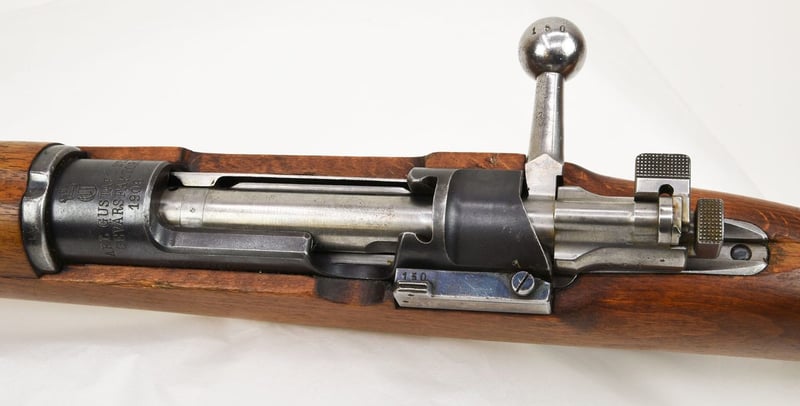
Cartridges, zero, field positions, wind, and shot placement.

Gauges, chokes, shot size, and lead for birds and slug country.
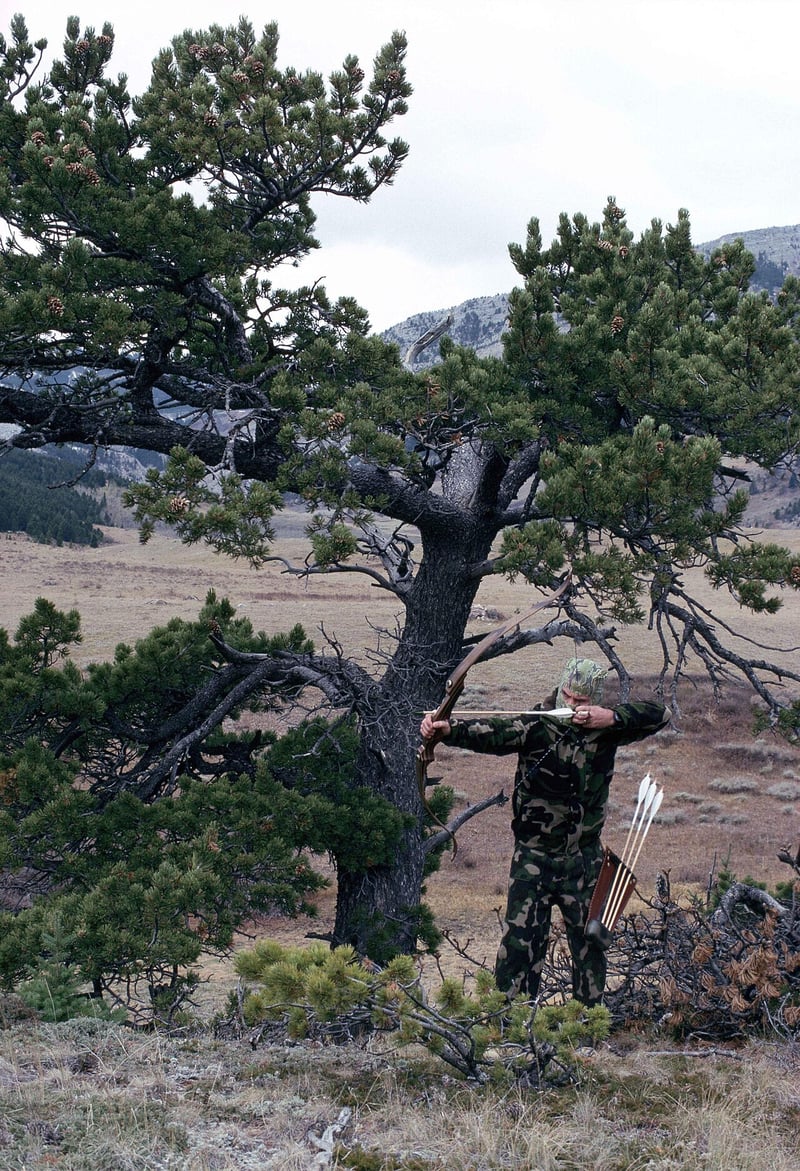
Instinctive shooting, draw weight, arrow spine, and close-range craft.
Eleven recurve and longbow guides: form, aiming, spine, tuning, and building tackle.
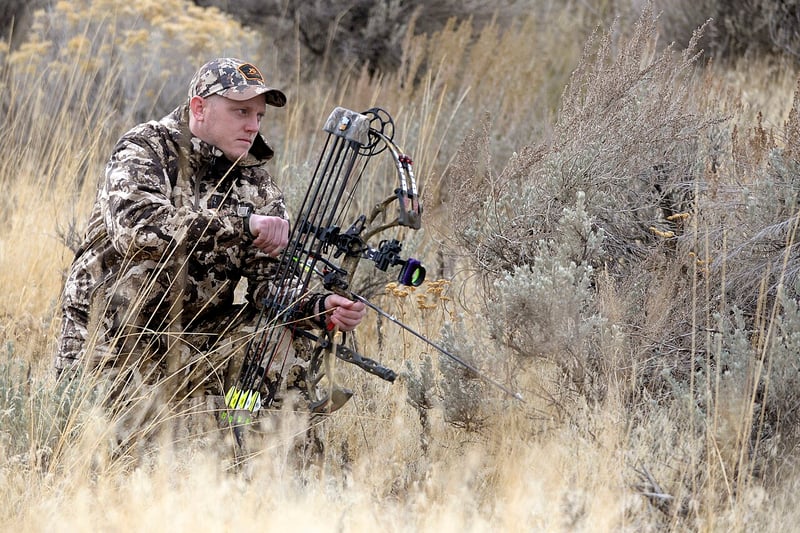
Draw length, sight and rest setup, broadhead tuning, and shot process.
Wind discipline, stand placement, blood trailing, and meat care.
Keep going
Search every game profile by tracks, sign, harvest, and skinning guides.
Read →Gauges, chokes, and shot size for birds and small game.
Read →Deer, elk, bear and more — tags, seasons, and tactics.
Read →Wind, scent, and getting game home in good condition.
Read →What to do with the birds and small game you bring home.
Read →Top 10 lists
Ranked picks with real product photos, specs, and editor notes — the buying side of everything covered in these guides.
Sitka and the rest: kickstands, call storage, all-day carry.
See the ranking →Upland and utility vests with shell and game carry.
See the ranking →Upland guns that swing fast on flushing roosters.
See the ranking →Bolt guns from budget workhorses to mountain rifles.
See the ranking →Over-unders and light autos built to carry all day.
See the ranking →3.5-inch guns that keep cycling through mud and ice.
See the ranking →Also on The Wild10
Fish identification, the knots that hold, lure selection by conditions, and the habits that fill a stringer.
Open the fishing hub →