



Agate Fossil Beds National Monument
In the early 1900s, paleontologists unearthed the Age of Mammals when they found full skeletons of extinct Miocene mammals in the hills of Nebraska -- species previously only known through fragments. At the same time, an age of friendship began between rancher James Cook and Chief Red Cloud of the Lakota. These two unprecedented events are preserved and protected here... at Agate Fossil Beds.
- Region
- Nebraska, USA
- Country
- United States
- Best for
- sightseeing
- Best season
- Spring, Summer
- Permits
- Confirm current admission, permit requirem…
- Managed by
- National Park Service
Plan with verified data
Agate Fossil Beds National Monument trip tools
Tools for a trip here
Picked for how, when and where you're going. Free, no signup.
Photos of Agate Fossil Beds National Monument
How to get there
Agate Fossil Beds National Monument is near Harrison in western Nebraska. Confirm driving directions and the appropriate arrival point with the National Park Service at 308 665-4113; the park lists 301 River Road, Harrison, NE 69346 as its mailing address.
- Visitor center
Start with the Miocene fossil displays and the Cook Collection of Lakota artifacts. Confirm current operating information before arrival.
- Park hiking trails
The monument offers two hiking trails. Ask the National Park Service for their starting locations and current access guidance before heading out.
Sources: National Park Service · National monument inventory · Wikipedia. Confirm road and trailhead conditions with the managing agency before you leave.
Nebraska, USA · United States
- Winter Camping
- Skiing
- Hiking
- Canoeing
- Fishing
- Horseback Riding
A national monument on the Niobrara
Agate Fossil Beds National Monument protects a paleontological and cultural landscape near Harrison in western Nebraska. Managed by the National Park Service, it brings together Miocene mammal fossils, Lakota heritage and the history of ranching along the Niobrara River. Its main landscape features are the river valley and the fossil-bearing Carnegie Hill and University Hill, set within largely grass-covered plains. The national monument designation recognizes the importance of preserving these connected resources, rather than simply providing an outdoor recreation area. A visit works best when the visitor-center exhibits and surrounding prairie are treated as parts of the same story. The park offers two hiking trails, but the named fossil hills should not be treated as independent access points or invitations to explore excavation sites.
Miocene mammals and living prairie
In the early 1900s, paleontologists working in these Nebraska hills uncovered full skeletons of extinct Miocene mammals, including animals previously understood only from fragments. Agate is now recognized as the world's leading source of full-skeleton specimens of Miocene mammals. The visitor center displays large fossilized animals, giving the outdoor landscape a useful interpretive starting point. Outside, the present-day setting is High Plains mixed-grass prairie rather than a reconstruction of the ancient ecosystem. Documented plants include prairie sandreed, blue grama, little bluestem, and needle and thread grass. Lupin, spiderwort, western wallflower and sunflowers also occur here. Keep that distinction between ancient animals and today's habitat clear: the fossil story explains the site's scientific significance, while the grasses and wildflowers describe the landscape visitors encounter now.
Lakota heritage and ranching history
The monument's human history deserves time alongside its fossils. Rancher James Cook and Chief Red Cloud of the Oglala Lakota developed a friendship connected with this place, and the Cook Collection preserves Lakota artifacts that help explain that relationship and the wider history of the Plains. Chief Red Cloud, American Horse and paleontologists were among those who came to the Niobrara country. Agate Springs ranch and the surrounding ranching landscape provide another layer of context for the monument. Begin with the collection rather than treating it as an optional addition to a fossil visit. Its displays make clear that Agate is both a scientific site and a place associated with living cultural heritage, personal relationships and the history of western Nebraska.
Seasonal planning and visitor guidance
Plan outdoor time around the current forecast for this open prairie setting. In spring, bring layers and check conditions before choosing a walk. In summer, carry drinking water and sun protection for time away from the visitor center. In autumn, keep an insulating layer available and adjust plans to the day's weather. In winter, check conditions and operating information before setting out, and dress for cold exposure. These are planning precautions, not assurances of seasonal access or particular weather. Confirm current admission requirements, permits and visitor restrictions directly with the National Park Service at 308 665-4113. Ask staff which trail starting points are available and what rules apply to fossil areas, collecting and any special activities. Do not assume that a fossil-bearing hill is open for unrestricted exploration.
Where on earth
Satellite imagery flying in from a world view to Agate Fossil Beds National Monument, United States. Use the + / − buttons, or click the map to zoom with your scroll wheel; drag to pan and pinch to zoom on touch.
Coordinates
- Decimal degrees
- 42.4160, -103.7280
- Latitude (DMS)
- 42° 24′ 57.6″ N
- Longitude (DMS)
- 103° 43′ 40.8″ W
Coordinates are an access-point reference for Agate Fossil Beds National Monument, not a route. Carry a paper map and confirm trailhead or put-in access with the managing agency before you go.
Topic summary
In the early 1900s, paleontologists unearthed the Age of Mammals when they found full skeletons of extinct Miocene mammals in the hills of Nebraska -- species previously only known through fragments. At the same time, an age of friendship began between rancher James Cook and Chief Red Cloud of the Lakota. These two unprecedented events are preserved and protected here... at Agate Fossil Beds.
Key takeaways
- Region: Nebraska, USA
- Country: United States
- Good for: sightseeing
- Coordinates: 42.416, -103.728
Intended uses
sightseeing
Keep planning
Popular pursuits at Agate Fossil Beds National Monument
- Winter Camping
Cold-season travel and camp craft; layering matters more than mileage.
- Skiing
Ski-touring access when the road closes for the season.
- Hiking
Day miles on marked trail, with route notes and trail links below.
- Canoeing
Paddle routes, portages, and put-ins.
- Fishing
Resident gamefish, seasons, and the water that holds them.
- Horseback Riding
Stock-legal trail and forage rules.
Animals around Agate Fossil Beds National Monument

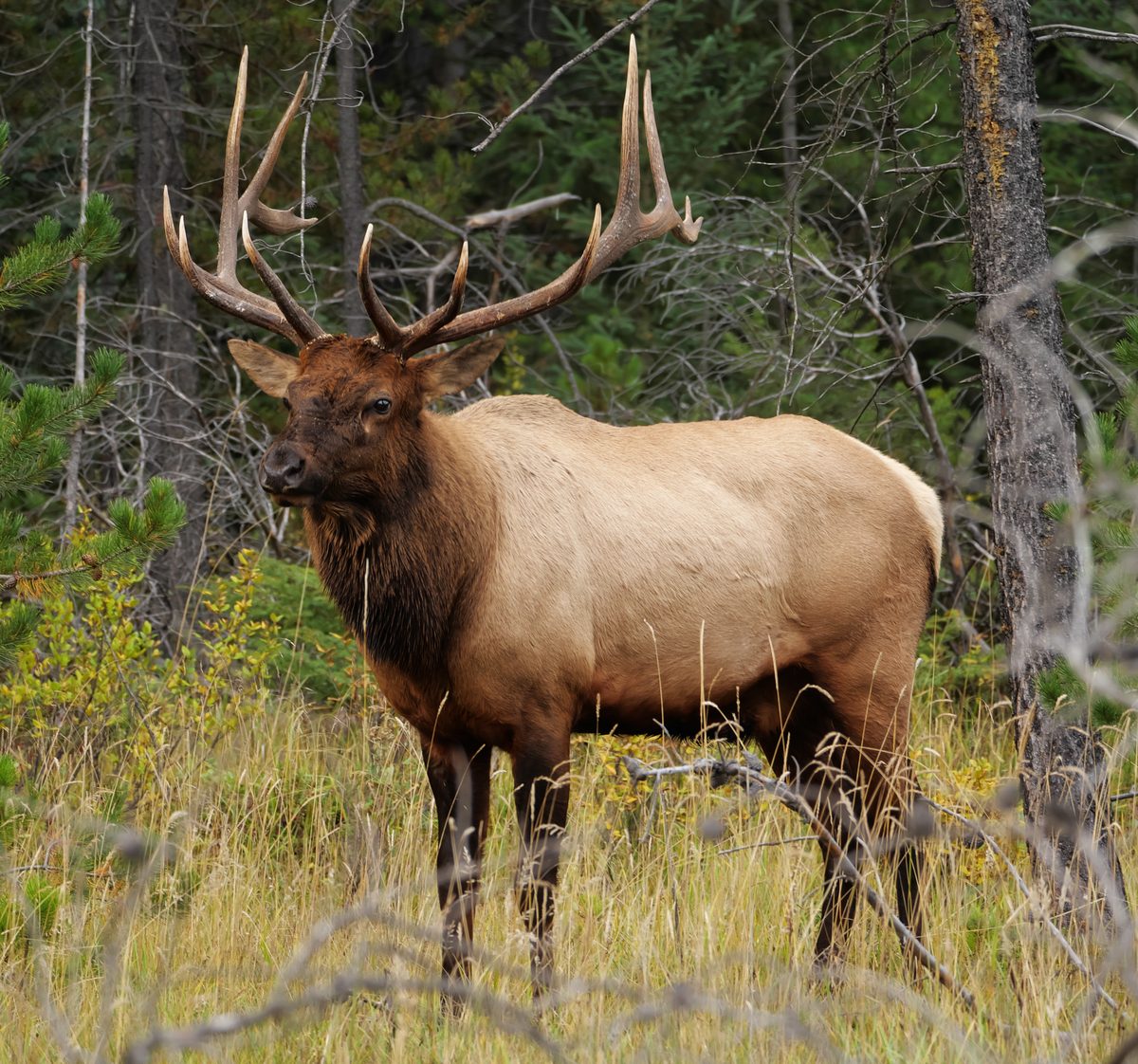
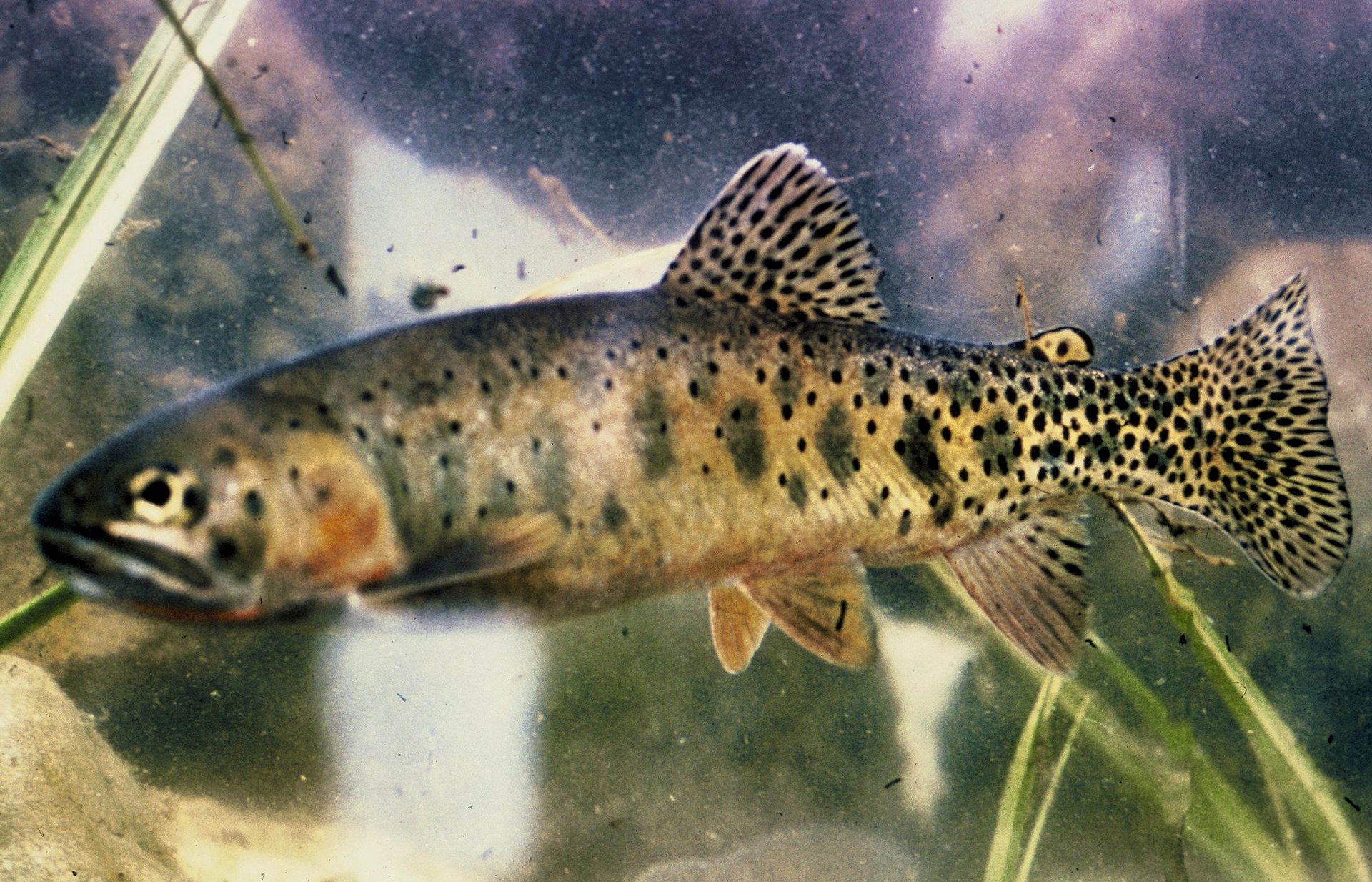

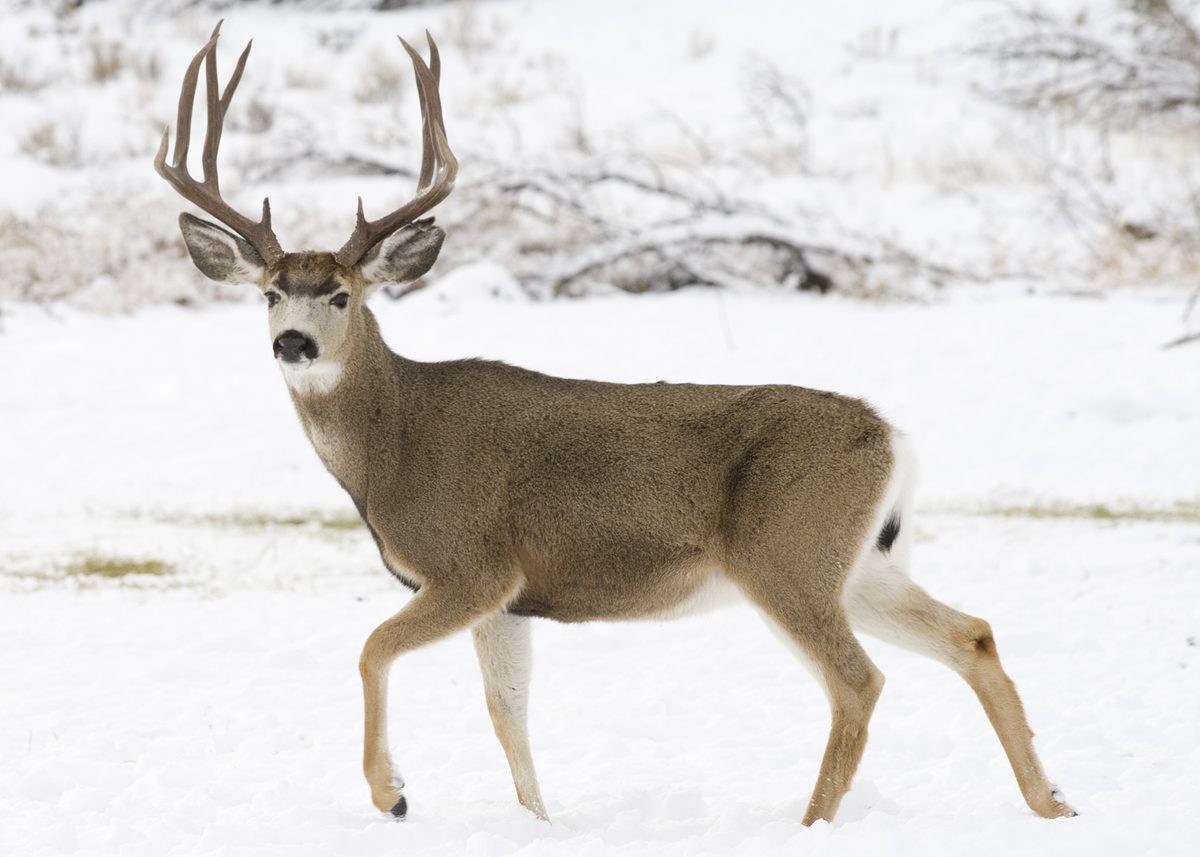
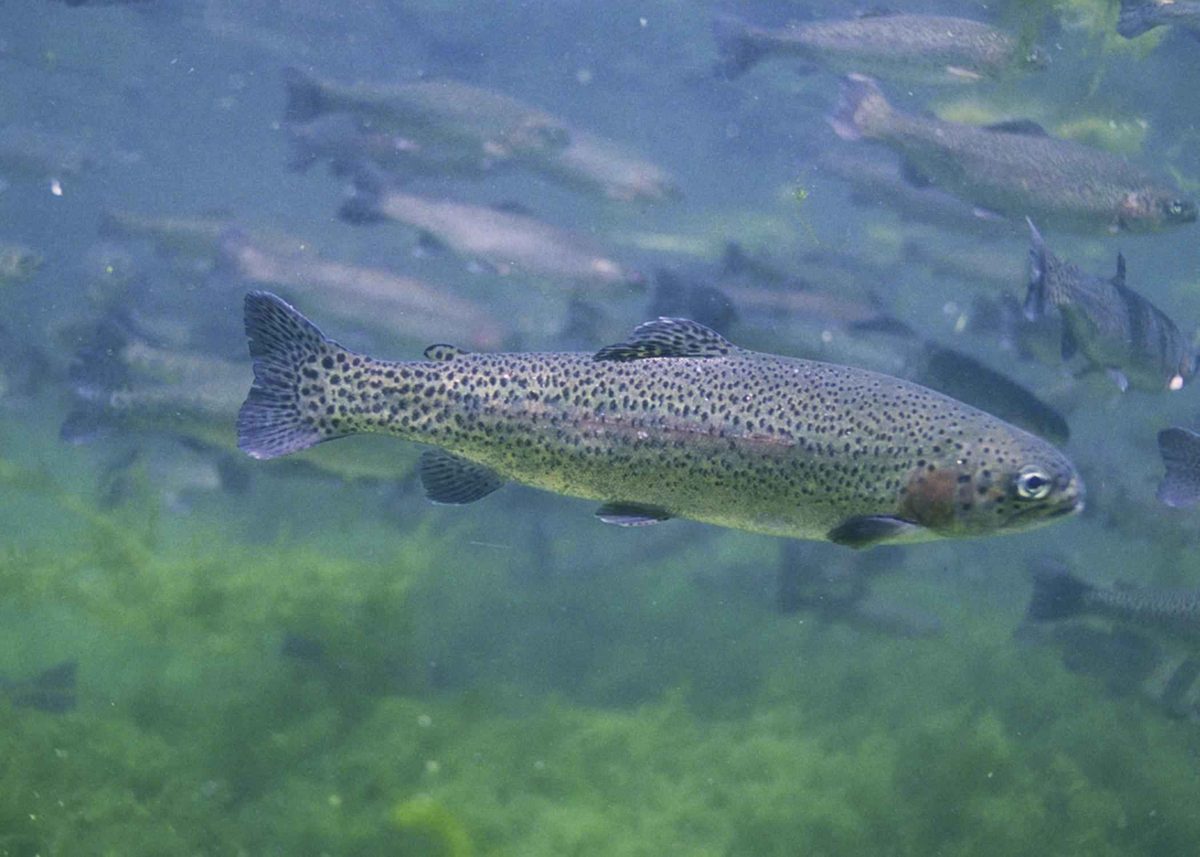

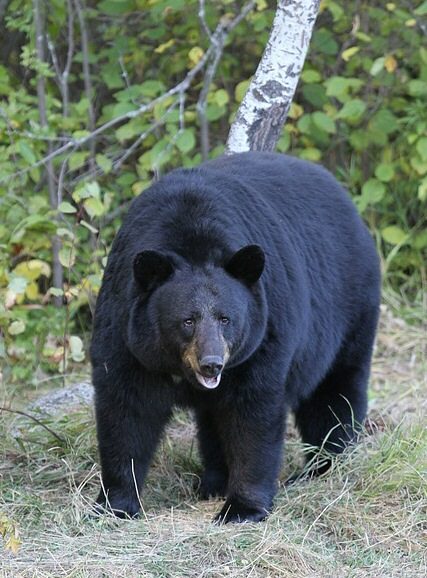
A national monument on the Niobrara
Agate Fossil Beds National Monument protects a paleontological and cultural landscape near Harrison in western Nebraska. Managed by the National Park Service, it brings together Miocene mammal fossils, Lakota heritage and the history of ranching along the Niobrara River. Its main landscape features are the river valley and the fossil-bearing Carnegie Hill and University Hill, set within largely grass-covered plains. The national monument designation recognizes the importance of preserving these connected resources, rather than simply providing an outdoor recreation area. A visit works best when the visitor-center exhibits and surrounding prairie are treated as parts of the same story. The park offers two hiking trails, but the named fossil hills should not be treated as independent access points or invitations to explore excavation sites.
Miocene mammals and living prairie
In the early 1900s, paleontologists working in these Nebraska hills uncovered full skeletons of extinct Miocene mammals, including animals previously understood only from fragments. Agate is now recognized as the world's leading source of full-skeleton specimens of Miocene mammals. The visitor center displays large fossilized animals, giving the outdoor landscape a useful interpretive starting point. Outside, the present-day setting is High Plains mixed-grass prairie rather than a reconstruction of the ancient ecosystem. Documented plants include prairie sandreed, blue grama, little bluestem, and needle and thread grass. Lupin, spiderwort, western wallflower and sunflowers also occur here. Keep that distinction between ancient animals and today's habitat clear: the fossil story explains the site's scientific significance, while the grasses and wildflowers describe the landscape visitors encounter now.
Lakota heritage and ranching history
The monument's human history deserves time alongside its fossils. Rancher James Cook and Chief Red Cloud of the Oglala Lakota developed a friendship connected with this place, and the Cook Collection preserves Lakota artifacts that help explain that relationship and the wider history of the Plains. Chief Red Cloud, American Horse and paleontologists were among those who came to the Niobrara country. Agate Springs ranch and the surrounding ranching landscape provide another layer of context for the monument. Begin with the collection rather than treating it as an optional addition to a fossil visit. Its displays make clear that Agate is both a scientific site and a place associated with living cultural heritage, personal relationships and the history of western Nebraska.
Seasonal planning and visitor guidance
Plan outdoor time around the current forecast for this open prairie setting. In spring, bring layers and check conditions before choosing a walk. In summer, carry drinking water and sun protection for time away from the visitor center. In autumn, keep an insulating layer available and adjust plans to the day's weather. In winter, check conditions and operating information before setting out, and dress for cold exposure. These are planning precautions, not assurances of seasonal access or particular weather. Confirm current admission requirements, permits and visitor restrictions directly with the National Park Service at 308 665-4113. Ask staff which trail starting points are available and what rules apply to fossil areas, collecting and any special activities. Do not assume that a fossil-bearing hill is open for unrestricted exploration.
Route options
- Miocene fossil exhibit visit
An indoor visit focused on the visitor center's fossilized mammals and the significance of Agate's full-skeleton discoveries. This is an exhibit-based option, not a named hiking route.
- Cook Collection visit
An exhibit-based option focused on Lakota artifacts and the history connecting James Cook, Chief Red Cloud and the Niobrara ranching landscape.
- Park hiking
Choose from the monument's two hiking trails after confirming route details with park staff. The surrounding setting is grass-covered plains and the Niobrara River valley; do not assume either trail provides unrestricted access to fossil sites.
Sample itineraries
- Miocene fossils and prairie · 1 day
Start with the visitor center’s Miocene mammal displays, then choose one of the monument’s two hiking trails after checking current access with staff. Use the exhibits to understand the fossil discoveries associated with Carnegie Hill and University Hill; do not assume the fossil sites themselves allow unrestricted access.
- Lakota heritage and ranching history · 1 day
Focus on the Cook Collection of Lakota artifacts and the history connecting rancher James Cook with Chief Red Cloud. Explore the monument’s ranching and paleontology stories, then add a walk on an established park trail if weather and current access allow.
Seasonal conditions
Spring
Spring
For a visit to the open High Plains prairie, check the forecast and bring adjustable layers and rain protection. Let current weather determine how much time to spend on the trails versus inside the visitor center.
Summer
Summer
Plan for sun exposure on the grass-covered plains. Carry drinking water and sun protection, and adjust outdoor plans to the day’s temperature and forecast.
Fall
Fall
Check temperatures and wind before walking the prairie trails. Carry layers rather than relying on conditions at the start of the day, and confirm visitor services before traveling.
Winter
Winter
Check the forecast and current access before departure. Bring insulating layers and wind protection; if snow or ice is forecast, reassess driving and walking plans with park staff.
| Season | Window | Conditions |
|---|---|---|
| Spring | Spring | For a visit to the open High Plains prairie, check the forecast and bring adjustable layers and rain protection. Let current weather determine how much time to spend on the trails versus inside the visitor center. |
| Summer | Summer | Plan for sun exposure on the grass-covered plains. Carry drinking water and sun protection, and adjust outdoor plans to the day’s temperature and forecast. |
| Fall | Fall | Check temperatures and wind before walking the prairie trails. Carry layers rather than relying on conditions at the start of the day, and confirm visitor services before traveling. |
| Winter | Winter | Check the forecast and current access before departure. Bring insulating layers and wind protection; if snow or ice is forecast, reassess driving and walking plans with park staff. |
Permits, fees & closures
Confirm current admission, permit requirements, and activity restrictions with the National Park Service at 308 665-4113 before visiting.
Official source: Agate Fossil Beds National Monument — managing agency · Verified October 19, 2026
Hazards & regulations
- Open grass-covered plains offer exposure to the weather. Check the forecast before setting out and carry suitable layers.
- Sun exposure and inadequate drinking water can make a prairie walk harder than expected. Carry water and sun protection.
- If winter weather brings snow or ice, reassess travel and trail footing before proceeding.
What to pack for Agate Fossil Beds National Monument
- Comfortable walking shoes
- Drinking water
- Sun hat
- Sunscreen
- Adjustable clothing layers
- Wind-resistant outer layer
- Rain protection
- Insulating layers for cold forecasts
Agate Fossil Beds National Monument FAQ
- What is Agate Fossil Beds National Monument?
- It is a National Park Service-managed U.S. national monument near Harrison, Nebraska. It preserves and protects important Miocene mammal fossil discoveries and the history of relationships between rancher James Cook and Lakota people, including Chief Red Cloud.
- Why are the fossils significant?
- In the early 1900s, paleontologists uncovered full skeletons of extinct Miocene mammals previously known only through fragments. Agate is the world’s leading source of full-skeleton specimens of Miocene mammals. Carnegie Hill and University Hill are associated with the monument’s fossil deposits.
- What cultural history can visitors explore?
- The Cook Collection of Lakota artifacts provides context for Lakota heritage. The monument also tells stories of ranching, paleontology, and James Cook’s friendship with Chief Red Cloud. American Horse and paleontologists also came to this part of the Niobrara.
- Where can visitors walk, and what restrictions apply?
- The monument offers two hiking trails. Ask park staff about current access, visitor restrictions, and appropriate places to walk. Do not treat the named fossil hills as independent access points or assume fossil sites allow unrestricted exploration.
- What habitat and plants characterize the monument?
- The setting includes the Niobrara River valley and High Plains mixed-grass prairie. Documented plants include prairie sandreed, blue grama, little bluestem, needle and thread grass, lupin, spiderwort, western wallflower, and sunflowers.
- How should admission and permit requirements be checked?
- Contact the National Park Service at 308 665-4113 to confirm current admission guidance, any permits needed for planned activities, and visitor services before traveling.