Tracks
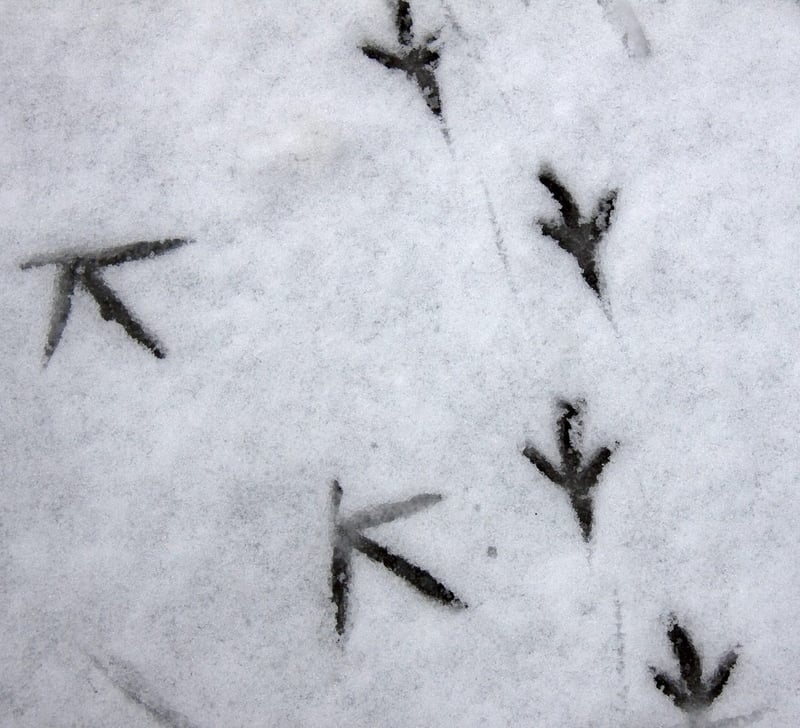
3–3.5 in.
Larger and blockier than a whitetail's with a squarer toe. Mule deer stot rather than run, so a spooked deer leaves distinctive four-hoof clusters spaced 10–15 feet apart in the dust.
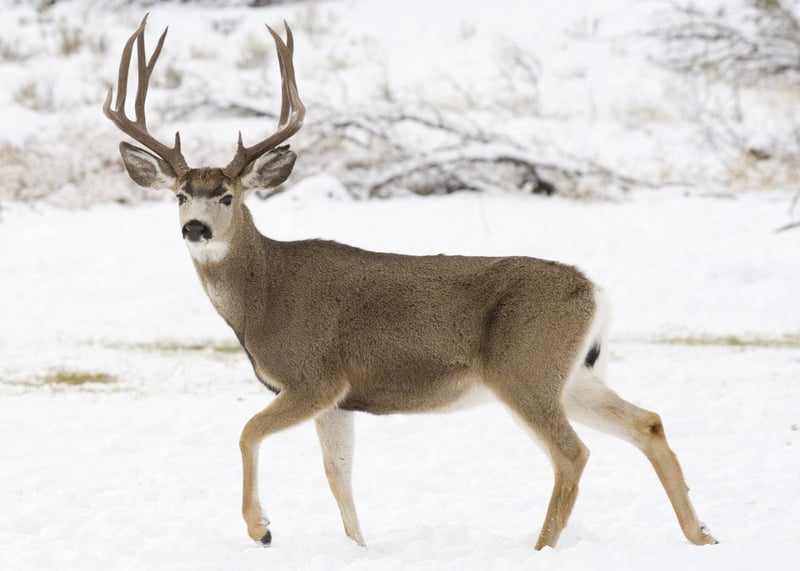
Hunting · Big Game · Mule Deer
The western spot-and-stalk deer — glassed from a mile away, stalked across open country, and hunted almost entirely on public land.
Mule deer occupy the sagebrush, aspen, alpine basins, and desert breaks of the American West. Where a whitetail hides, a mule deer runs to the next drainage and stops to look back — which is exactly the habit that makes them huntable in open country.
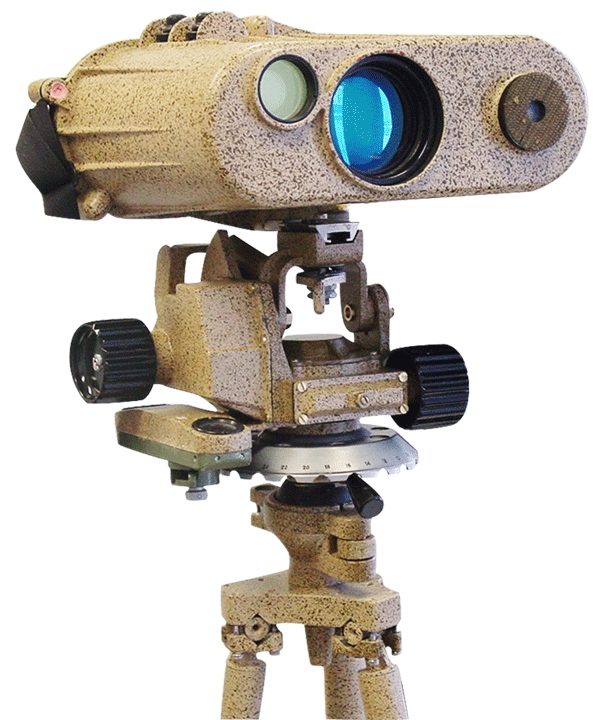
This is a glassing hunt. You climb in the dark, sit behind a tripod-mounted binocular at first light, and pick apart shadowed pockets for hours until you find a deer. Then you plan a stalk that may take the rest of the day.
Mule deer populations have declined across much of the West since the 1960s due to habitat loss and winter mortality, which is why tags are increasingly limited. Expect to apply, expect to wait, and expect the best units to cost points.
01
The West splits into over-the-counter opportunity states, point-driven trophy states, and desert units that produce giants on decade-long waits.
| Place | Why it's worth your time | How you get a tag |
|---|---|---|
| Colorado | Highest mule deer population in the country; excellent public land | 100% limited draw — nonresidents need 1–5+ preference points for most units |
| Idaho | General over-the-counter deer tags in much of the state | OTC nonresident tags sold in a first-come rush each December |
| Wyoming | Great mix of high-country and desert deer; strong public access | Pure preference-point draw; region general tags in ~4 points |
| Montana | Big country, general-season deer with a combination license | Nonresident combination license drawn randomly each spring |
| Utah & Nevada | The best trophy potential in the West on desert and high-desert units | Bonus-point systems; premium units realistically 10–20 years |
| Arizona | Strong desert mule deer and an early archery over-the-counter season | Rifle by draw (February deadline); archery OTC in some units |
02
Mule deer are killed by hunters who out-glass everyone else, then execute a patient, wind-smart stalk — not by hunters who cover the most ground on foot.
03
Mule deer country lets you read sign at distance and confirm it up close. Sagebrush flats, quakie pockets, and alpine basins all hold different sign, and the tracks tell you which one the deer is using right now.
3–3.5 in.
Larger and blockier than a whitetail's with a squarer toe. Mule deer stot rather than run, so a spooked deer leaves distinctive four-hoof clusters spaced 10–15 feet apart in the dust.
Large pellets
Bigger and more barrel-shaped than whitetail pellets, dropped in tight piles on bedding benches. In dry country they cure hard and grey within two days, which makes aging sign easy.
Aspen & mahogany
Black scarring on aspen trunks and stripped mountain mahogany. Old aspen rub scars persist for years — a stand of scarred quakies means bucks have used that bench for a decade.
Shaded benches
Deep, scraped-out ovals on shaded north slopes, under rimrock, or on a bench with thermals rising from below. Mature bucks bed where they can see downhill and smell uphill.
Desert units
In arid units, look for hoof-churned mud at seeps and guzzlers. A single spring can hold every buck in the basin during an early-season hunt.
04
Western states allocate tags by draw. Learning the difference between preference points and bonus points is the single highest-value hour you can spend as a western hunter.
05
A mule deer hunt starts in the dark with a headlamp and a climb. You want to be on a glassing knob overlooking a basin before the sun touches the far slope, because deer move in the first and last forty minutes of light and then bed for eight hours.
You will glass for hours. The skill is systematic: grid the slope in overlapping passes, look for horizontal lines and moving ears rather than whole deer, and re-glass the same pocket at midday when a bedded buck stands to reposition in the shade.
The stalk is where hunts are won and lost. You have the wind and the terrain to manage, often a mile of it, and you may lose sight of the animal for an hour. Mark the spot with a landmark you can identify from a different angle before you drop off the ridge.
Shots are longer than whitetail hunting — 200 to 400 yards is normal — which means a rifle you have verified at distance, a rangefinder, and a stable field position built off a pack or bipod. Know your maximum honest range and refuse anything past it.
Physically, this is the hardest way to hunt deer. High-country hunts run 9,000–11,000 feet with 2,000-foot daily climbs, and the pack-out is on your back. Train for it months in advance.
06
Not a shopping list — the six or so items that change whether you fill the tag and whether the meat gets home in good condition.
The most important item
Tripod-mounted glass finds three times as many deer as handheld. If you buy one expensive item for a western hunt, buy this before you upgrade the rifle.
Judging
A 20–60x spotter lets you judge antlers and age at a mile, so you don't burn a day stalking a deer you wouldn't shoot.
6.5 Creedmoor to .300 Win Mag
Any accurate rifle with a quality bullet, a dialing turret or reticle you understand, and confirmed drops at 300 and 400 yards.
Mandatory
Open country destroys range estimation. An angle-compensating rangefinder also corrects for the steep uphill and downhill shots common in mountain terrain.
4,000–5,500 ci
A frame pack that carries 70+ pounds comfortably. A boned-out mule deer is two heavy loads or one brutal one.
Attrition
Broken-in mountain boots and a filter — much of the desert West has no surface water at all, so you may be packing 6+ liters a day.
07
Most mule deer die a long way from a road, on a slope, in warm early-season weather. Plan the pack before you pull the trigger.
08
The gutless method is the standard for mule deer because you are usually quartering on a slope with no place to hang anything.
09
Mule deer yields 50–90 pounds of boneless meat. In warm September conditions, use the gutless method, get the quarters into breathable game bags, and hang them in shade with airflow immediately.
High-country bucks feeding on forbs and browse are excellent eating. Rutting bucks taken in November can be strong-flavored — trim aggressively and grind the shoulders.
Seasons, fees, and draw rules change every year. These are the agencies and organizations that publish the current numbers — always confirm with them before you apply or hunt.
Habitat conservation, migration corridor research, and state herd status.
Draw application, leftover list, and published historical odds.
The clearest explanation of a pure preference-point system.
Locate BLM and state trust land open to public hunting.
Questions
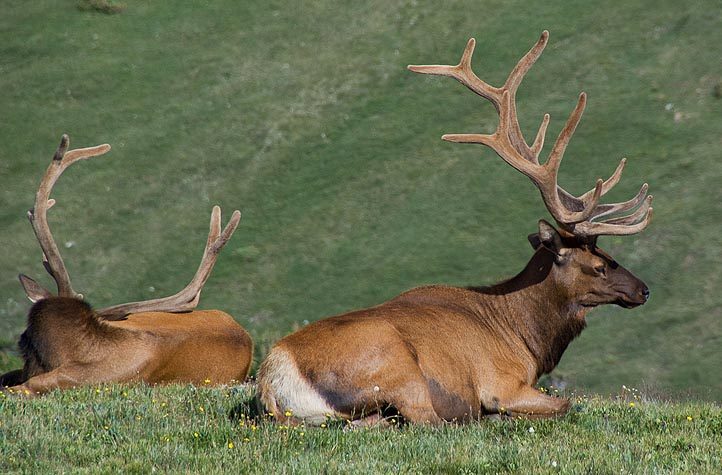
Where every hunting guide on The Wild10 starts.
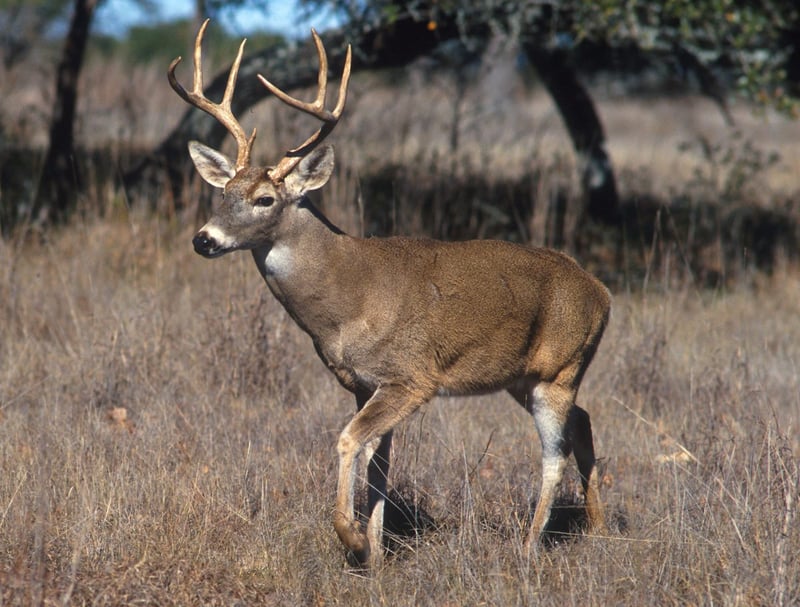
Big game, small game, upland birds, and waterfowl — habitat and season.
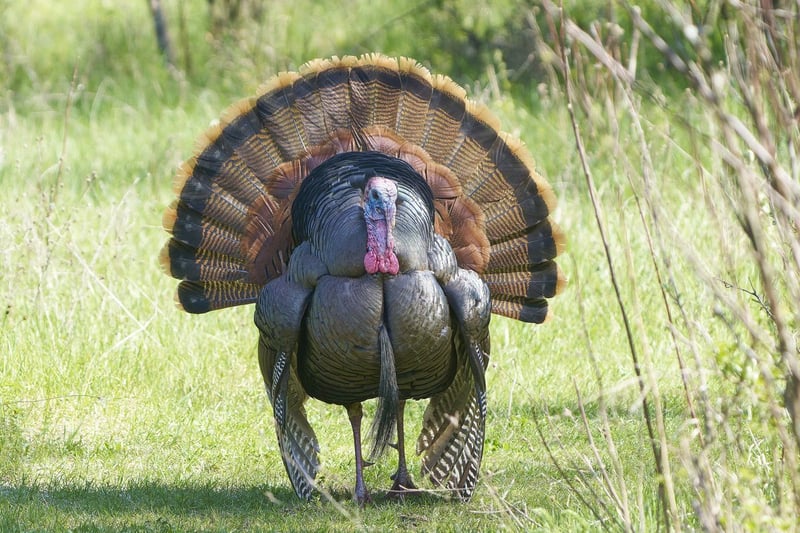
Turkey, pheasant, grouse, quail, ducks, geese, rabbits, squirrels and predators.
All 50 states — seasons, tags, laws, public land and tactics.
Calling, shotguns, bows, camo, blinds, scouting, and spring vs fall.
Search every species and filter by tracks, droppings and sign, harvest, or skinning.
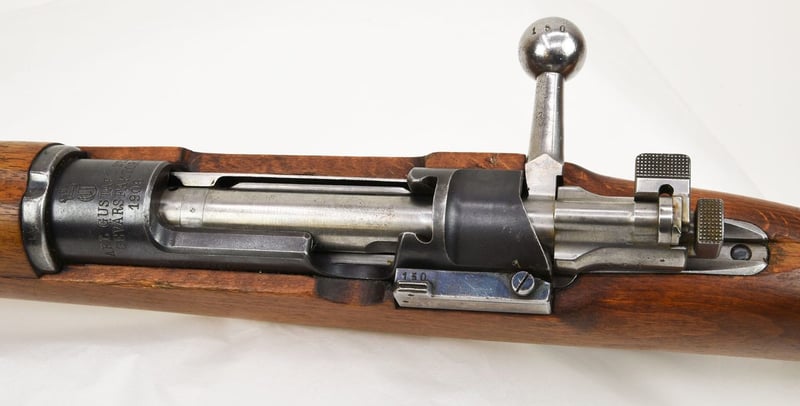
Cartridges, zero, field positions, wind, and shot placement.
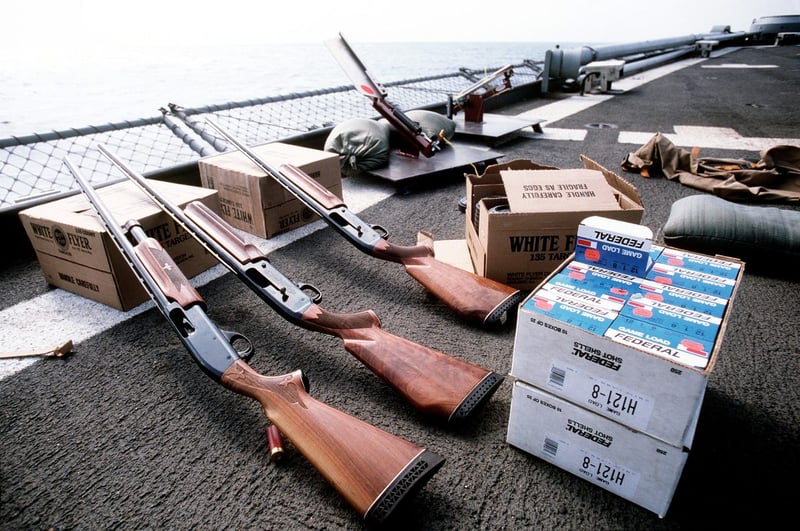
Gauges, chokes, shot size, and lead for birds and slug country.
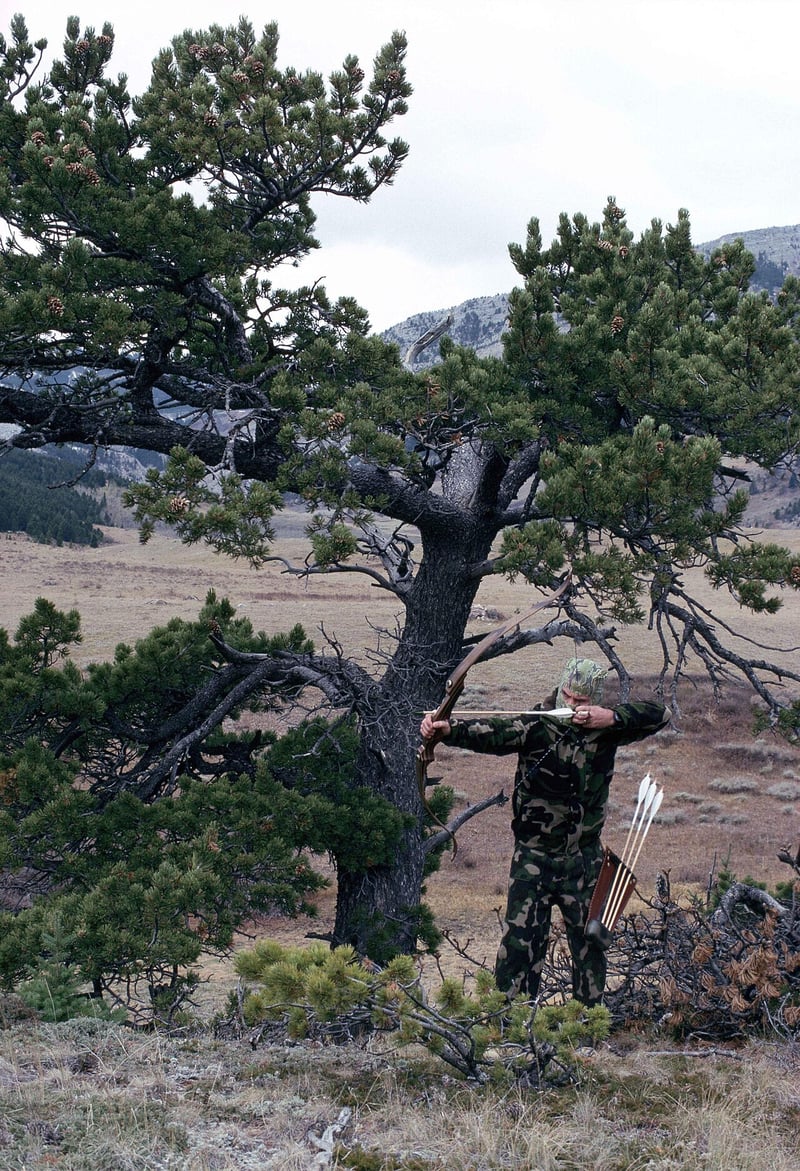
Instinctive shooting, draw weight, arrow spine, and close-range craft.
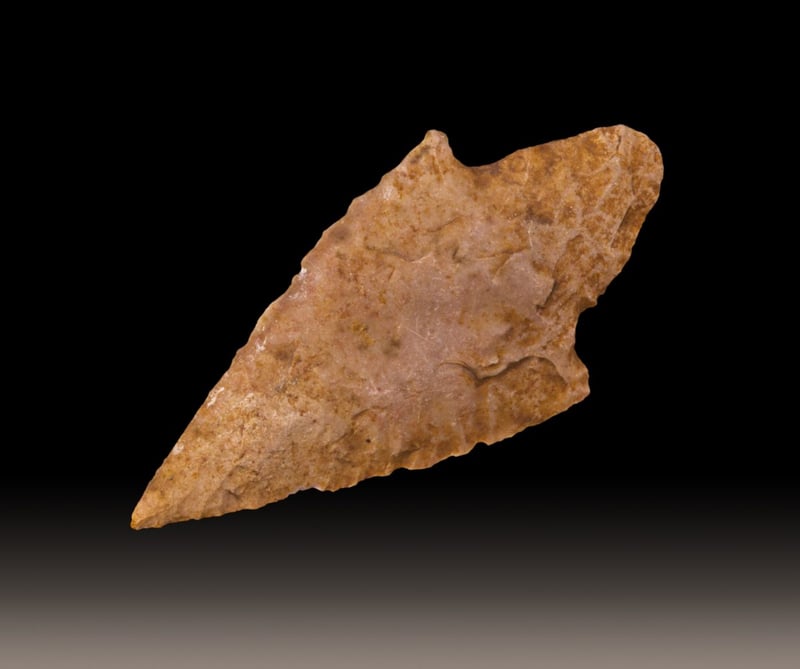
Eleven recurve and longbow guides: form, aiming, spine, tuning, and building tackle.
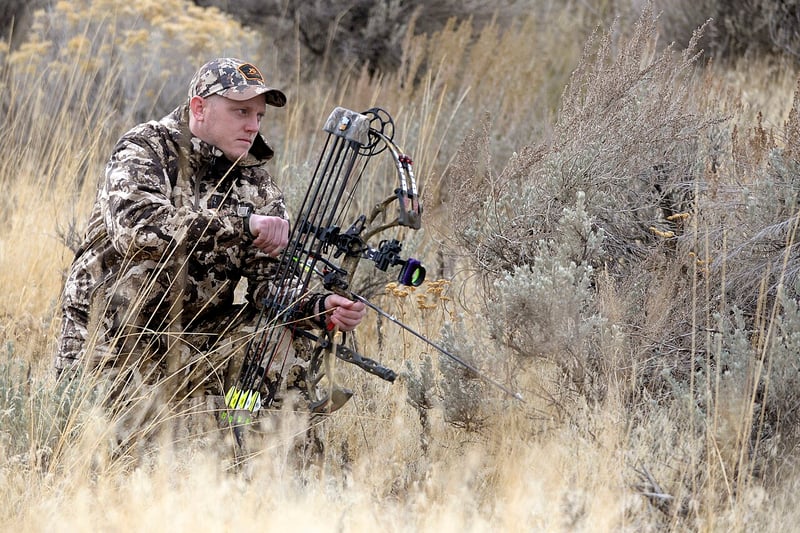
Draw length, sight and rest setup, broadhead tuning, and shot process.
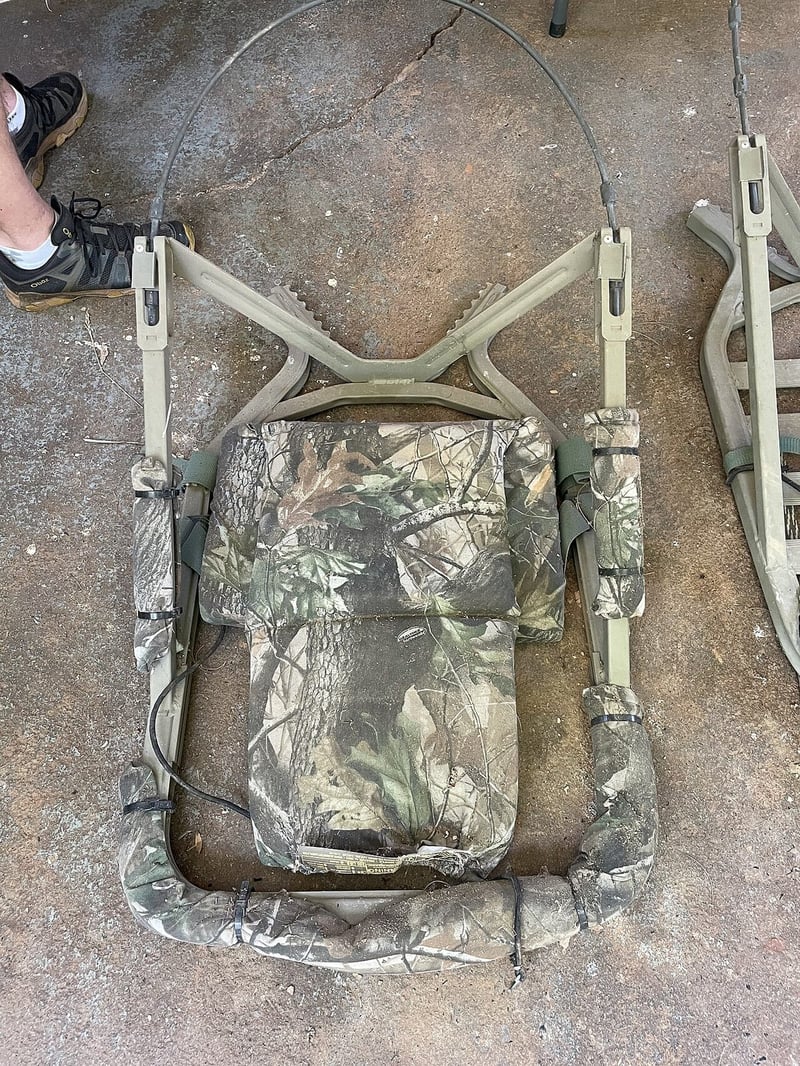
Wind discipline, stand placement, blood trailing, and meat care.
Keep going
Search every game profile by tracks, sign, harvest, and skinning guides.
Read →Cartridge choice, field positions, wind calls, and where the vitals actually sit.
Read →Draw length, sights and rest, broadhead tuning, and a repeatable shot sequence.
Read →Wind discipline, stand and stalk selection, blood trailing, and getting meat out cold.
Read →Build a western DIY hunt: travel days, camp location, water plan, and glassing schedule.
Read →Top 10 lists
Ranked picks with real product photos, specs, and editor notes — the buying side of everything covered in these guides.
Bolt guns from budget workhorses to mountain rifles.
See the ranking →Rifled slug guns for shotgun-only whitetail country.
See the ranking →Spine, FOC, and broadhead pairings that fly true.
See the ranking →Quiet, wind-blocking shells for spring and early season.
See the ranking →Softshell and brush pants that move quiet and shed weather.
See the ranking →Insulated and shell layers ranked by warmth-to-noise.
See the ranking →Also on The Wild10
Fish identification, the knots that hold, lure selection by conditions, and the habits that fill a stringer.
Open the fishing hub →