Pocket water
Freestone streams
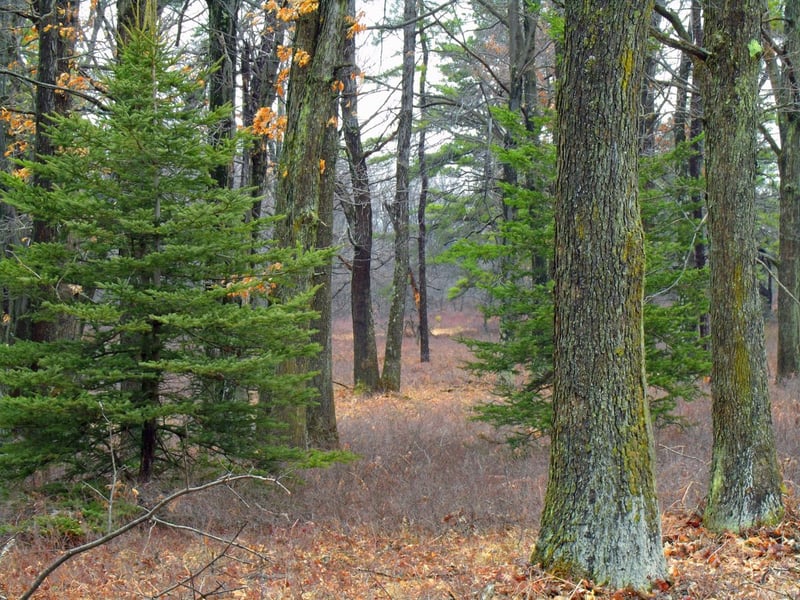
Small soft spots behind boulders in a fast run; each one holds one or two fish.
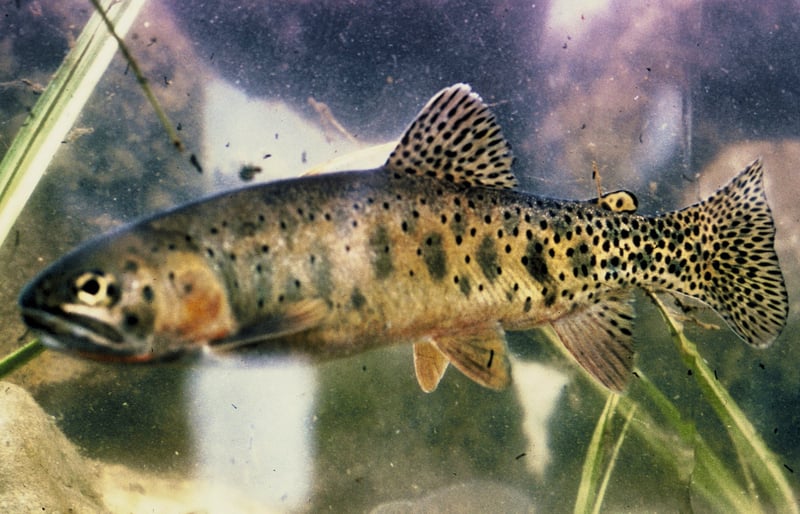
Fishing · Species · Cutthroat Trout
The native trout of the American West — willing on a dry fly, gorgeous in the hand, and almost always found in the prettiest water on the map.
Cutthroat are the West's native trout, and there are more than a dozen recognized subspecies — Yellowstone, westslope, Lahontan, Rio Grande, Bonneville, Snake River fine-spotted, coastal, greenback, and more. Each one is tied to a specific drainage, and chasing them one at a time is a genuine lifetime pursuit.
What unites them is temperament. Cutthroat are the most opportunistic surface feeders among North American trout. In small headwater streams they will eat a size 14 attractor dry with almost no hesitation, which makes them the best fish in the country for learning to fly fish.
They are also the most vulnerable. Hybridization with introduced rainbows and competition from brown and brook trout have pushed many subspecies into short headwater reaches above natural barriers. Catch and release is not a preference here; on most native water it is the point.
01
Cutthroat live where the water is cold and the road ends. These are the drainages where healthy native populations are still accessible to a walking angler.
| Water & region | Why it's worth your time | Access & license |
|---|---|---|
| Yellowstone River, Wyoming/Montana | Yellowstone cutthroat on classic dry-fly water | State license; park waters need a separate park permit |
| Bob Marshall & Flathead drainage, Montana | Strong native westslope populations above barriers | Montana license; some forks are catch-and-release only |
| Pyramid Lake, Nevada | Lahontan cutthroat that exceed 15 pounds | Tribal permit from Pyramid Lake Paiute Tribe, not a state license |
| Rio Grande headwaters, Colorado/New Mexico | Rio Grande cutthroat in small, high, wild creeks | State license; several streams are artificial-lure only |
| Olympic Peninsula, Washington | Sea-run coastal cutthroat in tidewater and lower rivers | WA license plus a Catch Record Card for some waters |
02
Small-stream cutthroat fishing is walking, reading water, and short accurate casts. Distance is nearly irrelevant.
03
Cutthroat hold in the softest water that still delivers food, and they are the least selective and most willing of the trout family.
Freestone streams
Small soft spots behind boulders in a fast run; each one holds one or two fish.
Feeding
Cutthroat sit in the slick before the drop and rise slowly, often refusing anything dragging.
Slow water
Deep undercut meadow bends in high country hold the biggest fish in a small drainage.
Stillwater
Lahontan and Yellowstone cutthroat cruise shoreline shelves and creek mouths.
04
These are the presentations that consistently produce cutthroat trout, with the conditions each one is actually for — not a tackle-shop wall.
Default
A #12–#14 Chubby Chernobyl, Stimulator, or Parachute Adams covers most cutthroat water all summer.
Search
A visible dry with a small beadhead 16–24 inches below covers two columns at once.
Ponds and high water
Olive or black, stripped slowly along drop-offs and undercut banks.
Spin gear
#1 gold or copper blade in freestone streams, cast upstream and retrieved at current speed.
Lakes
1/8 oz spoons cast and counted down along shoreline shelves for cruising fish.
05
Cutthroat are spring spawners of clean western water, and the runoff cycle drives their season more than the calendar.
| Season | Where the fish are | What works |
|---|---|---|
| Pre-runoff / early spring | Lower-elevation rivers and lake shorelines as ice leaves | Streamers, worms, and small spinners on clear water before the melt |
| Runoff (late spring) | Pushed to the edges and side channels by high, dirty water | Big streamers and worms tight to the banks; fish the soft edges |
| Summer (post-runoff) | Prime time — clear freestone rivers, high lakes, and cutthroat's famous dry-fly season | Attractor dries, hoppers, and small nymphs; sight-fishing rising fish |
| Fall | Feeding hard before winter; larger fish move to deeper pools; sea-run coastal cutthroat enter rivers | Streamers, October caddis, and for coastal fish small spoons and clousers in estuaries |
06
Insect activity dictates the day.
Best
Cutthroat in mountain water wait for the sun to warm things and the bugs to come off; 10 a.m. to 2 p.m. is often peak on high-country water.
Spinner falls and caddis; excellent dry-fly fishing on rivers and stillwater lakes.
For coastal cutthroat, the outgoing tide draining estuary flats is the window; fish the current lines and oyster bars.
07
Classic western trout rigs, sized to the water.
A size 10–12 hopper or Chubby Chernobyl with 20 in of 4X to a small nymph; the do-everything summer rig on cutthroat rivers.
Royal Wulff, Parachute Adams, or a purple haze on 9 ft 4X; cutthroat rise slowly and deliberately — wait to set.
Sink-tip or split shot with a small sculpin or bugger pattern, swung through pools for larger fish.
#1 gold or brass inline spinner on 4–6 lb line, cast up and across in freestone rivers.
6 wt with an intermediate line and a chartreuse/white clouser, or a 1/4 oz spoon on spinning gear, worked along estuary drop-offs.
08
Many cutthroat waters are artificial-only; check first.
Drifted during and after runoff when the water is off-color.
Live hoppers on grassy meadow streams in August; the classic Yellowstone-country bait.
In waters where bait is legal, especially in spring.
09
Cutthroat are the most forgiving trout to catch and the least forgiving to a sloppy approach.
10
Licensing is straightforward, but cutthroat water carries more special regulations than any other trout fishery in the country.
11
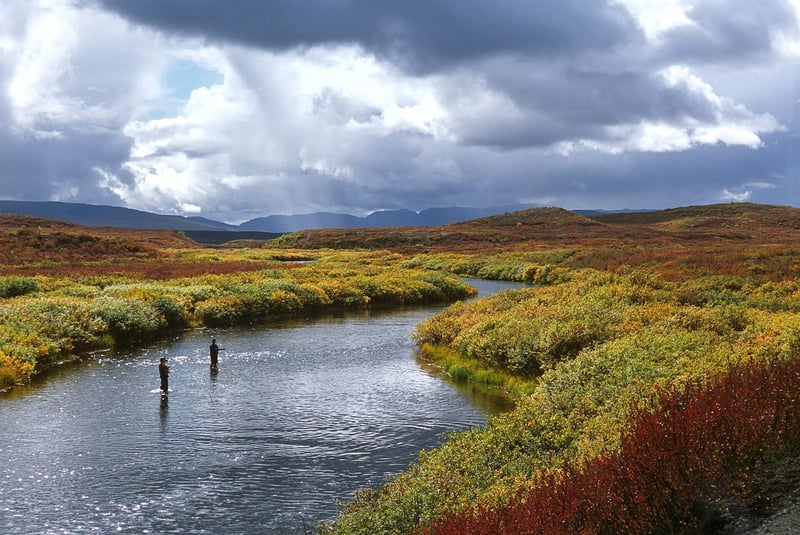
Cutthroat water is usually the best scenery in the drainage. Plan the day around the walk as much as the fishing.
The rise is slow and confident, and beginners consistently pull the fly away. Count one full second before lifting.
Altitude and weather matter more than fly selection up high. Afternoon thunderstorms build fast above 9,000 feet.
12
The rod, line, and terminal choices that actually change your hookup rate — with the numbers, not vague categories.
Core rod
Short enough for brushy creeks, enough line control for a clean drift.
All the delicacy small-stream cutthroat require.
First fly
Royal Wulff, Stimulator, and Parachute Adams cover the season.
The dropper that saves a slow afternoon.
Protects the slime coat on fish that must go back.
You will walk more miles than you wade.
13
What happens between the hookset and the cooler decides whether you land the fish and whether it is worth eating.
14
Cleaning a cutthroat trout the right way takes about four minutes once you know the sequence.
15
Cutthroat are excellent eating — delicate, sweet, and perfect over a fire — but most of the water worth fishing holds native populations that should not be harvested.
Where harvest is legal and encouraged, it is usually on stocked or hybridized fish; read the regulation page before keeping anything.
If you release, keep the fish in the water, use barbless hooks, and skip the long photograph. Headwater fish have no margin.
Size limits, creel limits, and seasons are set water by water and change every year. These agencies publish the current rules.
Native fish conservation status, closures, and regulations.
Permits, seasons, and rules for Lahontan cutthroat.
Subspecies range maps and restoration project reporting.
Questions
Where every fishing guide on The Wild10 starts.
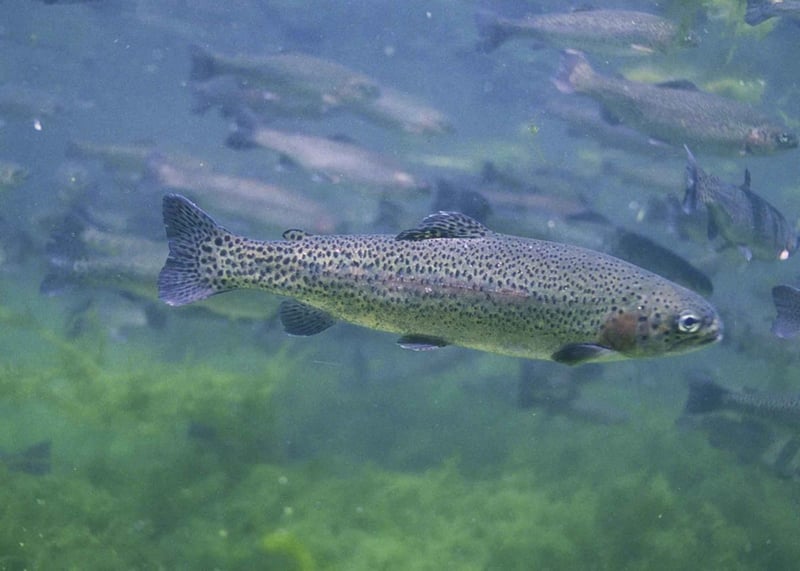
Body shape, fins, mouth, and markings for 30+ North American gamefish.
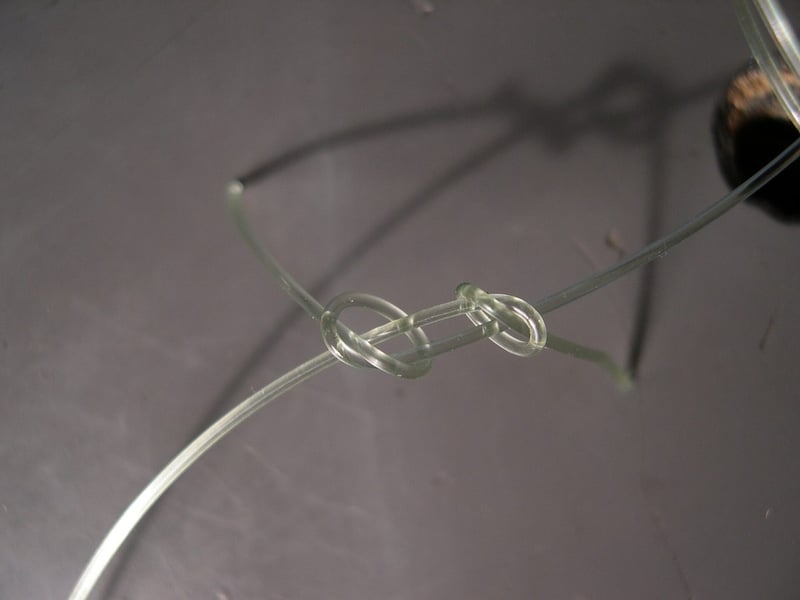
Twelve knots covering every hook, leader, and loop connection you need.
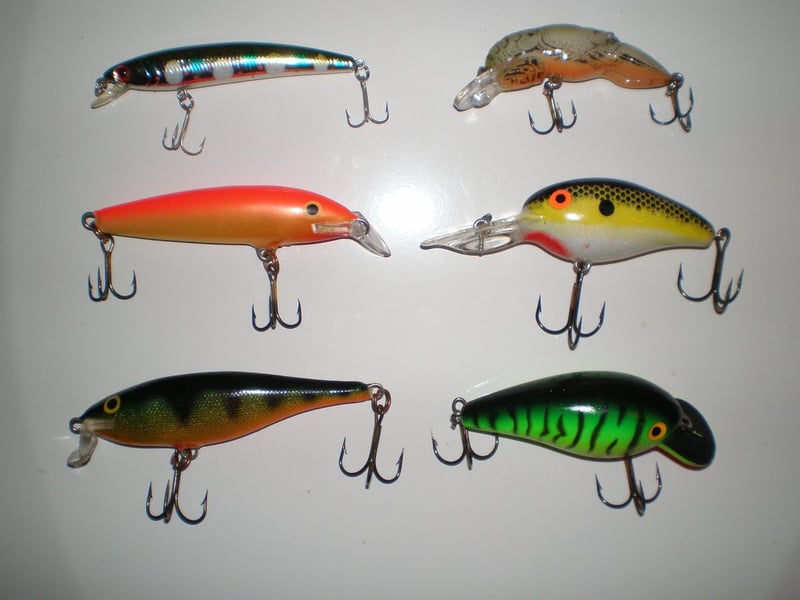
Matching lure category to temperature, clarity, depth, and season.
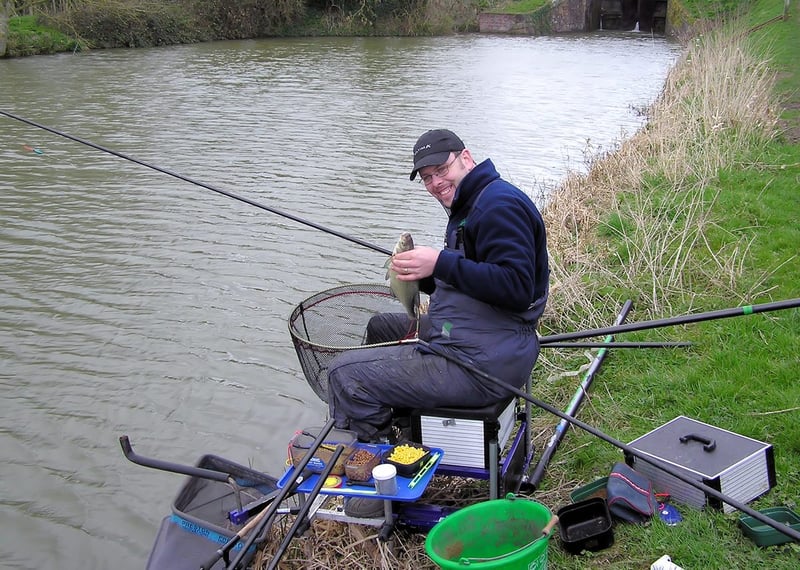
Reading water, timing the bite, and fixing a slow day on the spot.
Keep going
Tell lookalike species apart by fins, mouth, and markings.
Read →Match lure category to depth, clarity, and water temperature.
Read →The connections that keep big fish attached.
Read →Reading water and fixing a slow day on the spot.
Read →Top 10 lists
Ranked picks with real product photos, specs, and editor notes — the buying side of everything covered in these guides.
Bass, walleye, trout, and panfish rods ranked on feel.
See the ranking →Jig, crank, and heavy-cover rods by blank and taper.
See the ranking →Drag smoothness, line management, and long-haul gears.
See the ranking →Brake systems, backlash control, and drag under load.
See the ranking →Also on The Wild10
Same field-tested approach, applied to game species, rifles, shotguns, and bows — from scouting through meat care.
Open the hunting hub →