



- Region
- Alberta / British Columbia, Canada
- Best season
- Spring, Summer
- Permits
- Confirm current entry requirements, activi…
- Managed by
- Parks Canada
Plan with verified data
Banff & Yoho National Parks trip tools
Tools for a trip here
Picked for how, when and where you're going. Free, no signup.
Photos of Banff & Yoho National Parks
How to get there
Banff National Park lies 110–180 kilometres west of Calgary in Alberta’s Rocky Mountains. The town of Banff is the park’s main commercial centre, in the Bow River valley. Yoho borders Banff to the west in British Columbia; confirm the specific access for the part of Yoho being visited before travel.
- Calgary
An eastern geographic starting point for planning travel to Banff, which lies 110–180 kilometres to the west. Arrange onward travel to the intended park destination.
- Town of Banff
Banff National Park’s main commercial centre in the Bow River valley. Use it as a base for organizing supplies and confirming access to individual outings, rather than as a trailhead for every objective.
Sources: Wikipedia · Wikivoyage. Confirm road and trailhead conditions with the managing agency before you leave.
Alberta / British Columbia, Canada · Season: Best: Jul – mid Sep
- Climbing
- Mountaineering
- Winter Camping
- Skiing
- Hiking
- Backpacking
- Wildlife Viewing
- Canoeing
The country
Banff is Canada's oldest national park; Yoho holds the Rockwall and the Iceline. Together they cover the busiest slice of the Canadian Rockies, with the best hut-and-permit infrastructure in Canada.
Why enthusiasts come
The Rockwall Trail (Kootenay), the Skoki loop, and the Sentinel Pass area give multi-day and day-trip access to iconic lake and glacier scenery.
Planner-relevant notes
Permits reserve on release; backcountry sites are quota-controlled. Parks Canada bear-hang cables at established sites; use them.
Top experiences
The Skyline Trail in adjacent Jasper is the region's best backpack. Lake O'Hara (day-quota bus into Yoho) is the alpine crown jewel. Ice climbing at the Weeping Wall in winter. The Rockwall Trail in Kootenay is the region's finest 4-day loop.
Planning essentials
Lake O'Hara bus reservations open 3 months out — recognized as the hardest permit in the Rockies. Parks Canada backcountry permits with online booking. Bear-can required on most routes.
Field notes
- Moraine Lake road is shuttle-only in summer — plan bus timing.
- Larch valley hikers travel in groups of four minimum during high bear season.
- The Iceline can hold snow into late July even in dry years.
- Moraine Lake road is now shuttle-only in summer — no private vehicles.
- Rockwall Trail is snow-free by early July most years.
Where on earth
Satellite imagery flying in from a world view to Banff & Yoho National Parks, Alberta / British Columbia, Canada. Use the + / − buttons, or click the map to zoom with your scroll wheel; drag to pan and pinch to zoom on touch.
Coordinates
- Decimal degrees
- 51.4000, -116.2000
- Latitude (DMS)
- 51° 23′ 60.0″ N
- Longitude (DMS)
- 116° 12′ 0.0″ W
Coordinates are an access-point reference for Banff & Yoho National Parks, not a route. Carry a paper map and confirm trailhead or put-in access with the managing agency before you go.
Topic summary
The Canadian Rockies' postcard core — turquoise lakes, glaciated peaks, and iconic multi-day traverses.
Key takeaways
- Region: Alberta / British Columbia, Canada
- Best season: Best: Jul – mid Sep
- Coordinates: 51.400, -116.200
Climate suitability
Best: Jul – mid Sep
Keep planning
Popular pursuits at Banff & Yoho National Parks
- Climbing
Rock and alpine lines with approach beta.
- Mountaineering
Glacier and high-route objectives with real consequence.
- Winter Camping
Cold-season travel and camp craft; layering matters more than mileage.
- Skiing
Ski-touring access when the road closes for the season.
- Hiking
Day miles on marked trail, with route notes and trail links below.
- Backpacking
Multi-day travel with everything on your back — see the packing blocks below.
Animals around Banff & Yoho National Parks
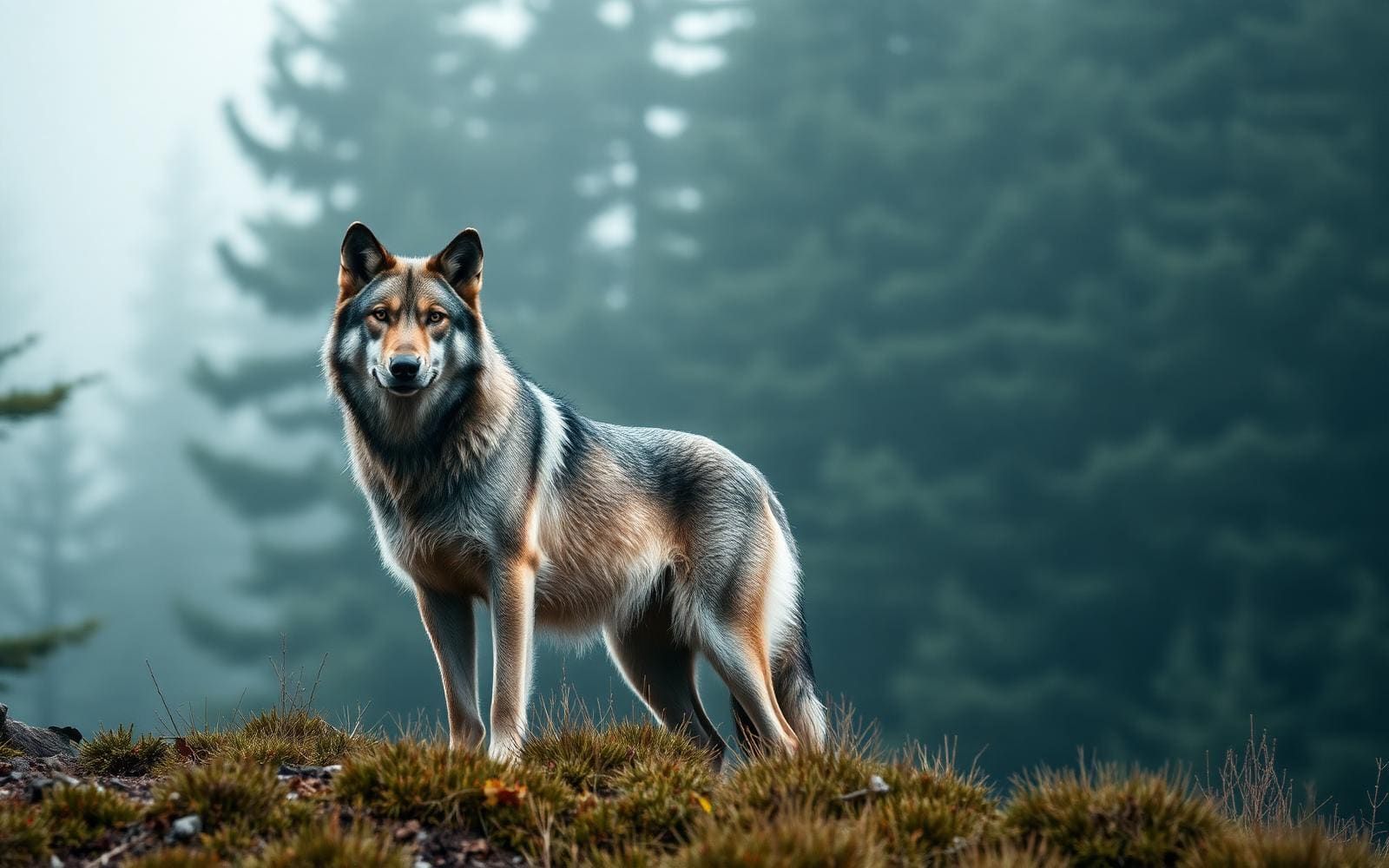 Wildlife guideTimber wolfCanis lupus
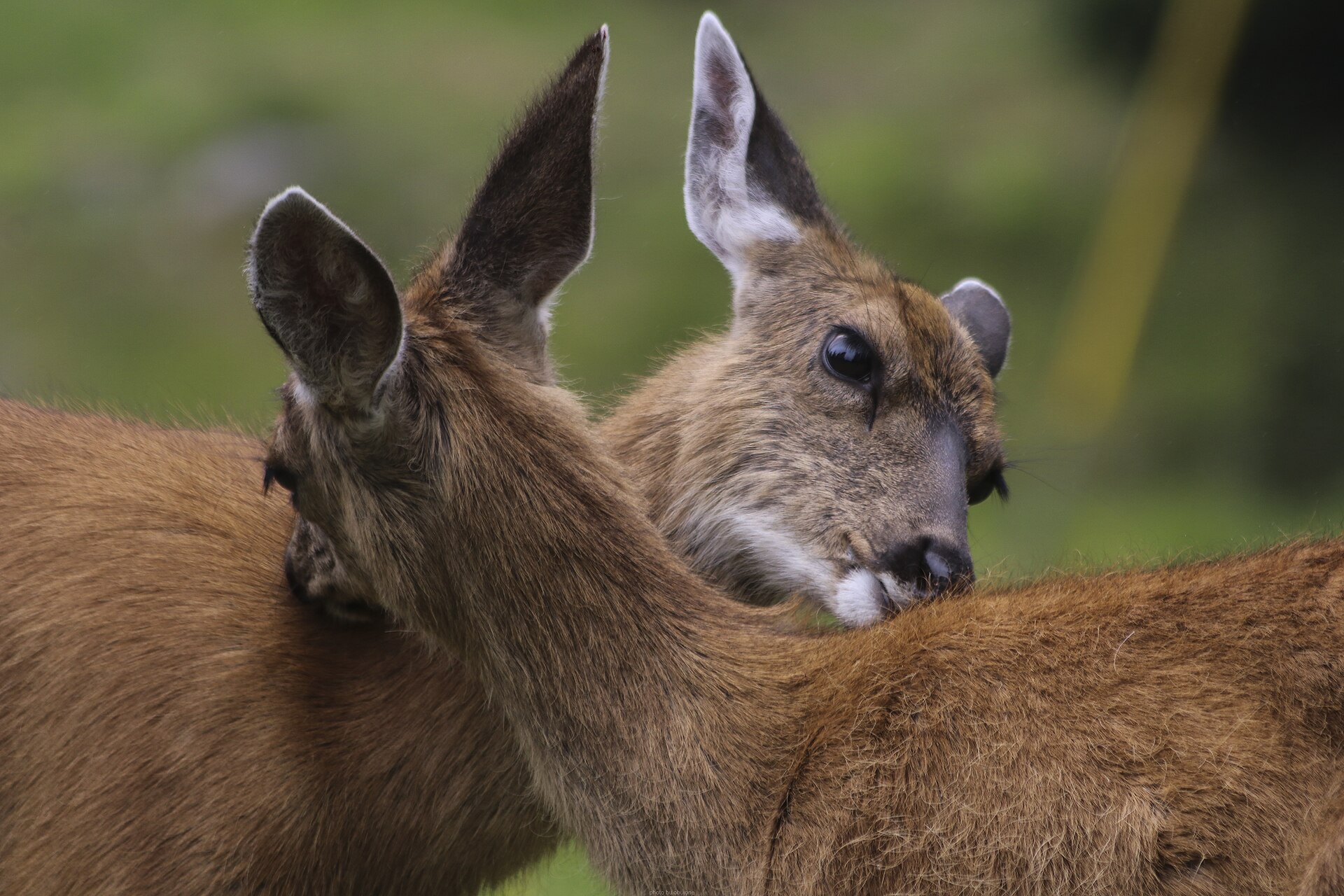 Big gameBlacktail DeerOdocoileus hemionus columbianus
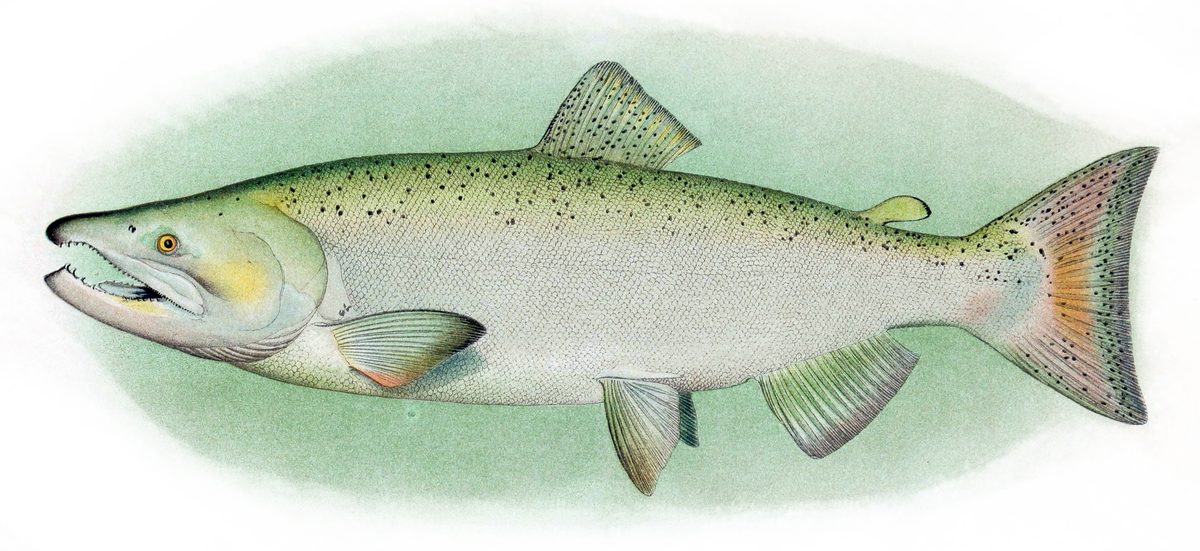 GamefishPacific SalmonOncorhynchus spp.
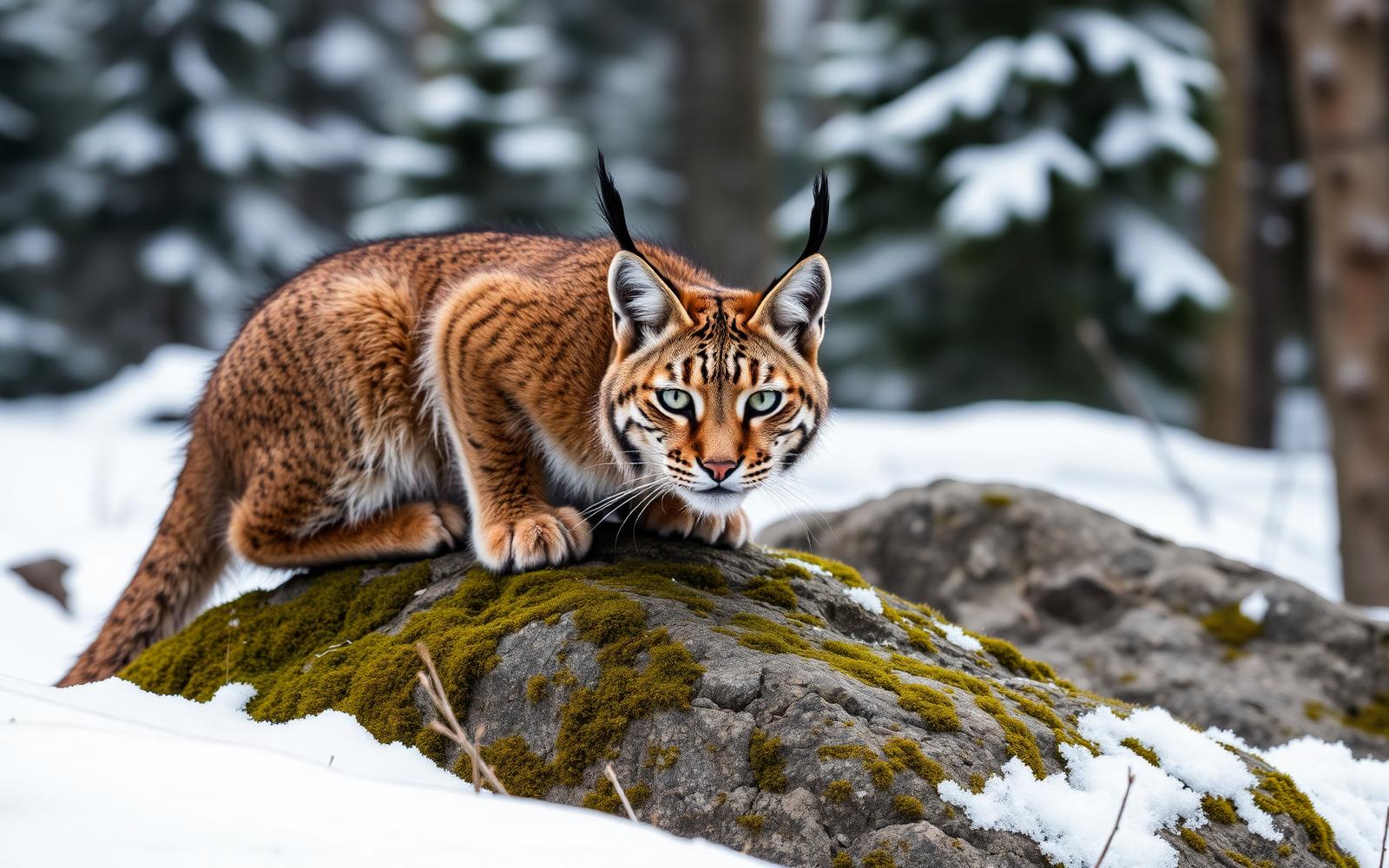 Wildlife guideCanada lynxLynx canadensis
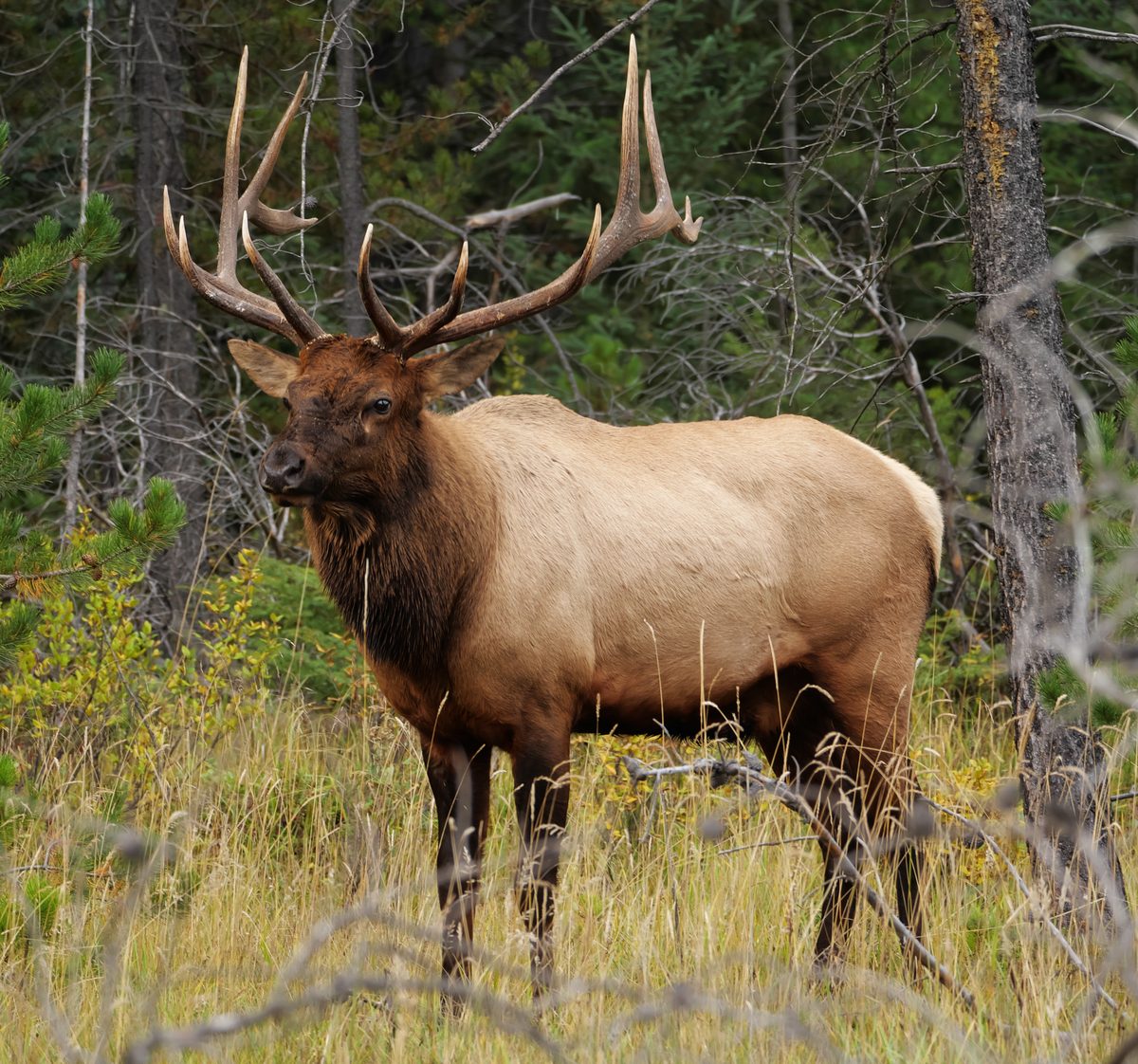 Big gameElkCervus canadensis
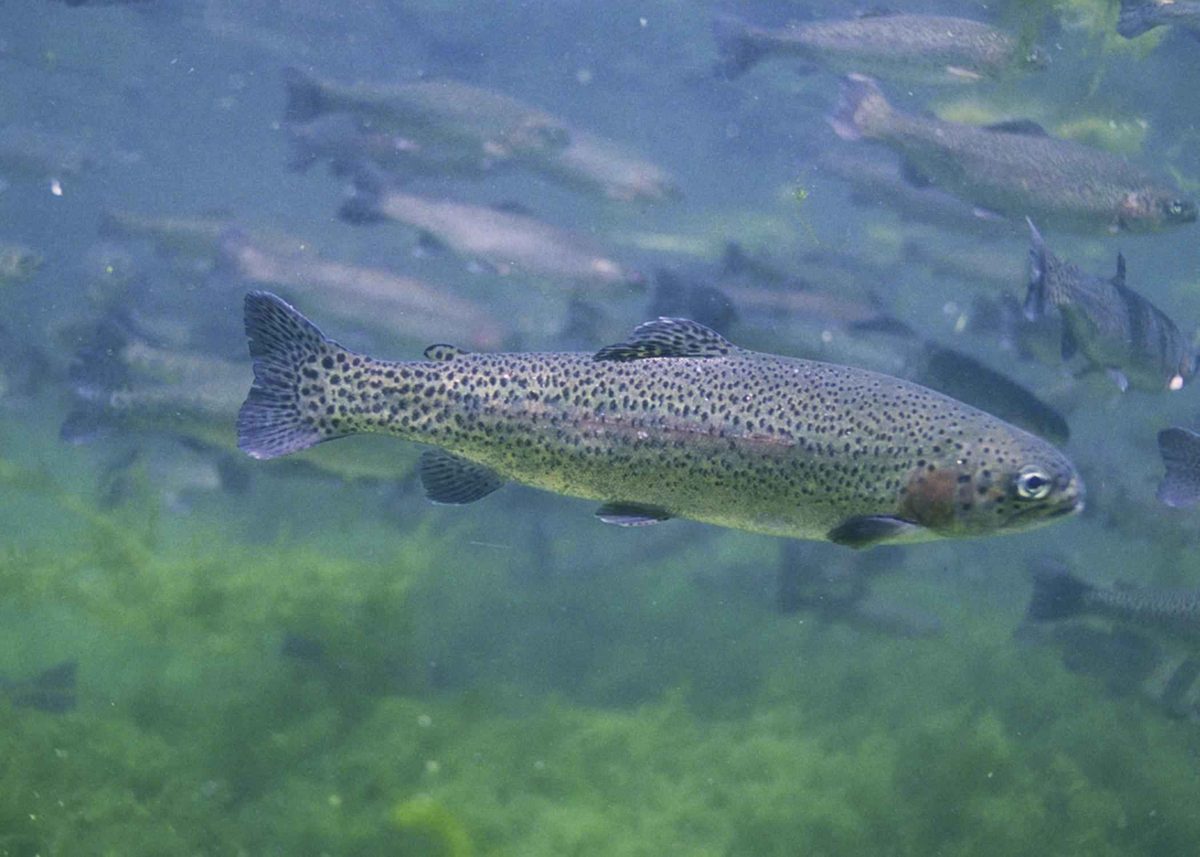 GamefishRainbow TroutOncorhynchus mykiss
 Wildlife guideBlack bearUrsus americanus
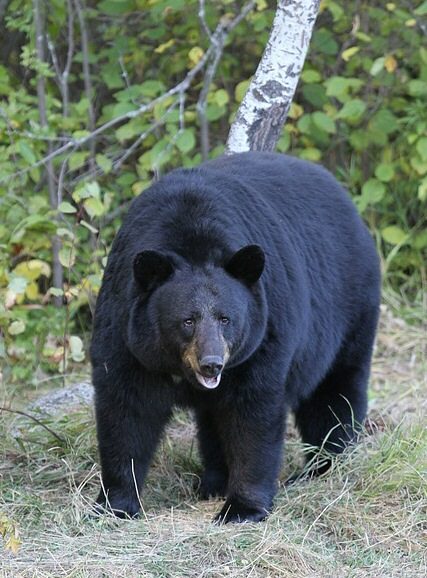 Big gameBlack BearUrsus americanus
Two parks across the provincial boundary
Banff and Yoho sit on opposite sides of the Alberta–British Columbia boundary in the Canadian Rockies. Banff lies in Alberta, with Yoho bordering it to the west in British Columbia. Banff alone covers 6,641 square kilometres of mountains, coniferous forest, glaciers and alpine terrain. The town of Banff, in the Bow River valley, is its main commercial centre and a practical starting point for organizing a visit. Treat this as a mountain region rather than a single trail destination: a valley-based outing and a day above treeline demand different preparation. For a trip spanning both parks, establish the actual access and walking plan for each outing before setting off; proximity across a park boundary does not establish a usable connection.
Terrain, elevation and mountain conditions
Banff’s landscape changes markedly with elevation. Its three ecoregions—montane, subalpine and alpine—run from lower forested terrain to exposed rock and ice. Lodgepole pine dominates lower forests, while Engelmann spruce grows higher up below treeline. The mountains consist of sedimentary rock pushed over younger strata, then shaped by water and repeated glaciation. Remaining glaciers occupy mountain slopes, and the Columbia Icefield is the largest uninterrupted glacial mass in the Rockies. These contrasts matter when choosing an outing: forest cover does not describe the conditions higher on a mountain. Banff has a subarctic climate, so carry clothing suited to cold and changing weather. Do not treat glacier terrain as an extension of ordinary walking; choose objectives that match the party’s skills and equipment.
Wildlife, history and responsible travel
Banff became Canada’s first national park in 1885, but its human history reaches much further back. Stoney Nakoda and other Indigenous people lived in the area and maintained subsistence uses, including hunting, before the park’s establishment. Railway construction and hotels later helped shape its visitor economy. Today, heavy visitation places pressure on ecological integrity, making careful travel important even around developed areas. Banff supports grizzly bears, cougars, wolverines, elk, bighorn sheep and moose, as well as hundreds of bird species. Give animals space, keep food secure and avoid approaching wildlife for photographs. Use the town’s services to prepare rather than assuming developed surroundings remove mountain risks. Confirm current access arrangements and any permit requirements with the managing agency before committing to an itinerary.
Route options
- Bow River valley outing
A valley-based planning option centred on the town of Banff. Select a specific established route before departure; this describes an outing area, not a mapped trail or confirmed connection.
- Banff alpine outing
An option for exploring Banff’s higher-elevation landscape, where forest gives way to rock and ice. Choose a verified route suited to the party’s experience, and distinguish ordinary walking objectives from terrain involving glaciers.
Sample itineraries
- Banff and the Bow River Valley · 2 days
Base in the town of Banff. Spend the first day exploring the Bow River valley and the second on a mountain outing suited to current conditions and experience. Contrast lower-elevation coniferous forest with views toward the alpine; confirm route suitability locally.
- Banff with a Yoho Extension · 3 days
Spend two days based in Banff, focusing on the Bow River valley and mountain landscapes. Reserve the third day for neighboring Yoho National Park in British Columbia. Choose the Yoho outing after checking current access and conditions with Parks Canada rather than assuming a particular route is suitable.
Seasonal conditions
Spring
Spring thaw, varying with elevation
Banff's subarctic climate makes elevation important when planning outings. Do not assume valley conditions reflect the alpine. Prepare for cold and lingering snow or ice, and check conditions before committing to higher terrain.
Summer
Summer, with conditions changing by elevation
Plan for differences between forested valleys and exposed alpine terrain. Glaciers and ice fields remain mountain features, not ordinary walking surfaces. Carry warm layers even when starting in comfortable valley weather.
Fall
Fall cooling
Allow for colder outings and changing mountain conditions. Keep plans flexible, carry insulation, and choose lower-elevation alternatives when conditions make alpine travel unsuitable.
Winter
Winter
Treat Banff as a cold, subarctic mountain destination. Year-round accommodation does not establish year-round route suitability. Match outings to winter skills and equipment, and confirm current conditions before leaving developed areas.
| Season | Window | Conditions |
|---|---|---|
| Spring | Spring thaw, varying with elevation | Banff's subarctic climate makes elevation important when planning outings. Do not assume valley conditions reflect the alpine. Prepare for cold and lingering snow or ice, and check conditions before committing to higher terrain. |
| Summer | Summer, with conditions changing by elevation | Plan for differences between forested valleys and exposed alpine terrain. Glaciers and ice fields remain mountain features, not ordinary walking surfaces. Carry warm layers even when starting in comfortable valley weather. |
| Fall | Fall cooling | Allow for colder outings and changing mountain conditions. Keep plans flexible, carry insulation, and choose lower-elevation alternatives when conditions make alpine travel unsuitable. |
| Winter | Winter | Treat Banff as a cold, subarctic mountain destination. Year-round accommodation does not establish year-round route suitability. Match outings to winter skills and equipment, and confirm current conditions before leaving developed areas. |
Permits, fees & closures
Confirm current entry requirements, activity permits, booking requirements, and charges with Parks Canada for both parks.
Confirm current permits, fees, and closures with the managing agency before you go.
Hazards & regulations
- Cold exposure: Banff has a subarctic climate; carry insulation and adjust plans to conditions.
- Rock and ice above treeline require terrain-appropriate skills and equipment. Do not treat glaciers or ice fields as casual walking terrain.
- Wildlife encounters: grizzly bears, cougars, elk, and moose occur in Banff. Keep your distance and avoid approaching animals.
- Mountain terrain can make an outing more demanding than a valley start suggests. Choose objectives that match the group's ability.
What to pack for Banff & Yoho National Parks
- Insulating layers
- Weatherproof outer layer
- Warm hat and gloves
- Footwear suited to the planned terrain
- Navigation tools for the chosen outing
- Drinking water and food
- First-aid kit
- Emergency shelter
- Headlamp
- Food storage appropriate to the activity
- Current Parks Canada wildlife-safety guidance
Banff & Yoho National Parks FAQ
- Where are Banff and Yoho?
- Banff lies in Alberta's Rocky Mountains, west of Calgary. Yoho borders Banff to the west in British Columbia.
- Where is a practical base in Banff?
- The town of Banff, in the Bow River valley, is the park's main commercial centre. It provides a valley base for planning outings matched to mountain conditions.
- What terrain should visitors expect in Banff?
- Banff includes montane, subalpine, and alpine environments. Lower forests feature lodgepole pine; higher forests include Engelmann spruce. Above treeline, rock and ice dominate, with glaciers on mountain slopes.
- Does year-round accommodation mean mountain routes are always suitable?
- No. Banff has year-round accommodation, but its subarctic climate and alpine terrain require separate checks of route conditions and suitability.
- What should be checked before adding Yoho?
- Confirm the intended outing, access, conditions, and any entry or booking requirements with Parks Canada. Do not assume arrangements for Banff also cover a Yoho visit.
- Whose history is part of Banff?
- Stoney Nakoda and other Indigenous peoples lived in the area before the park was established, maintaining subsistence practices including hunting. Banff became Canada's first national park in 1885.