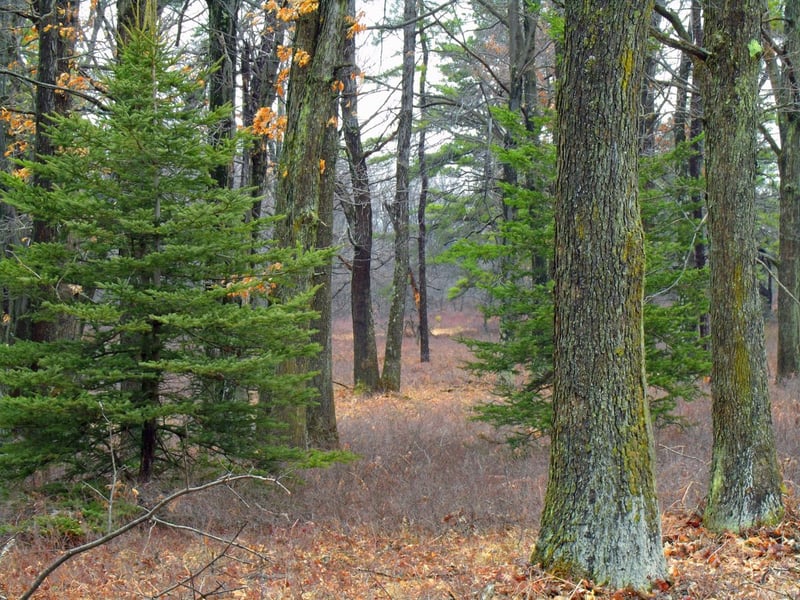
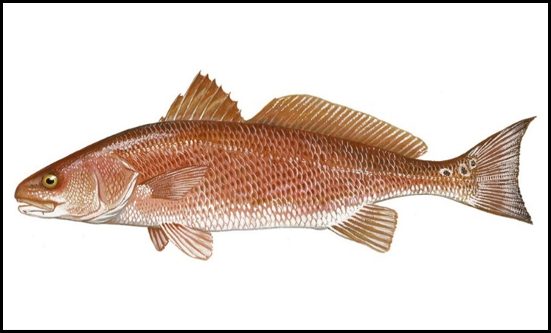
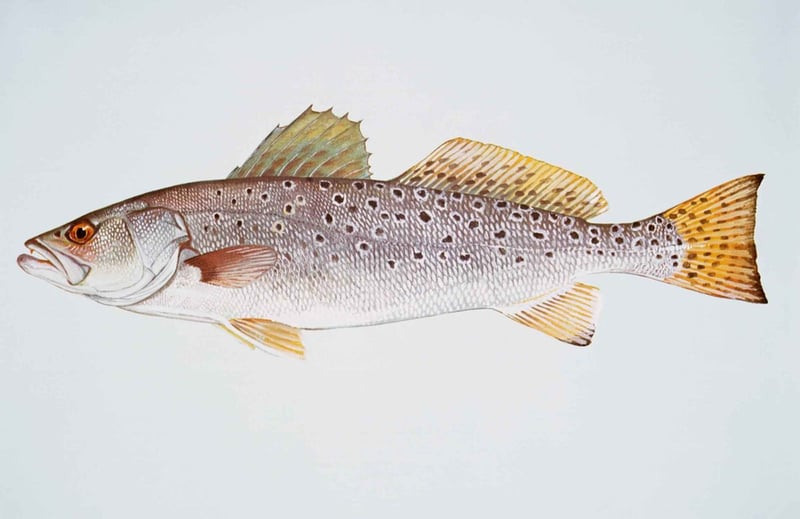
Saltwater structure and rips
Ocean
Kelp lines, banks, and tide rips where bait balls hold feeding kings and coho.
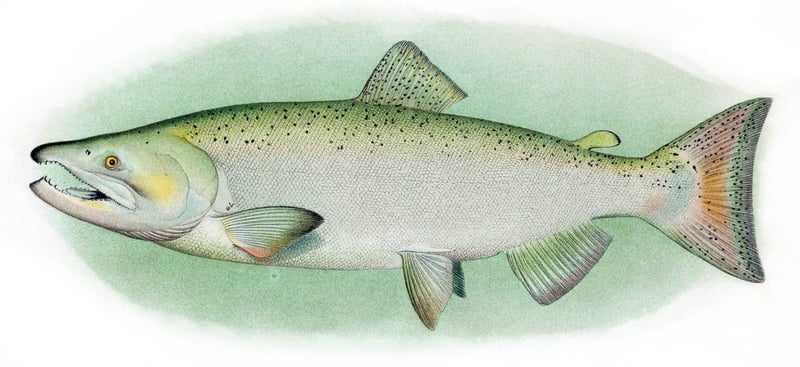
Fishing · Species · Pacific Salmon
Five species, one life cycle, and a run calendar that organizes the entire Pacific Northwest fishing year.
Salmon fishing runs on a calendar. Each species and each river system has a return window, and being on the water in that window matters far more than technique.
Chinook (king) are the largest and most prized, coho (silver) the most aggressive on a lure, sockeye (red) the best on the grill, pinks the most numerous, and chum the hardest fighting per pound in fresh water.
Fish are also fundamentally different in salt versus fresh water. Ocean and estuary fish are feeding and eat readily; upriver fish are not feeding and are triggered by aggression, territoriality, and the right drift.
01
The runs are the destination. These fisheries combine reliability with public access.
| Water & region | Why it's worth your time | Access & license |
|---|---|---|
| Kenai River, Alaska | Sockeye in July, silvers in August, world-famous | AK license plus king salmon stamp if targeting chinook |
| Bristol Bay, Alaska | The largest sockeye run on earth | AK license; lodge or DIY float access |
| Columbia River (OR/WA) | Spring, summer, and fall chinook plus coho | OR/WA license, Combined Angling Tag, endorsements |
| Puget Sound, Washington | Saltwater trolling and jigging for kings and coho | WA license plus catch record card |
| Lake Michigan tributaries | Transplanted chinook and coho runs each fall | State license plus Great Lakes salmon stamp |
02
Intercept the run where it concentrates, and present at the depth and speed the fish are traveling.
03
Salmon are moving toward a destination, so you are intercepting a migration rather than fishing a residence. Find the travel lane and the resting water.
Ocean
Kelp lines, banks, and tide rips where bait balls hold feeding kings and coho.
Staging
Fish stage and hold on the tide before running; the most consistent hookups of the season.
In-river
Deep, slow pools between rapids where salmon rest during the day.
Travel lanes
Fish move through the deepest slot; find the travel line and swing through it repeatedly.
Coho
Where a clear tributary meets a murky main stem, coho stack in the seam.
04
These are the presentations that consistently produce pacific salmon, with the conditions each one is actually for — not a tackle-shop wall.
Ocean
The standard Pacific troll: a flasher for attraction and a squid skirt or spoon behind it.
Kings
A bevel-cut herring rolling slowly behind a flasher is still the best chinook bait there is.
Rivers
Cast across and swung through the slot; the number one river salmon lure for coho and kings.
Estuary
Heavy spoons cast and counted down for staging fish in tidewater.
In-river
Cured roe or a bead drifted at the fish's depth is the highest-percentage in-river presentation.
Fly rod
Two-hand rod, sink tip, and a large profile swung slowly through a tailout.
05
Salmon fishing is run timing. Each species and river has its own window, and being there in the right two weeks is most of the battle.
| Season | Where the fish are | What works |
|---|---|---|
| Spring | Spring chinook entering the Columbia, Sacramento, and Northwest rivers; ocean chinook off the coast | Trolling herring and flashers, back-bouncing eggs, plunking in rivers |
| Summer | Ocean feeding grounds; sockeye runs into river systems; chinook staging off river mouths | Downrigger trolling with flasher and hoochie, mooching cut-plug herring, sockeye on bare hooks with a dodger |
| Fall (peak) | Coho and chinook pushing into rivers; pink runs on odd years; fish in every river mouth and estuary | Casting spinners and spoons, drifting eggs, twitching jigs for coho, back-trolling plugs |
| Late fall / winter | Chum and late coho in coastal rivers; spawned-out fish and the steelhead handoff | Chartreuse and pink flies and jigs for chum; egg patterns behind spawners |
06
Tide in the salt, light in the rivers.
Key
Salmon staging at a river mouth push in on the flood; fish the last hours of the incoming at the mouth and lower river.
Best
River fish bite hardest in the first two hours; the hole you fished at 6 a.m. is a different hole at 10.
Second window in rivers and a strong bite in the ocean before dark.
A freshet after rain pulls fish into the rivers in a wave; be on the water the day after the river bumps and starts dropping.
07
Salmon rigs vary by water, but a handful cover everything.
11 in flasher with a 28–42 in leader to a hoochie squid or a spoon, run on a downrigger 30–150 ft down; the ocean and Great Lakes trolling standard.
Angled cut on a whole herring so it rolls, two 4/0 hooks, 4–8 oz banana weight, drifted or slowly trolled; the classic Northwest chinook technique.
Corky or bead above a #1–2/0 hook with a cured spawn sac, pencil lead or slinky weight on a dropper, bounced along the bottom through river runs.
3/8–1/2 oz marabou jig cast into slow holes and twitched aggressively back — the modern coho killer in tidewater sloughs.
K-15 style diving plug held in the current behind an anchored or slowly dropping boat, wrapped with a sardine fillet.
08
Cured eggs and herring dominate.
#1 river
Sacs or clusters cured with borax and sulfite; the most effective river bait for chinook and coho.
Ocean
Brined for toughness; rolled behind a flasher or mooched.
Alone or as a sweetener behind eggs, especially for spring chinook.
Strapped to a back-trolled plug for scent.
09
Run timing, water conditions, and depth control.
10
Salmon are the most paperwork-heavy fishery in North America: licenses, stamps, tags, catch cards, and emergency in-season closures.
11
The best salmon days are crowded ones — combat fishing on the Kenai in July is a genuine cultural experience and a lot of fish.
Coho on a fly or a spinner in a small coastal stream is the opposite: quiet, mobile, and technically satisfying.
The physical side is real. Cold water, heavy fish, and long days of casting take a toll, and waders and rain gear are the actual essential equipment.
12
The rod, line, and terminal choices that actually change your hookup rate — with the numbers, not vague categories.
River
Length to control a drift and cushion a heavy fish on light leader.
The standard for coho and chum, and for swinging flies for kings.
Hooking power at distance with an abrasion-resistant business end.
Saltwater
The workhorse trolling combination through the whole Pacific coast.
Cover cast, swing, and drift presentations in the river.
Table gear
Determines the quality of your fish more than anything in the kitchen.
13
What happens between the hookset and the cooler decides whether you land the fish and whether it is worth eating.
14
Cleaning a pacific salmon the right way takes about four minutes once you know the sequence.
15
Chinook and sockeye are the premium table fish — chinook rich and fatty, sockeye deep red and firm.
Coho are excellent and slightly leaner; pinks and chum are best canned, smoked, or made into cakes.
Bleed at the gills the moment the fish is dispatched, then ice it whole. Quality is won on the boat, not in the kitchen.
Fish caught near or in spawning color have poor flesh quality — keep bright, chrome fish and release dark ones.
Size limits, creel limits, and seasons are set water by water and change every year. These agencies publish the current rules.
Run timing, emergency orders, and license/stamp requirements.
Catch record cards, in-season rule changes, and area openings.
Questions
Where every fishing guide on The Wild10 starts.
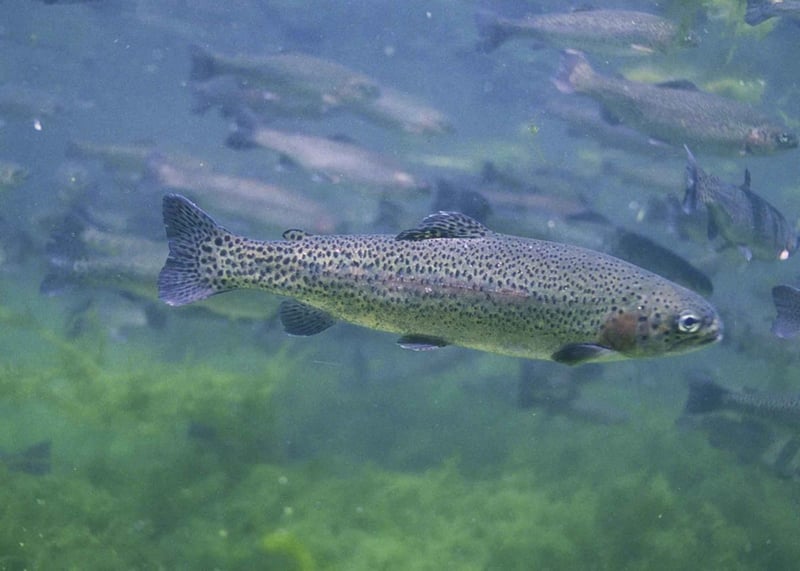
Body shape, fins, mouth, and markings for 30+ North American gamefish.
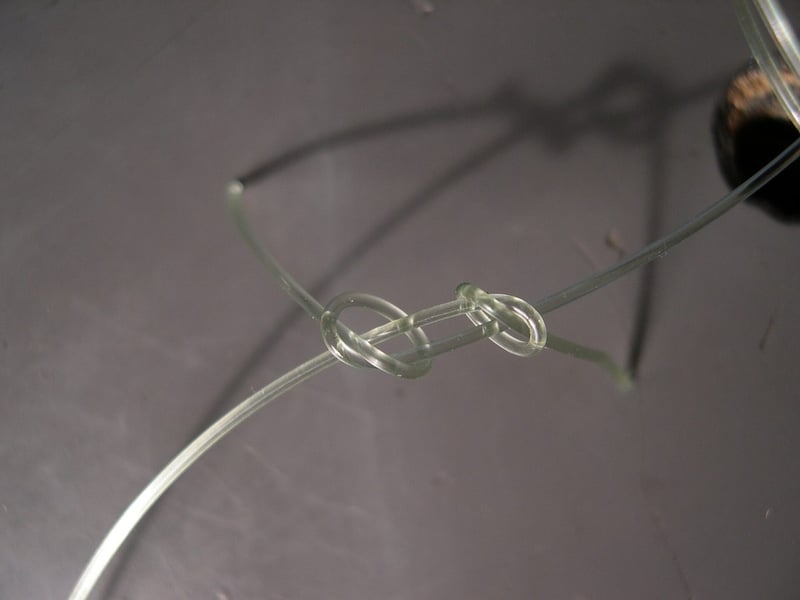
Twelve knots covering every hook, leader, and loop connection you need.
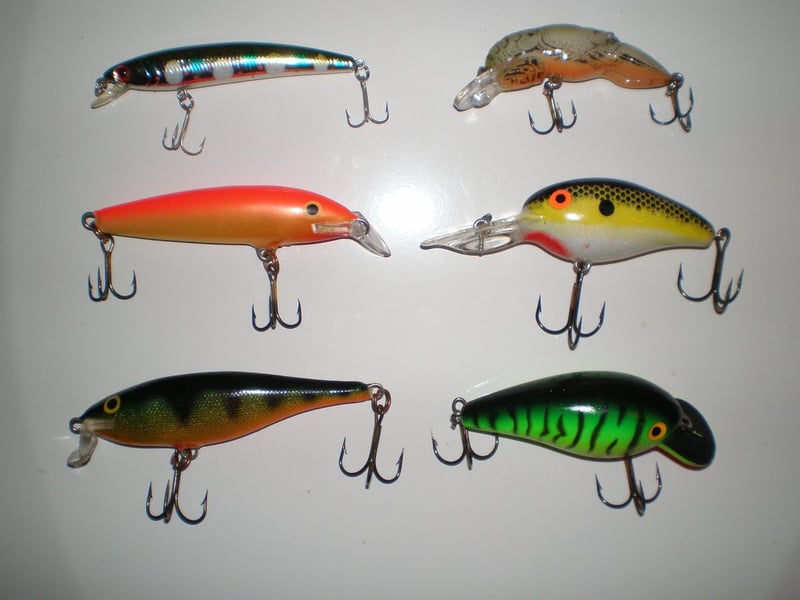
Matching lure category to temperature, clarity, depth, and season.
Reading water, timing the bite, and fixing a slow day on the spot.
Keep going
Tell lookalike species apart by fins, mouth, and markings.
Read →Match lure category to depth, clarity, and water temperature.
Read →The connections that keep big fish attached.
Read →Reading water and fixing a slow day on the spot.
Read →Top 10 lists
Ranked picks with real product photos, specs, and editor notes — the buying side of everything covered in these guides.
Bass, walleye, trout, and panfish rods ranked on feel.
See the ranking →Jig, crank, and heavy-cover rods by blank and taper.
See the ranking →Drag smoothness, line management, and long-haul gears.
See the ranking →Brake systems, backlash control, and drag under load.
See the ranking →Also on The Wild10
Same field-tested approach, applied to game species, rifles, shotguns, and bows — from scouting through meat care.
Open the hunting hub →