



- Region
- Florida, USA
- Best season
- Spring, Summer
- Permits
- Confirm current permit requirements, charg…
Plan with verified data
Everglades National Park trip tools
Tools for a trip here
Picked for how, when and where you're going. Free, no signup.
Photos of Everglades National Park
How to get there
Everglades National Park is in Florida, USA. Its center point is 25.3200, -80.9300. Use these links for live turn-by-turn directions from where you are, then confirm road, trailhead and access conditions with the managing agency before you leave.
Florida, USA · Season: Best: Dec – Apr (dry season)
- Canoeing
- Kayaking
- Winter Camping
- Skiing
- Sea Kayaking
- Beachcombing
- Birdwatching
- Fishing
The country
A shallow river of grass draining Lake Okeechobee to Florida Bay. Sawgrass prairie, hardwood hammocks, cypress domes, and mangrove coast — biome shifts every mile in a boat.
Why enthusiasts come
The 99-mile Wilderness Waterway is a bucket-list paddling trip through backcountry chickees (raised platforms). Fishing and birding are world-class.
Planner-relevant notes
Wet season (May–Oct) is functionally hostile — heat, storms, and mosquitoes make it a different park. Tide charts drive the coastal paddle sections.
Top experiences
The Wilderness Waterway (99 miles, 6–10 days) is the multi-day paddle showcase. Cape Sable overnights from Flamingo are the beach-camping route. Airboat tours in the northern River of Grass are the fastest sample. Snook and tarpon fly-fishing in the Ten Thousand Islands.
Planning essentials
Winter (Nov–Apr) is the paddling season; summer is unbearable heat, mosquitoes, and hurricanes. Backcountry chickee reservations via NPS online. Freshwater is scarce — carry everything.
Field notes
- Head net + long sleeves even in dry season — no-see-ums are relentless at dusk.
- Alligators actively avoid people; crocodiles in the mangrove zone deserve more distance.
- Fresh water is scarce in the backcountry — carry, don't source.
- Alligators are common; crocodiles are rarer (salty coast); both keep to themselves.
- The 'no-see-um' biting midges beat mosquitoes as the peak-season annoyance.
Where on earth
Satellite imagery flying in from a world view to Everglades National Park, Florida, USA. Use the + / − buttons, or click the map to zoom with your scroll wheel; drag to pan and pinch to zoom on touch.
Coordinates
- Decimal degrees
- 25.3200, -80.9300
- Latitude (DMS)
- 25° 19′ 12.0″ N
- Longitude (DMS)
- 80° 55′ 48.0″ W
Coordinates are an access-point reference for Everglades National Park, not a route. Carry a paper map and confirm trailhead or put-in access with the managing agency before you go.
Topic summary
The only place on Earth where alligators and crocodiles share water — a sawgrass river 60 miles wide.
Key takeaways
- Region: Florida, USA
- Best season: Best: Dec – Apr (dry season)
- Coordinates: 25.320, -80.930
Climate suitability
Best: Dec – Apr (dry season)
Keep planning
Popular pursuits at Everglades National Park
- Canoeing
Paddle routes, portages, and put-ins.
- Kayaking
Sheltered and open-water paddling lines.
- Winter Camping
Cold-season travel and camp craft; layering matters more than mileage.
- Skiing
Ski-touring access when the road closes for the season.
- Sea Kayaking
Coastal crossings, tides, and protected camps.
- Beachcombing
Tide-line walking between camps.
Animals around Everglades National Park
 Wildlife guideBlack bearUrsus americanus
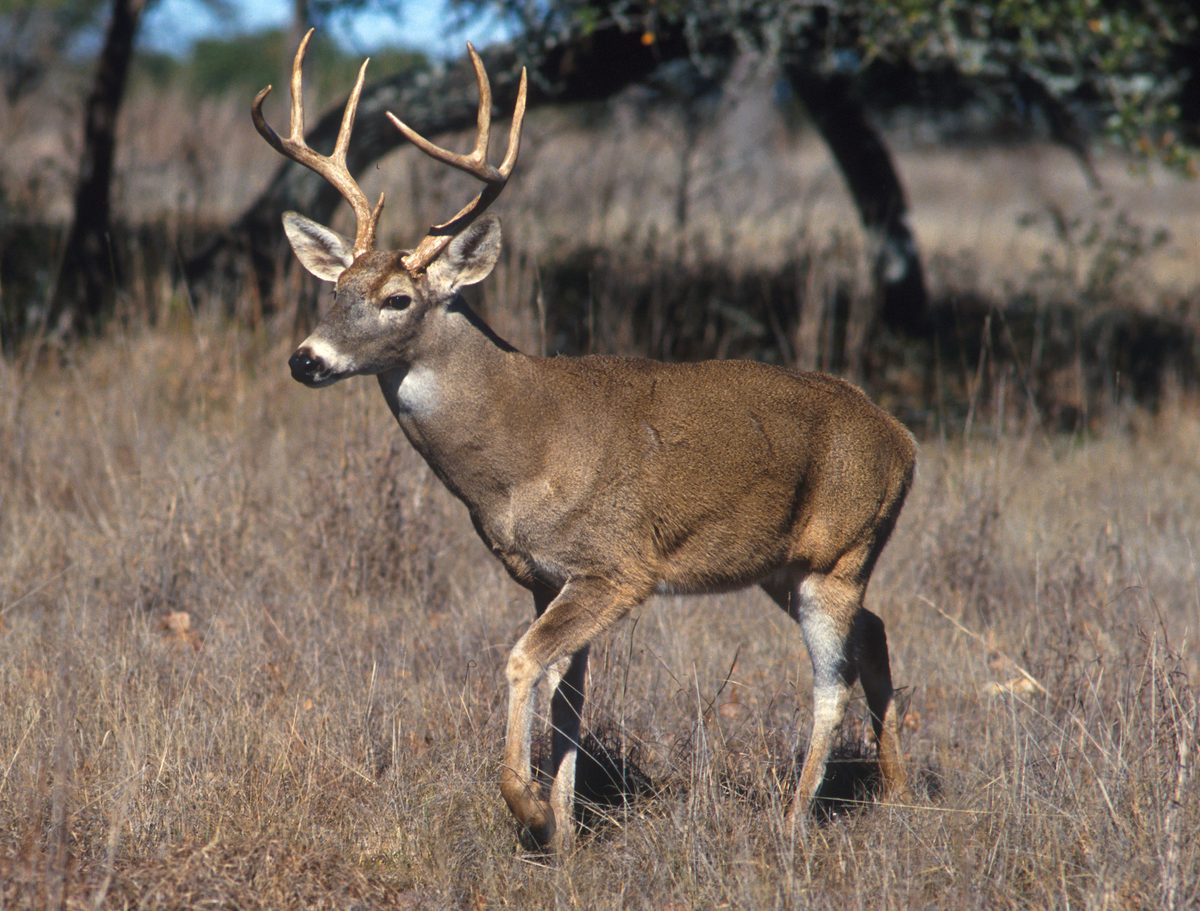 Big gameWhitetail DeerOdocoileus virginianus
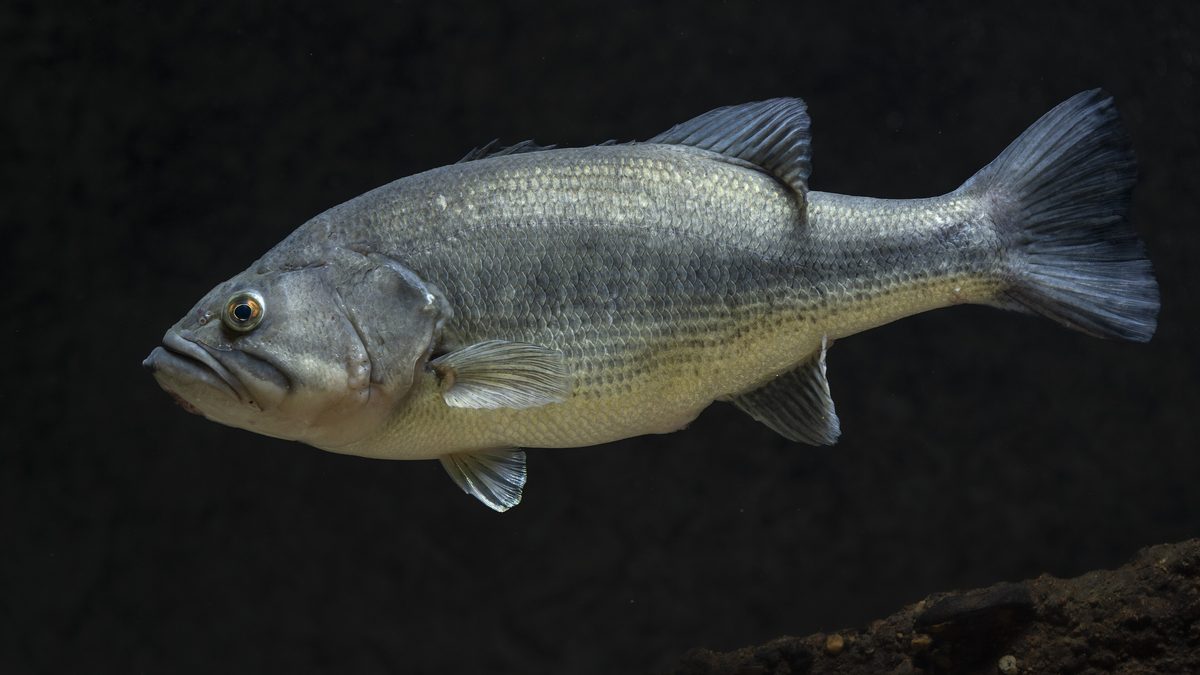 GamefishLargemouth BassMicropterus nigricans
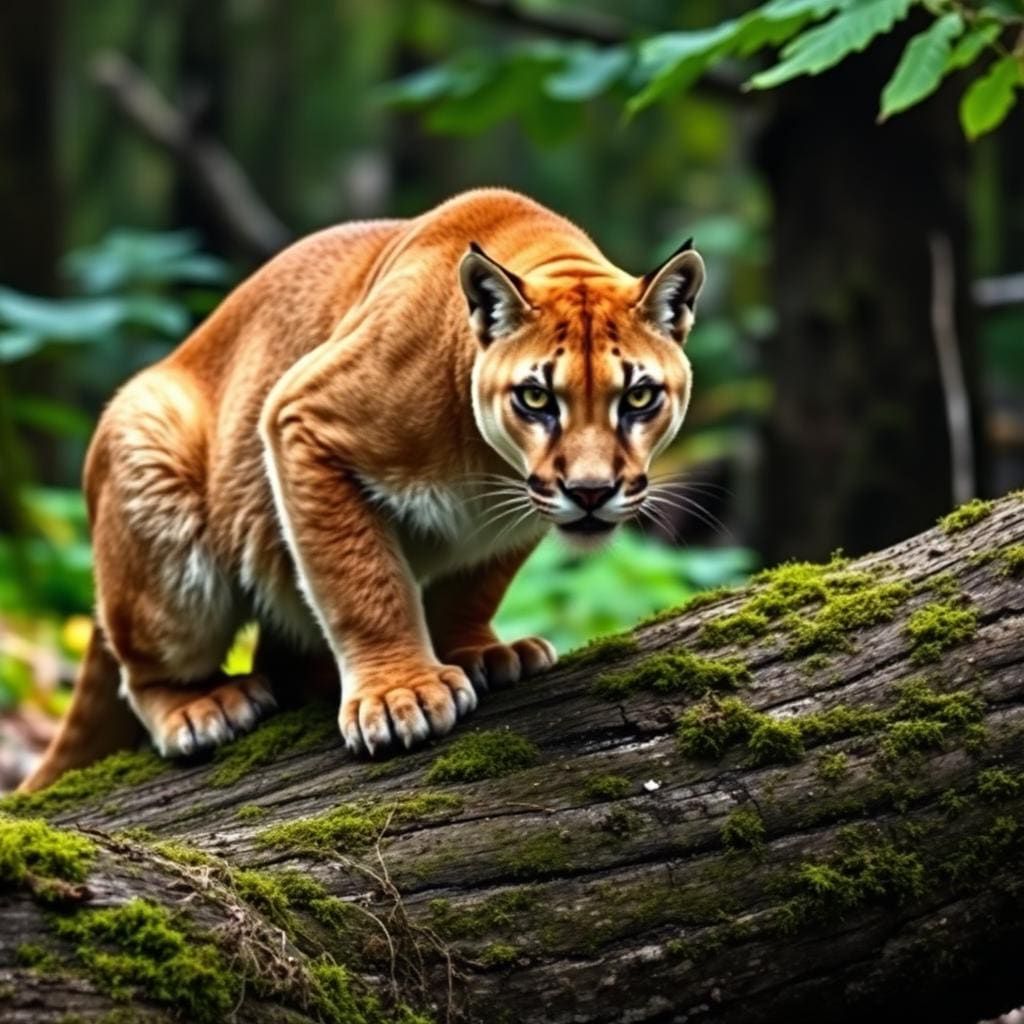 Wildlife guideCougarPuma concolor
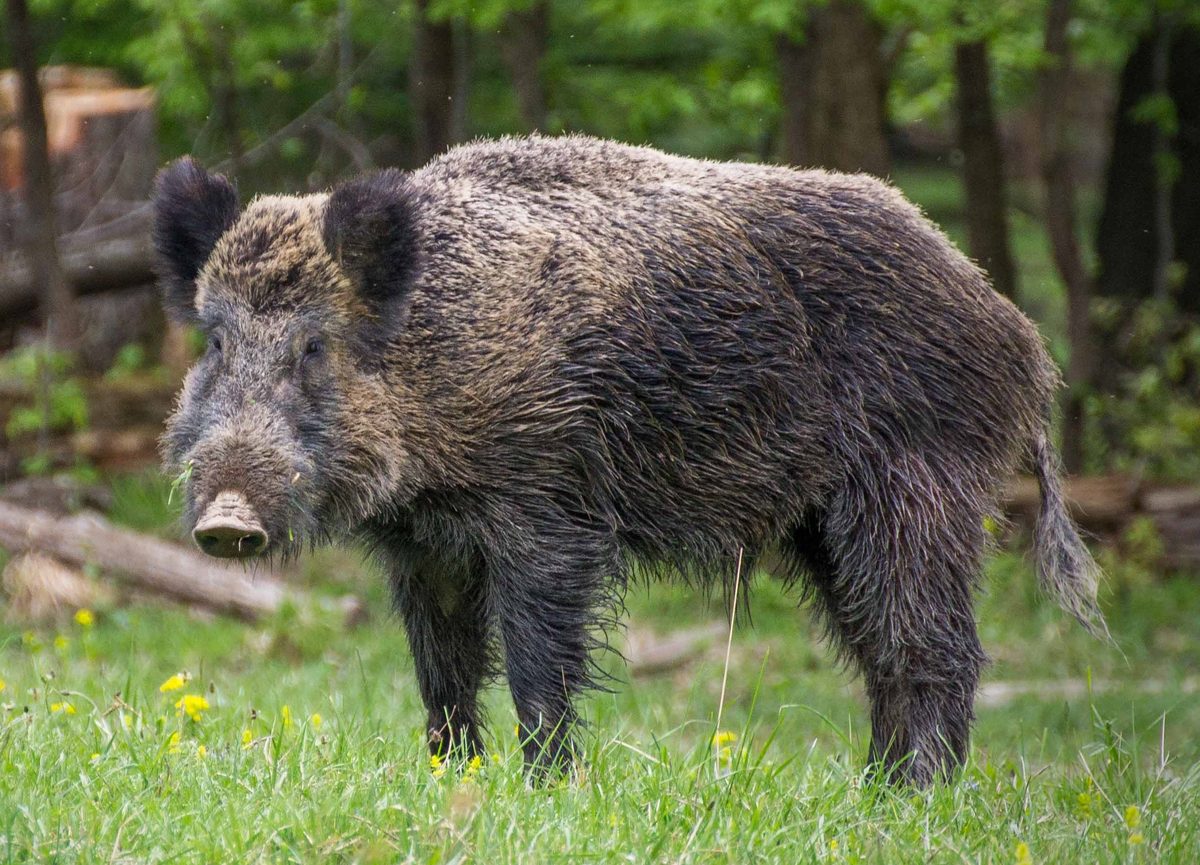 Big gameWild HogSus scrofa
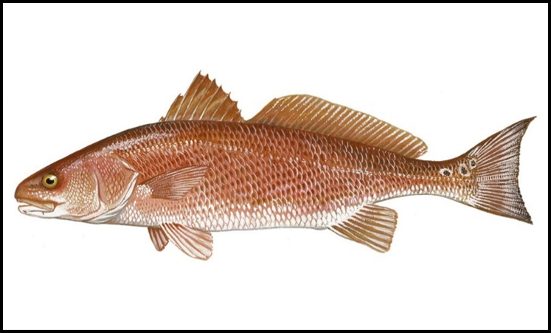 GamefishRed DrumSciaenops ocellatus
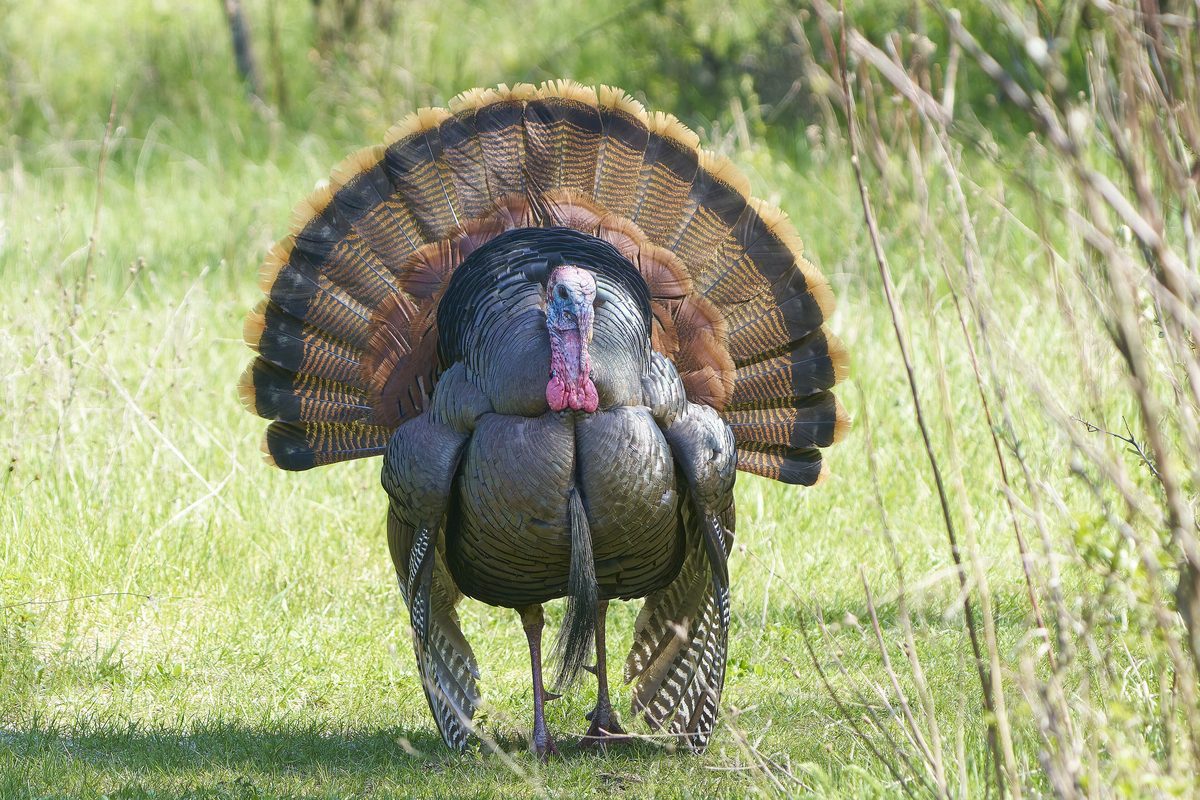 Wildlife guideWild turkeyMeleagris gallopavo
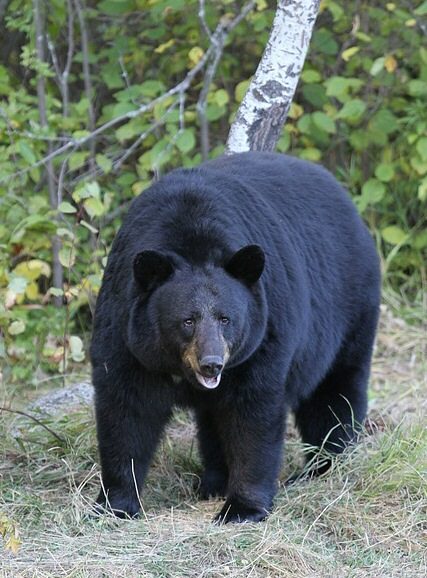 Big gameBlack BearUrsus americanus
A landscape shaped by slow-moving water
Everglades National Park protects the southern twenty percent of Florida’s original Everglades, a landscape of connected wetlands and forests rather than a single river channel or scenic landmark. Water moves out of Lake Okeechobee southwest toward Florida Bay at roughly 0.25 miles per day, supporting the ecosystems along its path. The park is the largest tropical wilderness in the United States and the largest wilderness of any kind east of the Mississippi River. For a visit, that scale is worth keeping in mind: seeing one part of the landscape does not mean seeing the whole system. Plan around observing the relationships between water, vegetation, and wildlife, rather than treating the park as a collection of isolated sights. Its defining feature is the ecosystem itself.
Wildlife and habitats
The park is North America’s most significant breeding ground for tropical wading birds and contains the largest mangrove ecosystem in the Western Hemisphere. Its recorded wildlife includes 350 bird species, 300 species of fresh and saltwater fish, 40 mammal species, and 50 reptile species. Thirty-six threatened or protected species inhabit the park, including the Florida panther, American crocodile, and West Indian manatee. Those figures describe ecological diversity, not a checklist of animals a visitor should expect to see. Give wildlife space, avoid disturbing feeding or resting animals, and let observations happen without pursuit. A patient visit can focus as much on habitat as on individual sightings: the connections between wetlands, forests, mangroves, and fresh and salt water explain why so many different species occur here.
Conservation is part of the visit
The Everglades have a long human history, with people living in and around the wetlands for thousands of years. Plans to drain them for agriculture and residential development arose in 1882. During the twentieth century, water flowing from Lake Okeechobee was increasingly controlled and diverted as the Miami metropolitan area grew. Dedicated in 1947, Everglades National Park was the first national park created to protect a fragile ecosystem rather than primarily distinctive geographic features. Its significance also reaches beyond its boundaries: the park helps recharge the Biscayne Aquifer, which stores most of South Florida’s fresh water. Human activity has substantially damaged these ecosystems, and restoration remains politically contested. Visit with that context in mind; this is a protected landscape, but not one insulated from changes elsewhere in South Florida.
Sample itineraries
- Wetlands and Wading Birds · 1 day
Focus a day on the park’s wetlands and tropical wading birds. Choose an accessible viewing location with park staff, bring binoculars, and leave time to observe quietly. Keep the outing flexible rather than trying to cover this extensive wilderness.
- Wetlands, Forests, and Mangroves · 2 days
Spend the first day observing wetland habitats and birds. Devote the second to the park’s forests and mangrove ecosystem, using locations and travel methods confirmed with park staff. Compare these habitats without treating wildlife sightings as guaranteed.
Seasonal conditions
Spring
Spring; check local conditions before departure
Plan around the park’s tropical wetland setting rather than assuming mild conditions. Confirm weather and access, carry drinking water, and keep daily plans adjustable.
Summer
Summer; check local conditions before departure
Use a conservative pace in this tropical wilderness. Bring sun protection and drinking water, and adjust outdoor time to the forecast rather than committing to a fixed schedule.
Fall
Fall; check local conditions before departure
Do not assume the season alone makes wetland travel straightforward. Confirm conditions for the specific area and activity, and retain an alternative plan.
Winter
Winter; check local conditions before departure
Florida attracts winter travelers, but a winter visit still requires preparation for a tropical wetland environment. Check the forecast and access before choosing each day’s activities.
| Season | Window | Conditions |
|---|---|---|
| Spring | Spring; check local conditions before departure | Plan around the park’s tropical wetland setting rather than assuming mild conditions. Confirm weather and access, carry drinking water, and keep daily plans adjustable. |
| Summer | Summer; check local conditions before departure | Use a conservative pace in this tropical wilderness. Bring sun protection and drinking water, and adjust outdoor time to the forecast rather than committing to a fixed schedule. |
| Fall | Fall; check local conditions before departure | Do not assume the season alone makes wetland travel straightforward. Confirm conditions for the specific area and activity, and retain an alternative plan. |
| Winter | Winter; check local conditions before departure | Florida attracts winter travelers, but a winter visit still requires preparation for a tropical wetland environment. Check the forecast and access before choosing each day’s activities. |
Permits, fees & closures
Confirm current permit requirements, charges, and booking procedures with the National Park Service for your planned activities.
Confirm current permits, fees, and closures with the managing agency before you go.
Hazards & regulations
- Wetland terrain and water can complicate travel. Use access appropriate to your activity and confirm conditions with park staff.
- Tropical conditions call for careful pacing, drinking water, and sun protection.
- American crocodiles and other wildlife require distance. Never approach, feed, or attempt to handle animals.
- The park protects extensive wilderness. Avoid improvised routes and choose an outing suited to your navigation skills.
What to pack for Everglades National Park
- Drinking water
- Sun hat
- Sunscreen
- Weather-appropriate layers
- Footwear suited to the confirmed activity
- Water-resistant storage for essentials
- Navigation information for the chosen area
- Basic first-aid kit
- Binoculars
- Bird identification guide
- Camera with a zoom lens
Everglades National Park FAQ
- What makes Everglades National Park distinctive?
- It protects a fragile network of wetlands and forests rather than a single landmark. It contains the Western Hemisphere’s largest mangrove ecosystem and is North America’s most significant breeding ground for tropical wading birds.
- Does the park protect all of the Everglades?
- No. The park protects the southern twenty percent of the original Everglades in Florida. The wider ecosystem extends beyond its boundaries.
- How does water shape the landscape?
- The wetlands and forests are fed by a slow-moving river flowing southwest from Lake Okeechobee into Florida Bay. Water diversion and development have significantly affected the ecosystem, making restoration an important ongoing issue.
- What wildlife might visitors see?
- The park supports 350 bird species, along with diverse fish, mammals, and reptiles. Protected species include the Florida panther, American crocodile, and West Indian manatee. Treat sightings as possibilities, not promises, and observe from a distance.
- How should a first visit be planned?
- Choose a habitat or activity focus rather than attempting to cover the whole park. Ask park staff about suitable access and current conditions, then build a flexible day around wildlife observation and the wetland landscape.
- Why is low-impact travel especially important here?
- The park was created to protect an ecosystem already affected by drainage and development. Avoid disturbing animals or vegetation, carry out waste, and use appropriate access to limit further pressure on fragile habitats.