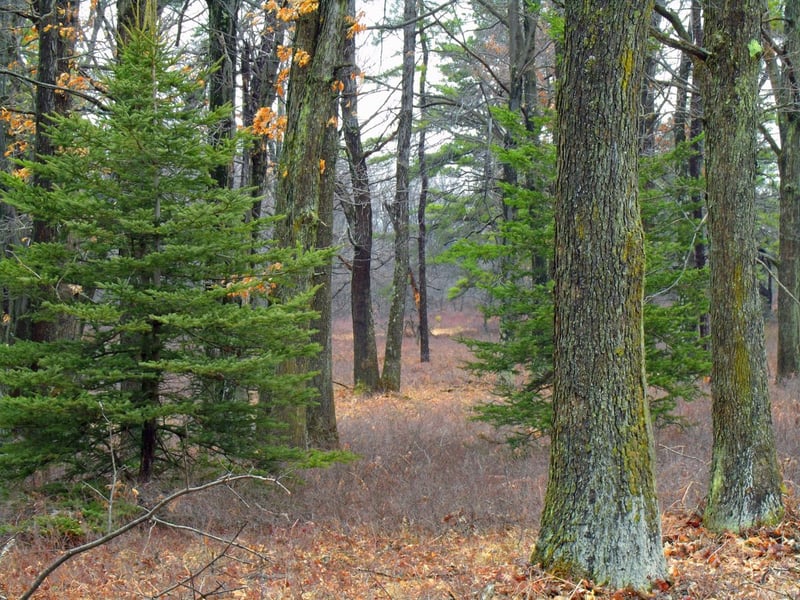
Grass flats on high tide
Sight fishing
Flooded spartina and turtle grass in 6–24 inches; look for tails, wakes, and pushes.
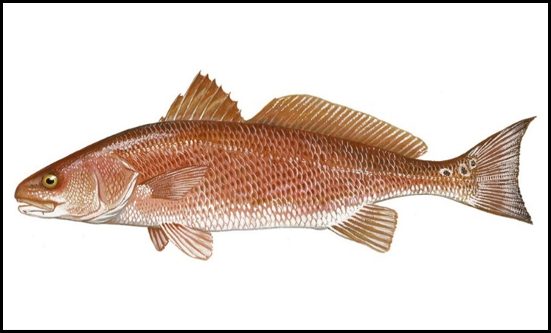
Fishing · Species · Red Drum
The best shallow-water sight-fishing target in America — and a fish that will eat almost anything presented well.
Redfish are the reason the flats-boat industry exists on the Gulf Coast. They tail in inches of water, they push visible wakes across a flat, and they eat a fly or a lure while you watch.
They're also forgiving. A redfish will eat a shrimp under a popping cork, a gold spoon, a soft plastic, or a crab fly, and it fights with a determined, shouldering run rather than aerobatics.
The other side of the fishery is the fall bull run — large adult drum staging at inlets and along the surf from Louisiana to the Outer Banks, fish of 30 to 50 pounds caught from a beach.
01
The Gulf marsh and the Atlantic inlets each produce a different kind of redfish fishing.
| Water & region | Why it's worth your time | Access & license |
|---|---|---|
| Louisiana marsh (Venice, Delacroix) | Highest redfish density in the world | LA saltwater license; generous slot limits |
| Mosquito Lagoon, Florida | Clear-water sight fishing for big reds | FL saltwater license; strict statewide slot |
| Texas Laguna Madre | Shallow clear flats and tailing fish | TX license plus saltwater stamp |
| Outer Banks, North Carolina | Fall bull drum from the surf at Cape Point | NC coastal license; one fish slot, big fish released |
| Lowcountry SC/GA marsh | Flood-tide tailing reds in the spartina | State saltwater license; tide-dependent |
02
Look before you cast. Redfish fishing is a hunting exercise more than a casting exercise.
03
Redfish are shallow-water bottom feeders. They follow tide onto flats to eat crabs and shrimp and pull back to deeper edges when it drops.
Sight fishing
Flooded spartina and turtle grass in 6–24 inches; look for tails, wakes, and pushes.
All tides
Bars break current and hold crabs and shrimp; fish the down-current edge as the tide moves.
Falling tide
Redfish stack at drains eating everything the marsh flushes out.
Low tide/winter
Fish pull into 4–10 foot holes and around dock pilings when the water drops or cools.
Bull reds
Big fish work the first trough and inlet mouths in fall — the trophy season.
04
These are the presentations that consistently produce red drum, with the conditions each one is actually for — not a tackle-shop wall.
Classic
Comes over grass without fouling and flashes in shallow, off-color water.
Do-everything
1/8–1/4 oz head with a 3–4" tail worked slowly on the bottom in creeks and on flats.
Best bait rig
The single most productive redfish presentation on the Gulf Coast — the cork's chug imitates a feeding fish.
Bull reds
On a fish-finder rig with a circle hook in the surf or an inlet for the big fall fish.
Low light
Skinny water at dawn; a red blowing up on a walking bait is the reason people fish the flats.
Fly rod
8-weight, a lightly weighted crab pattern, and a lead of two feet in front of a tailing fish.
05
Redfish are catchable year-round across the Gulf and South Atlantic. Season mainly changes where the fish sit and what size class you find.
| Season | Where the fish are | What works |
|---|---|---|
| Spring | Moving onto the flats and into marsh drains as water warms; scattered singles and small groups | Gold spoons, soft plastics on jigheads, live shrimp under corks |
| Summer | Flats, oyster bars, and grass edges early and late; deeper channels and passes midday | Topwater at dawn, cut bait in channels, sight-fishing tailing fish on high tides |
| Fall (peak) | Big bull reds in the passes, jetties, and beachfronts spawning; slot fish schooling in the marsh | Cut mullet and crab on the bottom in passes; big schools of slot fish on the flats |
| Winter | Massive schools in clear shallow water in the marsh and on mud flats; extremely visible | Sight-casting soft plastics and flies to schools; the best fly-fishing window of the year |
06
Tide is the clock. Redfish anglers plan by the tide table, not the sunrise.
Tailing
Reds push into flooded grass to root for crabs, tails out of the water. The signature sight-fishing event.
Best
Fish stack at marsh drains and creek mouths waiting for bait flushed out of the grass; ambush points you can fish predictably.
Topwater windows over the flats and along oyster bars.
The sun warms shallow mud flats and schools become visible; the best light for sight fishing is 10 a.m. to 3 p.m.
07
A short list handles nearly everything.
Cupped cork with 18–24 in of 20–30 lb fluoro to a live shrimp or a soft plastic on a 1/8 oz jighead. Pop it, pause, let the fish find it. The most productive redfish rig there is.
1/8–1/4 oz jighead with a 3–4 in paddle tail; hopped along drains, oyster bars, and grass lines.
2–4 oz pyramid on a slide, 24 in of 50–60 lb leader to a 6/0–8/0 circle hook with cut mullet or crab; the pass and surf rig for bull reds.
1/2 oz weedless spoon on a swivel; the classic flats searcher over grass.
8 wt, 9 ft 20 lb leader, weighted crab or shrimp pattern led 2 ft in front of a cruising fish and stripped once it turns.
08
Redfish are bottom-oriented scent feeders and never say no to fresh crustaceans.
#1
Under a popping cork or free-lined; catches every inshore species including reds.
Bull reds
Chunk on a circle hook in passes and surf; the big-fish bait.
Deadly on big reds in passes and around jetties in fall.
Live under a cork or free-lined at drains; mud minnows survive on a hook for hours.
09
Read the water and get in front of the fish rather than chasing them.
10
Redfish are slot-managed everywhere, and the slot is narrow because large adults are the spawning stock.
11
A flood tide in the Lowcountry — reds tailing in the spartina grass in a foot of water — is the most anticipated few hours of the month for the anglers who fish it.
Louisiana marsh fishing is the numbers version: dozens of shots a day, and a genuine chance at a 20-pound redfish in three feet of water.
The fall Outer Banks surf run is a different sport entirely — heavy tackle, cold nights, and 40-pound fish landed and released on the beach.
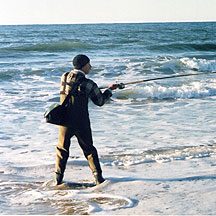
12
The rod, line, and terminal choices that actually change your hookup rate — with the numbers, not vague categories.
Flats rod
Casts light plastics into wind and handles a hard-running slot red.
The standard sight-fishing setup; 9-weight when wind is up.
Abrasion resistance for oyster bars and dock pilings.
Classic
Comes through grass and flashes in stained water — the original redfish lure.
The most productive redfish rig in murky marsh water.
Essential
In sight fishing they are literally the most important piece of equipment.
13
What happens between the hookset and the cooler decides whether you land the fish and whether it is worth eating.
14
Cleaning a red drum the right way takes about four minutes once you know the sequence.
15
Slot redfish are excellent — mild, firm, and thick-filleted, ideal for blackening or grilling on the half shell.
Remove the dark strip of lateral meat for the cleanest flavor.
Oversized bull reds are coarse, strong-flavored, and are the spawning stock — release them.
Ice fillets immediately; the meat is dense and holds up well but benefits from cold handling.
Size limits, creel limits, and seasons are set water by water and change every year. These agencies publish the current rules.
Regional slot limits, closures, and bag limits.
Stock biology and federal management background.
Questions
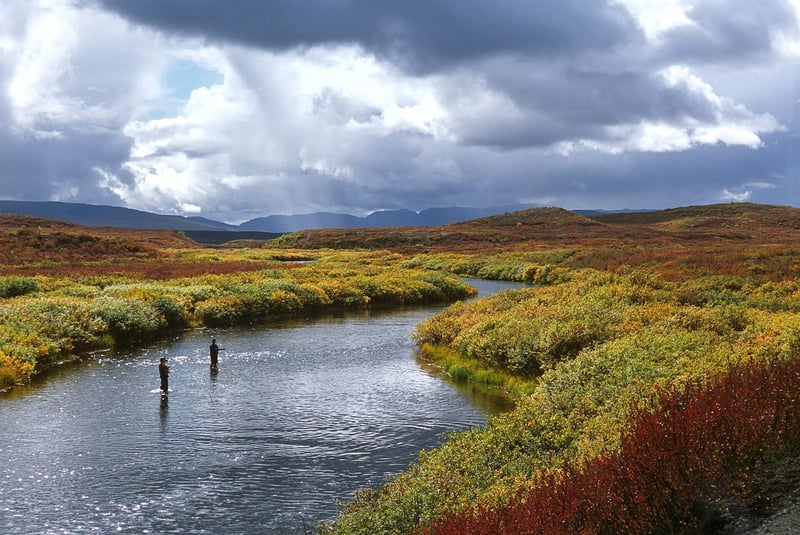
Where every fishing guide on The Wild10 starts.
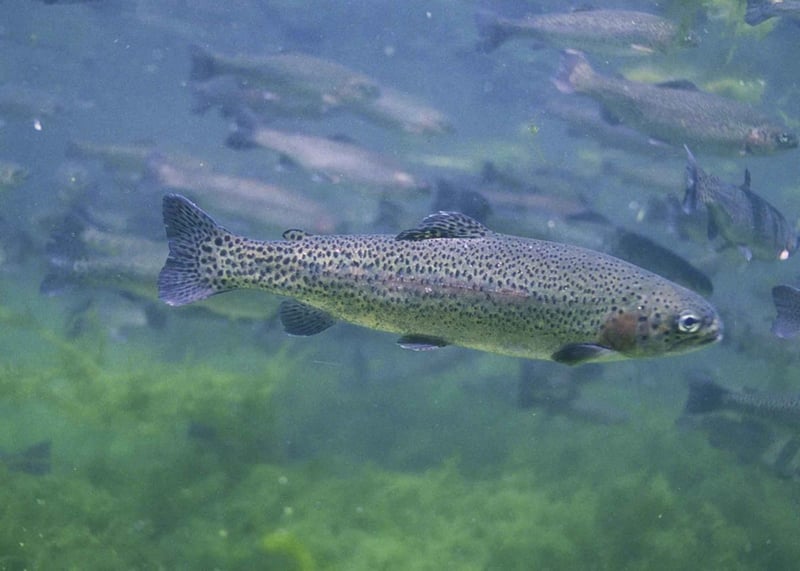
Body shape, fins, mouth, and markings for 30+ North American gamefish.
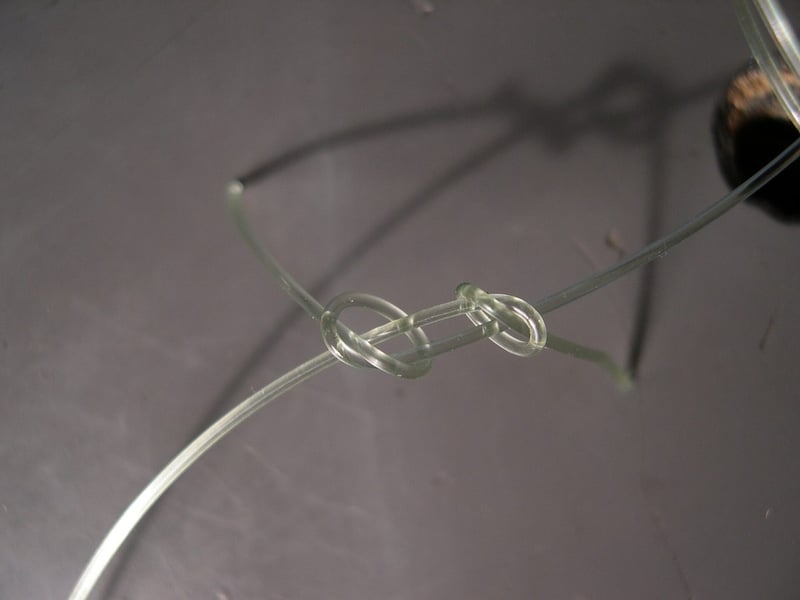
Twelve knots covering every hook, leader, and loop connection you need.
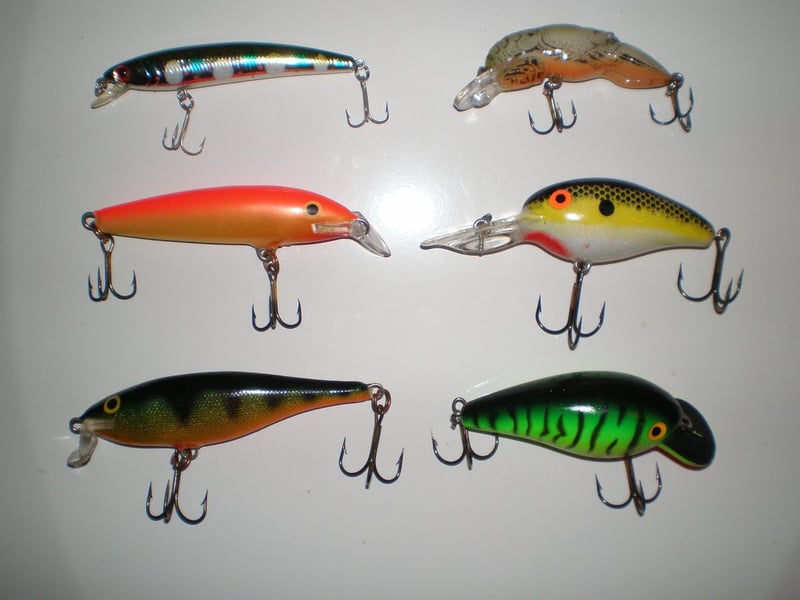
Matching lure category to temperature, clarity, depth, and season.
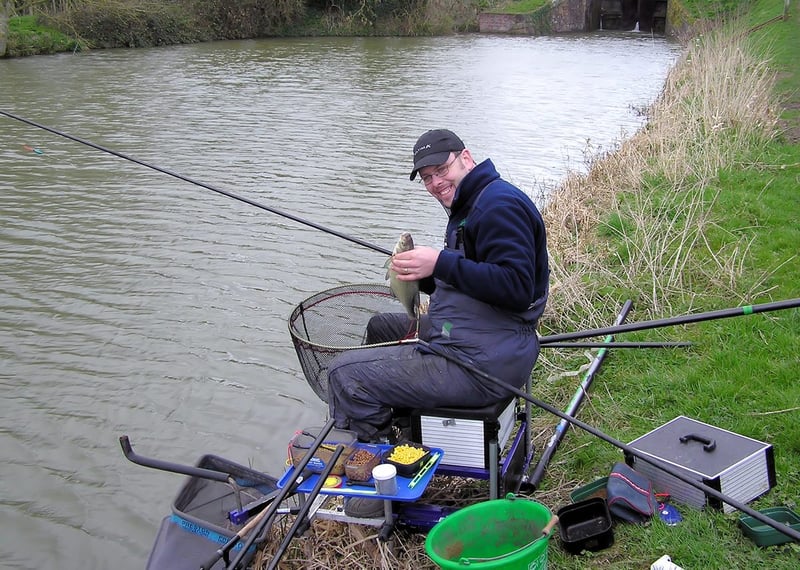
Reading water, timing the bite, and fixing a slow day on the spot.
Keep going
Tell lookalike species apart by fins, mouth, and markings.
Read →Match lure category to depth, clarity, and water temperature.
Read →The connections that keep big fish attached.
Read →Reading water and fixing a slow day on the spot.
Read →Top 10 lists
Ranked picks with real product photos, specs, and editor notes — the buying side of everything covered in these guides.
Bass, walleye, trout, and panfish rods ranked on feel.
See the ranking →Jig, crank, and heavy-cover rods by blank and taper.
See the ranking →Drag smoothness, line management, and long-haul gears.
See the ranking →Brake systems, backlash control, and drag under load.
See the ranking →Also on The Wild10
Same field-tested approach, applied to game species, rifles, shotguns, and bows — from scouting through meat care.
Open the hunting hub →