Tracks
2–3 in., rounded
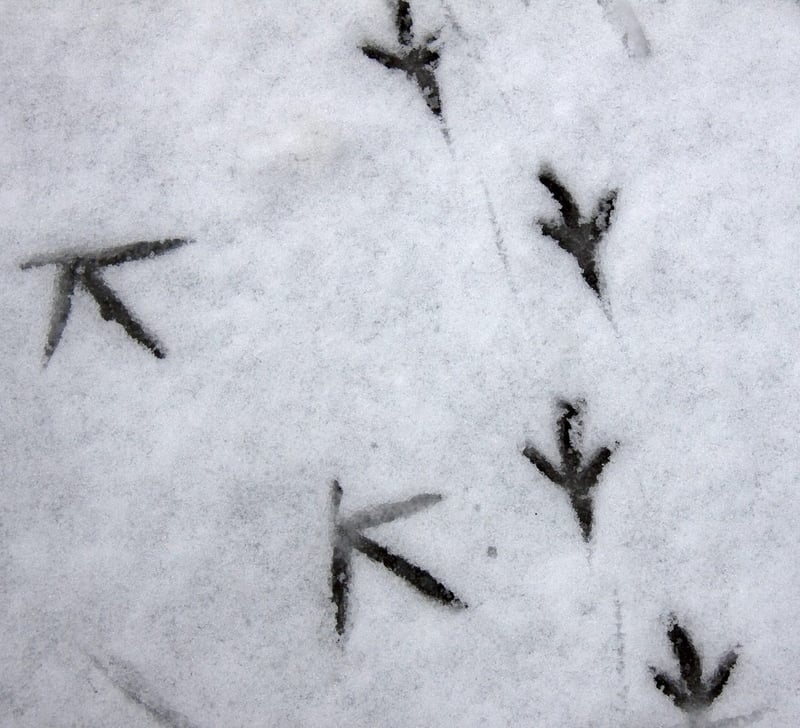
Rounder and wider than a deer's with blunt toes that splay outward, and dewclaws that register wide and low beside the main toes — a deer's dewclaws sit directly behind. That wide dewclaw spread is the reliable tell.
Hunting · Big Game · Wild Hog
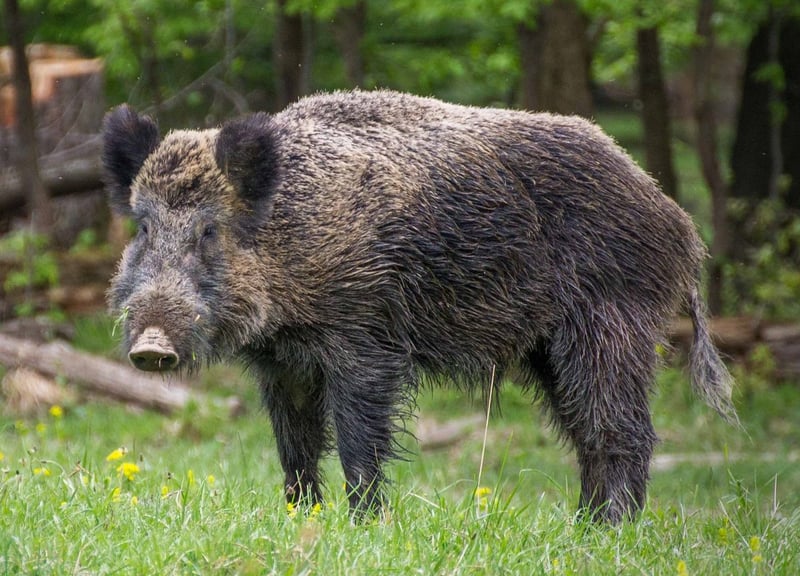
An invasive species with no closed season in most of its range — the most available, most repeatable big-game hunting in America.
Feral hogs are an invasive species that cause an estimated $1.5–2.5 billion in agricultural damage annually in the United States. Texas alone holds several million. Because they are classified as nuisance or exotic animals in most states, there is frequently no closed season and no bag limit.
For a hunter, that means the one big-game animal you can hunt in July, at night, with a semi-automatic rifle, on a landowner's invitation, without a draw or a point system.
Hogs are intelligent, nocturnal under pressure, and travel in groups called sounders. They also have a phenomenal nose, poor eyesight, and a habit of destroying the same field repeatedly — which is what makes them patternable.
01
Hog hunting follows the damage. Agricultural river bottoms, creek drainages, and any thick bedding cover adjacent to a food source.
| Place | Why it's worth your time | How you get a tag |
|---|---|---|
| Texas | Millions of hogs; year-round, day and night, on private and some public land | Hunting license only on private land; landowner permission is the real currency |
| Florida | Second-highest population; excellent public WMA hog hunting | License plus WMA permit; no closed season on private land |
| Georgia, Alabama & Mississippi | River-bottom hogs with generous rules and public national forest | License only; night hunting rules vary by county |
| Louisiana & Arkansas | Delta and bottomland hardwood populations | Restrictions on public land during deer seasons — read current rules |
| California & Hawaii | Established populations with a formal tag system | California requires a wild pig tag per animal; Hawaii has island-specific rules |
| Oklahoma, Tennessee & the Carolinas | Expanding populations, often unwelcome | Some states restrict hunting to discourage spread — verify before you plan |
02
Hogs are patternable nuisance animals: find where they're rooting, hunt the wind, and be ready to work fast when a sounder appears, day or night.
03
Hogs are the easiest big game on the continent to read, because they destroy everything they touch. Fresh hog sign is obvious even to a first-time hunter.
2–3 in., rounded
Rounder and wider than a deer's with blunt toes that splay outward, and dewclaws that register wide and low beside the main toes — a deer's dewclaws sit directly behind. That wide dewclaw spread is the reliable tell.
Variable
Segmented, tubular, and highly variable with the diet — corn, acorns, roots, and carrion all show up in it. Often deposited in trails and on road edges.
Unmistakable
Ground plowed up as if a rototiller ran through it, from a few square feet to acres. Wet, dark, freshly turned soil with clean root ends means last night; dried, greying edges mean a week ago.
Mud
Muddy pits at seeps and creek edges with hog hair in the rim, and rub trees or fence posts caked with dried mud at 18–30 inches. Mud height on a rub estimates hog height.
Thick cover
Matted nests hollowed into cane, palmetto, or brush, often lined with grass. Tunnels through thick cover connect bedding to feeding, and hogs use the same runs nightly.
04
Hog regulations are the most inconsistent in North American hunting. Some states encourage unlimited killing; others restrict hunting specifically so hogs are not deliberately spread by hunters.
05
Daytime hog hunting is a stalking and sign-reading hunt. You look for fresh rooting, wallows, rubs on trees at knee height, and tracks with the dewclaws printing wide, then still-hunt into the wind along creek bottoms and thick bedding cover.
Night hunting with thermal is a completely different sport: sitting over a field with an optic that turns a black night into a gray scene, watching a sounder of fifteen pigs walk out of the timber, and taking multiple animals in seconds.
Hogs run in groups. A sounder detects one thing wrong and evaporates into the brush at once, so the wind is everything — their nose is far better than a deer's and they use it constantly.
Shots are usually close, 30 to 100 yards. Shot placement is different from deer: aim slightly forward and lower, at the ear-butt for a head shot or tight behind the shoulder crease — a hog's vitals sit further forward and are shielded by a heavy shoulder shield of cartilage on mature boars.
It is hot, buggy, and full of thorns for much of the year. Snake gaiters in the South are not paranoia; they are equipment.
06
Not a shopping list — the six or so items that change whether you fill the tag and whether the meat gets home in good condition.
.223 through .308
A .223 works on smaller hogs with good bullets; .243, 6.5 Creedmoor, .308, or .300 Blackout are better on mature boars. Suppressors, where legal, let you take more than one animal from a sounder.
Where legal
The single biggest force multiplier in hog hunting. Verify legality in your state and on the specific property before you buy.
Southern hog country
Cottonmouths, rattlesnakes, and copperheads share hog habitat, especially at night in warm months.
Brucellosis
Wear gloves when field dressing. Feral swine carry brucellosis, pseudorabies, and other pathogens transmissible by contact.
Immediate
Hot weather plus pork is the fastest spoilage combination in hunting. Skin, quarter, and ice within an hour or two.
07
Hogs are tough, thick-skinned, and armored across the shoulders. Shot placement is further forward and lower than on a deer.
08
Cook hog to 160°F internal, always. Beyond that, a young sow is as good as any pork you will buy.
09
Hogs under about 150 pounds are excellent eating — mild, dark, and genuinely better than commercial pork. Big mature boars can be strong and are often better used for sausage.
Always wear gloves when handling feral swine, and cook all pork to 160°F. Brucellosis is transmitted by contact with blood and fluids, not just by eating.
Whole-hog barbecue, shoulder braises, and sausage are the classic uses. The fat is worth rendering from a well-fed corn-fed pig.
Seasons, fees, and draw rules change every year. These are the agencies and organizations that publish the current numbers — always confirm with them before you apply or hunt.
Population maps, damage data, and disease risk information.
The most permissive hog regulations in the country, explained officially.
Safe handling guidance for feral swine carcasses.
Public WMA hog opportunities and permit requirements.
Questions
Where every hunting guide on The Wild10 starts.
Big game, small game, upland birds, and waterfowl — habitat and season.
Turkey, pheasant, grouse, quail, ducks, geese, rabbits, squirrels and predators.
All 50 states — seasons, tags, laws, public land and tactics.
Calling, shotguns, bows, camo, blinds, scouting, and spring vs fall.
Search every species and filter by tracks, droppings and sign, harvest, or skinning.
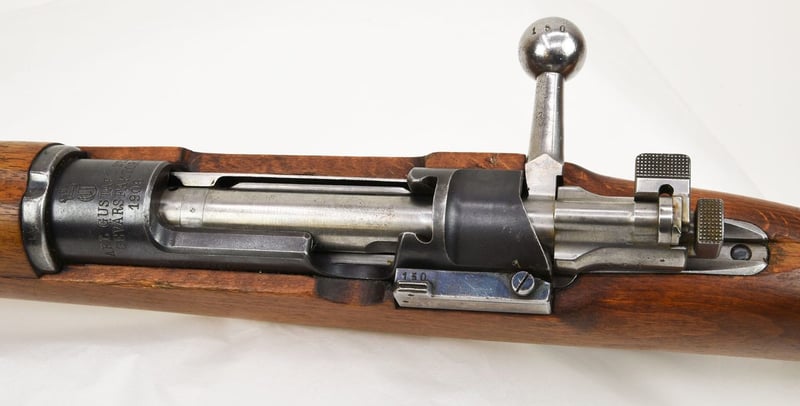
Cartridges, zero, field positions, wind, and shot placement.
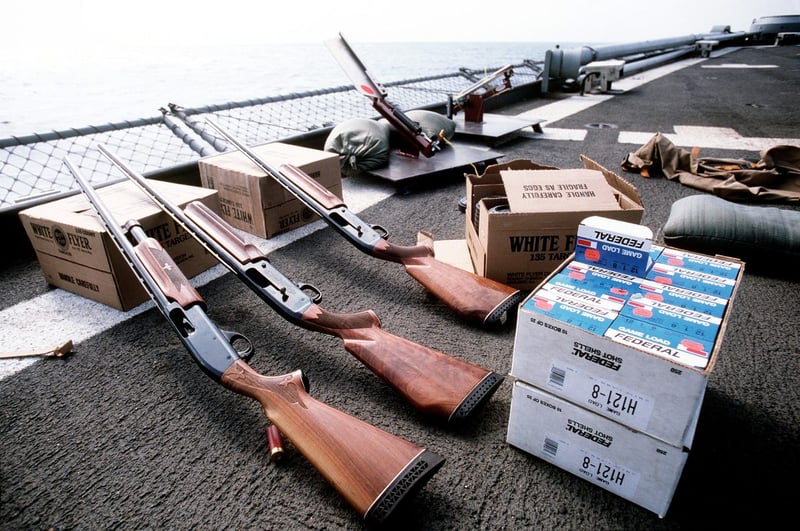
Gauges, chokes, shot size, and lead for birds and slug country.
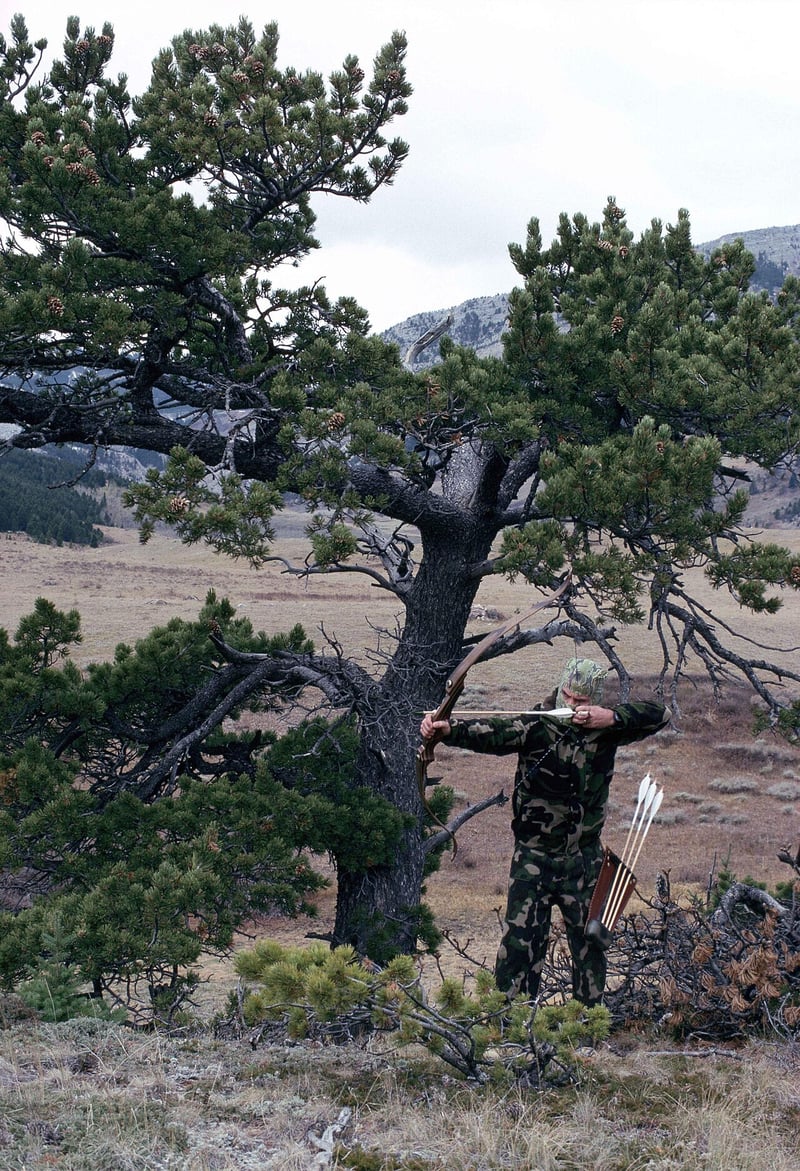
Instinctive shooting, draw weight, arrow spine, and close-range craft.
Eleven recurve and longbow guides: form, aiming, spine, tuning, and building tackle.
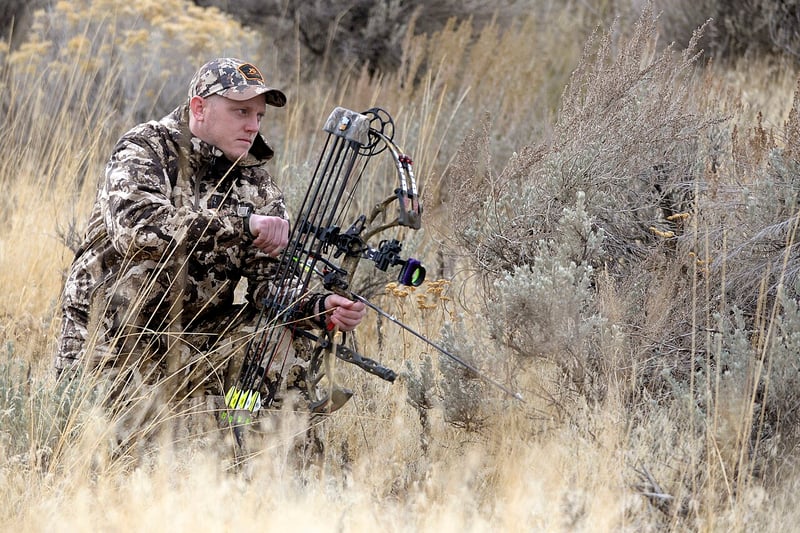
Draw length, sight and rest setup, broadhead tuning, and shot process.
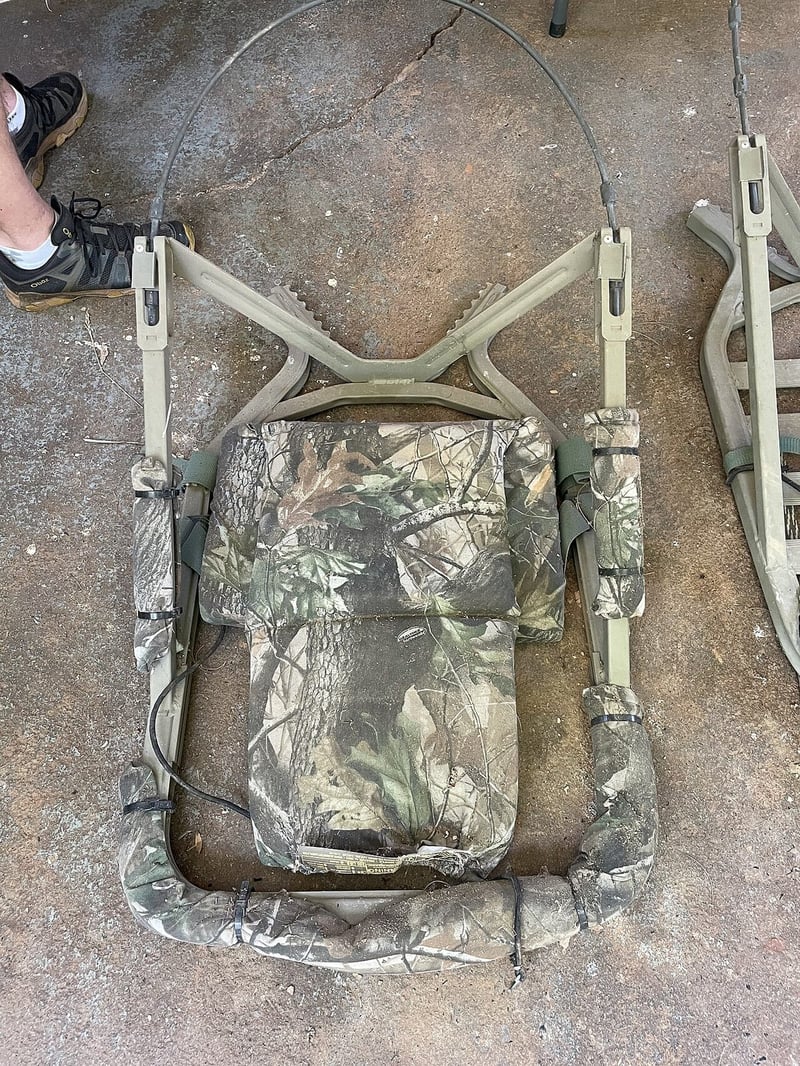
Wind discipline, stand placement, blood trailing, and meat care.
Keep going
Search every game profile by tracks, sign, harvest, and skinning guides.
Read →Cartridge choice, field positions, wind calls, and where the vitals actually sit.
Read →Gauges, chokes, slugs and straight-wall rules where rifles are not legal.
Read →Wind discipline, stand and stalk selection, blood trailing, and getting meat out cold.
Read →Plan a weekend hog trip — night access, heat, and same-day meat cooling.
Read →Top 10 lists
Ranked picks with real product photos, specs, and editor notes — the buying side of everything covered in these guides.
Bolt guns from budget workhorses to mountain rifles.
See the ranking →Rifled slug guns for shotgun-only whitetail country.
See the ranking →Spine, FOC, and broadhead pairings that fly true.
See the ranking →Quiet, wind-blocking shells for spring and early season.
See the ranking →Softshell and brush pants that move quiet and shed weather.
See the ranking →Insulated and shell layers ranked by warmth-to-noise.
See the ranking →Also on The Wild10
Fish identification, the knots that hold, lure selection by conditions, and the habits that fill a stringer.
Open the fishing hub →