Outside weed line
All season
The deep edge of the grass, usually 6–14 feet, is the single most reliable largemouth address in any lake with vegetation.
Fishing · Species · Largemouth Bass
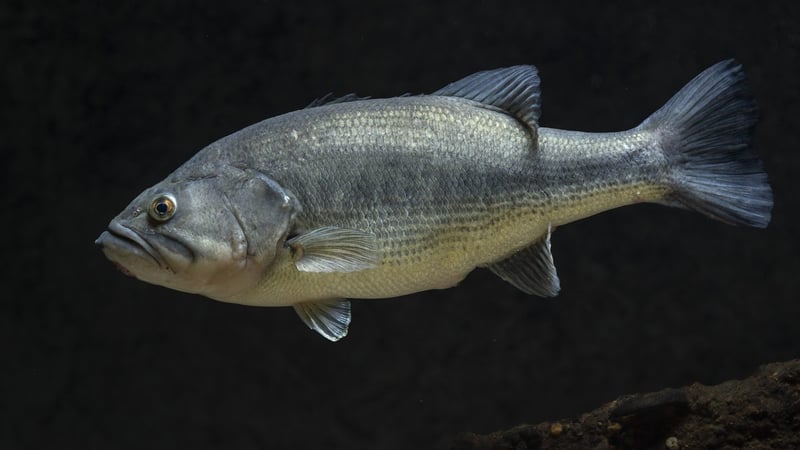
The most available gamefish in North America — a farm pond fish and a trophy fish at the same time, depending on how you fish for it.
Largemouth bass are the reason most Americans own a rod. They live in water that gets warm, weedy, and shallow — the exact water nearly everyone has within a short drive — and they will eat a lure fished badly often enough to keep a beginner interested.
Fishing them well is a different discipline. A largemouth is an ambush feeder that positions against an edge — a weed line, a laydown, a dock shadow, a depth break — and waits. Find the edge and you find the fish; cast at open water and you mostly do not.
The seasonal pattern is the other half. They move shallow to spawn when water hits the high 50s and low 60s, scatter to cover through summer, feed hard in the fall, and stack on deep structure in winter. Everything below is organized around that movement.
01
Largemouth are everywhere, so the question is not where they exist but where they grow large and stay catchable. These fisheries do both.
| Water & region | Why it's worth your time | Access & license |
|---|---|---|
| Florida (Kissimmee, Okeechobee) | Genuine 10 lb potential and a year-round season | Nonresident freshwater license, sold online same day |
| Texas (Fork, Sam Rayburn) | Share-a-Lunker program fish and huge forage base | TPWD license; ShareLunker fish must be reported |
| California (Clear Lake, Casitas) | Highest average weight in the country in spring | CDFW license plus a Colorado River stamp on some waters |
| Alabama/Georgia (Guntersville, Lanier) | Grass-heavy TVA reservoirs, big fall schools | Standard state license; reciprocal on some border lakes |
| Any local farm pond | Least pressured largemouth water in America | Landowner permission — no license on private ponds in some states |
02
This is the sequence that puts fish in the boat on unfamiliar water, in order, from truck to first fish.
03
Largemouth are edge fish. Every one of these places is a line between two things — shallow and deep, weed and open, shade and sun — and the bass sits on the shady side of it facing out.
All season
The deep edge of the grass, usually 6–14 feet, is the single most reliable largemouth address in any lake with vegetation.
Shallow
A tree in the water is a bass apartment building. Fish the trunk, the fork, and the outermost branch tips separately.
Summer shade
Older wooden docks with brush under them beat new floating docks. Skip baits to the shaded back corners, not the open ends.
Spring
Hard-bottom pockets in 1–4 feet protected from north wind hold beds when water hits 58–65°F.
Summer/winter
Points, humps, roadbeds, and ditch bends in 12–25 feet hold the biggest groups when it is hot or cold.
04
These are the presentations that consistently produce largemouth bass, with the conditions each one is actually for — not a tackle-shop wall.
Do-everything
A 7" worm with a 3/16–3/8 oz weight fishes any cover at any depth in any season. If you carry one bait, carry this.
Search
Deflect it off wood and rock in 2–6 feet of stained water; the deflection is what triggers the strike, not the retrieve speed.
Big fish
Highest average size in bass fishing. Crawl it on hard cover and pause it against every limb.
Grass
Rips free of sparse hydrilla and coontail; the snap out of the grass draws the bite.
Pressured fish
Weightless, slow-falling, and almost impossible for a suspicious bass to refuse in clear water.
Low light
First and last hour over grass tops and around bream beds; wait for the weight of the fish before you set.
Offshore
For 12–20 foot points and humps once the shallow bite dies in midsummer.
05
Largemouth follow water temperature, not the calendar. Read the thermometer and the season below tells you where they are.
| Season | Where the fish are | What works |
|---|---|---|
| Pre-spawn (water 50–60°F) | Staging on the first break outside spawning flats, points, and channel swings | Lipless cranks, jerkbaits, jigs crawled slowly; the best big-fish window of the year |
| Spawn (58–70°F) | Beds in 1–5 ft on hard bottom, protected pockets, north banks that warm first | Wacky worms, creature baits, and tubes pitched to beds; sight-fish on calm, sunny days |
| Post-spawn / early summer | Fry guarders under bluegill beds, then out to grass edges and docks | Topwater frogs and poppers early; shaky heads and finesse worms when they sulk |
| Summer | Shade under mats and docks; offshore ledges, humps, and brush in 12–25 ft | Punching mats, deep crankbaits, football jigs, Carolina rigs, night fishing |
| Fall | Chasing shad into creek arms and onto flats; bass roam and school | Squarebills, spinnerbaits, walking baits; cover water fast and follow the bait |
| Winter (below 50°F) | Deep, vertical structure: bluff ends, channel ledges, standing timber | Jigging spoons, blade baits, suspending jerkbaits with 10-second pauses |
06
Light and shade drive largemouth positioning more than the clock, but the windows are consistent.
Best
Fish are shallow and looking up. Buzzbaits, walking baits, and poppers over grass tops and along docks for the first 90 minutes.
Bass slide into the densest shade — mats, dock floats, laydown trunks — or drop offshore. Flip, punch, or fish deep; the topwater bite is over.
Best
The second feeding push. Spinnerbaits and squarebills on wind-blown banks, then topwater again as the sun touches the trees.
Big fish leave cover and roam. Black 10-inch worms, black buzzbaits, and big Colorado-blade spinnerbaits fished slow on points and riprap.
07
Five rigs cover every largemouth situation. Learn to tie them fast.
Bullet weight (1/8–3/8 oz, pegged in cover) ahead of a 3/0–5/0 offset or EWG hook; skin-hook the plastic so it is weedless. The rig for wood, grass, and anything that snags.
A 5-inch stick bait hooked through the middle on a 1/0 wacky hook with an O-ring. No weight. Skip under docks, let it fall on slack line, watch the line for a tick.
3/4–1 oz egg sinker, bead, swivel, then 24–36 inches of leader to a 4/0 hook and a lizard or creature bait. Drag it across offshore points and flats to find groups.
1/8–1/4 oz ball-head jig with a screw-lock, finesse worm threaded straight. Shake it in place on hard bottom when fish are pressured or post-spawn.
1/2–3/4 oz football head with a craw trailer, dragged and hopped over rock and shell in 12–25 ft in summer.
08
Live bait is legal on most public water and it out-fishes plastics on tough days.
Trophy
The Florida trophy bait. Nose-hooked on a 5/0 circle or kahle hook under a balloon or float, drifted along hydrilla edges. Let the fish run before coming tight.
Threaded on a 2/0 hook with a split shot, fished on the bottom along weed edges. Catches numbers, especially for kids and from the bank.
Hooked through the tail on a 1/0 hook, fished on rock and riprap in spring. Pinch the claws off if the bass are short-striking.
Dorsal-hooked under a float in summer, dropped on dock posts and brush; check regs — bluegill are illegal bait in several states.
09
The tactical layer that turns bites into a pattern you can repeat on the next lake.
10
There is no tag or draw for bass. You need a fishing license, and you need to know that lake's specific length limits, which vary far more than people expect.
11
Bass fishing rewards patience with cover more than distance covered. A single laydown fished from four angles regularly out-produces a mile of bank thrashed once.
Expect the bite to be seasonal rather than daily. Pre-spawn afternoons in the low 60s are the best big-fish window of the year in most of the country.
You will lose fish in cover. That is the trade — largemouth live where they can break you off, and heavier line is the answer, not lighter drag.
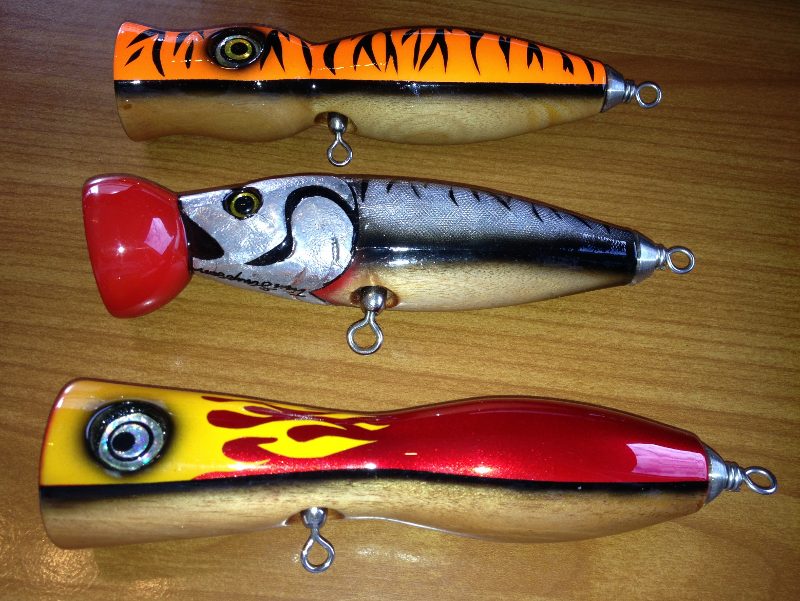
12
The rod, line, and terminal choices that actually change your hookup rate — with the numbers, not vague categories.
Core rod
Handles jigs, Texas rigs, and chatterbaits with the backbone to move a fish out of grass.
Fast enough for slack-line baits, slow enough to keep a crankbait honest.
Fluoro for clear water and cranks; braid for grass and heavy cover.
Search bait
Deflects off wood and rock and triggers reaction strikes in stained water.
The highest average-size bait in bass fishing; fish it slowly on any hard cover.
Cleanup bait
Catches pressured fish that refuse everything else.
13
What happens between the hookset and the cooler decides whether you land the fish and whether it is worth eating.
14
Cleaning a largemouth bass the right way takes about four minutes once you know the sequence.
15
Largemouth are perfectly good eating from clean, cool water — mild white flakes that fry and blacken well.
Fish from warm, weedy, or muddy summer water can taste earthy. Remove the red lateral meat and the skin entirely if you plan to keep them.
Most anglers release fish over about three pounds; those are the spawning females that make the fishery, and they replace slowly.
Size limits, creel limits, and seasons are set water by water and change every year. These agencies publish the current rules.
Lake-by-lake regulations, stocking history, and ShareLunker reporting.
Licenses, limits, and the state's trophy bass program.
Catch-and-release handling guidance and fishery science summaries.
Questions
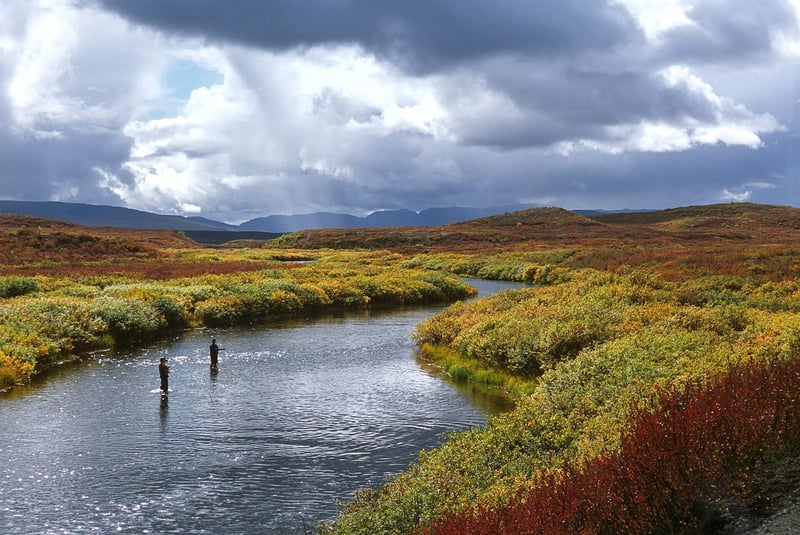
Where every fishing guide on The Wild10 starts.
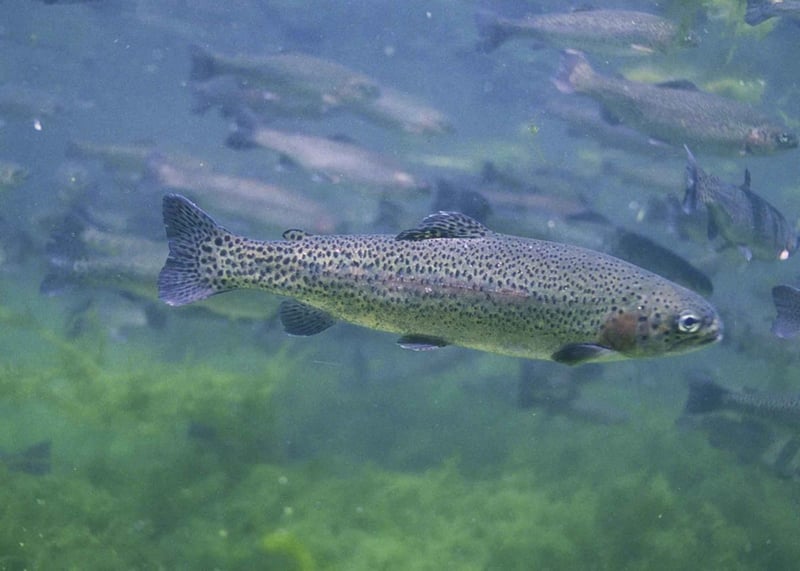
Body shape, fins, mouth, and markings for 30+ North American gamefish.
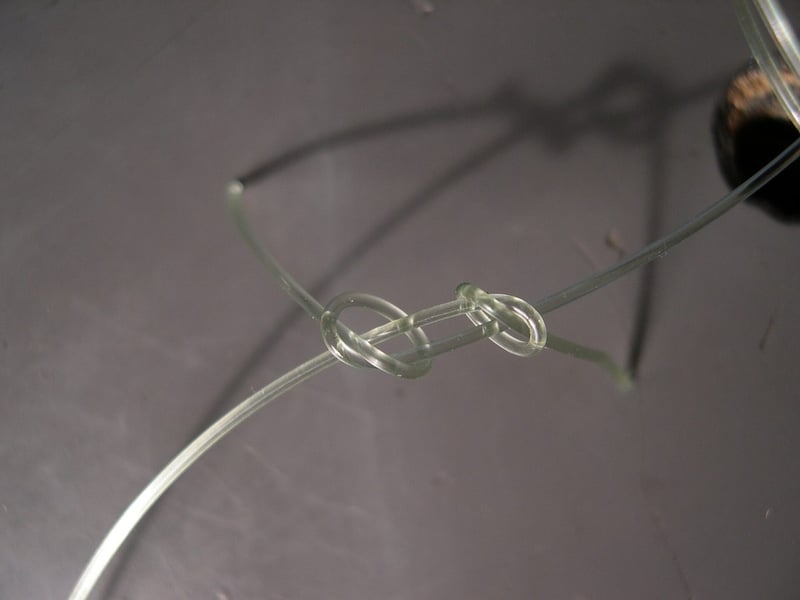
Twelve knots covering every hook, leader, and loop connection you need.
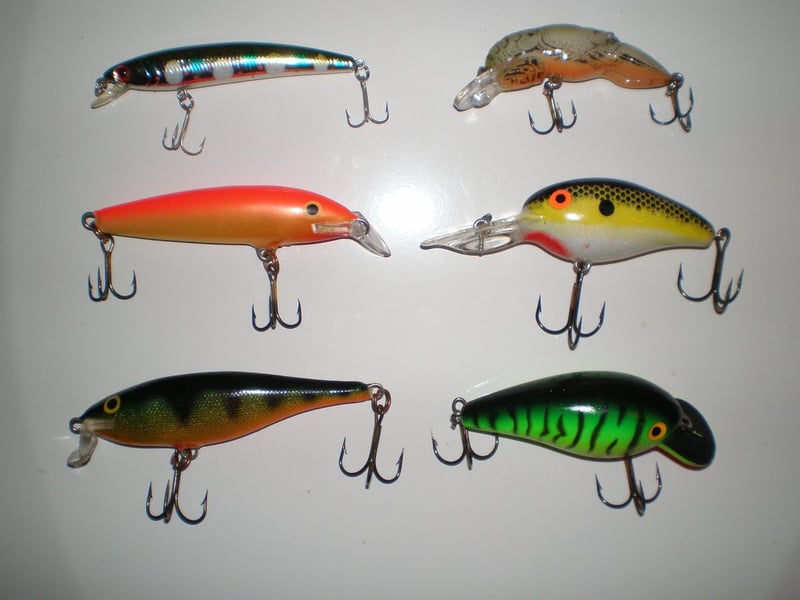
Matching lure category to temperature, clarity, depth, and season.
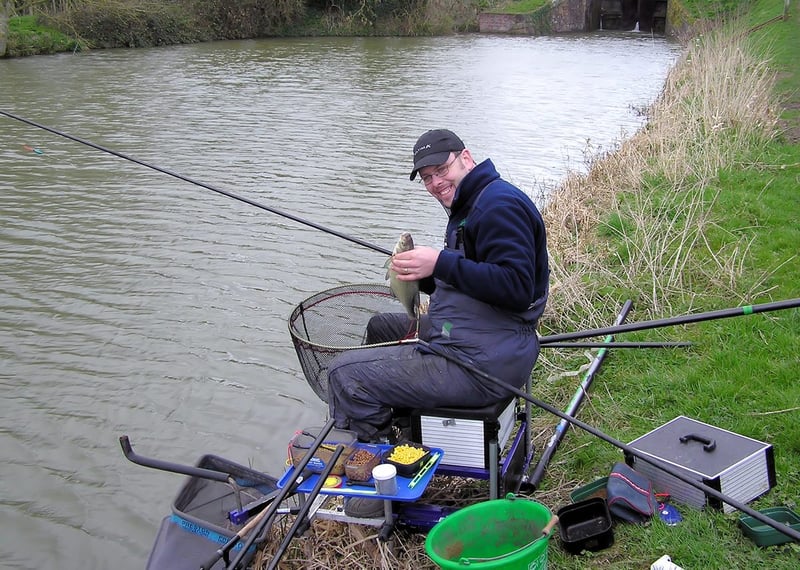
Reading water, timing the bite, and fixing a slow day on the spot.
Keep going
Tell lookalike species apart by fins, mouth, and markings.
Read →Match lure category to depth, clarity, and water temperature.
Read →The connections that keep big fish attached.
Read →Reading water and fixing a slow day on the spot.
Read →Top 10 lists
Ranked picks with real product photos, specs, and editor notes — the buying side of everything covered in these guides.
Bass, walleye, trout, and panfish rods ranked on feel.
See the ranking →Jig, crank, and heavy-cover rods by blank and taper.
See the ranking →Drag smoothness, line management, and long-haul gears.
See the ranking →Brake systems, backlash control, and drag under load.
See the ranking →Also on The Wild10
Same field-tested approach, applied to game species, rifles, shotguns, and bows — from scouting through meat care.
Open the hunting hub →