



- Region
- Hawaii, USA
- Best season
- Spring, Summer
- Permits
- Confirm permit requirements and any applic…
Plan with verified data
Hawaii Volcanoes Ka'u Desert trip tools
Tools for a trip here
Picked for how, when and where you're going. Free, no signup.
Photos of Hawaii Volcanoes Ka'u Desert
How to get there
Hawaiʻi Volcanoes National Park is on the island of Hawaiʻi in the state of Hawaii. Confirm the specific Kaʻū Desert approach with park staff before driving; a park arrival point is not necessarily a desert trailhead.
- Hawaiʻi Volcanoes National Park visitor center
A park orientation point in the Kīlauea summit area. Confirm its current availability and obtain guidance on Kaʻū Desert access; it is not identified here as a desert trailhead.
- Kīlauea summit area
A named visitor area within the park where volcanic activity has affected access. Do not assume that reaching the summit area establishes an open approach to the Kaʻū Desert.
Sources: Wikipedia. Confirm road and trailhead conditions with the managing agency before you leave.
Hawaii, USA · Season: Best: Nov-Apr
- Desert Hiking
- Canyoneering
- Sea Kayaking
- Beachcombing
- Surfing
- Hiking
The country
The Ka'u Desert is not a true desert by rainfall, but an arid landscape sterilized by acidic volcanic rainfall and fresh lava flows. Barren expanses of cracked pahoehoe lava, cinder, and active steam vents dominate the terrain stretching toward the sea.
Why enthusiasts come
Intrepid hikers come to explore raw, recently solidified geology and to camp at isolated, palm-lined oases on the harsh southern coast. The intense geological violence evident in the landscape provides a profoundly humbling wilderness experience.
Top experiences
Trekking the Ka'u Desert Trail allows exploration of ancient Hawaiian footprint tracks preserved in petrified ash. Hiking down the Hilina Pali commands sweeping views of the Pacific before descending sheer fault-line cliffs to the Halape coastal campsite.
Planner-relevant notes
Backcountry permits are required and can be secured at the park visitor center. There is absolutely no surface water in the desert or at the coastal sites; hikers must pack out their entire water supply or rely on rain catchment tanks of variable quality. Volcanic smog (vog) can reach hazardous levels depending on wind direction and eruptive activity.
Field notes
- Sharp lava rips boots apart quickly; wear rugged soles and bring duct tape.
- Earthquakes routinely trigger sudden rockfalls off the Hilina Pali cliffs.
- Check eruption status daily; lava flows frequently close vast sections of trail.
- Sun reflection off glassy black lava rapidly causes severe secondary sunburns.
Where on earth
Satellite imagery flying in from a world view to Hawaii Volcanoes Ka'u Desert, Hawaii, USA. Use the + / − buttons, or click the map to zoom with your scroll wheel; drag to pan and pinch to zoom on touch.
Coordinates
- Decimal degrees
- 19.2941, -155.3340
- Latitude (DMS)
- 19° 17′ 38.8″ N
- Longitude (DMS)
- 155° 20′ 2.4″ W
Coordinates are an access-point reference for Hawaii Volcanoes Ka'u Desert, not a route. Carry a paper map and confirm trailhead or put-in access with the managing agency before you go.
Topic summary
Hike through active geothermal landscapes and barren lava flows down to remote, palm-fringed coastal beaches in this geologically volatile wilderness.
Key takeaways
- Region: Hawaii, USA
- Best season: Best: Nov-Apr
- Coordinates: 19.294, -155.334
Climate suitability
Best: Nov-Apr
Keep planning
Popular pursuits at Hawaii Volcanoes Ka'u Desert
- Desert Hiking
Water carries and heat management drive the plan.
- Canyoneering
Narrows, downclimbs, and flash-flood timing.
- Sea Kayaking
Coastal crossings, tides, and protected camps.
- Beachcombing
Tide-line walking between camps.
- Surfing
Swell windows and access from camp.
- Hiking
Day miles on marked trail, with route notes and trail links below.
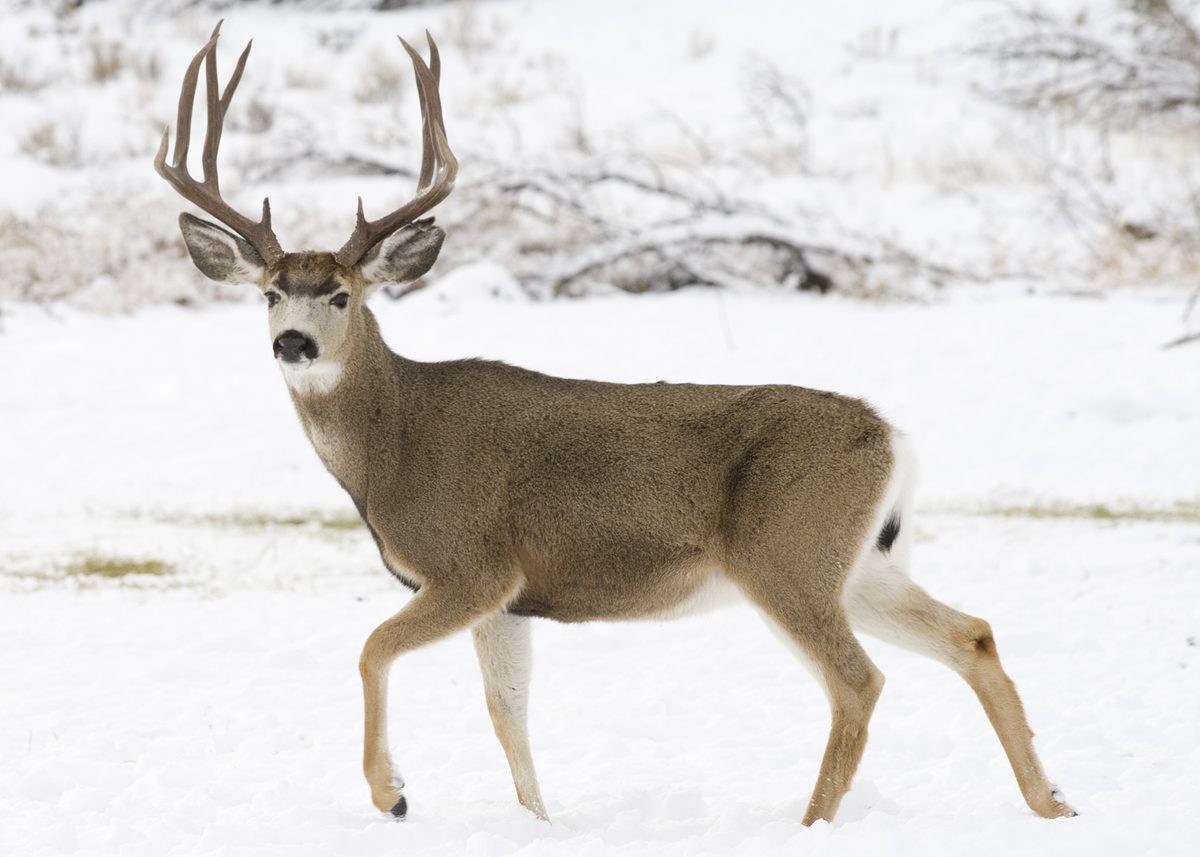
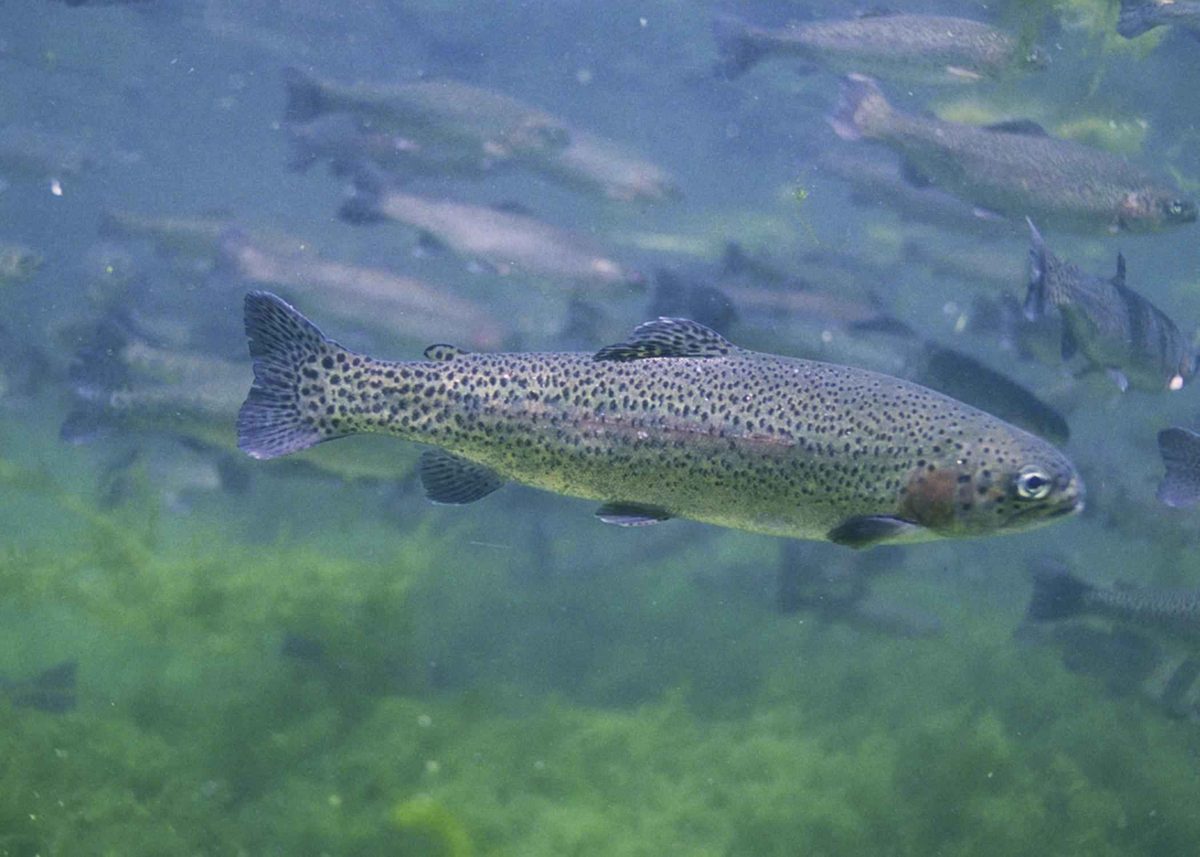
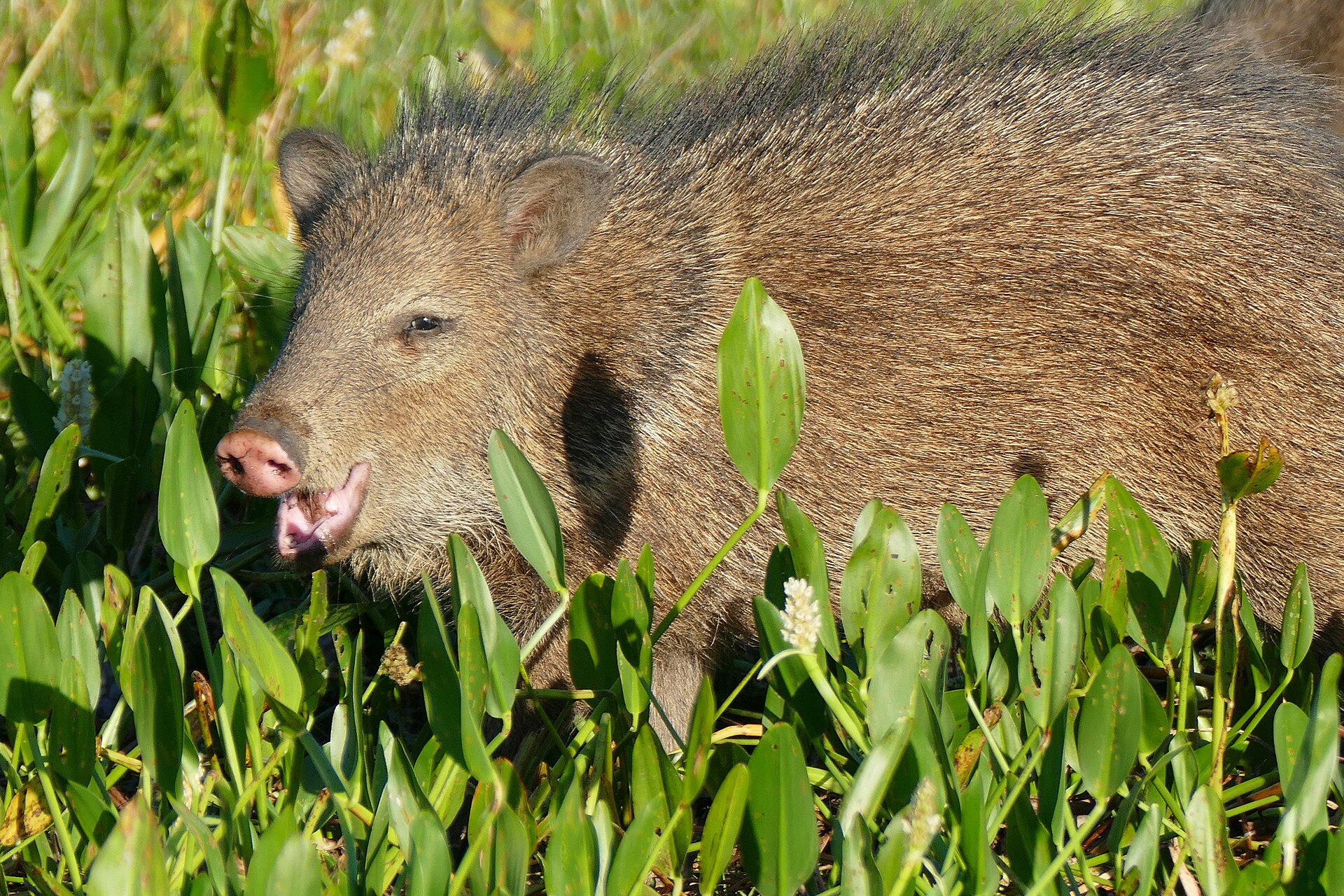
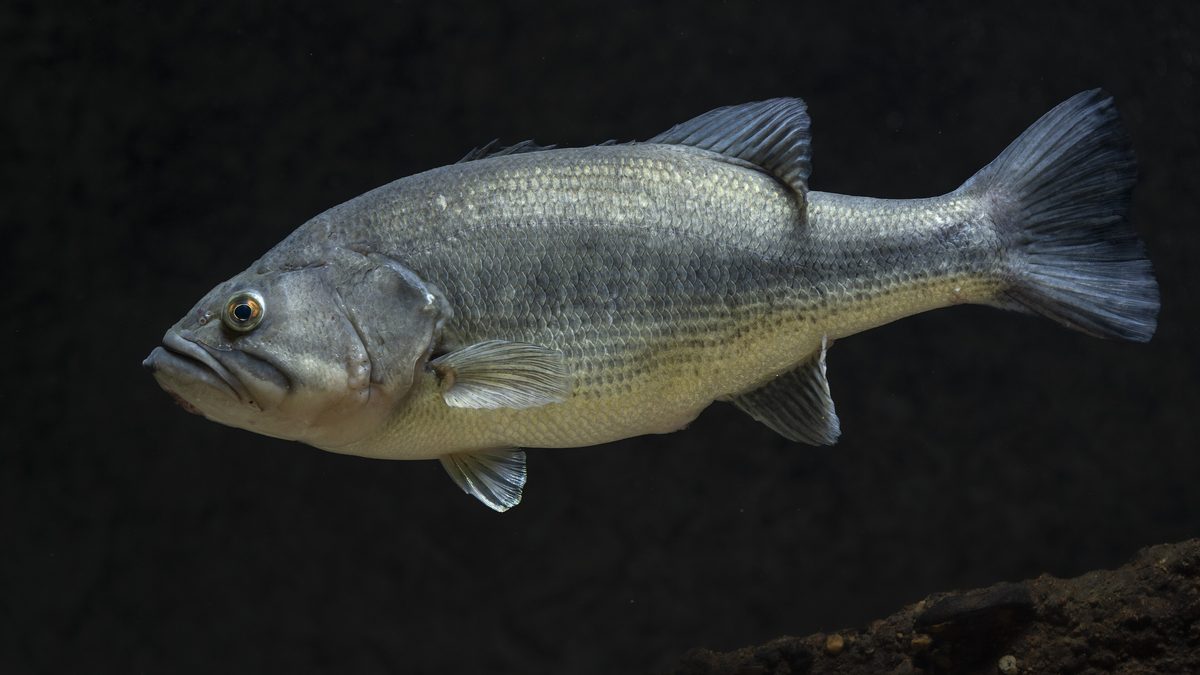
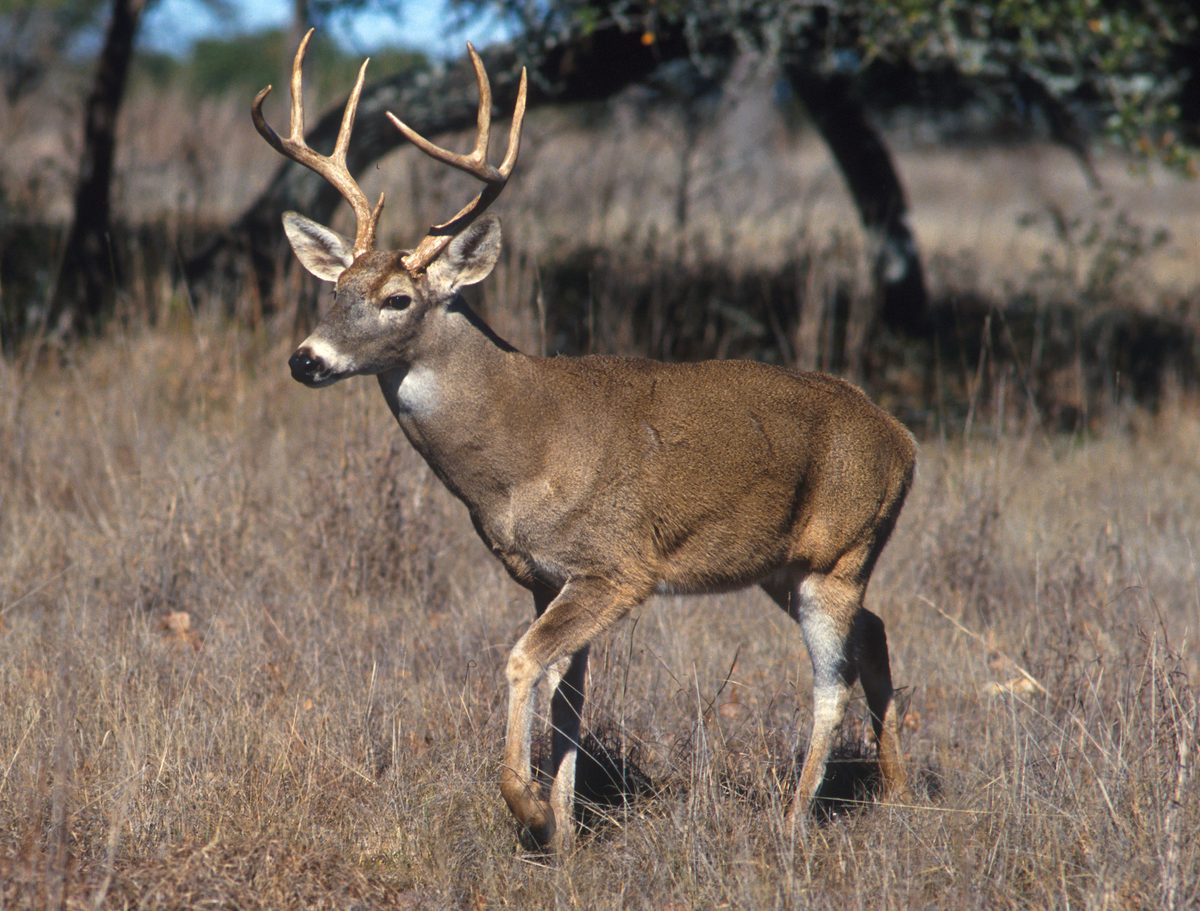
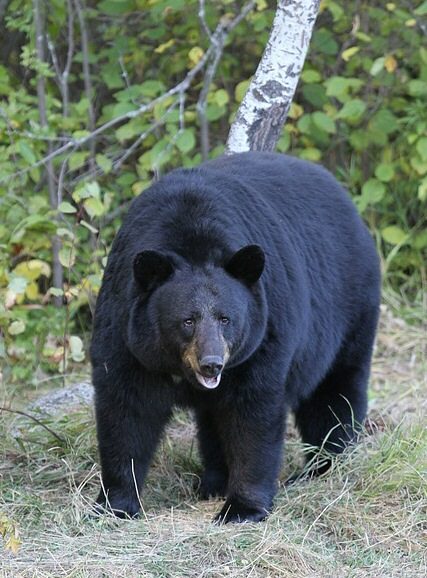
Animals around Hawaii Volcanoes Ka'u Desert

Kaʻū Desert in its volcanic setting
Plan a Kaʻū Desert visit in the broader setting of Hawaiʻi Volcanoes National Park, on the island of Hawaiʻi. The park encompasses Kīlauea, one of the world’s most active volcanoes, and Mauna Loa, the world’s largest shield volcano. Those volcanoes give the destination its essential context: this is a landscape shaped by volcanic processes, not a fixed backdrop. Across the park, volcanic terrain supports scientific study of how the Hawaiian Islands developed, alongside opportunities to encounter rare plants and animals. Keep the distinction between a park overview and a desert itinerary clear. A visit to the Kaʻū Desert needs its own confirmed access and route plan; general information about the park’s volcanoes does not establish a usable trail or an open approach.
Plan around changing volcanic conditions
Volcanic activity is a practical planning concern here. Kīlauea’s recent history includes explosions, toxic ash clouds, earthquakes, ground collapse, and road damage. These are park-level hazards, not a claim that every hazard is present throughout the Kaʻū Desert. They do mean that an old itinerary or a familiar map should not be treated as proof of current access. Halemaʻumaʻu crater has experienced intermittent eruptions with lava fountains and flows following a lull in activity. Before setting out, confirm the intended approach, trail status, and any volcanic safety guidance with park staff. Choose an outing that fits the conditions actually in effect, and keep an alternative plan. The presence of eruptive activity elsewhere in the park does not establish either safe access or a lava-viewing opportunity in the desert.
Cultural context and responsible preparation
The park’s landscapes also carry traditional Hawaiian cultural meaning. For Kanaka Maoli, volcanic eruptions are sacred, and the park’s cultural history includes an ethic of living without exhausting resources. Approach the desert as part of that living cultural landscape, rather than simply as unusual terrain to cross or photograph. Respect cultural features and follow park guidance about where visitors may travel. The wider park is recognized as both an International Biosphere Reserve and a World Heritage Site, reflecting its exceptional natural importance. For practical preparation, settle the basics before choosing a walking objective: where entry is allowed, whether the intended route is usable, and what equipment its conditions require. Confirm any permit requirements with the managing agency rather than assuming that general park access covers every outing.
Sample itineraries
- Kaʻu Desert orientation day · 1 day
Keep this a flexible day within Hawaiʻi Volcanoes National Park. Confirm Kaʻu Desert access and suitable routes with park staff before setting out. Focus on volcanic landscapes rather than a fixed trail objective, and change plans if volcanic conditions or access restrictions require it.
- Volcanic landscapes and cultural context · 2 days
Allow one day for a park-approved Kaʻu Desert outing and another for accessible park landscapes and learning about Kanaka Maoli connections to the volcanoes. Confirm each day's access independently. Do not build the trip around seeing lava or reaching Halemaʻumaʻu.
Seasonal conditions
Spring
Spring
Use current weather and park guidance to choose an outing. Seasonal conditions specific to Kaʻu Desert are not established here; volcanic activity and access restrictions deserve attention regardless of season.
Summer
Summer
Do not assume summer guarantees access or lava viewing. Kīlauea has been intermittently eruptive, and some park roads and trails remain closed. Check current conditions before choosing a route.
Fall
Fall
Keep plans flexible around current weather, volcanic activity and authorized access. A fall visit does not establish whether Halemaʻumaʻu will be erupting or which park routes will be available.
Winter
Winter
Check the forecast and current park notices rather than assuming conditions from the season alone. Confirm Kaʻu Desert access separately from general park opening information.
| Season | Window | Conditions |
|---|---|---|
| Spring | Spring | Use current weather and park guidance to choose an outing. Seasonal conditions specific to Kaʻu Desert are not established here; volcanic activity and access restrictions deserve attention regardless of season. |
| Summer | Summer | Do not assume summer guarantees access or lava viewing. Kīlauea has been intermittently eruptive, and some park roads and trails remain closed. Check current conditions before choosing a route. |
| Fall | Fall | Keep plans flexible around current weather, volcanic activity and authorized access. A fall visit does not establish whether Halemaʻumaʻu will be erupting or which park routes will be available. |
| Winter | Winter | Check the forecast and current park notices rather than assuming conditions from the season alone. Confirm Kaʻu Desert access separately from general park opening information. |
Permits, fees & closures
Confirm permit requirements and any applicable charges with Hawaiʻi Volcanoes National Park before planning a Kaʻu Desert outing.
Confirm current permits, fees, and closures with the managing agency before you go.
Hazards & regulations
- Active volcanism: the park encompasses Kīlauea and Mauna Loa. Check current park safety guidance before heading out.
- Explosions and toxic ash clouds have occurred at Halemaʻumaʻu. Do not treat past eruptive behavior as a forecast of safe conditions.
- Earthquakes and ground collapses have damaged park infrastructure. Respect barriers and avoid damaged ground.
- Some park roads and trails remain closed. Verify the specific route rather than assuming an open park means unrestricted access.
What to pack for Hawaii Volcanoes Ka'u Desert
- Supportive footwear suitable for volcanic landscapes
- Drinking water appropriate to the planned outing
- Food and a basic first-aid kit
- Layers selected for the current forecast
- Sun protection
- Current park map and access information
- Charged phone
Hawaii Volcanoes Ka'u Desert FAQ
- Where does this trip fit geographically?
- Plan Kaʻu Desert as part of a visit to Hawaiʻi Volcanoes National Park on the island of Hawaiʻi. The park encompasses Kīlauea and Mauna Loa.
- Which trailhead or route should be used?
- Confirm a suitable Kaʻu Desert access point and route with park staff. A specific trailhead, route length or hiking time cannot be reliably given here.
- Is the whole park accessible?
- No. Most of the park is open, but some road segments and trails remain closed. Check current notices for the particular outing; general park access does not establish Kaʻu Desert route access.
- Is lava viewing guaranteed?
- No. Halemaʻumaʻu has been intermittently eruptive, with lava fountains and flows. Activity and safe viewing access can change; plan around landscapes rather than a promised eruption.
- What cultural context matters?
- These volcanic landscapes have traditional Hawaiian cultural significance. Volcanic eruptions are regarded as sacred, and Kanaka Maoli traditions described for the park emphasize conserving resources. Treat the landscape respectfully.
- What wildlife should visitors expect?
- The park supports rare flora and fauna, but specific Kaʻu Desert species are not identified here. Observe wildlife without approaching or disturbing it, and avoid promising particular sightings.