



- Region
- Alberta, Canada
- Best season
- Spring, Summer
- Permits
- Confirm activity-specific requirements wit…
- Managed by
- Parks Canada
Plan with verified data
Jasper National Park trip tools
Tools for a trip here
Picked for how, when and where you're going. Free, no signup.
Photos of Jasper National Park
How to get there
Jasper National Park lies in Alberta’s Rocky Mountains, west of Edmonton and north of Banff National Park. Confirm the approach and access to the specific outing with Parks Canada before travelling.
- Athabasca Day Use Area
A named day-use location that Parks Canada also lists for special-event or facility rental. Confirm access and arrangements for the intended visit.
- Pyramid Island
A named park location listed by Parks Canada for weddings. Confirm visitor access and any event arrangements before including it in a plan.
Sources: parks.canada.ca · Wikipedia · Wikivoyage. Confirm road and trailhead conditions with the managing agency before you leave.
Alberta, Canada · Season: Best: July to September
- Canoeing
- Kayaking
- Hunting
- Climbing
- Mountaineering
- Winter Camping
- Skiing
- Hiking
The country
Jasper National Park encompasses the sprawling eastern slopes of the Canadian Rockies. Dense pine forests and broad alpine tundra valleys sit below highly glaciated peaks like Mount Edith Cavell. The region supports dense populations of grizzly bears, woodland caribou, and elk.
Why enthusiasts come
Backpackers and mountaineers are drawn here for immense alpine scale without the tight permitting competition found in neighboring Banff. Extended backcountry loops offer true wilderness isolation. Canoeists also flock to the calm, turquoise waters of Maligne Lake for multi-day paddling.
Top experiences
The Skyline Trail is a premier high-alpine traverse keeping hikers above treeline for over 25 kilometers. The Tonquin Valley offers sweeping views of the Ramparts towering over Amethyst Lake. Brazeau Loop provides an advanced 80-kilometer circuit through remote, high-altitude passes.
Planner-relevant notes
Backcountry permits are required for all overnight trips and highly sought-after routes book out early in spring. Utilizing established bear poles or carrying canisters is mandatory for food storage. High mountain passes can hold dangerous and impassable snow well into July.
Field notes
- Book the Skyline Trail exactly when reservations open, usually in February.
- The Notch on the Skyline trail can hold a dangerous cornice in early July.
- A packraft adds unique crossing options if attempting remote northern boundary routes.
- Prepare for aggressive mosquitoes in the Tonquin Valley from mid-July through August.
Where on earth
Satellite imagery flying in from a world view to Jasper National Park, Alberta, Canada. Use the + / − buttons, or click the map to zoom with your scroll wheel; drag to pan and pinch to zoom on touch.
Coordinates
- Decimal degrees
- 52.8737, -117.9543
- Latitude (DMS)
- 52° 52′ 25.3″ N
- Longitude (DMS)
- 117° 57′ 15.5″ W
Coordinates are an access-point reference for Jasper National Park, not a route. Carry a paper map and confirm trailhead or put-in access with the managing agency before you go.
Topic summary
Vast glaciated ranges, deep interior valleys, and turquoise lakes define the largest national park in the Canadian Rockies.
Key takeaways
- Region: Alberta, Canada
- Best season: Best: July to September
- Coordinates: 52.874, -117.954
Climate suitability
Best: July to September
Keep planning
Popular pursuits at Jasper National Park
- Canoeing
Paddle routes, portages, and put-ins.
- Kayaking
Sheltered and open-water paddling lines.
- Hunting
Seasons, tags, and the units that hold animals.
- Climbing
Rock and alpine lines with approach beta.
- Mountaineering
Glacier and high-route objectives with real consequence.
- Winter Camping
Cold-season travel and camp craft; layering matters more than mileage.
Animals around Jasper National Park
 Wildlife guideTimber wolfCanis lupus
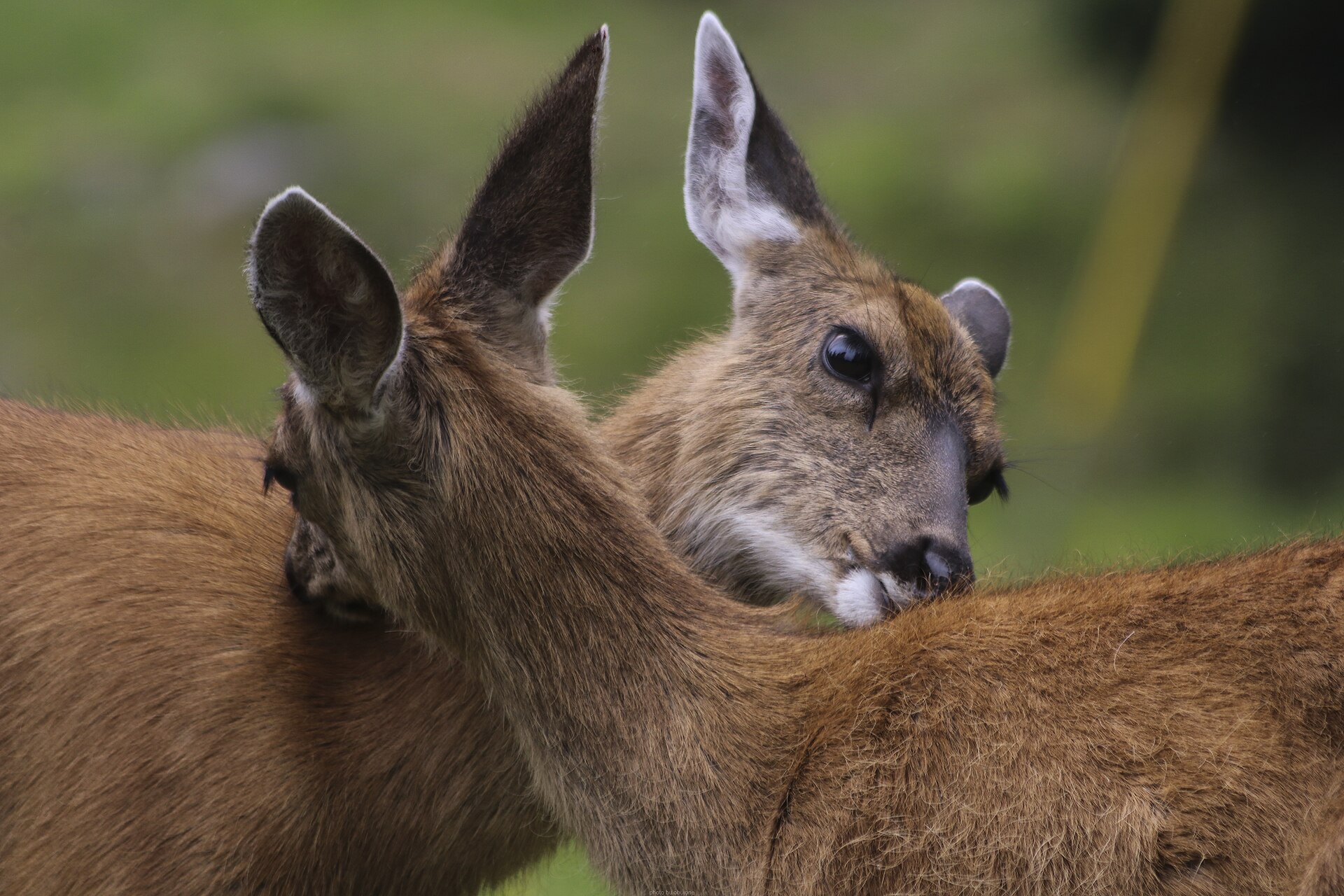 Big gameBlacktail DeerOdocoileus hemionus columbianus
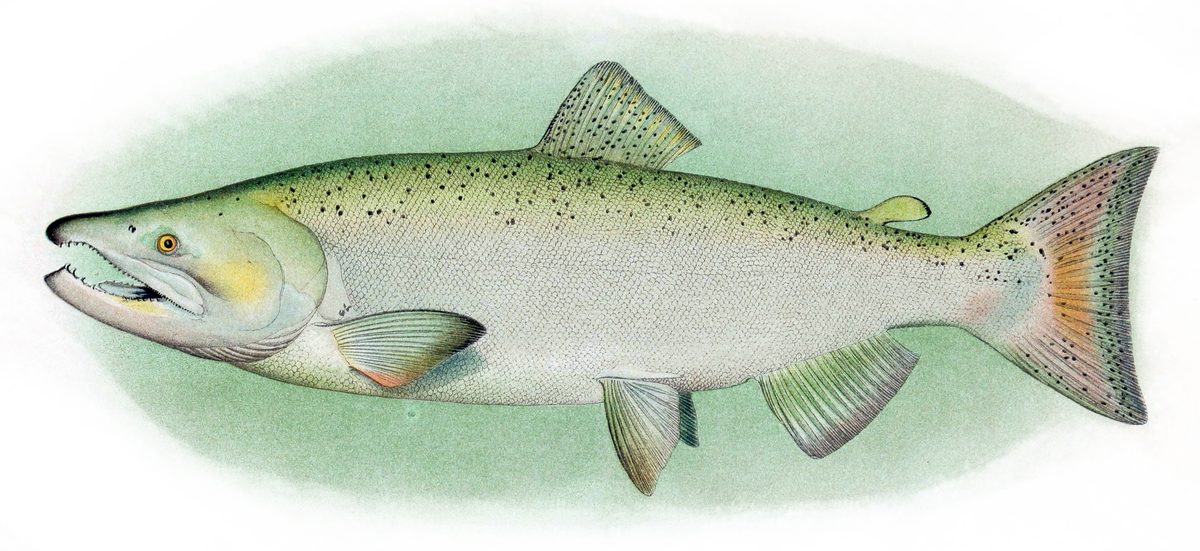 GamefishPacific SalmonOncorhynchus spp.
 Wildlife guideCanada lynxLynx canadensis
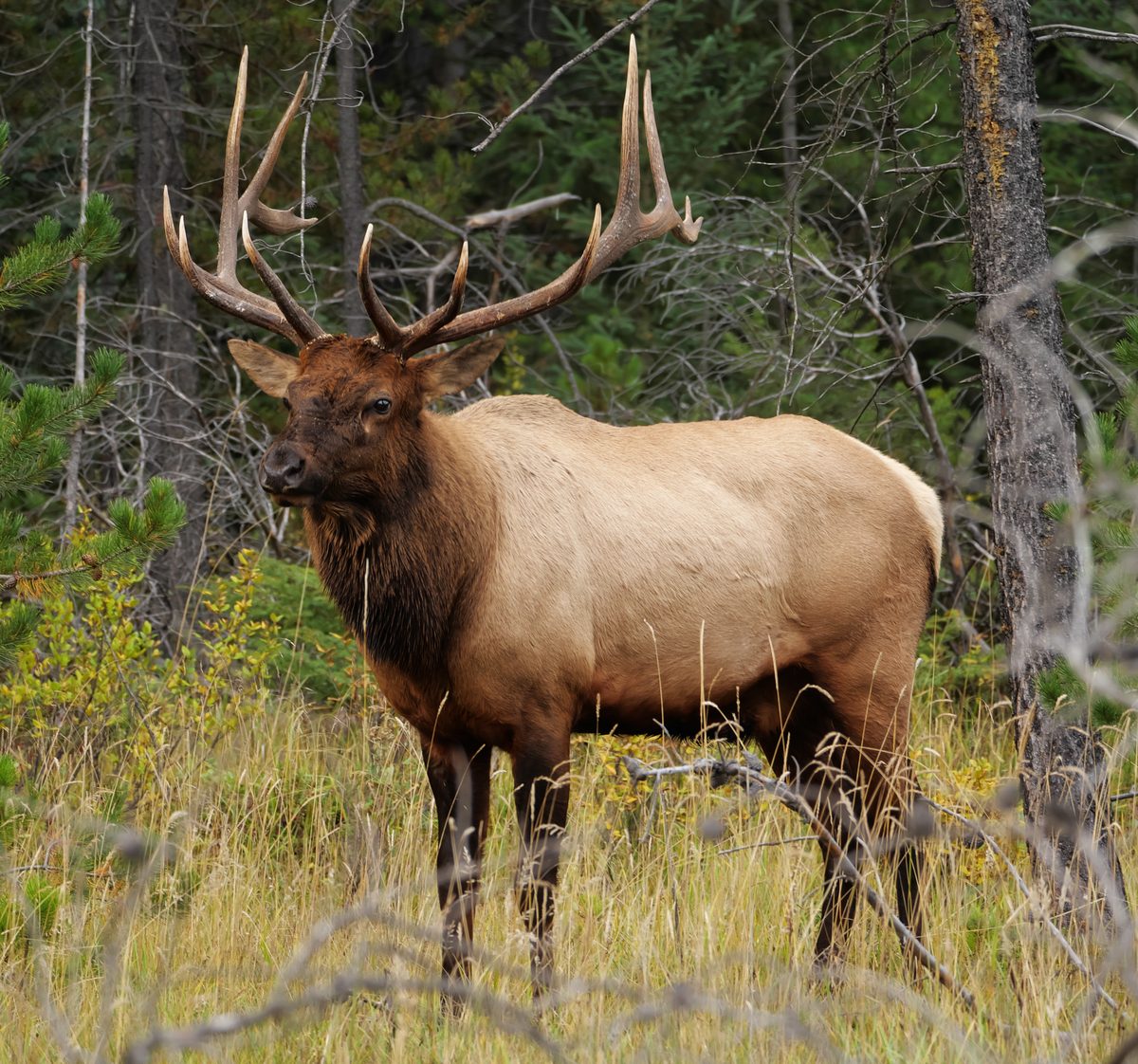 Big gameElkCervus canadensis
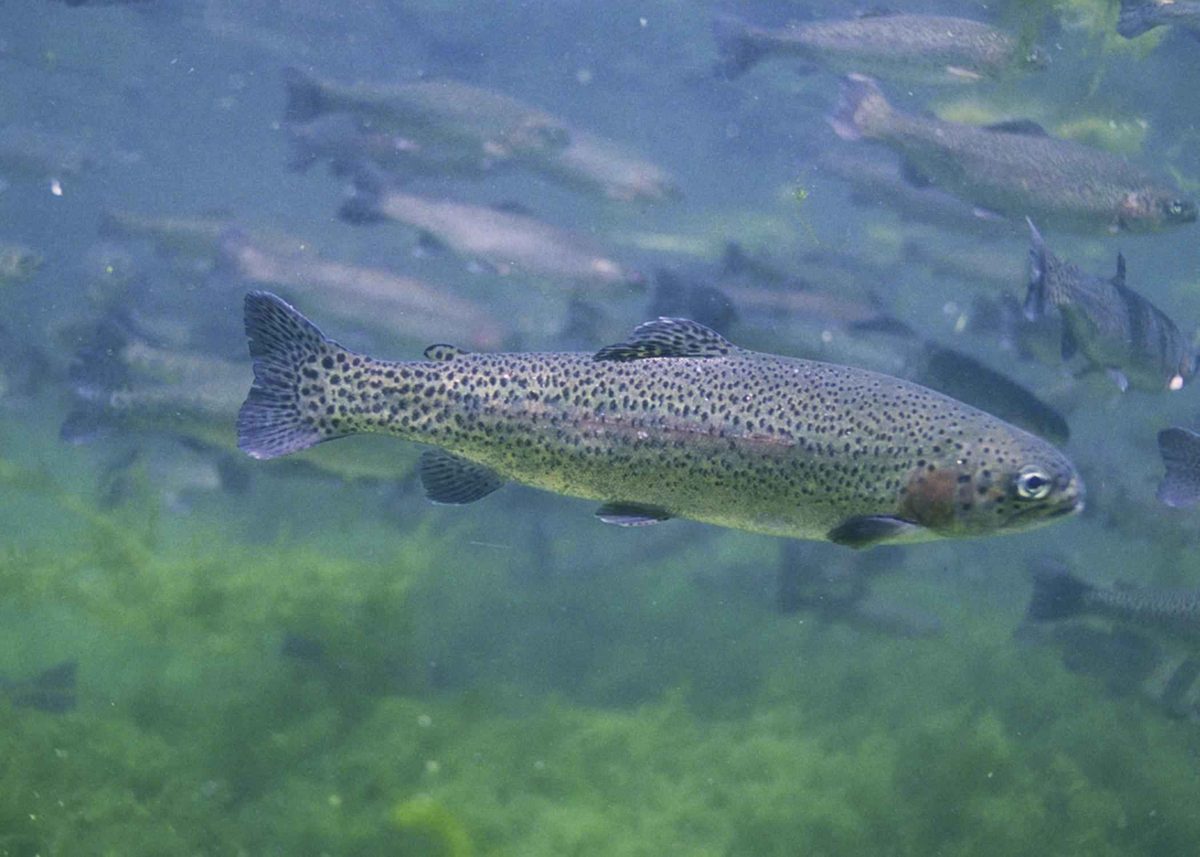 GamefishRainbow TroutOncorhynchus mykiss
 Wildlife guideBlack bearUrsus americanus
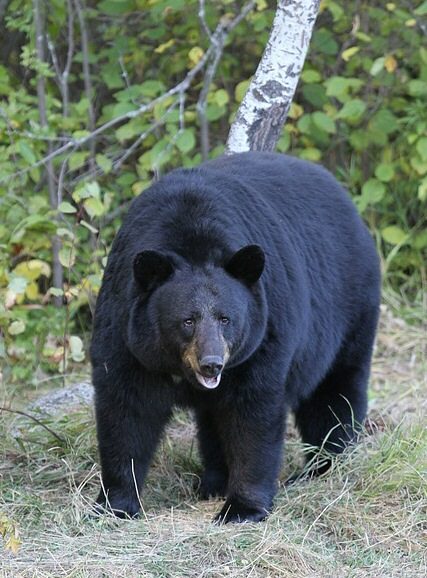 Big gameBlack BearUrsus americanus
Mountains, glaciers and a large park footprint
Jasper National Park covers 11,000 square kilometres in Alberta’s Rocky Mountains, north of Banff National Park and west of Edmonton. It is the largest national park in Alberta’s Rockies, with a landscape of mountains, lakes, waterfalls, springs and the glaciers of the Columbia Icefield. That scale matters when planning: focus on a manageable part of the park rather than treating every feature as a stop on one outing. Jasper was established as Jasper Forest Park in 1907, became a national park in 1930 and received UNESCO World Heritage recognition in 1984. For an outdoor visit, its defining contrast is between water-shaped landscapes and high mountain terrain. Choose objectives around the kind of ground the group is prepared to travel, not simply the number of sights on a list.
Build outings around confirmed access
The Columbia Icefield is a defining feature of Jasper’s mountain landscape, but a visit to see glaciers should not be treated as a plan to travel on them. Match any outing to the group’s experience and confirm the intended access with Parks Canada before departure. The Athabasca Day Use Area and Pyramid Island are other named places to discuss when checking visit plans; both also appear among the park’s special-event locations. For mountain outings, carry layers, weather protection, food and water, and leave room to change plans as conditions change. Keep sightseeing and more demanding travel as separate planning decisions. A broad destination choice is only the start: establish the actual route, its current condition and the equipment it calls for before setting out.
Admission, camping and trip administration
Parks Canada manages Jasper National Park. Regular fees apply from September 8, 2026. Daily admission is $12.25 for an adult, $10.75 for a senior and $24.50 for a family or group of up to seven people arriving in one vehicle; admission is free for youth aged 17 and under. Camping is charged separately, with prices varying by facilities and site type. Backcountry use and camping costs $15.00 per person per night. Online reservation, modification or cancellation service costs $11.50, while the equivalent phone service costs $13.50. Confirm booking procedures, applicable permits and current access directly with Parks Canada before committing to an overnight plan. Free youth admission covers entry, not a blanket exemption from camping or other service charges.
Route options
- Columbia Icefield visit
A destination-based outing focused on the glaciers associated with the Columbia Icefield. Confirm a specific viewing or travel itinerary with Parks Canada; this is not a defined glacier-travel route.
- Athabasca Day Use Area visit
A day-use destination option rather than a defined hiking route. Check current access and choose any walking itinerary only after confirming local route information.
Sample itineraries
- Jasper lakes, waterfalls and mountains · 2 days
Spend one day exploring lake scenery and a second focusing on waterfalls and mountain views. Choose individual stops after checking current access with Parks Canada. Keep this a flexible sightseeing plan rather than a fixed hiking route.
- Jasper and the Columbia Icefield · 3 days
Use the first day for lakes and mountain scenery, the second for viewing the Columbia Icefield's glaciers, and the third for waterfalls or a weather backup. Confirm access before setting out; glacier viewing does not require committing to travel on the ice.
Seasonal conditions
Spring
Conditions-dependent
Treat spring as a mountain transition season. Check snow and footing conditions before choosing walks, carry warm layers, and keep plans flexible rather than assuming higher terrain is ready for hiking.
Summer
Conditions-dependent
Plan around mountain weather, not warm temperatures alone. Carry rain protection and insulation for outings around lakes, waterfalls and glacier scenery. Confirm current access before committing to a full day's travel.
Fall
Conditions-dependent
Prepare for colder mountain conditions and adjust outings to available daylight. Bring insulation and weather protection, and check conditions before choosing higher-elevation objectives.
Winter
Conditions-dependent
Plan conservatively for cold, snow and ice in mountain terrain. Confirm suitable access and activities with Parks Canada; do not assume summer sightseeing or walking plans transfer directly to winter.
| Season | Window | Conditions |
|---|---|---|
| Spring | Conditions-dependent | Treat spring as a mountain transition season. Check snow and footing conditions before choosing walks, carry warm layers, and keep plans flexible rather than assuming higher terrain is ready for hiking. |
| Summer | Conditions-dependent | Plan around mountain weather, not warm temperatures alone. Carry rain protection and insulation for outings around lakes, waterfalls and glacier scenery. Confirm current access before committing to a full day's travel. |
| Fall | Conditions-dependent | Prepare for colder mountain conditions and adjust outings to available daylight. Bring insulation and weather protection, and check conditions before choosing higher-elevation objectives. |
| Winter | Conditions-dependent | Plan conservatively for cold, snow and ice in mountain terrain. Confirm suitable access and activities with Parks Canada; do not assume summer sightseeing or walking plans transfer directly to winter. |
Permits, fees & closures
Confirm activity-specific requirements with Parks Canada. Regular fees apply as of September 8, 2026. Admission is free for youth 17 and under; camping and other services have separate charges.
Fees: Daily admission: adult $12.25, senior $10.75, family/group $24.50. Family/group covers up to seven people arriving in one vehicle. Backcountry use and camping: $15.00 per person per night. Fishing permits: $15.00 daily or $51.25 annually. Fire permit: $13.75 per day.
Reservations: Online reservation, modification or cancellation service costs $11.50; phone service costs $13.50. Confirm availability and booking requirements with Parks Canada before planning an overnight stay.
Official source: Fees - Jasper National Park · Verified September 18, 2026
Hazards & regulations
- Mountain weather: carry insulation and weather protection, and change plans when conditions exceed the group's equipment or experience.
- Glacier terrain: treat Columbia Icefield glacier viewing separately from travel on ice; do not venture onto glaciers without appropriate skills and equipment.
- Lakes and waterfalls: use cautious footing near water and avoid approaching waterfall edges for a closer view.
What to pack for Jasper National Park
- Insulating layers
- Waterproof outer layer
- Warm hat and gloves
- Sun protection
- Sturdy footwear
- Drinking water
- Food
- Navigation tools
- Headlamp
- First-aid kit
- Binoculars for distant views
- Camera with weather protection
- Small daypack
Jasper National Park FAQ
- Where is Jasper National Park?
- Jasper is in Alberta's Rocky Mountains, north of Banff National Park and west of Edmonton, Canada.
- What landscapes can be explored?
- The park contains mountains, lakes, waterfalls, springs and glaciers of the Columbia Icefield. Choose specific outings according to current access, weather and the group's abilities.
- How large is the park?
- Jasper spans 11,000 square kilometres and is the largest national park within Alberta's Rocky Mountains. Avoid treating its different landscapes as a single compact sightseeing stop.
- Does free youth admission include camping?
- Free admission applies to youth 17 and under. It is an admission benefit, not a blanket waiver of camping or other service charges.
- Are fishing permits valid beyond Jasper?
- The listed fishing permits are valid in Banff, Jasper, Yoho and Kootenay national parks. Confirm current fishing rules with Parks Canada before fishing.
- Can a glacier-viewing trip include walking on the ice?
- Do not treat glacier travel as an extension of ordinary sightseeing. Keep viewing plans separate from on-ice travel, which calls for specialized skills and equipment.