



- Region
- Ontario, Canada
- Best season
- Spring, Summer
- Permits
- Confirm current permit requirements, booki…
Plan with verified data
Killarney Provincial Park trip tools
Tools for a trip here
Picked for how, when and where you're going. Free, no signup.
Photos of Killarney Provincial Park
How to get there
Killarney Provincial Park is approximately 90 km southwest of downtown Sudbury, Ontario, on the north shore of Georgian Bay. George Lake is the named entrance associated with the park's only campground.
- George Lake entrance
The park entrance where its only campground is located.
- George Lake campground
An overnight base at the George Lake entrance, rather than a separate gateway. Accommodation includes campsites and six heated yurts.
Sources: Wikipedia · Wikivoyage. Confirm road and trailhead conditions with the managing agency before you leave.
Ontario, Canada · Season: Best: May - October
- Canoeing
- Kayaking
- Mountaineering
- Winter Camping
- Skiing
- Hiking
- Wildlife Viewing
- Fishing
The country
The park is defined by the La Cloche Mountains, predominantly composed of brilliant white quartzite that resembles snow caps year-round. These mineral-rich ridges overlook deep plunge pools and lakes tinted an unnatural, crystalline sapphire blue. Jack pines cling to the smooth bedrock in a landscape made famous by the Group of Seven painters.
Why enthusiasts come
Outdoor purists respect Killarney for its punishingly steep, rocky portages and exposed, technical ridge hiking. It remains the crown jewel of Ontario's park system, demanding fitness but rewarding with unmatched crystalline lake swimming.
Top experiences
The 78-kilometer La Cloche Silhouette Trail loops the entire park, offering brutal climbs and expansive views from Silver Peak. Canoeists undertake multi-lake circuits linking George, O.S.A., and Killarney Lakes through tight, rocky portages.
Planner-relevant notes
Backcountry permits are fiercely competitive and must be booked exactly five months in advance through the Ontario Parks portal. The quartzite bedrock does not absorb water, making trails extremely slick and prone to flash-flooding during rain. Bear hangs are notoriously difficult due to the stunted pine growth; use an approved bear-resistant container instead.
Field notes
- White quartzite acts as a reflector oven in summer; carry upwards of 4 liters of water for any ridge hiking.
- Portages in the western section (e.g., Baie Fine to Artist Lake) feature abrupt elevation gains; pack ultra-light to avoid multiple trips.
- Campsites on O.S.A. Lake are considered the finest in Ontario but book out within minutes; target Nellie Lake as a stunning alternative.
- Stakes are utterly useless on the bedrock campsite pads; bring extra guyline to anchor your tent to rocks and roots.
Where on earth
Satellite imagery flying in from a world view to Killarney Provincial Park, Ontario, Canada. Use the + / − buttons, or click the map to zoom with your scroll wheel; drag to pan and pinch to zoom on touch.
Coordinates
- Decimal degrees
- 46.0167, -81.4000
- Latitude (DMS)
- 46° 1′ 0.1″ N
- Longitude (DMS)
- 81° 24′ 0.0″ W
Coordinates are an access-point reference for Killarney Provincial Park, not a route. Carry a paper map and confirm trailhead or put-in access with the managing agency before you go.
Topic summary
White quartzite ridges rise dramatically above turquoise lakes, providing a brilliant canvas for legendary long-distance canoeing and ridge hiking.
Key takeaways
- Region: Ontario, Canada
- Best season: Best: May - October
- Coordinates: 46.017, -81.400
Climate suitability
Best: May - October
Keep planning
Popular pursuits at Killarney Provincial Park
- Canoeing
Paddle routes, portages, and put-ins.
- Kayaking
Sheltered and open-water paddling lines.
- Mountaineering
Glacier and high-route objectives with real consequence.
- Winter Camping
Cold-season travel and camp craft; layering matters more than mileage.
- Skiing
Ski-touring access when the road closes for the season.
- Hiking
Day miles on marked trail, with route notes and trail links below.
Animals around Killarney Provincial Park
 Wildlife guideTimber wolfCanis lupus
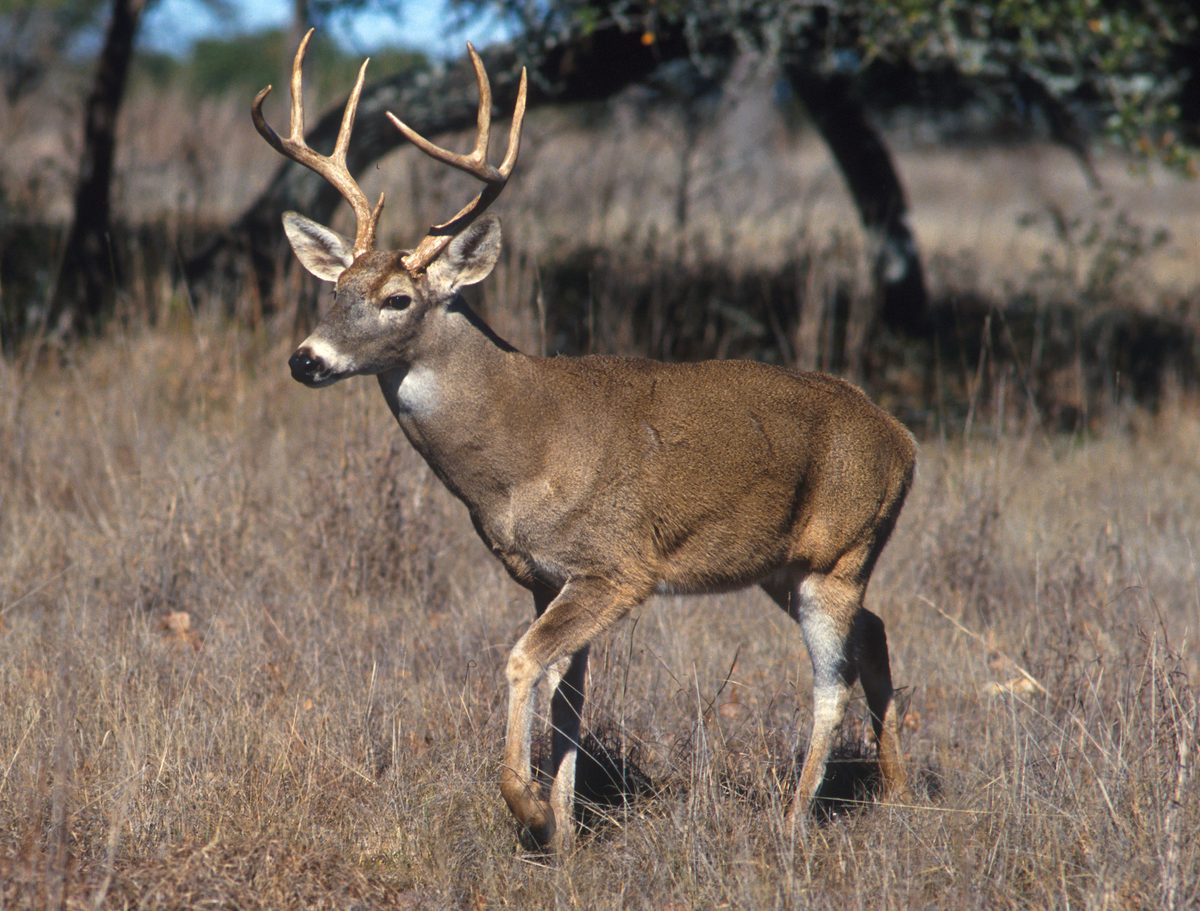 Big gameWhitetail DeerOdocoileus virginianus
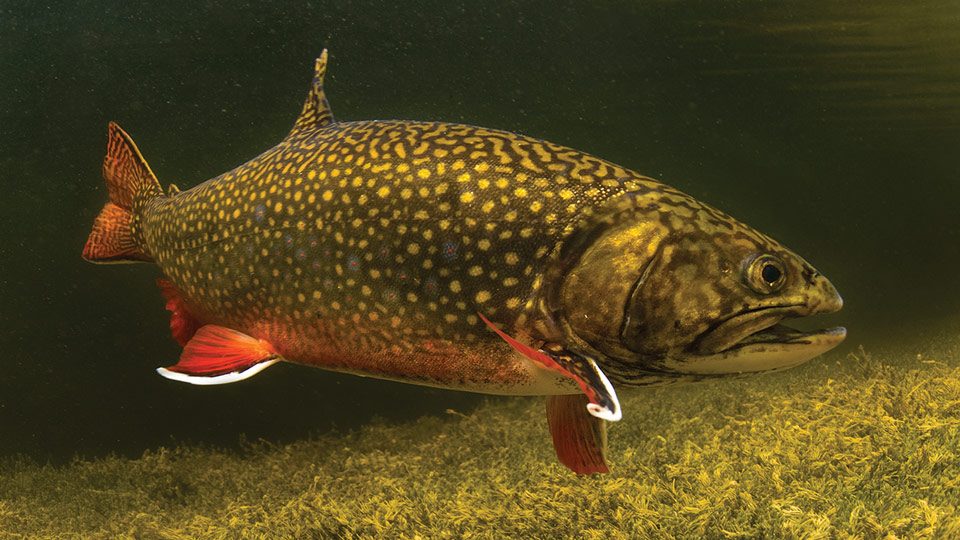 GamefishBrook TroutSalvelinus fontinalis
 Wildlife guideCanada lynxLynx canadensis
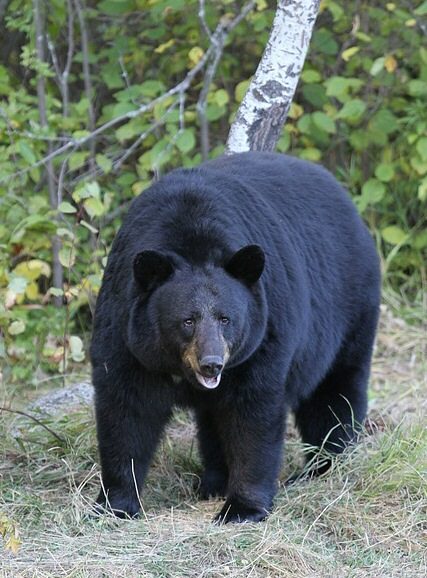 Big gameBlack BearUrsus americanus
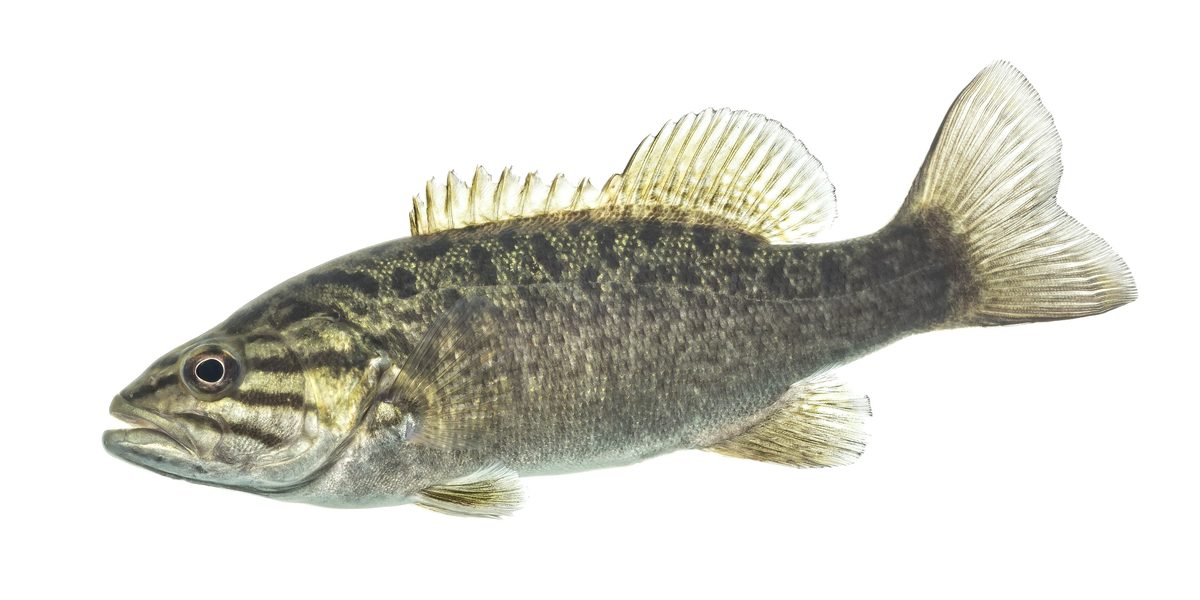 GamefishSmallmouth BassMicropterus dolomieu
 Wildlife guideBlack bearUrsus americanus
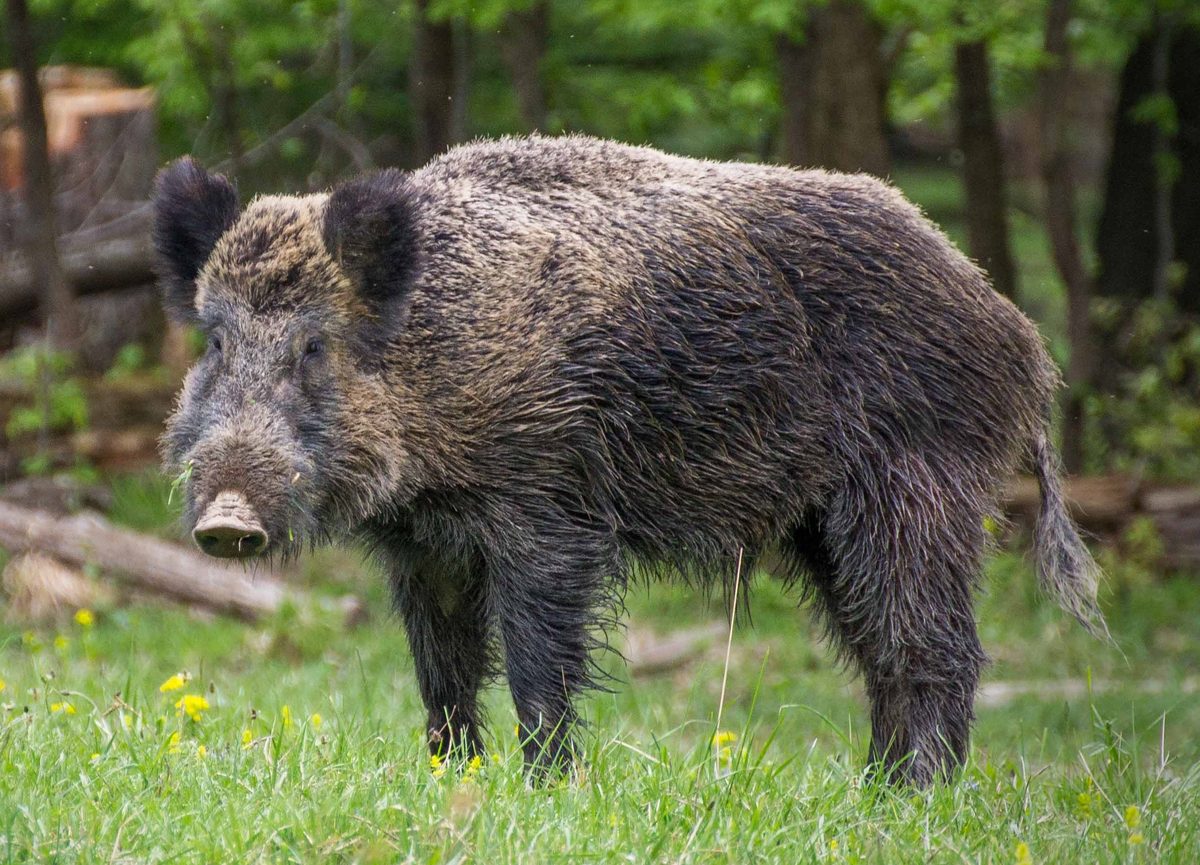 Big gameWild HogSus scrofa
White quartzite hills and linked lakes
Killarney Provincial Park sits on the north shore of Georgian Bay in central Ontario, within the municipality of Killarney. The La Cloche range runs through the park, with rounded white quartzite hills, peaks and cliffs rising above lakes, pine and hardwood forests, and boggy lowlands. That contrast gives the landscape its distinctive character, but it also matters underfoot: soils are often shallow, stony and infertile. Plan for uneven ground rather than assuming lakeside travel will be easy. The park is primarily a wilderness destination, with few facilities beyond its single campground. Its hiking trails and lake-to-lake canoe routes offer two different ways to explore, so choose a trip around the kind of travel and level of self-sufficiency the group can comfortably manage.
Choosing a camping and travel style
George Lake is the park's only campground and sits at the George Lake entrance. It provides a base for visitors who want campground accommodation rather than a canoe-in backcountry trip. The campground also has six heated yurts equipped with electric lighting, a power outlet, a propane barbecue and bunk beds. Beyond that base, canoe-in camping is a central part of the park's wilderness experience. Canoe routes connect lakes by maintained portages, making carrying equipment part of the journey rather than an incidental task. Pack with those carries in mind and keep loads manageable. Hikers have a number of trails to choose from, while paddlers should plan for both time on the water and the work of moving between lakes.
Forest, wildlife and low-impact travel
Killarney lies in the Eastern forest-boreal transition ecoregion, supporting varied plant life across its forests, wetlands and rocky terrain. Quartzite supplies few nutrients, while local deposits of diabase and limestone support richer vegetation. These differences help explain why bare-looking hills and more luxuriant forest can occur within the same park. Wildlife includes moose, deer, black bears, wolves, lynx, bobcats, martens and beavers. More than 100 bird species breed, nest or rest here, alongside over 20 species of reptiles and amphibians. Keep wildlife viewing distant and avoid approaching animals for photographs. Store food securely, keep camps clean and avoid disturbing wetland edges. With shallow soils and limited facilities, careful campsite habits and carrying out waste are especially important.
Route options
- Hiking trails
Explore the park on its hiking trails through a landscape of quartzite hills, forests, lakes and boggy lowlands. Select a trail suited to the group's ability and prepare for uneven, stony ground.
- Lake-to-lake canoe routes
Travel between lakes using maintained portages, with canoe-in backcountry camping available. Plan around carrying the canoe and equipment as well as paddling.
Sample itineraries
- George Lake hiking base · 2 days
Base a two-day visit at the park’s only campground, at the George Lake entrance. Explore hiking trails through the park’s quartzite hills, pine and hardwood forests, and lake country. Choose outings to match your ability, and confirm trail conditions and accommodation availability before arrival.
- Canoe-in backcountry camping · 3 days
Plan a three-day canoe-camping trip using the park’s lake routes and maintained portages. Select a route that fits your paddling and carrying ability rather than assuming a fixed daily distance. With few facilities beyond the entrance campground, carry the supplies needed for a self-sufficient trip.
Seasonal conditions
Spring
Spring; confirm conditions before choosing dates
For travel among lakes and boggy lowlands, prepare for wet footing and changing weather. Confirm water and trail conditions before committing to a canoe route or backcountry hike.
Summer
Summer; check the forecast before departure
Lake travel, portages and hiking require different equipment. Carry drinking-water treatment and weather protection, and adjust plans to conditions rather than treating summer as a guarantee of easy travel.
Fall
Fall; confirm access and accommodation availability
The landscape includes hardwood forests alongside pines and white quartzite hills. Pack insulating layers and rain protection, and leave enough daylight for hiking, paddling and portaging.
Winter
Winter; confirm available services before planning
Heated yurts are described at George Lake, but confirm seasonal availability before relying on them. Prepare for cold-weather exposure, and do not assume lake ice is safe or hiking routes remain suitable.
| Season | Window | Conditions |
|---|---|---|
| Spring | Spring; confirm conditions before choosing dates | For travel among lakes and boggy lowlands, prepare for wet footing and changing weather. Confirm water and trail conditions before committing to a canoe route or backcountry hike. |
| Summer | Summer; check the forecast before departure | Lake travel, portages and hiking require different equipment. Carry drinking-water treatment and weather protection, and adjust plans to conditions rather than treating summer as a guarantee of easy travel. |
| Fall | Fall; confirm access and accommodation availability | The landscape includes hardwood forests alongside pines and white quartzite hills. Pack insulating layers and rain protection, and leave enough daylight for hiking, paddling and portaging. |
| Winter | Winter; confirm available services before planning | Heated yurts are described at George Lake, but confirm seasonal availability before relying on them. Prepare for cold-weather exposure, and do not assume lake ice is safe or hiking routes remain suitable. |
Permits, fees & closures
Confirm current permit requirements, booking procedures and camping rules with the park’s managing agency before travel.
Confirm current permits, fees, and closures with the managing agency before you go.
Hazards & regulations
- Quartzite hills, cliffs and stony ground require careful footing; keep clear of cliff edges.
- Boggy lowlands can mean wet footing. Choose footwear suited to uneven, damp terrain.
- Lake crossings require sound paddling judgment. Wear a properly fitted flotation device and avoid conditions beyond your ability.
- Portages add carrying demands between lakes. Keep loads manageable and allow time for repeated carries if needed.
- Few facilities make backcountry delays more consequential. Carry navigation tools, emergency supplies and a communication plan.
- Black bears live in the park. Secure food and scented items, keep a clean camp and give wildlife space.
What to pack for Killarney Provincial Park
- Footwear with grip for stony ground
- Map and compass
- Headlamp
- First-aid kit
- Properly fitted flotation device
- Paddle and canoe safety equipment
- Waterproof bags
- Manageable portage packs
- Shelter and season-appropriate sleeping gear
- Drinking-water treatment
- Food and secure food-storage equipment
- Emergency communication equipment
- Rain jacket
- Insulating layers
- Sun protection
- Spare dry clothing
Killarney Provincial Park FAQ
- Where is Killarney Provincial Park?
- The park is on the north shore of Georgian Bay in Ontario’s municipality of Killarney, approximately 90 km southwest of downtown Sudbury. It straddles the La Cloche range.
- What makes the landscape distinctive?
- Rounded white quartzite hills and cliffs rise above lakes, boggy lowlands, and pine and hardwood forests. Much of the soil is shallow and stony, with more luxuriant vegetation in some areas over other rock types.
- Where is the main campground?
- The park’s only campground is at the George Lake entrance. Killarney is primarily a wilderness park, with few facilities and additional camping reached by canoe.
- What are the yurts like?
- The campground includes six heated yurts with electric lighting, a power outlet, a propane barbecue and bunk beds. Confirm availability and what bedding or cooking supplies to bring before booking.
- Do canoe trips involve portaging?
- The canoe routes include maintained portages between lakes. Choose a route around both paddling ability and the weight you can comfortably carry.
- Is a campground-based visit worthwhile?
- Yes. George Lake provides a base for exploring hiking trails without taking on canoe-in camping. Backcountry trips suit visitors prepared to manage their own supplies and travel with limited facilities.