Current seams
Rivers
The line between fast water and slack behind a boulder, wing dam, or island point. Fish sit in the slack and eat out of the fast.
Fishing · Species · Smallmouth Bass
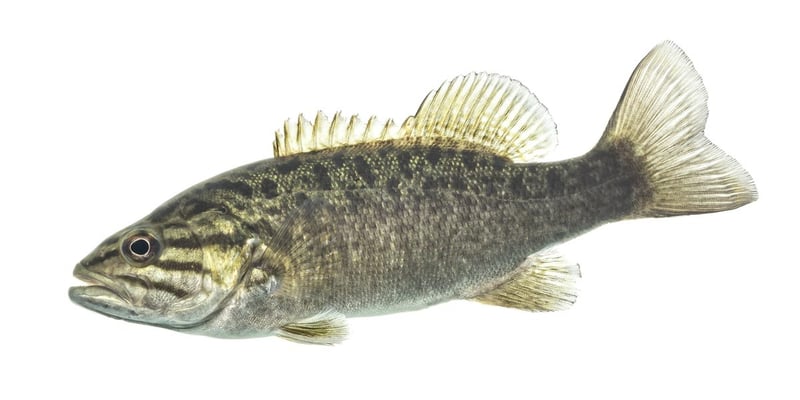
Pound for pound the hardest-fighting freshwater fish most anglers will ever hook — and it lives in current and clean rock.
Smallmouth want the opposite of what largemouth want: cool, clean water over rock and gravel, usually with current or wind moving across it. Where those two habitats overlap in a lake, the fish separate by exactly that preference.
They are the best fighting freshwater fish in North America by most anglers' reckoning — a three-pounder in current fights like a six-pound largemouth and jumps repeatedly.
River smallmouth and lake smallmouth are almost different sports. The river fish holds behind current breaks and can be waded to; the lake fish roams offshore rock and takes electronics or a lot of local knowledge to find.
01
Smallmouth reach their best size in big, cold, clear water, but the most enjoyable fishing is often a small river you can wade.
| Water & region | Why it's worth your time | Access & license |
|---|---|---|
| Lake Erie (Ohio/Pennsylvania/NY) | The best average size in the world — 4 lb fish are routine | State license; a lake-specific season protects the spawn |
| Lake St. Clair (Michigan) | Enormous numbers over vast flats | Michigan or Ontario license depending on side of the line |
| Susquehanna & Potomac (PA/MD) | Classic wadeable river smallmouth | Standard license; catch-and-release stretches in spring |
| Boundary Waters / Quetico | Wilderness fish that see almost no lures | Permit plus MN or Ontario license; quotas apply |
| Ozark streams (MO/AR) | Float-trip fishing in gin-clear water | State license; special management areas have length limits |
02
River or lake, the process is the same: find rock and current seams, then match your presentation to how aggressive the fish are.
03
Smallmouth are rock and current fish. Where largemouth want cover, smallmouth want hard bottom and something breaking the flow.
Rivers
The line between fast water and slack behind a boulder, wing dam, or island point. Fish sit in the slack and eat out of the fast.
Lakes
Where chunk rock turns to gravel, or gravel to sand, on a main-lake point in 8–20 feet.
Summer
Isolated boulder piles topping out at 10–18 feet hold roaming schools chasing gobies and shad.
Cold water
Vertical rock lets fish change depth without moving horizontally; deadly in late fall and early spring.
04
These are the presentations that consistently produce smallmouth bass, with the conditions each one is actually for — not a tackle-shop wall.
Numbers
A 2.75" stick on a 1/10–3/16 oz mushroom head, dragged on rock. The most consistent smallmouth bait in North America.
Classic
Hop-and-drag on gravel; the spiral fall imitates a fleeing crayfish better than anything else.
Clear/deep
For fish you can see on electronics in 15–35 feet that will not chase.
Cold water
Suspending, hard pause of 5–15 seconds in 45–55°F water. The pause is the presentation.
Search
A 3.5–4.5" paddle tail swum just above the rock finds active fish fast on a new shoal.
Summer mornings
Smallmouth will come twenty feet up for a walking bait over a hump on calm mornings.
05
Smallmouth are current and rock fish that move more than largemouth. The seasonal migration on rivers and big lakes is dramatic.
| Season | Where the fish are | What works |
|---|---|---|
| Pre-spawn (45–58°F) | Migrating from wintering holes to spawning flats; staging on gravel points and the first drop near river mouths | Suspending jerkbaits, hair jigs, blade baits, Ned rigs — slow and subtle |
| Spawn (58–68°F) | Beds on gravel and sand in 2–10 ft, often clearer and deeper than largemouth | Tubes, drop shots, and ned rigs worked through bed areas; heavy sight-fishing in clear lakes |
| Post-spawn / early summer | Scattered along rocky shorelines and weed edges, chasing alewives and crayfish | Topwater walking baits, swimbaits, spinnerbaits at first and last light |
| Summer | Offshore humps, boulder fields, and deep rock in 15–35 ft on lakes; fast riffles and current seams on rivers | Drop shot, tube jigs, deep cranks; in rivers, topwater and crawfish imitations in the current |
| Fall | Feeding heavily on shallow rock and points as water cools; big fish move up | Spinnerbaits, jerkbaits, football jigs; the best window for a 5-pounder |
| Winter | Deep wintering holes in rivers (slow, 10–20 ft) and deep basins in lakes | Hair jigs, blade baits, and float-n-fly in near-freezing water; slow everything down |
06
Smallmouth feed more through the day than largemouth, especially with wind or current, but the edges of the day still win.
Best
Topwater along rocky shorelines and over boulder fields; walking baits and poppers draw explosive strikes before the sun hits the water.
Fish drop deeper or tuck into current breaks. Drop shot and tube jigs on structure; on rivers, a midday crawfish bite in riffles is reliable.
Best
Fish rise to feed on emerging insects and baitfish; swimbaits, jerkbaits, and topwater until dark.
Best all-day bite. Moving baits — spinnerbaits, swimbaits, crankbaits — on the wind-blown structure.
07
Smallmouth rigs are finesse rigs. Light line and small profiles matter in the clear water they prefer.
Palomar a #1 or 1/0 drop-shot hook 12–18 in above a 1/4–3/8 oz cylinder weight; nose-hook a 3–4 in finesse worm or minnow. Shake in place over deep rock.
1/10–1/5 oz mushroom head with a 2.75 in buoyant stick bait. Cast, let it sit, drag it an inch. The most reliable numbers rig in clear water.
3.5 in tube on a 1/4–3/8 oz internal jighead, dragged and hopped over gravel and boulders to imitate crayfish and gobies.
1/16 oz hair jig 8–12 ft below a slip float, fished dead-still in cold water; the fish inhale it while it hangs.
Single small split shot 18 in above a #4 hook with a live bait or leech, drifted with the current through river pools.
08
Live bait is deadly on smallmouth, especially in rivers and in cold water.
#1
Hook through the tail on a #2 hook with a split shot, drifted along rock ledges and current seams; the natural forage everywhere they live.
Hooked through the sucker on a #4 hook, split shot or slip float, fished on rock points; irresistible in summer on northern lakes.
Lip-hooked on a jig or a plain hook under a slip float, drifted along breaklines in spring and fall.
The classic river bait; hooked under the collar and drifted through riffles in summer.
09
Smallmouth reward anglers who read current and structure and adjust speed constantly.
10
As with all black bass, no tag or draw — but smallmouth waters carry more closed seasons and slot rules than largemouth waters do.
11
A day of river smallmouth is more like wade-fishing for trout than bass fishing. You move constantly, cast short, and read current.
Lake Erie in June is the other extreme — offshore, wind-dependent, and physically demanding, with an average fish larger than most people believe.
Fall is the underrated window everywhere. As water drops through the 60s, smallmouth group up hard and eat with real aggression.
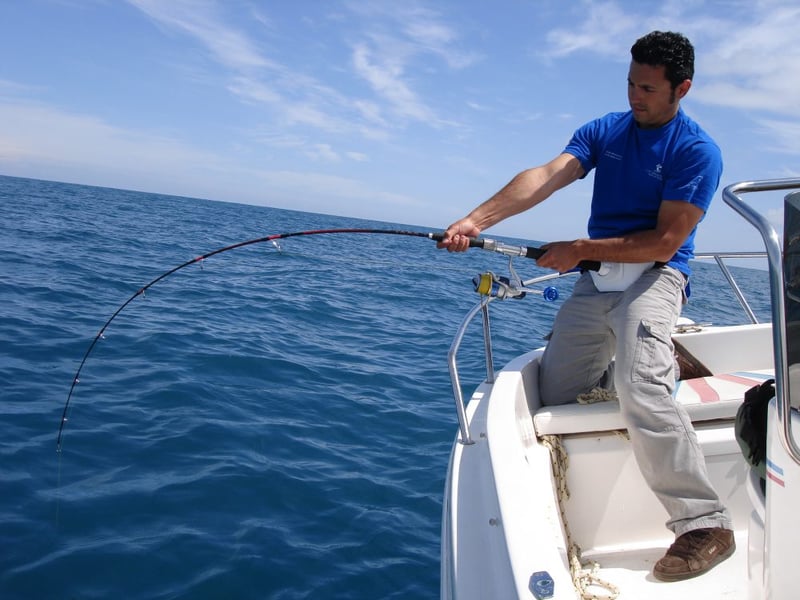
12
The rod, line, and terminal choices that actually change your hookup rate — with the numbers, not vague categories.
Core rod
Light enough to work a tube or Ned rig, strong enough for a 4 lb fish in current.
Smooth drag matters more here than in any other freshwater bass fishing.
Sensitivity for bottom contact plus invisibility in clear water.
Best bait
The purest crayfish imitation there is; drag it on rock and hold on.
Catches fish when nothing else will, especially in cold or pressured water.
The cold-water and pre-spawn answer; long pauses are what triggers the strike.
13
What happens between the hookset and the cooler decides whether you land the fish and whether it is worth eating.
14
Cleaning a smallmouth bass the right way takes about four minutes once you know the sequence.
15
Smallmouth from cold, clean water are excellent — firmer and cleaner-tasting than largemouth.
River populations are small and slow-growing; releasing everything over about 15 inches is the norm and keeps those stretches good.
If keeping fish, bleed and ice them immediately — smallmouth flesh softens fast in a warm livewell.
Size limits, creel limits, and seasons are set water by water and change every year. These agencies publish the current rules.
Weekly Erie smallmouth locations and current regulations.
Susquehanna smallmouth seasons and catch-and-release stretches.
Questions
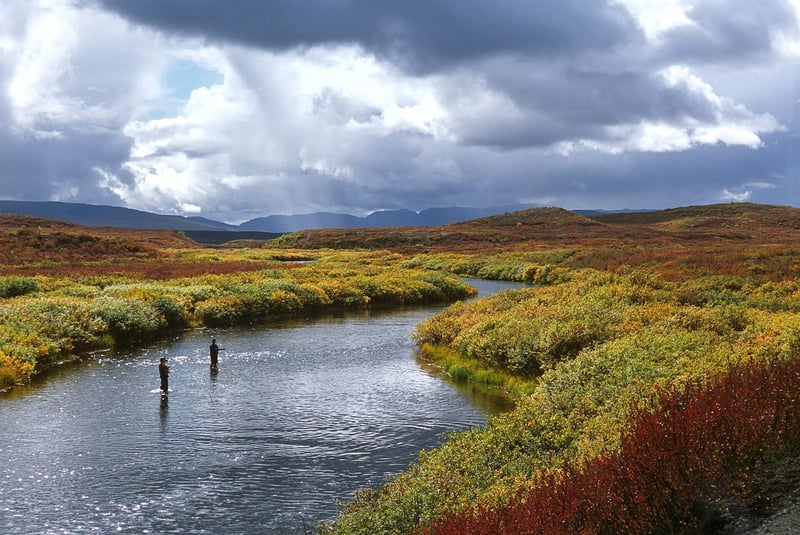
Where every fishing guide on The Wild10 starts.
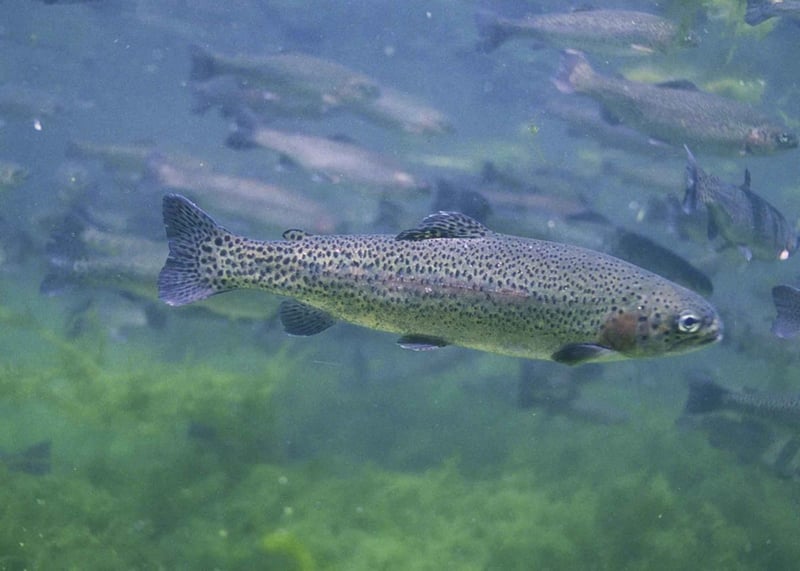
Body shape, fins, mouth, and markings for 30+ North American gamefish.
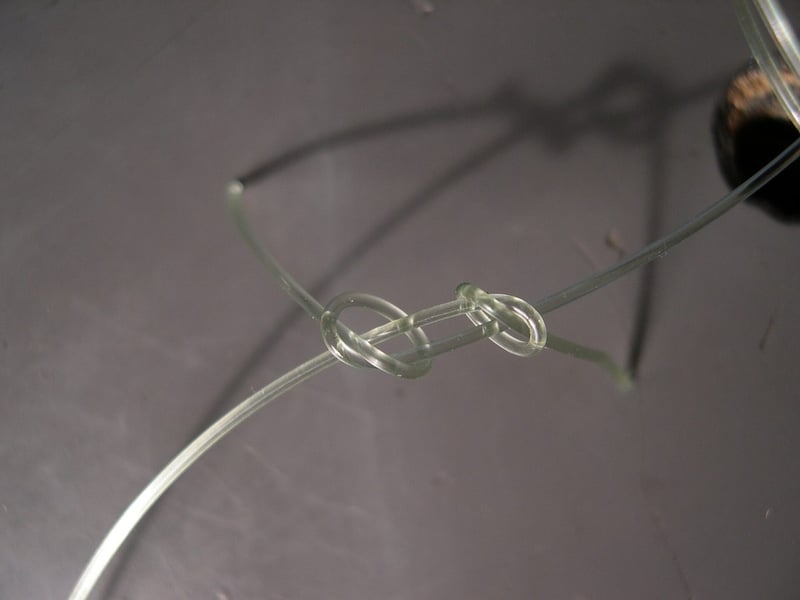
Twelve knots covering every hook, leader, and loop connection you need.
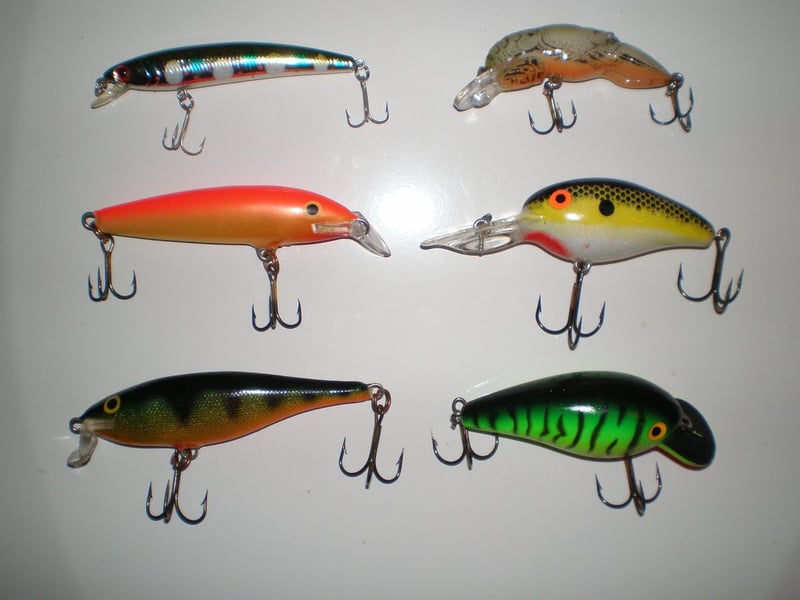
Matching lure category to temperature, clarity, depth, and season.
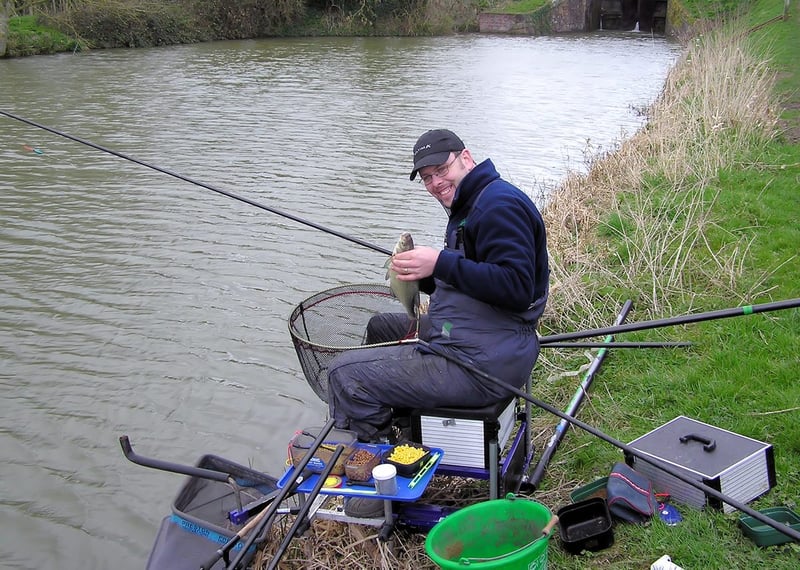
Reading water, timing the bite, and fixing a slow day on the spot.
Keep going
Tell lookalike species apart by fins, mouth, and markings.
Read →Match lure category to depth, clarity, and water temperature.
Read →The connections that keep big fish attached.
Read →Reading water and fixing a slow day on the spot.
Read →Top 10 lists
Ranked picks with real product photos, specs, and editor notes — the buying side of everything covered in these guides.
Bass, walleye, trout, and panfish rods ranked on feel.
See the ranking →Jig, crank, and heavy-cover rods by blank and taper.
See the ranking →Drag smoothness, line management, and long-haul gears.
See the ranking →Brake systems, backlash control, and drag under load.
See the ranking →Also on The Wild10
Same field-tested approach, applied to game species, rifles, shotguns, and bows — from scouting through meat care.
Open the hunting hub →