Plunge pools
Headwaters
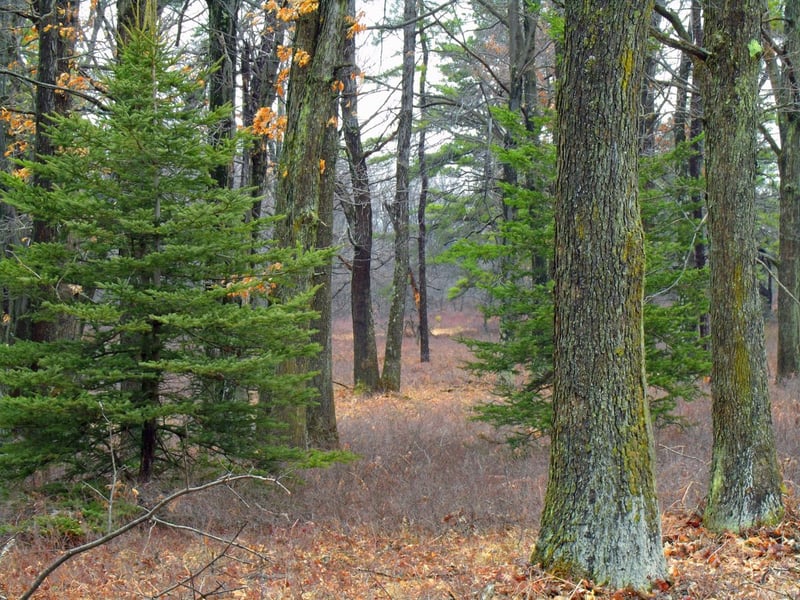
Every small waterfall and step in a mountain stream holds fish in the aerated pocket below it.
Fishing · Species · Brook Trout
A native char of cold headwaters — small, spectacular, and the best reason to hike upstream.
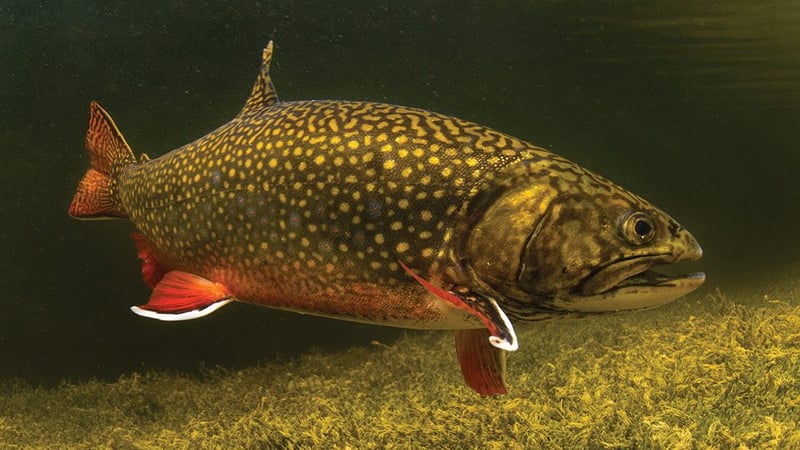
Brook trout are technically a char, and they are the only trout native to most of the eastern United States. Where they still exist in numbers, the water is cold, shaded, and usually small enough to step across.
That scale is the whole appeal. A day on brook trout water is a hike with a short rod, a handful of flies, and pool-by-pool fishing where a nine-inch fish is a genuine trophy.
The northern extremes — Labrador, northern Quebec, parts of Maine — are the exception, holding fish over five pounds in remote lakes and rivers.
01
Native brookies survive where water stays cold. That usually means elevation, shade, or latitude.
| Water & region | Why it's worth your time | Access & license |
|---|---|---|
| Great Smoky Mountains NP | Southern Appalachian native strain in headwaters | TN or NC license; park allows either |
| Adirondacks, New York | Ponds and streams with native populations | NY license plus trout privileges; some ponds fly-only |
| Rangeley & Moosehead, Maine | Larger river and pond brookies | ME license; special regs on many waters |
| Labrador (Minipi, Eagle River) | Genuine 5 lb-plus brook trout | NL non-resident license, usually via lodge |
| Appalachian headwaters (VA/WV/PA) | Endless small public-land streams | State license plus trout stamp |
02
Short casts, careful approach, and constant movement upstream. This is the most physical and least technical trout fishing there is.
03
Brookies need cold, clean water and will always be found near it — spring seeps, headwater plunges, and shaded beaver ponds.
Headwaters
Every small waterfall and step in a mountain stream holds fish in the aerated pocket below it.
Summer refuge
When a stream warms above 68°F, every fish in the reach stacks where cold groundwater enters.
Stillwater
Dark, deep, wood-choked ponds grow the biggest brook trout in a small watershed.
Meadow streams
Narrow meadow creeks hold surprising fish under grass banks a foot from your boots.
04
These are the presentations that consistently produce brook trout, with the conditions each one is actually for — not a tackle-shop wall.
Default
A #12–#16 Royal Wulff, Stimulator, or elk hair caddis — brook trout are opportunists and rarely selective.
High water
Dropped 12–18 inches beneath the dry for a two-fly search rig.
Ponds
Black or olive, size 8–10, stripped slowly through beaver ponds and deep pools.
Spin gear
A #0–#1 spinner in tight brush water; cast upstream and reel just fast enough to turn the blade.
Traditional
Where legal, a garden worm drifted through a plunge pool is still the most effective brook trout method there is.
05
Brookies need cold, clean water and are seldom deep. They are a small-stream and backcountry-lake fish whose season is short and sweet.
| Season | Where the fish are | What works |
|---|---|---|
| Spring | Small streams and beaver ponds as ice leaves; fish are hungry and shallow | Small spinners, worms, wet flies; the best numbers of the year |
| Summer | Spring seeps, plunge pools, shaded pocket water; high-elevation and northern lakes | Dry flies (attractors), small spinners, hoppers; early and late in the day |
| Fall (spawn) | Gravel in headwater streams and lake inlets; fish in spawning color | Small streamers and spinners; keep off active redds |
| Winter / ice | Beaver ponds and small lakes | Tiny jigs tipped with wax worms or a bit of worm, fished shallow near shore under the ice |
06
Brook trout feed opportunistically all day in small water, but shade and low light concentrate the action.
Best
Cool water and low light; fish are in the heads and tails of pools feeding on drift.
Fish plunge pools and shaded runs; sunny midday on tiny streams is still productive if you stay hidden.
Best
Dry-fly time on ponds and lakes — fish rise across the surface at dusk.
A bump in flow puts brookies on the feed; drift worms and fish larger flies.
07
Ultralight and simple. A 4–5 ft rod fits the alders better than an 8-footer.
One small split shot 12 in above a #10 hook with a piece of worm, flipped upstream into pockets and allowed to tumble along the bottom.
7.5 ft 5X leader and a size 12–14 attractor (Royal Wulff, Adams, elk hair caddis). Brookies are not picky about pattern.
Two wet flies on droppers, cast across and swung through the tail of a pool; the old-school pond method.
#0–#1 inline spinner on 4 lb line; cast to the head of every pool and retrieve down through it.
Clear casting bubble half-filled with water, 4 ft of leader to a dry or wet fly, for fishing flies with spinning gear on ponds.
08
Brook trout eat anything small and natural.
#1
Small piece on a #10–#12 hook; the definitive brook-trout bait since anyone can remember.
Live on a #10 hook, drifted on the surface in late summer.
On tiny jigs through the ice.
For bigger pond and lake brookies, under a float near inlets.
09
Stealth and pace: fish each pocket quickly and move on.
10
Access is easy; the restrictions exist to protect small, fragile populations.
11
Brook trout days are hikes that happen to include fishing. Expect wet feet, tight quarters, and a lot of walking between pools.
The reward is visual: spawning-color brookies in October — orange bellies, blue halos, white fin edges — are the most striking freshwater fish in North America.
Solitude is nearly guaranteed. Headwater streams a mile from a trailhead see almost no one.
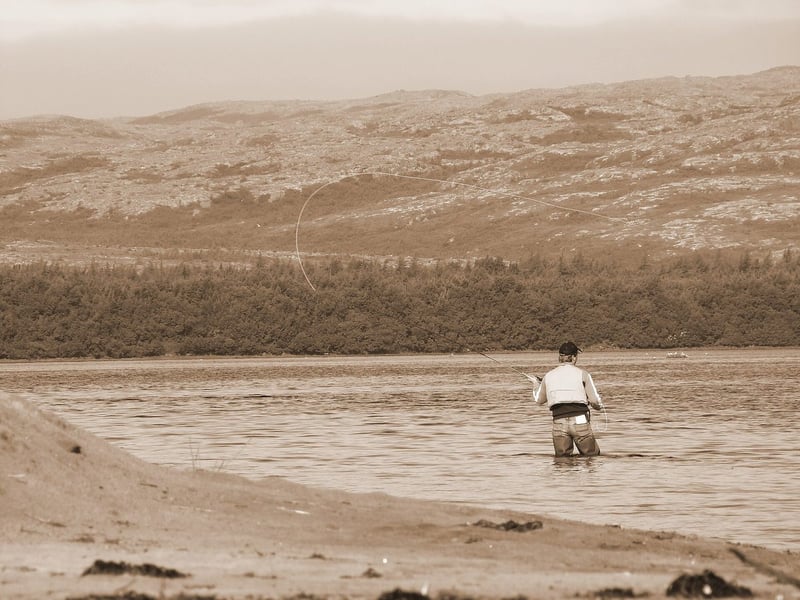
12
The rod, line, and terminal choices that actually change your hookup rate — with the numbers, not vague categories.
Ideal
Short enough for tight canopy, light enough to enjoy an eight-inch fish.
The simplest effective alternative in brushy water.
Plenty fine for fish this size and strong enough for streamside snags.
Core flies
Brookies are opportunistic; a visible high-floating fly does most of the work.
For anglers not fly fishing — deadly in plunge pools.
Safety
Headwater rock is steep and slick; ankle support matters on the hike.
13
What happens between the hookset and the cooler decides whether you land the fish and whether it is worth eating.
14
Cleaning a brook trout the right way takes about four minutes once you know the sequence.
15
Brook trout are outstanding on the table — delicate, sweet, and traditionally cooked whole in a pan streamside.
Native headwater populations are small and easily overharvested. Keep only where the regulation clearly allows it, and keep few.
Northern lake-run brookies from Maine and Labrador are the fish worth keeping a meal from; Appalachian headwater fish are best released.
Size limits, creel limits, and seasons are set water by water and change every year. These agencies publish the current rules.
Range maps, population status, and restoration work.
Water-by-water brook trout regulations and special waters.
Questions
Where every fishing guide on The Wild10 starts.
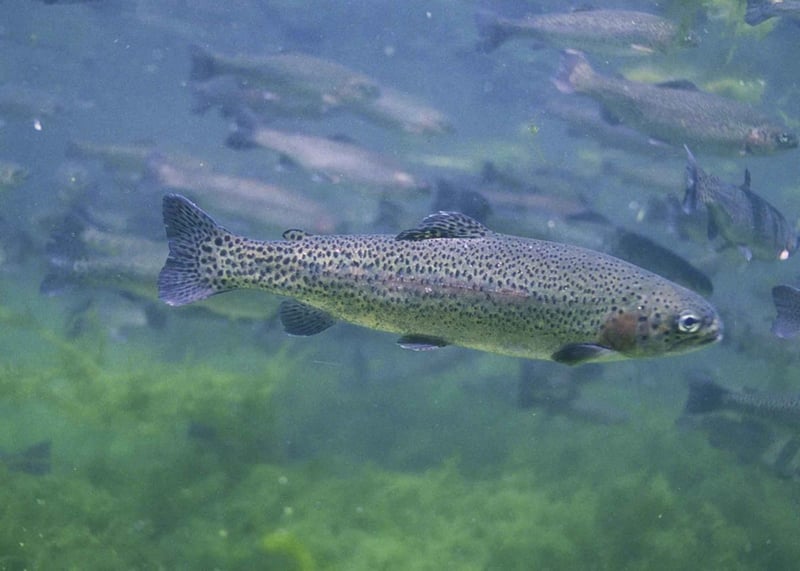
Body shape, fins, mouth, and markings for 30+ North American gamefish.
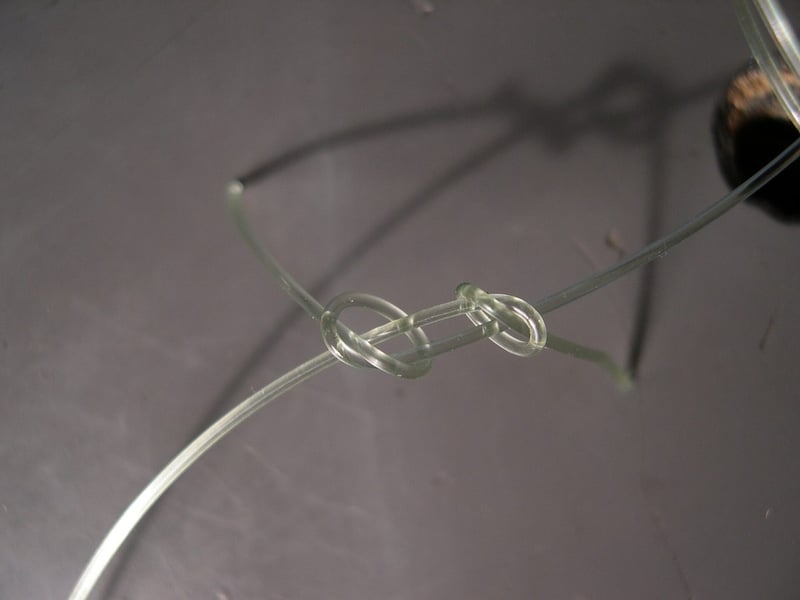
Twelve knots covering every hook, leader, and loop connection you need.
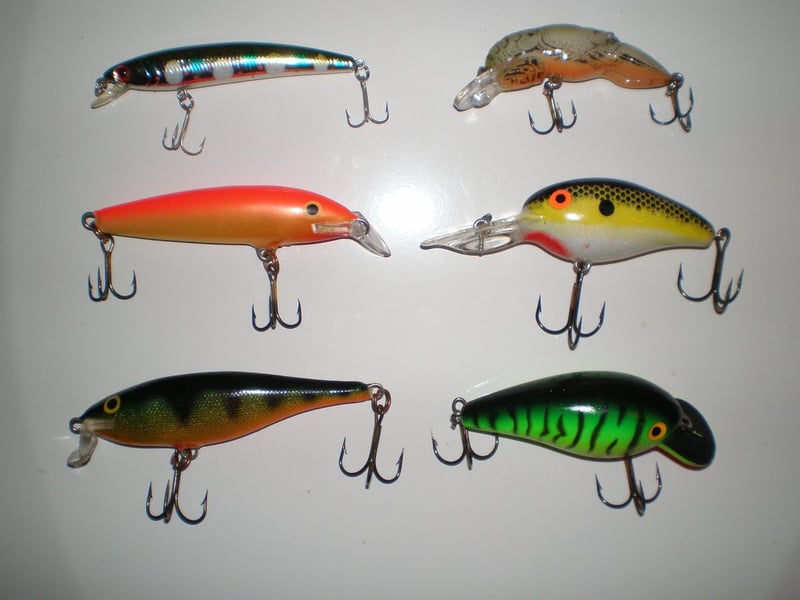
Matching lure category to temperature, clarity, depth, and season.
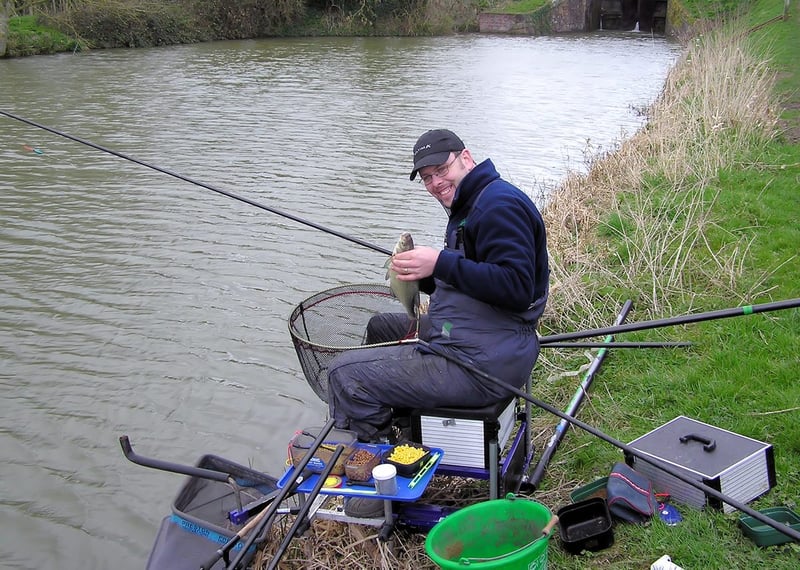
Reading water, timing the bite, and fixing a slow day on the spot.
Keep going
Tell lookalike species apart by fins, mouth, and markings.
Read →Match lure category to depth, clarity, and water temperature.
Read →The connections that keep big fish attached.
Read →Reading water and fixing a slow day on the spot.
Read →Top 10 lists
Ranked picks with real product photos, specs, and editor notes — the buying side of everything covered in these guides.
Bass, walleye, trout, and panfish rods ranked on feel.
See the ranking →Jig, crank, and heavy-cover rods by blank and taper.
See the ranking →Drag smoothness, line management, and long-haul gears.
See the ranking →Brake systems, backlash control, and drag under load.
See the ranking →Also on The Wild10
Same field-tested approach, applied to game species, rifles, shotguns, and bows — from scouting through meat care.
Open the hunting hub →