



- Region
- Washington, USA
- Best season
- Spring, Summer
- Permits
- An entrance pass is required unless an exe…
- Managed by
- National Park Service
Plan with verified data
Olympic National Park trip tools
Tools for a trip here
Picked for how, when and where you're going. Free, no signup.
Photos of Olympic National Park
How to get there
Olympic National Park is located on the Olympic Peninsula in Washington State. Most park destinations can be reached via U.S. Highway 101, which circumnavigates the Olympic Peninsula. From Olympia, take I-5 to Hwy 101. From Tacoma, take State Route 16 to Bremerton, then State Route 3 north to State Route 104.
- Olympic National Park Visitor Center/WIC in Port Angeles
This is located in Port Angeles, Washington. It leads to Hurricane Ridge.
- Elwha Ranger Station
This station is 11 miles and 30 minutes from the Olympic National Park Visitor Center/WIC in Port Angeles.
- Hurricane Ridge Ranger Station
This station is 25 miles and 1 hour 15 minutes from the Olympic National Park Visitor Center/WIC in Port Angeles, or 17 miles and 45 minutes from Elwha Ranger Station.
- Lake Crescent/Storm King Ranger Station
This station is 39 miles and 1 hour from the Olympic National Park Visitor Center/WIC in Port Angeles, 16 miles and 30 minutes from Elwha Ranger Station, or 21 miles and 30 minutes from Hurricane Ridge Ranger Station. It is accessed from US 101.
- Sol Duc Hot Springs Resort
Located on the north side of Olympic Peninsula, 12 miles into Olympic National Park, easily reachable from Highway 101. From Lake Crescent/Storm King Ranger Station, it is 16 miles and 1 hour.
- Hoh Rain Forest Visitor Center
This center is 72 miles and 2 hours 30 minutes from the Olympic National Park Visitor Center/WIC in Port Angeles. It is also 65 miles and 1 hour 45 minutes from Elwha Ranger Station.
Sources: nps.gov · Wikipedia · Wikivoyage · U.S. National Park Service. Confirm road and trailhead conditions with the managing agency before you leave.
Washington, USA · Season: Best: Jul – Sep (coast year-round)
- Climbing
- Mountaineering
- Sea Kayaking
- Beachcombing
- Wildlife Viewing
- Backpacking
The country
The Olympics sit isolated from the Cascades and get direct Pacific weather. Rainforest below the passes, cold alpine above, and a wilderness coastline with headland traverses only passable at low tide.
Why enthusiasts come
You can plan a trip that starts in old-growth cedar, crosses a glaciated pass, and ends on a fog-bound beach — few places on Earth stack that much biome per mile.
Planner-relevant notes
Coastal routes require a tide table and headland-timing chart. Rope-assisted rope traverses exist on the Wilderness Coast. Bear canisters required in most backcountry zones.
Top experiences
The 73-mile Wilderness Coast between Shi Shi and Ozette is a world-class multi-day beach traverse — but demands tide-window mastery. The High Divide loop through Seven Lakes Basin is the classic mountain trip. Enchanted Valley's mid-June bear grazing is unforgettable.
Planning essentials
Wilderness permits + bear canisters via recreation.gov. Coastal trips require tide-table skill — some headlands only pass at low tide. Rainforest zones average 3.5 m of rain a year; even summer trips see multi-day storms.
Field notes
- Fixed lines on coastal headlands are maintained — inspect knots but trust the anchors.
- Hoh rainforest slugs on gear are cosmetic, not damage — brush off at breaks.
- High Divide can hold snow into late July; check the ranger board.
- Cougar sightings are up in the Enchanted Valley — group up, no solo camping.
- Overhead-hangs on the coast are legally required (raccoons will destroy an unprotected pack).
Where on earth
Satellite imagery flying in from a world view to Olympic National Park, Washington, USA. Use the + / − buttons, or click the map to zoom with your scroll wheel; drag to pan and pinch to zoom on touch.
Coordinates
- Decimal degrees
- 47.8000, -123.6000
- Latitude (DMS)
- 47° 47′ 60.0″ N
- Longitude (DMS)
- 123° 35′ 60.0″ W
Coordinates are an access-point reference for Olympic National Park, not a route. Carry a paper map and confirm trailhead or put-in access with the managing agency before you go.
Topic summary
Three biomes in one park — Pacific coast, temperate rainforest, and glaciated peaks.
Key takeaways
- Region: Washington, USA
- Best season: Best: Jul – Sep (coast year-round)
- Coordinates: 47.800, -123.600
Climate suitability
Best: Jul – Sep (coast year-round)
Keep planning
Popular pursuits at Olympic National Park
- Climbing
Rock and alpine lines with approach beta.
- Mountaineering
Glacier and high-route objectives with real consequence.
- Sea Kayaking
Coastal crossings, tides, and protected camps.
- Beachcombing
Tide-line walking between camps.
- Wildlife Viewing
Best light, best season, and where animals move.
- Backpacking
Multi-day travel with everything on your back — see the packing blocks below.
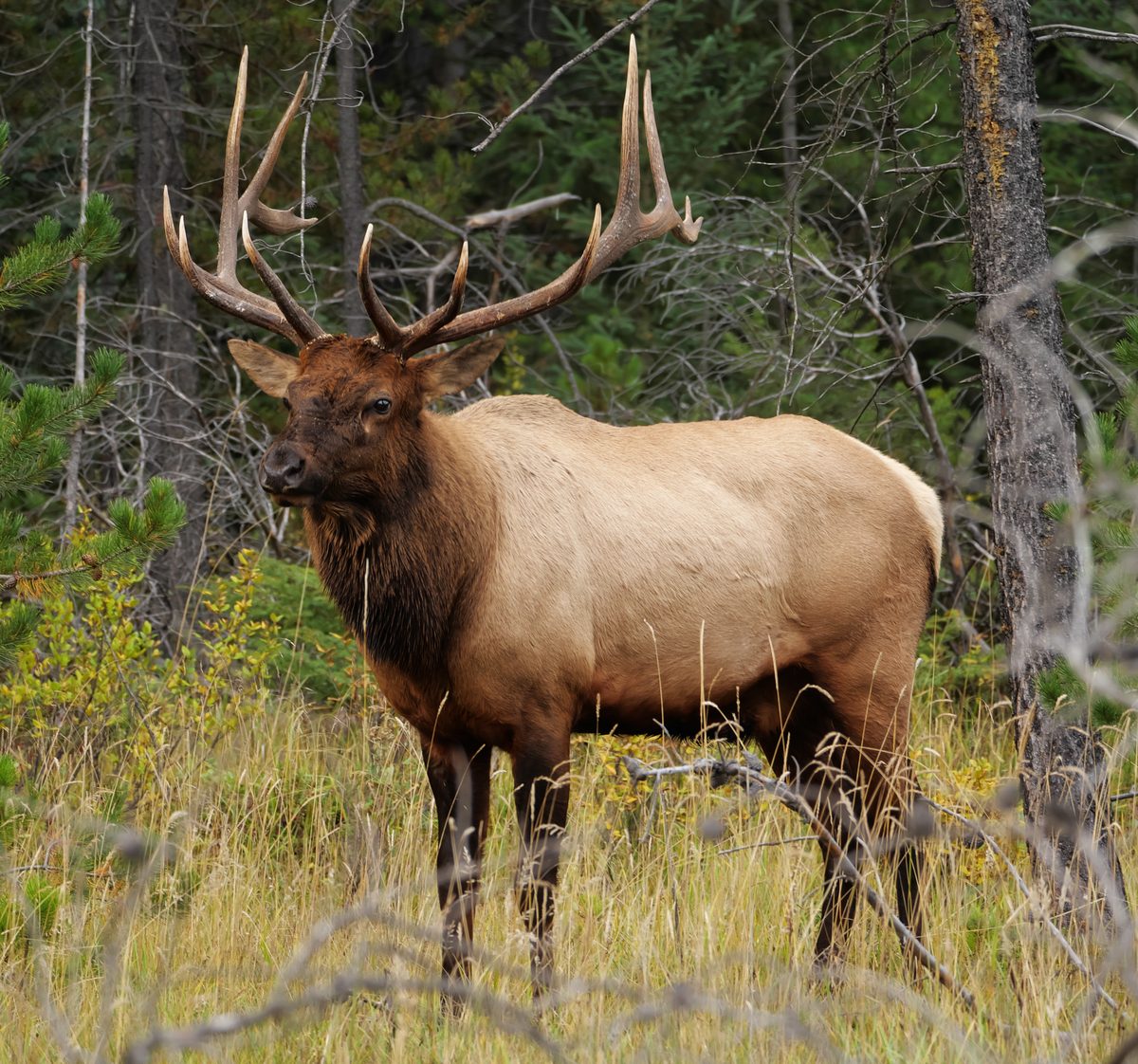
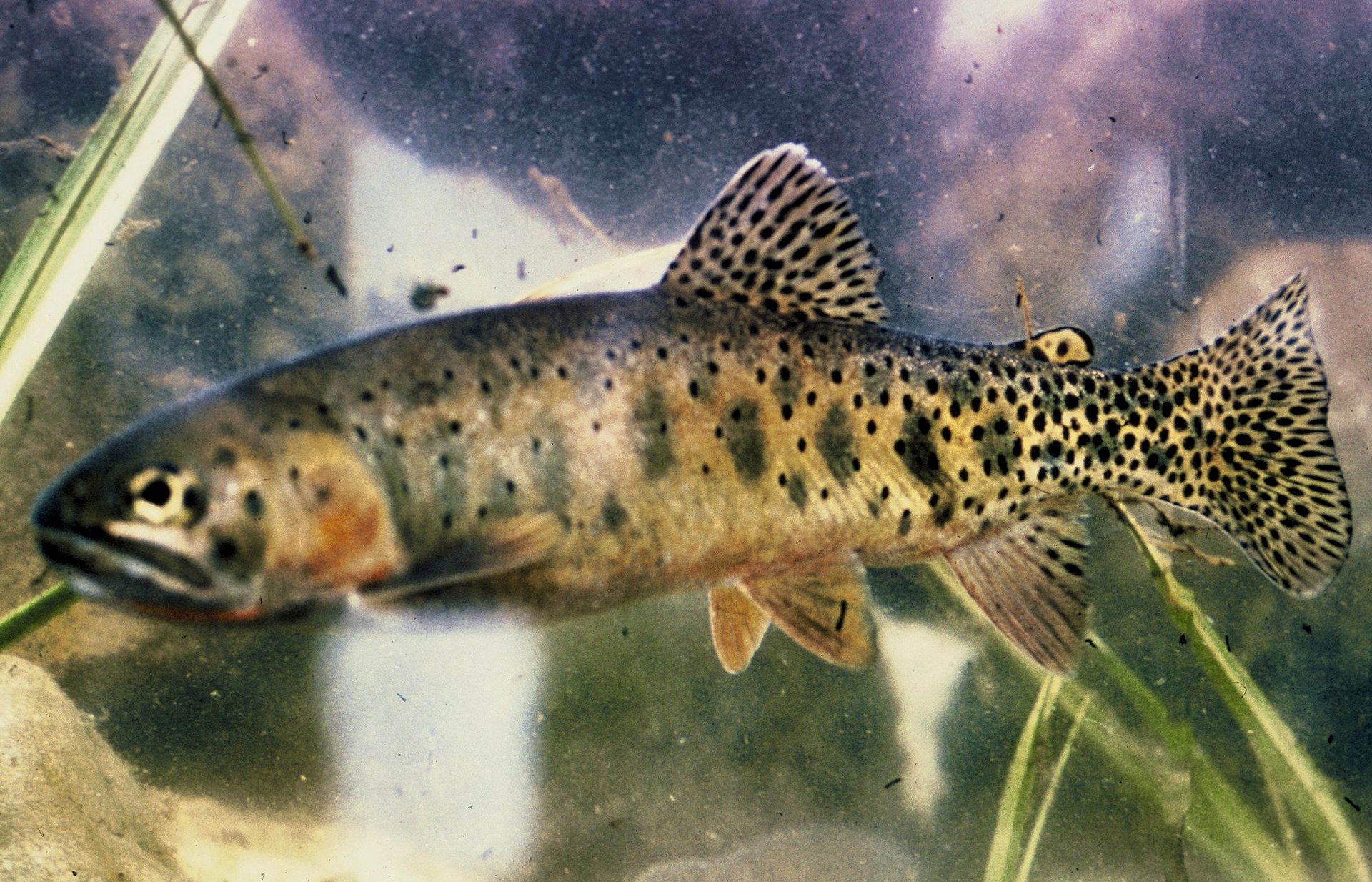
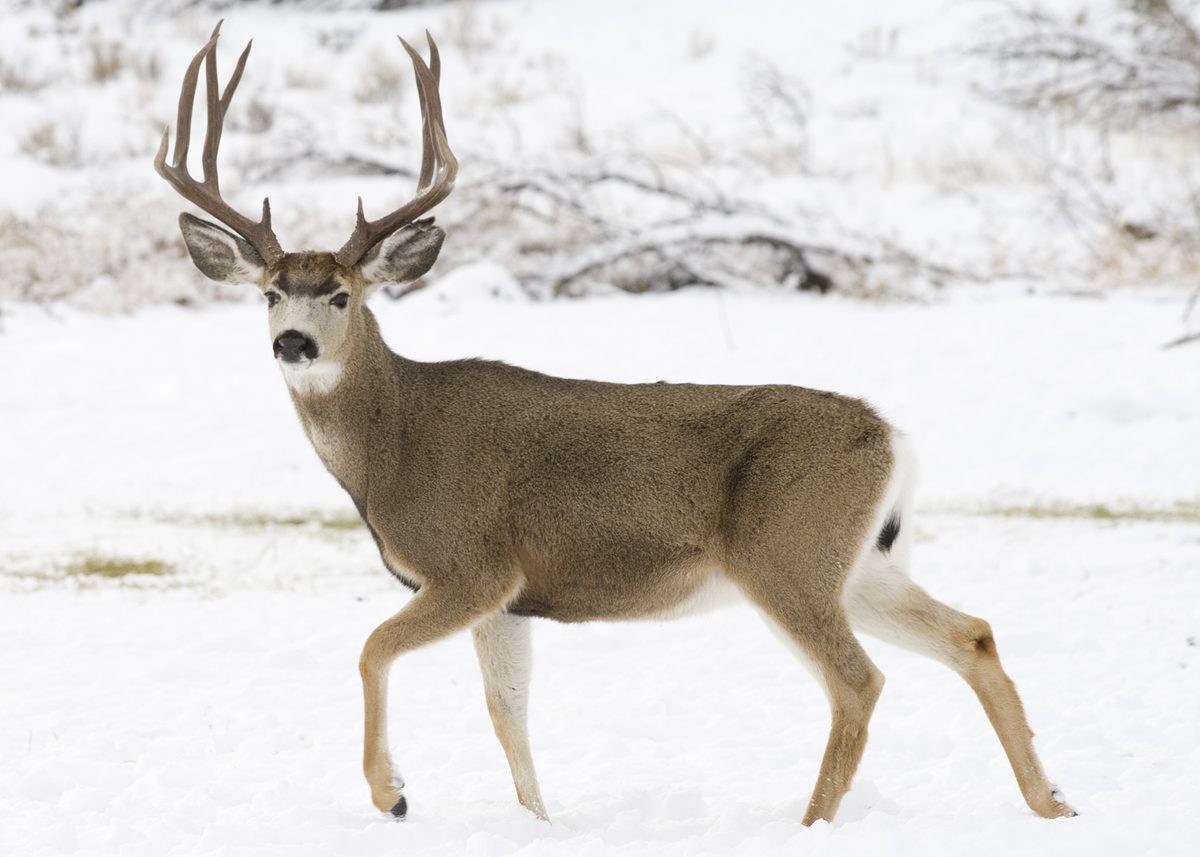
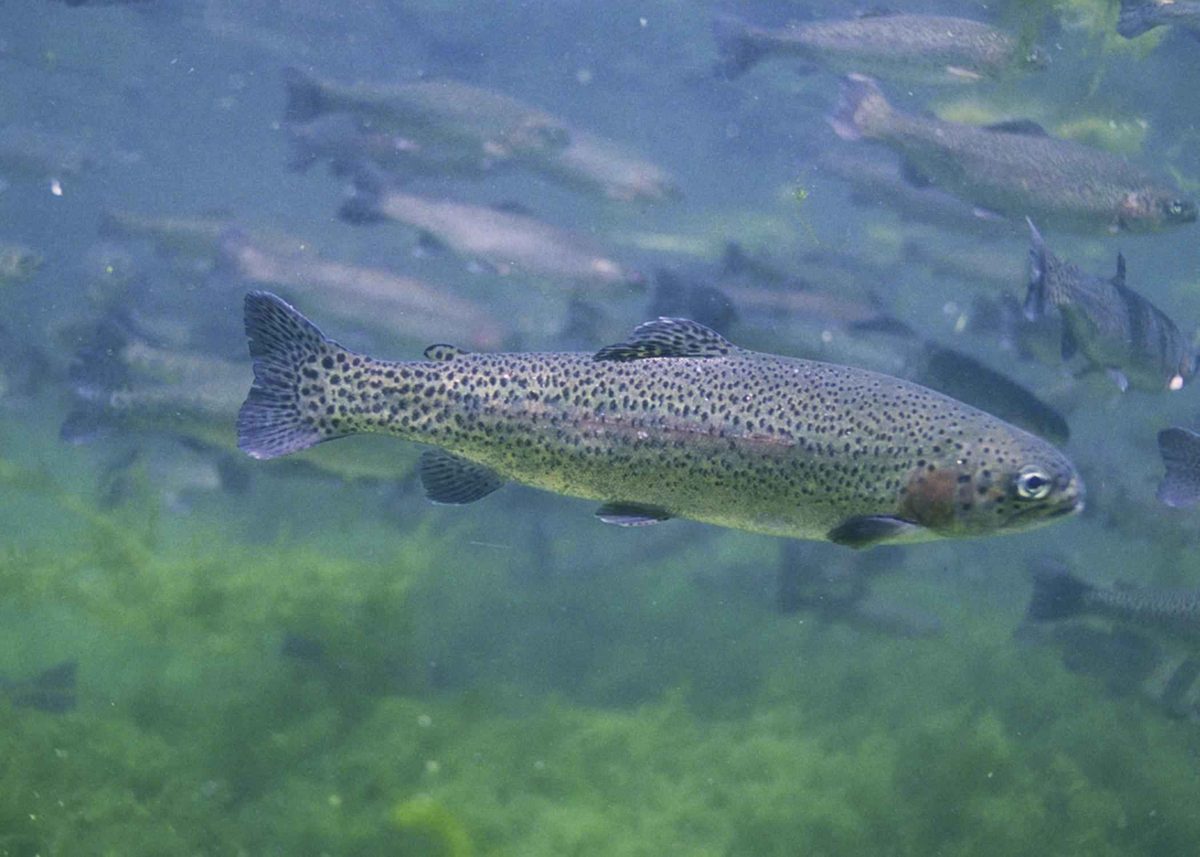
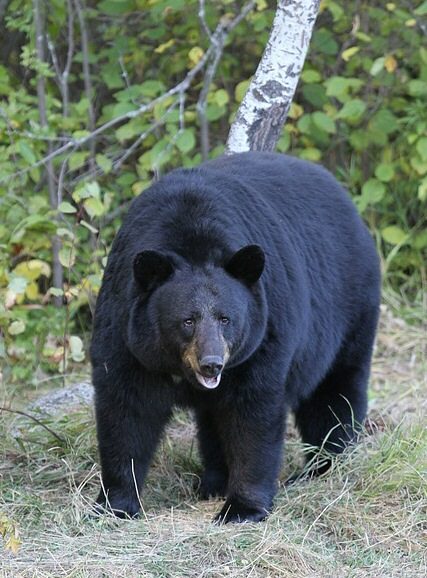
Animals around Olympic National Park



Planning a visit to Olympic National Park
Olympic National Park is managed by the National Park Service. Before setting an itinerary, confirm the intended access point, route conditions, and any permit requirements directly with the park. Treat entrance payment and trip planning as separate tasks: an entrance pass covers admission, but does not establish whether a particular outing is suitable or accessible. The park requires an entrance pass and does not accept cash, so bring a cashless payment method or an eligible existing pass. Olympic-specific passes and America the Beautiful passes are accepted. For a single visit, the standard entrance pass is the straightforward option. For repeat visits, compare the Olympic annual pass with a nationwide pass according to the places planned for the coming year.
Entrance costs by arrival method
A private, non-commercial vehicle entrance pass costs $30 and is valid for seven consecutive days. It covers all occupants of a vehicle with a passenger capacity of 15 or fewer, so passengers do not need separate entrance passes. The motorcycle pass costs $25, lasts seven days, and admits up to two private, non-commercial motorcycles with up to four passengers total. Visitors entering on foot or by bicycle pay $15 per person if they are at least 16 years old; that pass also lasts seven consecutive days. Children 15 and younger enter free. These are entrance charges, not a statement of camping or backcountry permit requirements. Confirm any separate requirements for the intended trip with the National Park Service before departure.
Annual passes and practical preparation
The Olympic National Park Annual Pass costs $55 and provides park entry for one year from the month of purchase. It is available to U.S. citizens and residents and can be purchased at park visitor centers and entrance stations. An existing America the Beautiful pass is sufficient for entrance, without an additional Olympic entrance pass. Nationwide annual passes cost $80 for U.S. citizens and residents or $250 for non-U.S. residents. Other nationwide pass categories include free or discounted options for eligible seniors, military visitors, people with permanent disabilities, and fourth graders. Bring valid photo identification when using an America the Beautiful pass. These passes are nontransferable and cannot be replaced if lost or stolen; keep the pass secure throughout the trip.
Sample itineraries
- One-day Olympic orientation · 1 day
Start at an Olympic National Park visitor center to confirm current alerts and suitable activities. Arrange an entrance pass and carry a cashless payment method. Choose the day's outing after checking local conditions.
- Two-day flexible visit · 2 days
Use the first day for visitor-center orientation and an outing selected with current park guidance. Recheck alerts before the second day's activities. Standard entrance passes remain valid for seven consecutive days.
Seasonal conditions
Spring
Confirm timing with the park.
Check current park conditions and alerts before selecting activities. Confirm access for the places planned rather than assuming spring availability.
Summer
Confirm timing with the park.
Check current park conditions and alerts before finalizing an itinerary. Confirm that intended activities and access points are suitable for the visit.
Fall
Confirm timing with the park.
Ask park staff about current conditions before choosing outings. Keep plans flexible until access and activity suitability are confirmed.
Winter
Confirm timing with the park.
Confirm current access and suitable activities directly with the park. Do not assume an outing is available simply because an entrance pass is valid.
| Season | Window | Conditions |
|---|---|---|
| Spring | Confirm timing with the park. | Check current park conditions and alerts before selecting activities. Confirm access for the places planned rather than assuming spring availability. |
| Summer | Confirm timing with the park. | Check current park conditions and alerts before finalizing an itinerary. Confirm that intended activities and access points are suitable for the visit. |
| Fall | Confirm timing with the park. | Ask park staff about current conditions before choosing outings. Keep plans flexible until access and activity suitability are confirmed. |
| Winter | Confirm timing with the park. | Confirm current access and suitable activities directly with the park. Do not assume an outing is available simply because an entrance pass is valid. |
Permits, fees & closures
An entrance pass is required unless an exemption applies. Confirm any activity-specific or overnight permit requirements with Olympic National Park.
Fees: Seven-day entrance: $30 per private, non-commercial vehicle with capacity of 15 or fewer; $25 for up to two private motorcycles with four total passengers; $15 per pedestrian or bicyclist age 16 or older. Olympic annual pass: $55 for eligible US citizens and residents. The park does not accept cash.
Official source: Fees & Passes - Olympic National Park (U.S. National Park Service) · Verified September 18, 2026
Hazards & regulations
- Rabies: a park alert reports that a bat tested positive.
- Potential bat contact warrants reporting to park staff; do not dismiss a possible exposure.
- Additional park alerts may affect visit planning. Check current notices before choosing activities.
What to pack for Olympic National Park
- Valid entrance pass, if already purchased
- Cashless payment method
- Valid photo identification when using an America the Beautiful pass
- Physical pass if using a mailed pass; an order receipt is not a substitute
Olympic National Park FAQ
- Does everyone in a private vehicle need a separate pass?
- No. The $30 private-vehicle entrance pass covers all occupants of a private, non-commercial vehicle with a capacity of 15 passengers or fewer.
- What does entry cost on foot or by bicycle?
- Visitors age 16 or older pay $15 per person for seven consecutive days. Children age 15 or younger enter free.
- Can entrance fees be paid in cash?
- No. Olympic National Park does not accept cash. Bring a cashless payment method.
- Does an America the Beautiful pass cover entrance?
- Yes. An existing America the Beautiful pass is the only entrance pass needed. Passholders must show valid photo identification with the pass.
- Where can an Olympic annual pass be purchased?
- Olympic National Park visitor centers and entrance stations sell the $55 annual pass. It is available to US citizens and residents and is valid for one year from the month of purchase.
- What should be checked before choosing an outing?
- Review current park alerts and conditions, then confirm access and activity suitability with park staff. Ask separately about any permits or reservations needed for the intended activity.