



- Region
- Colorado, USA
- Best season
- Spring, Summer
- Permits
- Confirm current entry, activity and overni…
Plan with verified data
Rocky Mountain National Park trip tools
Tools for a trip here
Picked for how, when and where you're going. Free, no signup.
Photos of Rocky Mountain National Park
How to get there
Rocky Mountain National Park is in Colorado, USA. Its center point is 40.3400, -105.6800. Use these links for live turn-by-turn directions from where you are, then confirm road, trailhead and access conditions with the managing agency before you leave.
Colorado, USA · Season: Best: Jul – Sep
- Climbing
- Mountaineering
- Hiking
- Winter Camping
- Wildlife Viewing
The country
The Continental Divide bisects the park. West side is wetter and more forested; east side steeper and dryer. Alpine tundra experience is unusually accessible — Trail Ridge Road tops out at 3,713 m.
Why enthusiasts come
Compact, permit-friendly backcountry with world-class alpine cirques within a day's carry. Longs Peak is the southernmost 14,000-ft peak in the Rockies.
Planner-relevant notes
Afternoon thunderstorms are near-daily July–August; summit by noon. Acclimatize in Estes Park (2,290 m) for a day before pushing high.
Field notes
- The Keyhole route on Longs is Class 3 exposed — not a hike.
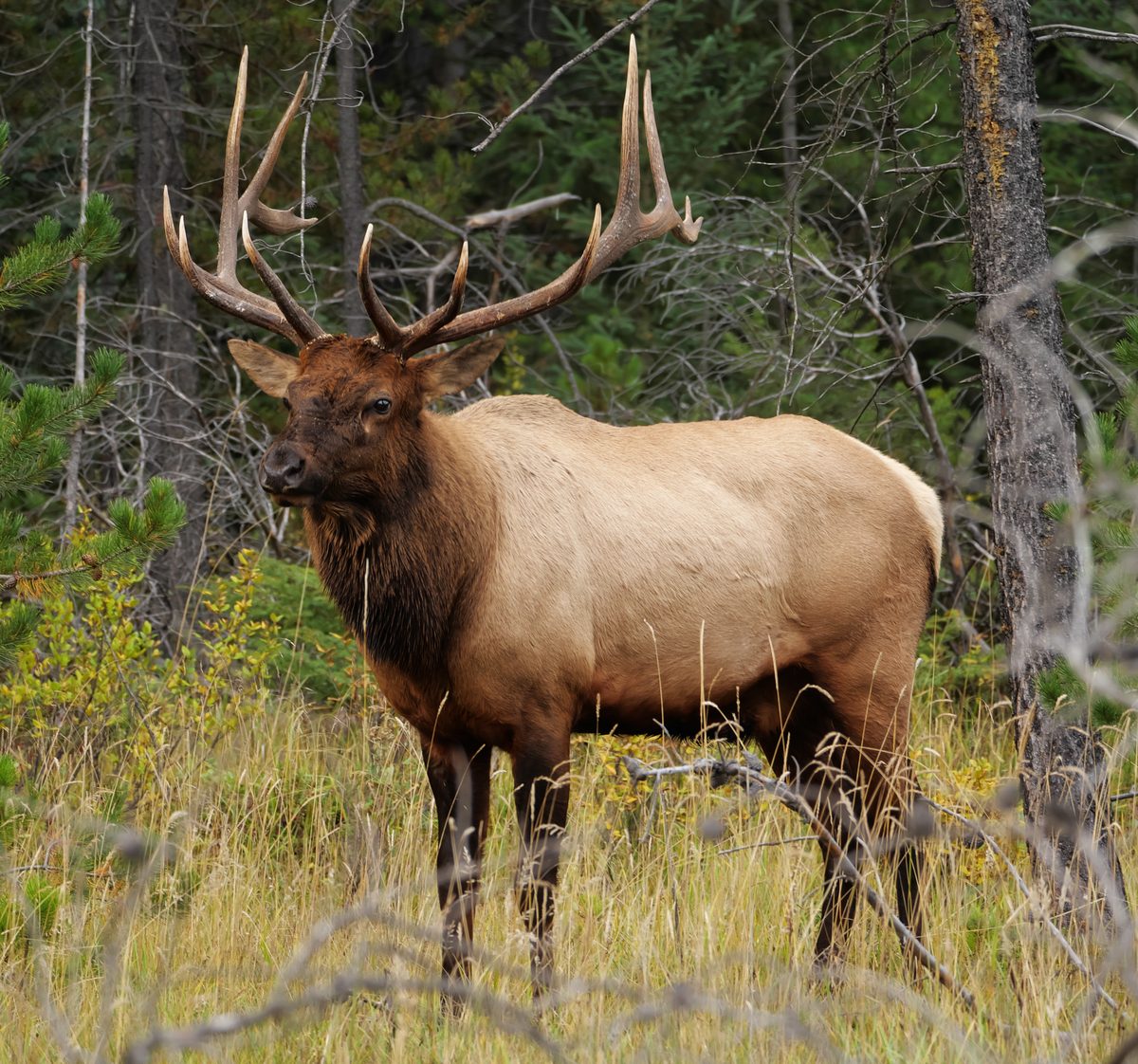
- Elk rut mid-Sep – early Oct: don't cross meadow herds.
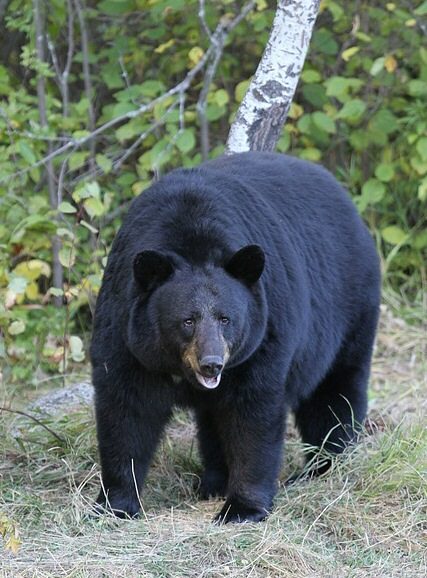
- Bear activity is low; marmots destroy packs faster than bears do.
Where on earth
Satellite imagery flying in from a world view to Rocky Mountain National Park, Colorado, USA. Use the + / − buttons, or click the map to zoom with your scroll wheel; drag to pan and pinch to zoom on touch.
Coordinates
- Decimal degrees
- 40.3400, -105.6800
- Latitude (DMS)
- 40° 20′ 24.0″ N
- Longitude (DMS)
- 105° 40′ 48.0″ W
Coordinates are an access-point reference for Rocky Mountain National Park, not a route. Carry a paper map and confirm trailhead or put-in access with the managing agency before you go.
Topic summary
One-third of the park sits above tree line — a compact showcase of Colorado high country.
Key takeaways
- Region: Colorado, USA
- Best season: Best: Jul – Sep
- Coordinates: 40.340, -105.680
Climate suitability
Best: Jul – Sep
Keep planning
Popular pursuits at Rocky Mountain National Park
- Climbing
Rock and alpine lines with approach beta.
- Mountaineering
Glacier and high-route objectives with real consequence.
- Hiking
Day miles on marked trail, with route notes and trail links below.
- Winter Camping
Cold-season travel and camp craft; layering matters more than mileage.
- Wildlife Viewing
Best light, best season, and where animals move.
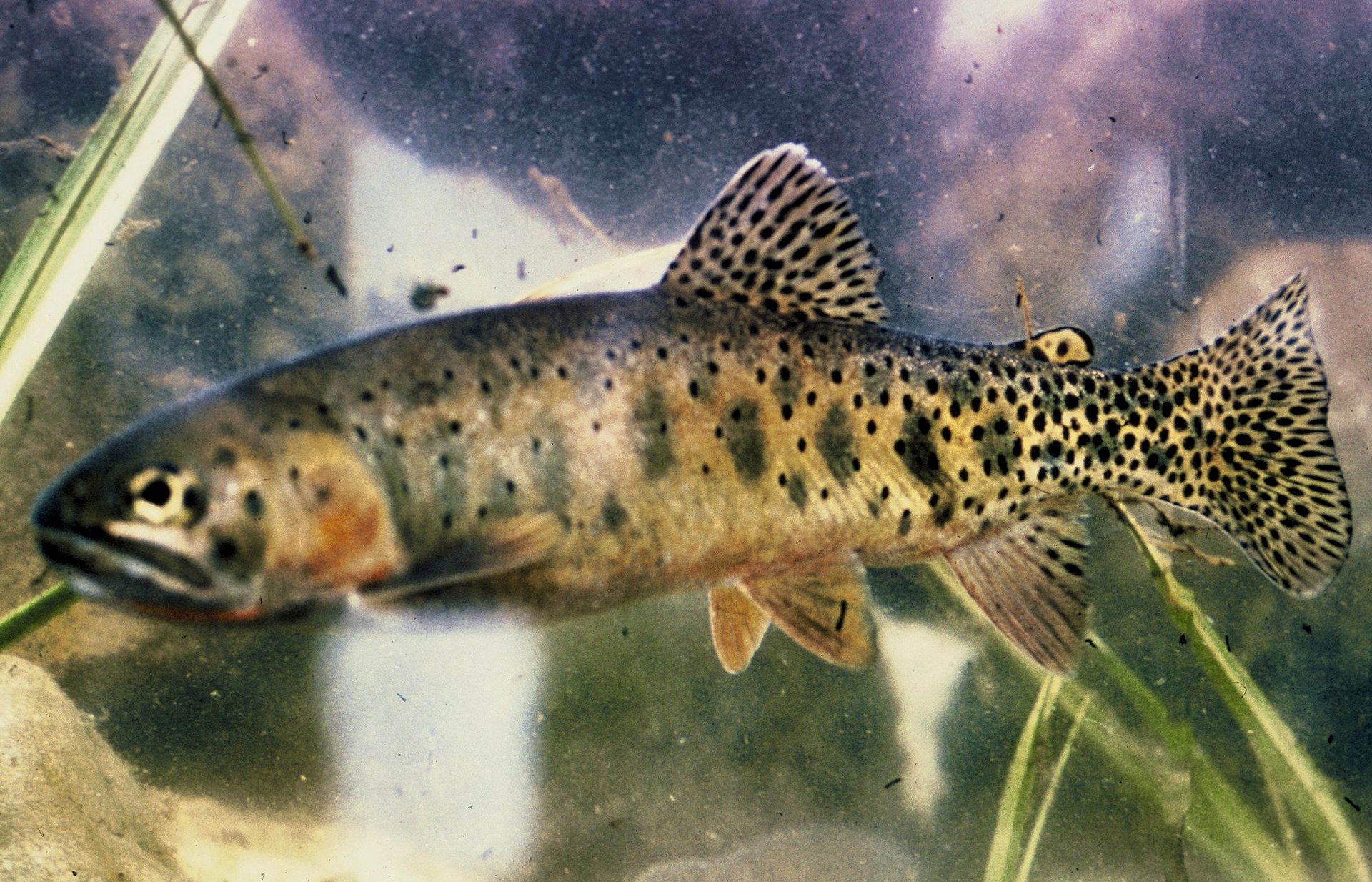
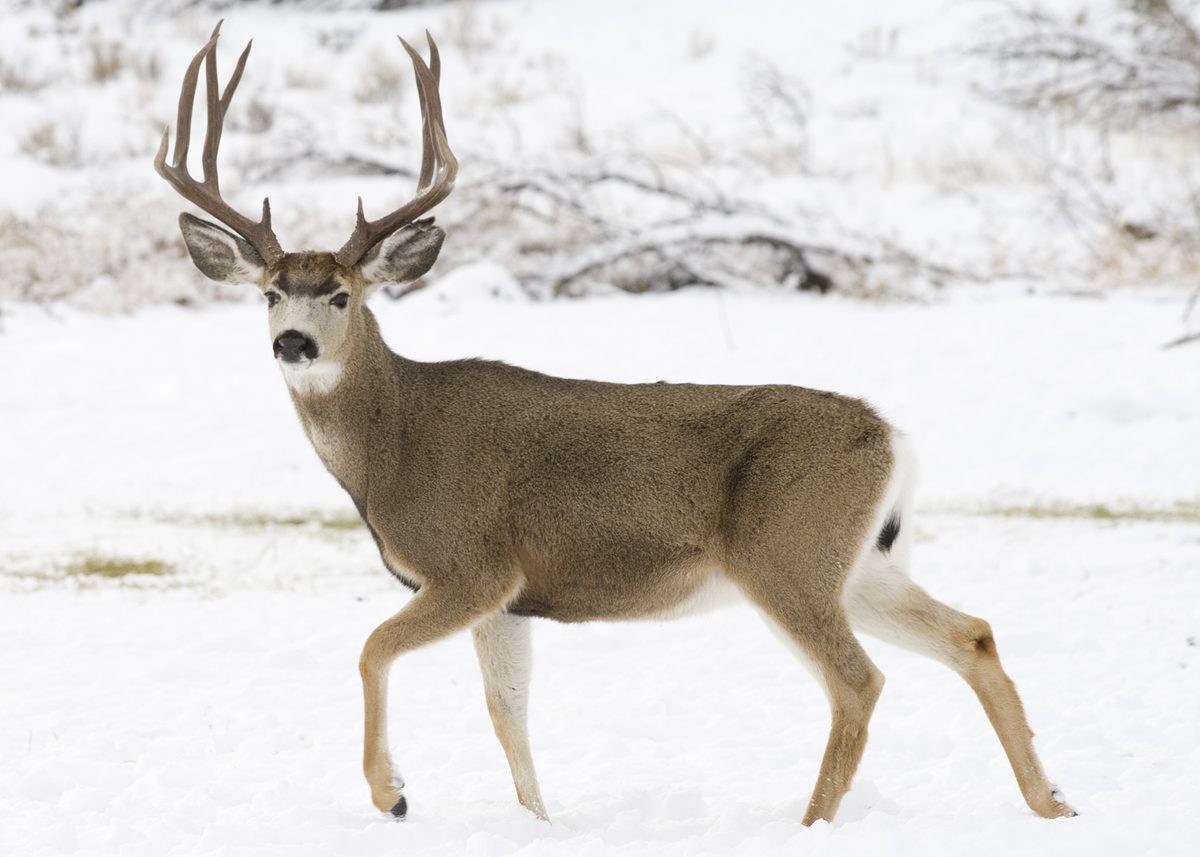
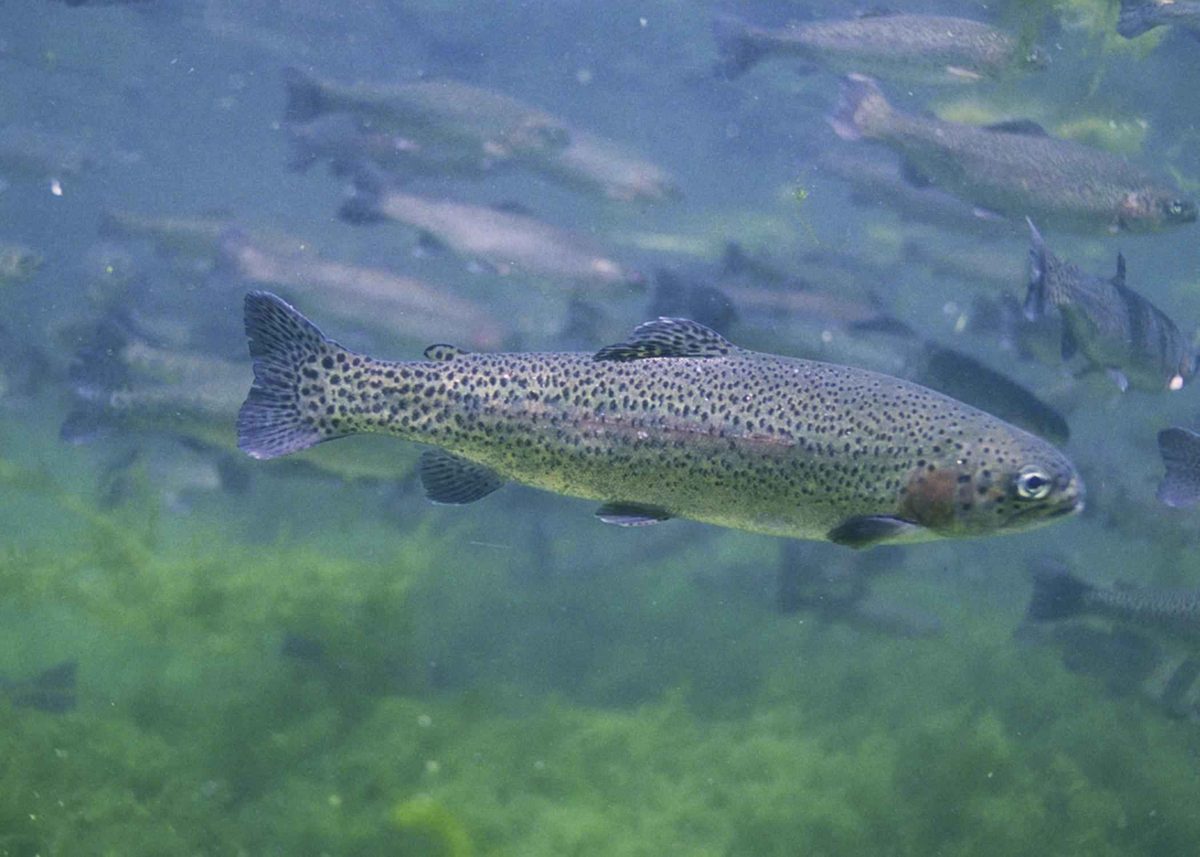
Animals around Rocky Mountain National Park



A Colorado mountain setting
Rocky Mountain National Park sits in Colorado, within a mountain system that separates the western United States from the Great Plains. The wider Rockies extend from western Canada to New Mexico, but that continental scale is background rather than a useful measure of a park trip. Colorado contains most of the range’s highest summits, making elevation an important consideration when planning time outdoors. Build an itinerary around the demands of mountain travel rather than trying to cover as much ground as possible. Leave room for rest, changing weather, and a shorter outing if conditions call for it. A regional map can explain the setting; a park-specific map is needed before choosing an access point or walking route.
Reading the mountain landscape
The Rockies’ peaks and valleys reflect a long history of uplift and erosion. The mountain system formed during the Laramide orogeny, roughly 55 million to 80 million years ago, when tectonic plates slid beneath the North American plate at a shallow angle. Later tectonic movement and glacial erosion further shaped the range. That history offers a useful way to look at the mountain landscape during a visit: pay attention to the relationship between high ground, valleys, and the terrain connecting them. It is regional geological context, not a description of any particular park trail. For trip planning, the practical lesson is to look beyond a destination name and examine the actual terrain before committing to an outing.
Planning an outdoor visit
Across the Rockies, hiking and camping are established outdoor activities, while winter recreation includes skiing and snowboarding. Those regional patterns help frame a mountain trip, but they do not establish which activities are appropriate or allowed at a particular location inside Rocky Mountain National Park. Start by deciding whether the visit is centered on walking, an overnight stay, or winter travel, then confirm suitable locations and current conditions with the park. Match clothing, water, food, and navigation equipment to the outing and season. Keep plans flexible enough to turn back or shorten the day when necessary. Confirm access and activity rules before setting out rather than treating a general description of the Rockies as a park itinerary.
Sample itineraries
- One-day hiking introduction · 1 day
Plan a hiking-focused day in Rocky Mountain National Park. Confirm an appropriate route and current access with park staff before setting out. Keep the objective modest, allowing time to adjust to mountain elevation and turn back if conditions deteriorate.
- Two-day mountain sampler · 2 days
Use the first day for a short introductory hike and the second for another outing matched to your fitness and conditions. Arrange lodging separately; confirm any camping arrangements with the park rather than assuming overnight access is available.
Seasonal conditions
Spring
Spring; confirm local conditions before travel
Use current park guidance to choose outings rather than assuming mountain routes are ready for hiking. Keep plans flexible and carry layers suited to changing mountain weather.
Summer
Summer
Hiking and camping are established summer activities across the Rockies. For a park visit, confirm suitable routes, access and overnight arrangements. Match hiking ambitions to elevation, weather and group fitness.
Fall
Fall; confirm local conditions before travel
Plan around current mountain weather and available daylight. Carry warm layers and choose objectives that allow an early return if conditions change. Verify access before committing to an outing.
Winter
Winter
Winter recreation is common across the Rockies, but regional skiing and snowboarding opportunities do not establish suitable activities within this park. Confirm park-specific options and conditions, and bring insulation appropriate to a mountain winter.
| Season | Window | Conditions |
|---|---|---|
| Spring | Spring; confirm local conditions before travel | Use current park guidance to choose outings rather than assuming mountain routes are ready for hiking. Keep plans flexible and carry layers suited to changing mountain weather. |
| Summer | Summer | Hiking and camping are established summer activities across the Rockies. For a park visit, confirm suitable routes, access and overnight arrangements. Match hiking ambitions to elevation, weather and group fitness. |
| Fall | Fall; confirm local conditions before travel | Plan around current mountain weather and available daylight. Carry warm layers and choose objectives that allow an early return if conditions change. Verify access before committing to an outing. |
| Winter | Winter | Winter recreation is common across the Rockies, but regional skiing and snowboarding opportunities do not establish suitable activities within this park. Confirm park-specific options and conditions, and bring insulation appropriate to a mountain winter. |
Permits, fees & closures
Confirm current entry, activity and overnight requirements with the park's managing agency before travel.
Confirm current permits, fees, and closures with the managing agency before you go.
Hazards & regulations
- Mountain elevation can make physical effort harder. Begin conservatively and reduce exertion if feeling unwell.
- The Rockies' peaks and valleys call for terrain-aware route selection. Choose an outing that matches the group's fitness and experience.
- Mountain weather requires flexible plans. Carry protective layers and turn back when conditions exceed the group's preparation.
What to pack for Rocky Mountain National Park
- Layered clothing
- Insulating layer
- Weatherproof outer layer
- Footwear appropriate to the chosen terrain
- Drinking water
- Food
- Navigation materials for the confirmed route
- First-aid supplies
- Headlamp
- Warm hat
- Insulated gloves
- Additional insulation
- Equipment matched to the activity and confirmed conditions
Rocky Mountain National Park FAQ
- Where is Rocky Mountain National Park?
- The park is in Colorado, USA, within the Rocky Mountains. Colorado contains many of the mountain range's highest summits.
- What shaped the surrounding mountain landscape?
- The Rockies formed during the Laramide orogeny, roughly 55 million to 80 million years ago. Later tectonic activity and glacial erosion shaped the range's peaks and valleys.
- How should a first hiking day be planned?
- Start with a modest objective, confirm the route with park staff and leave room to adjust for elevation and weather. Avoid building the day around an unverified route or access point.
- Can every activity popular in the Rockies be done in the park?
- Do not assume so. Regional recreation includes activities that may not be suitable or authorized within a national park. Confirm the park's rules and available locations for the specific activity.
- What should be checked before an overnight trip?
- Confirm camping arrangements, current access, overnight requirements and expected conditions with the managing agency. Choose equipment and an objective suited to the group's mountain experience.