



- Region
- Newfoundland and Labrador, Canada
- Best season
- Spring, Summer
- Permits
- Confirm specific permit requirements with …
- Managed by
- Parks Canada
Plan with verified data
Torngat Mountains National Park trip tools
Tools for a trip here
Picked for how, when and where you're going. Free, no signup.
Photos of Torngat Mountains National Park
How to get there
Access to Torngat Mountains National Park is possible via charter air flight, cruise ship, or snowmobile.
Sources: parks.canada.ca · Wikipedia · Wikivoyage. Confirm road and trailhead conditions with the managing agency before you leave.
Newfoundland and Labrador, Canada · Season: Best: Late July - August
- Sea Kayaking
- Beachcombing
- Hiking
- Wildlife Viewing
- Winter Camping
- Canoeing
- Fishing
The country
Situated at the northernmost tip of Newfoundland and Labrador, this landscape features ancient Precambrian rock sheared by glaciers into deep, sea-filled fjords. The treeless coastal mountains plunge directly into the Labrador Sea, creating extreme wind tunnels and stark tundra ecosystems. The park sits completely above the tree line, leaving vistas unobstructed.
Why enthusiasts come
The raw isolation and high concentration of both black and polar bears draw dedicated wilderness travelers. It is one of the few places on Earth where mountaineers can establish first ascents while watching icebergs drift below.
Top experiences
Basecamping in Saglek Fjord allows for extensive day treks into the surrounding glacial cirques and complex ridge traverses. The multi-day crossing of the Koroc River from Quebec into the park is a legendary extended wilderness journey.
Planner-relevant notes
Access requires chartering a bush plane or boat from Nain, making logistics extremely expensive and highly weather-dependent. Visitors are strongly encouraged to hire armed Inuit polar bear guards when moving through the valleys. The park has no established trails, requiring advanced map, compass, and GPS navigation skills.
Field notes
- Winds sweeping down the fjords can easily destroy standard 3-season tents; bring a low-profile, geodetic 4-season shelter.
- A bear-resistant food canister is not just recommended, it is vital for survival in this high-density predator environment.
- Fog can roll in from the Labrador Sea in minutes, dropping visibility to zero and plunging temperatures to near freezing.
- Consult with the Torngat Mountains Base Camp and Research Station for logistical support and shared charter flights.
Where on earth
Satellite imagery flying in from a world view to Torngat Mountains National Park, Newfoundland and Labrador, Canada. Use the + / − buttons, or click the map to zoom with your scroll wheel; drag to pan and pinch to zoom on touch.
Coordinates
- Decimal degrees
- 59.4167, -63.8167
- Latitude (DMS)
- 59° 25′ 0.1″ N
- Longitude (DMS)
- 63° 49′ 0.1″ W
Coordinates are an access-point reference for Torngat Mountains National Park, not a route. Carry a paper map and confirm trailhead or put-in access with the managing agency before you go.
Topic summary
This remote Inuit homeland offers unparalleled polar bear viewing and challenging trekking among sheer fjords and towering glacial valleys.
Key takeaways
- Region: Newfoundland and Labrador, Canada
- Best season: Best: Late July - August
- Coordinates: 59.417, -63.817
Climate suitability
Best: Late July - August
Keep planning
Popular pursuits at Torngat Mountains National Park
- Sea Kayaking
Coastal crossings, tides, and protected camps.
- Beachcombing
Tide-line walking between camps.
- Hiking
Day miles on marked trail, with route notes and trail links below.
- Wildlife Viewing
Best light, best season, and where animals move.
- Winter Camping
Cold-season travel and camp craft; layering matters more than mileage.
- Canoeing
Paddle routes, portages, and put-ins.
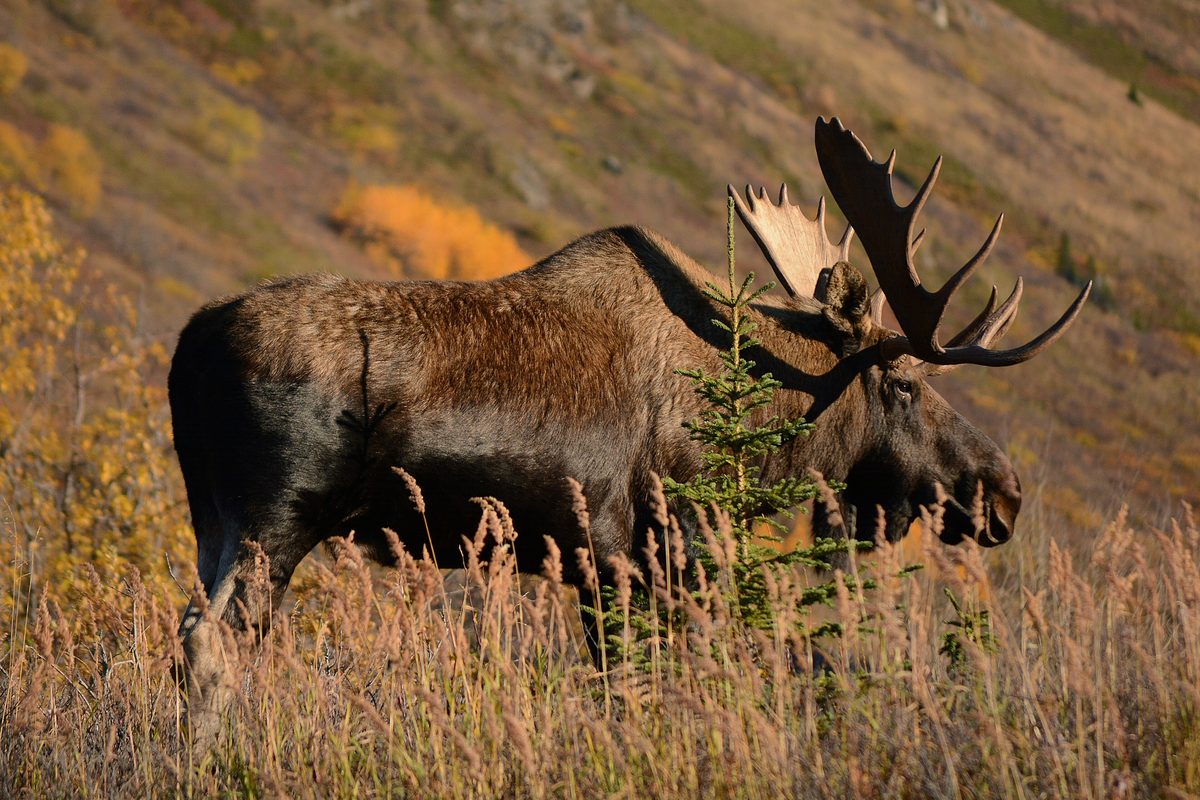
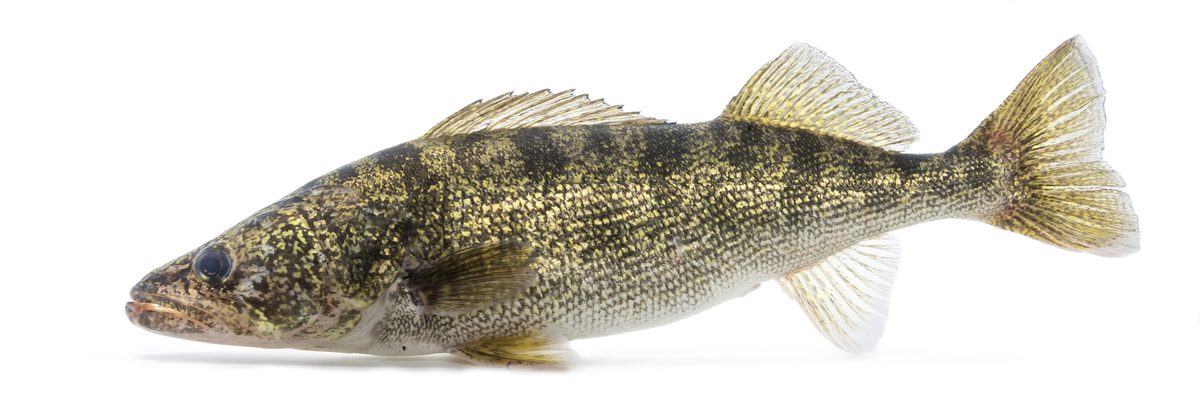
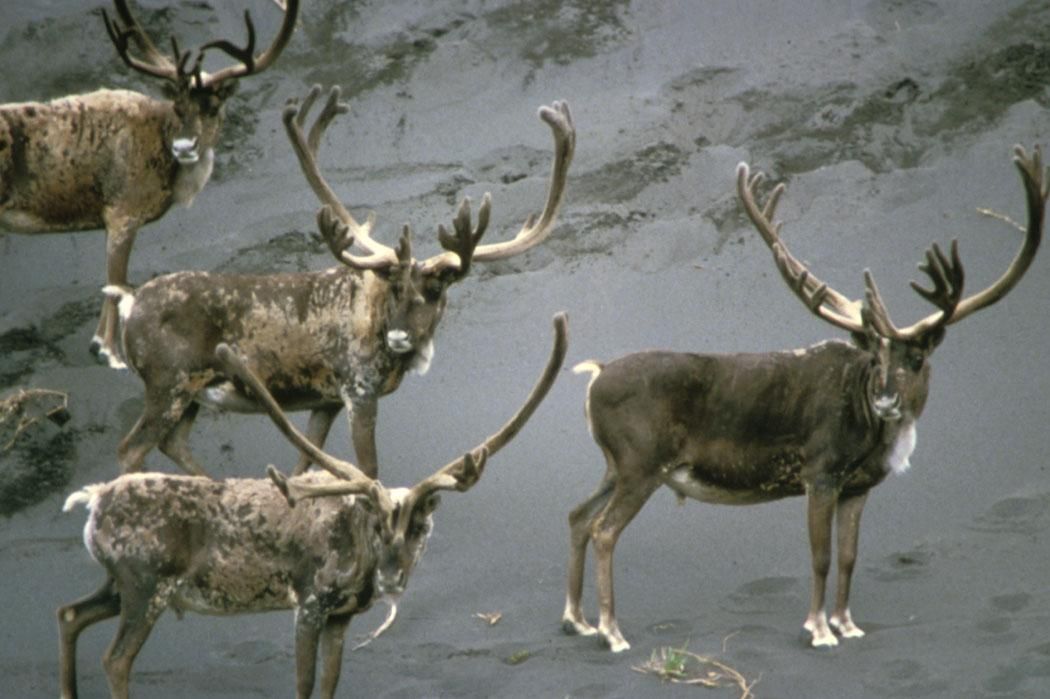
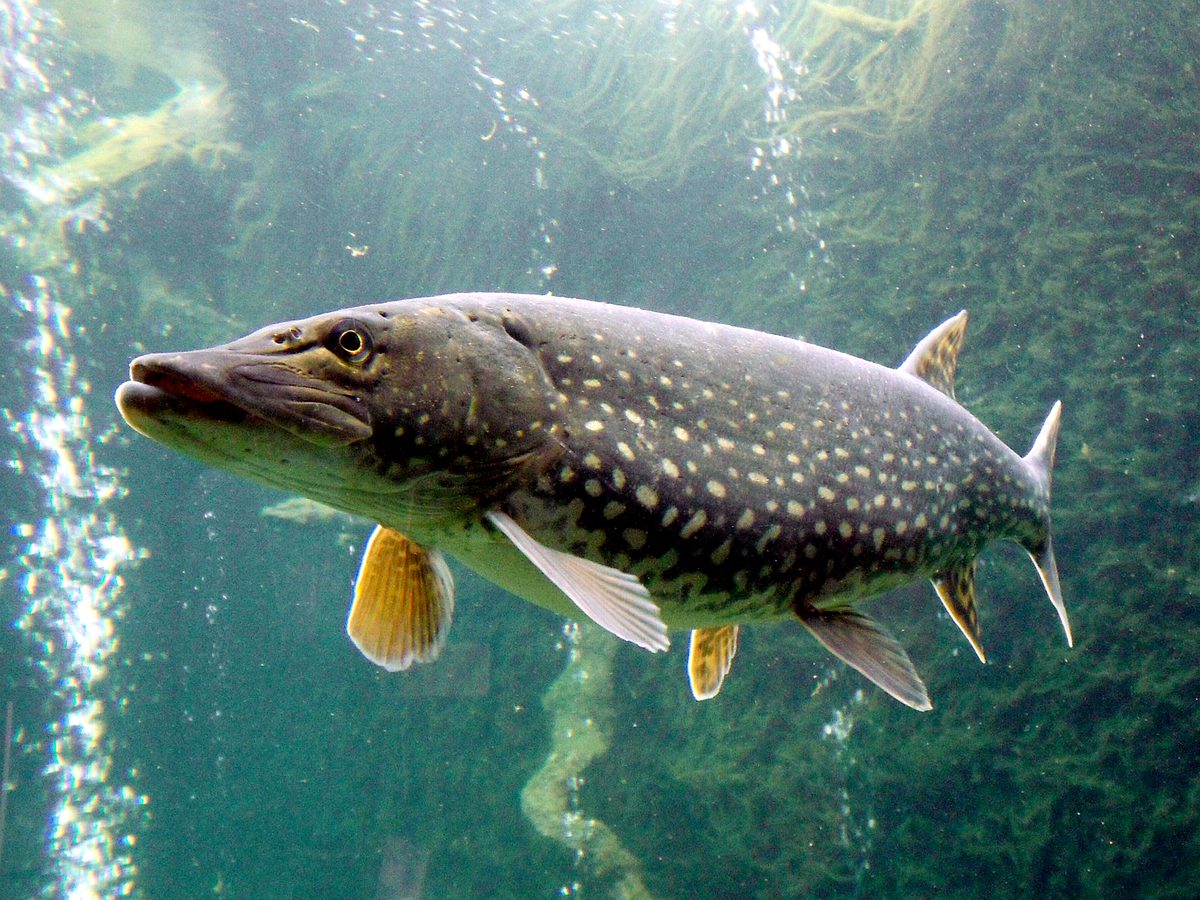
Animals around Torngat Mountains National Park



Torngat Mountains National Park
The Torngat Mountains National Park is a subarctic wilderness characterized by a saw-tooth skyline of jagged peaks, glacier-carved fjords, and iceberg-dotted indigo waters. Located on the Quebec-Labrador Peninsula, this 9,700 km² park is the largest national park in Atlantic Canada and the southernmost in the Arctic Cordillera. It preserves a dramatic landscape where nature and culture deeply connect. The park encompasses some of Earth’s oldest rocks and is an ancestral homeland of the Inuit, who welcome visitors to follow ancient footsteps through this significant territory. It was established to honor the relationship between the Inuit of Labrador and Nunavik with the land, known as “Nunatsiavut” or “our beautiful land.” The Torngat Mountains are considered a place of spirits, holding profound cultural and ecological importance.
A Land of Ecological Diversity
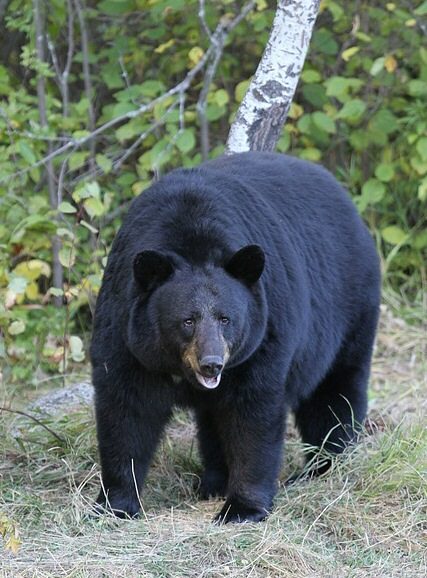
Within the Torngat Mountains National Park, diverse animal and plant species thrive across varied ecological communities and four distinct climatic regions. This protected area is crucial for wildlife, including boreal woodland caribou, polar bears, black bears, Labrador wolf packs, red and Arctic foxes, peregrine falcons, and golden eagles. The caribou, in particular, are central to Indigenous cultures, serving as a vital food resource. The park's rugged terrain provides essential habitats for these species, maintaining the ecological integrity of this vast region. Visitors have the opportunity to witness these animals in their natural environment, experiencing the wild heart of the Labrador coast.
The Labrador Coast: A Raw and Untouched Frontier
The Labrador coast, often called “the Big Land,” offers a raw and untouched quality, especially where its wild waters meet the dramatic rocky shoreline. This region, part of Newfoundland and Labrador, is distinct from the island of Newfoundland. The Torngat Mountains, forming part of this coastal expanse, represent the highest mountains in mainland Canada east of the Rocky Mountains. The landscape is marked by deep fjords and a profound sense of isolation, making it a truly remote wilderness experience. This area provides a unique setting for those seeking to explore a less-traveled frontier, where the forces of nature are paramount.
Inuit Heritage and Stewardship
The Torngat Mountains National Park is deeply intertwined with Inuit heritage. The park's creation honors the long-standing connection between the Inuit of Labrador and Nunavik and their ancestral lands. Parks Canada collaborates with these Indigenous groups to conserve the ecological integrity of the land and to share the park’s rich history with visitors. The area within and surrounding the park is governed by Inuit, reflecting their enduring presence and stewardship. This partnership ensures that the cultural significance of the Torngat Mountains, known as a place of spirits, continues to be recognized and preserved alongside its natural wonders.
Route options
- Hiking and Scrambling
Explore the park's mountainous terrain on foot, with opportunities for both hiking and scrambling through the rugged landscapes. This allows for immersive experiences within the subarctic environment.
- Kayaking
Paddle through the glacier-carved fjords and iceberg-dotted waters, offering a unique perspective of the dramatic coastal scenery.
Seasonal conditions
Spring
Dates not specified
Information not available in references. Generally, subarctic spring would involve snowmelt and potentially icy conditions.
Summer
Mid-July to late August
The park is open for the visitor season. Expect subarctic summer conditions, which can include cold temperatures, wind, and the potential for icebergs in coastal waters. As temperatures rise, ice shrinks and shrubs grow rapidly.
Fall
Dates not specified
Information not available in references. Generally, subarctic fall would bring cooler temperatures, potential for early snow, and changing foliage.
Winter
Dates not specified
The park is open year-round. Access is possible via snowmobile. Expect severe winter conditions with deep snow and extreme cold.
| Season | Window | Conditions |
|---|---|---|
| Spring | Dates not specified | Information not available in references. Generally, subarctic spring would involve snowmelt and potentially icy conditions. |
| Summer | Mid-July to late August | The park is open for the visitor season. Expect subarctic summer conditions, which can include cold temperatures, wind, and the potential for icebergs in coastal waters. As temperatures rise, ice shrinks and shrubs grow rapidly. |
| Fall | Dates not specified | Information not available in references. Generally, subarctic fall would bring cooler temperatures, potential for early snow, and changing foliage. |
| Winter | Dates not specified | The park is open year-round. Access is possible via snowmobile. Expect severe winter conditions with deep snow and extreme cold. |
Permits, fees & closures
Confirm specific permit requirements with Parks Canada. Research Permit Applications for the 2026 summer field season should be submitted before March 1st, 2026. Applications received after this date may not be considered until the 2027 season.
Official source: Torngat Mountains National Park · Verified September 2, 2026
Hazards & regulations
- Polar bears
- Extreme weather (subarctic conditions)
- Rugged, remote terrain
- Icebergs in coastal waters
Torngat Mountains National Park FAQ
- When is Torngat Mountains National Park open for visitors?
- The park is open for the visitor season from mid-July to late August. It is accessible year-round.
- What activities are available in Torngat Mountains National Park?
- Activities include wilderness-oriented recreational activities such as hiking, scrambling, and kayaking.
- What wildlife can be found in the park?
- The park is home to diverse wildlife including boreal woodland caribou, black bears, Labrador wolf packs, red and Arctic foxes, polar bears, peregrine falcons, and golden eagles.
- How do I contact Parks Canada for information about Torngat Mountains National Park?
- You can contact Parks Canada by telephone at 709-922-1290 (EN), 709-458-2417 (FR), or toll-free at 1-888-922-1290. Email inquiries can be sent to infopntorngats-torngatsnpinfo@pc.gc.ca.
- Is Torngat Mountains National Park important culturally?
- Yes, the park is an Inuit homeland and a treasury of their stories, spirits, and traditions. It was created to honor the relationship between the Inuit of Labrador and Nunavik and the land.