Tracks
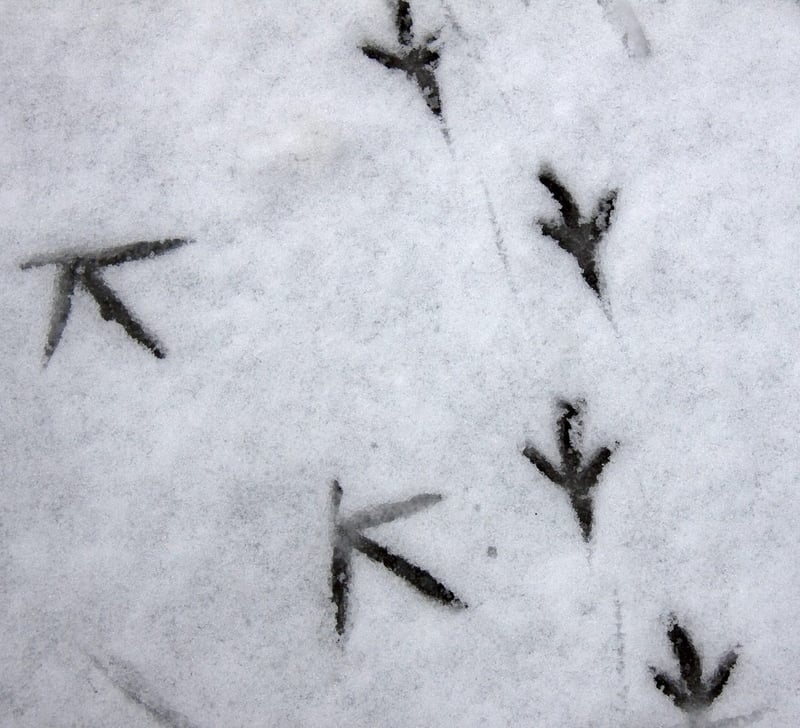
4–5 in., crescent
Wide, round, deeply concave crescents — the only big-game track that looks like two half-moons. The splayed hooves work as snowshoes and paddles, so tracks are as wide as they are long.
Hunting · Big Game · Caribou
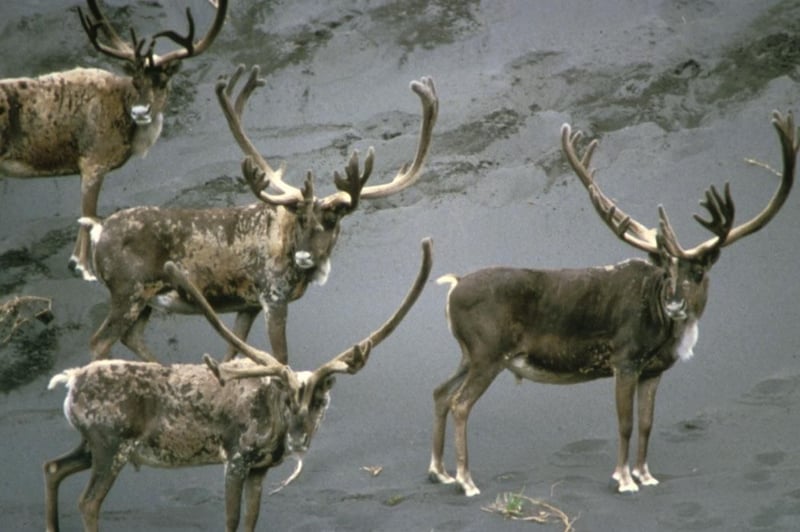
A tundra nomad hunted almost entirely by air charter and spotting scope — one of the last true wilderness hunts left on the continent.
Caribou are the only North American deer species where both sexes can carry antlers, and the only one that undertakes true long-distance migration — herds move hundreds of miles between summer and winter range, and the hunt lives or dies on whether that migration crosses your valley while you're in it.
Alaska sells caribou tags over the counter to nonresidents for several herds, which makes caribou one of the most accessible fly-in wilderness hunts in North America. Canada's herds are mostly accessed through licensed outfitters, especially since some barren-ground herds have seen serious declines and tighter quotas.
This is a hunt about logistics as much as animals: a bush plane drops you on the tundra with everything you need for a week or more, and the trip succeeds or fails based on weather, timing, and whether the caribou show up.
01
Alaska offers the most accessible DIY caribou hunting in North America; Quebec, the Northwest Territories, and Nunavut offer outfitted hunts for herds with different antler characteristics.
| Place | Why it's worth your time | How you get a tag |
|---|---|---|
| Alaska — Western Arctic & Mulchatna herds | Huge herds, over-the-counter nonresident tags, DIY fly-in access | Buy a tag online; charter a bush plane into a drop zone near migration routes |
| Alaska — Nelchina herd | Closer to the road system near Glennallen | Registration permit, drawn or over subsistence priority; check current allocation |
| Quebec — Ungava herds | Historically massive herds, now managed conservatively after declines | Access almost entirely through licensed outfitter camps |
| Northwest Territories | Barren-ground caribou in vast tundra with strict quotas | Nonresidents must book a licensed outfitter; some herds currently closed — verify status |
| Newfoundland | Woodland caribou in forested terrain, a different hunt style | Resident-priority draw; nonresidents typically book through an outfitter |
02
Caribou hunting is glassing tundra for moving animals and then either intercepting a migration or closing on scattered bulls across open ground — there is little cover, so the terrain and the timing do the work.
03
Caribou sign is migratory sign — trails worn into the tundra by generations of animals, and fresh sign that means a herd came through yesterday and is now twenty miles north.
4–5 in., crescent
Wide, round, deeply concave crescents — the only big-game track that looks like two half-moons. The splayed hooves work as snowshoes and paddles, so tracks are as wide as they are long.
Lichen pellets
Bell-shaped pellets with a dimple on one end, often in long scattered lines rather than piles because caribou drop them while walking. Lichen-heavy winter diets make them pale and fibrous.
Generational
Braided, deeply cut trails running for miles across tundra and through mountain passes, worn into the ground by decades of herd traffic. Hunting a pass with fresh tracks on an old trail is the whole game.
Early fall
Bloody velvet strips hanging from willow in late August and September, and polished bark on low shrubs where bulls thrash.
Winter feeding
Bowl-shaped pits dug through snow to reach lichen, often dozens together where a herd fed for a day.
04
Alaska is the DIY path; Canadian provinces and territories are essentially all outfitted. Either way, book your air charter before you worry about the tag.
05
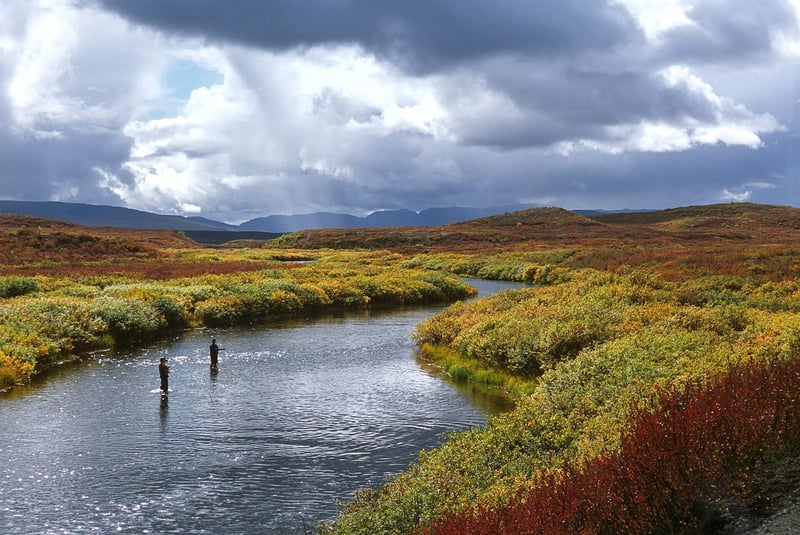
The hunt starts with a bush plane ride over country with no roads, no trees in the Arctic tundra, and no other hunters for miles — you land on a gravel bar or tundra strip and set up a wall tent or dome tent that will be home for a week or more.
Days are spent glassing from a high point, watching for the dust and movement of a moving herd, sometimes numbering in the hundreds, cresting a distant ridge. When they come, they can cross your valley in an hour and be gone.
The stalk itself is often short because caribou are less spooky than deer or sheep — the harder skill is patience, staying put through slow days of weather and empty horizons until the migration finally arrives.
Weather is a constant factor. Tundra storms bring horizontal rain and wind with little warning, and a solid camp setup and rain gear matter as much as the rifle.
The physical demand is moderate — mostly glassing and moderate hikes across spongy tundra — but the logistical and mental demand of remote self-sufficiency is real; help is a radio call and a weather delay away.
06
Not a shopping list — the six or so items that change whether you fill the tag and whether the meat gets home in good condition.
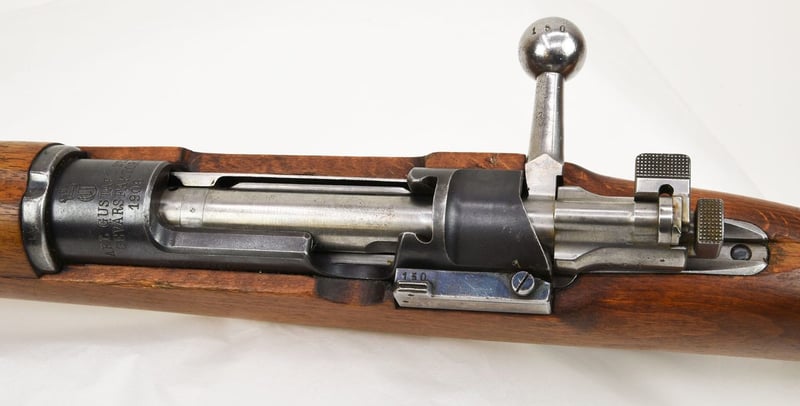
.270 to .300 Win Mag
Caribou are lightly built; any accurate deer-to-elk class rifle with a controlled-expansion bullet is plenty out to 300+ yards, which is common on open tundra.
Open-country glassing
Tundra has no cover to hide movement — good glass at range lets you find and evaluate bulls long before you commit to a stalk.
Weather resilience
A freestanding, wind-rated tent and a bag rated well below freezing; Arctic weather changes fast and camp comfort determines whether you can hunt hard for a week.
Wet tundra
Tundra is often boggy and there is nowhere to dry out. True waterproof boots and a full rain shell are non-negotiable.
Meat care
Breathable game bags to protect meat from insects and ravens, plus a head net and repellent — Arctic mosquitoes in August are ferocious.
Remote safety
No cell service and weather-dependent charter pickups make an inReach or satellite phone essential for coordinating your flight out.
07
Caribou are typically taken far from anything, in weather that changes hourly. Meat care is the whole hunt.
08
Quarter on the tundra, hang bags on willow or spread them on cool ground away from standing water, and expect to make multiple trips.
09
A bull caribou yields roughly 100–150 pounds of boneless meat — manageable for one or two hunters to fly out along with the cape and antlers.
Cool the meat immediately by boning it out and hanging bagged quarters in the wind and shade; tundra temperatures in August and September are cool but 24-hour daylight can still warm meat if it's left in the sun.
Caribou is lean, mild, and closer to venison than elk — excellent as steaks, roasts, and jerky, with little of the strong flavor associated with some other wild game.
Seasons, fees, and draw rules change every year. These are the agencies and organizations that publish the current numbers — always confirm with them before you apply or hunt.
Herd-by-herd tag rules, quotas, and current population status.
Scoring categories for barren-ground, mountain, woodland, and Quebec-Labrador caribou.
Barren-ground caribou quotas and outfitter requirements for nonresidents.
Co-management and population data for northern caribou herds.
Questions
Where every hunting guide on The Wild10 starts.
Big game, small game, upland birds, and waterfowl — habitat and season.
Turkey, pheasant, grouse, quail, ducks, geese, rabbits, squirrels and predators.
All 50 states — seasons, tags, laws, public land and tactics.
Calling, shotguns, bows, camo, blinds, scouting, and spring vs fall.
Search every species and filter by tracks, droppings and sign, harvest, or skinning.
Cartridges, zero, field positions, wind, and shot placement.
Gauges, chokes, shot size, and lead for birds and slug country.
Instinctive shooting, draw weight, arrow spine, and close-range craft.
Eleven recurve and longbow guides: form, aiming, spine, tuning, and building tackle.
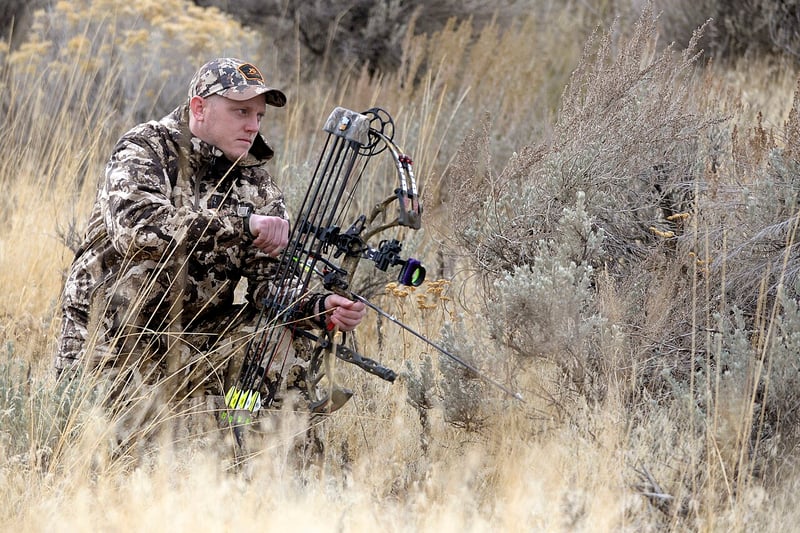
Draw length, sight and rest setup, broadhead tuning, and shot process.
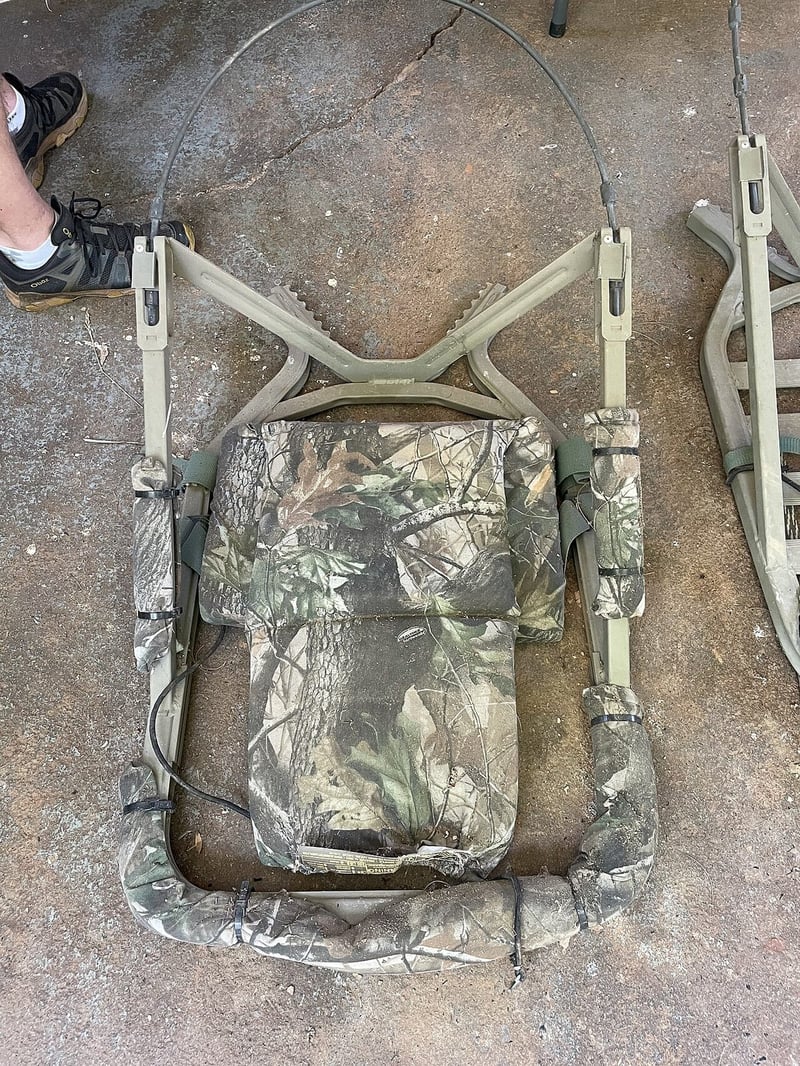
Wind discipline, stand placement, blood trailing, and meat care.
Keep going
Search every game profile by tracks, sign, harvest, and skinning guides.
Read →Cartridge choice, field positions, wind calls, and where the vitals actually sit.
Read →Gauges, chokes, slugs and straight-wall rules where rifles are not legal.
Read →Wind discipline, stand and stalk selection, blood trailing, and getting meat out cold.
Read →Book the rut week, map access, and plan the drive and cooler logistics before opening day.
Read →Top 10 lists
Ranked picks with real product photos, specs, and editor notes — the buying side of everything covered in these guides.
Bolt guns from budget workhorses to mountain rifles.
See the ranking →Rifled slug guns for shotgun-only whitetail country.
See the ranking →Spine, FOC, and broadhead pairings that fly true.
See the ranking →Quiet, wind-blocking shells for spring and early season.
See the ranking →Softshell and brush pants that move quiet and shed weather.
See the ranking →Insulated and shell layers ranked by warmth-to-noise.
See the ranking →Also on The Wild10
Fish identification, the knots that hold, lure selection by conditions, and the habits that fill a stringer.
Open the fishing hub →