Break lines
Core
The first sharp depth change off a flat — 12–22 feet on most lakes — held all day and left at dark.
Fishing · Species · Walleye
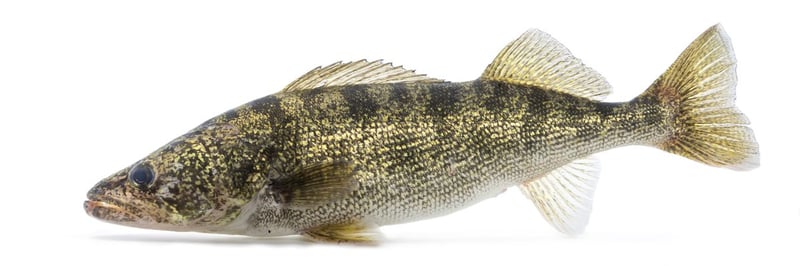
The best-eating fish in fresh water, and the one most tied to light, wind, and depth.
Walleye are a light-sensitive fish. That single fact explains almost everything about them: they feed at dawn, dusk, night, and under wind or stained water, and they sit deeper and tighter to bottom when the sun is high.
They are also a structure fish. Rock reefs, sand-to-mud transitions, river current seams, and the deep edges of weed flats hold them, and open basin water usually does not — except in summer, when suspended fish chase bait high in the water column.
And they are the reason a whole region fishes. In Minnesota, Ontario, and the Dakotas, walleye are the target, the shore lunch, and the standard by which every other fish gets judged at the table.
01
Walleye water ranges from vast Great Lakes basins to small Canadian Shield lakes. These are the fisheries with both numbers and consistency.
| Water & region | Why it's worth your time | Access & license |
|---|---|---|
| Lake Erie (western basin) | The most productive walleye water in the world | Ohio/Michigan license; charter fleet out of every port |
| Lake of the Woods (MN/ON) | Reliable year-round including a huge ice fishery | MN license plus separate Ontario license for the north end |
| Devils Lake (North Dakota) | Flooded timber and structure, generous limits | ND nonresident license, available online |
| Bay of Quinte (Ontario) | Trophy fish in late fall and early winter | Ontario Outdoors Card and conservation/sport license |
| Missouri River reservoirs (SD) | Oahe and Sharpe — big water, huge numbers | SD license; walleye limits vary by reservoir |
02
Match the method to the season. Jig in spring and fall, troll or drift in summer, and follow the light.
03
Walleye are light-sensitive structure fish. They sit deep or in stained water by day, then push up onto flats and shoreline breaks at dusk.
Core
The first sharp depth change off a flat — 12–22 feet on most lakes — held all day and left at dark.
Spring/fall
Wind-blown points with current and rubble bottom, especially near spawning reefs.
Summer
Cabbage and coontail edges hold walleye that most anglers troll right past looking for deep fish.
Current
Fish stack on the upstream face and the downstream eddy; the tailrace below a dam is a spring classic.
Midsummer
Suspended fish over 25–40 feet of soft bottom chasing bugs and bait — trolling water, not casting water.
04
These are the presentations that consistently produce walleye, with the conditions each one is actually for — not a tackle-shop wall.
Standard
1/8–3/8 oz jig, matched to depth and wind, dragged and pounded on bottom. Feel for weight, not a tap.
Neutral fish
A slip sinker, 4–6 foot leader, and a leech or crawler is the answer when they will not chase.
Covering water
Trolled at 1.0–1.5 mph across flats and breaks in summer; a blade finds fish a jig would miss.
Suspended fish
Shallow shad-shaped divers on planer boards at 1.8–2.5 mph for basin and shoreline fish at dusk.
Cold water
Vertical snap-and-drop over deep structure in late fall and through the ice.
Precision
For rock piles and reef tops where you need the bait to hover at exactly one depth.
05
Walleye are light-shy, structure-oriented predators with a predictable spring-to-fall migration on lakes and rivers.
| Season | Where the fish are | What works |
|---|---|---|
| Spring / spawn (38–48°F) | Rivers below dams, rocky shorelines, gravel bars; concentrated and shallow | Jig and minnow, 1/8–3/8 oz, vertical or pitched; ring-worms and paddle-tails on jigheads |
| Post-spawn (May–June) | Scattered along shorelines, weedlines, and emerging cabbage; feeding on hatching perch and shiners | Live-bait rigs, slip bobbers with leeches, shallow cranks trolled or cast |
| Summer | Deep structure: humps, points, reef edges in 20–40 ft; suspended over basins chasing cisco or shad | Bottom bouncers with spinners, lead-core trolling, deep-diving crankbaits, slip-sinker rigs |
| Fall | Shallow again at dusk on rock and sand; big fish feed heavily on shallow points and river mouths | Casting jerkbaits and shad-raps at night, jigging big minnows, trolling shallow cranks |
| Winter / ice | Same deep structure as summer, moving shallow to feed at dusk | Jigging spoons and rattle baits, deadsticks with lively minnows at the low-light windows |
06
Walleye have a reflective eye layer built for low light. Plan around that.
Best
Fish move up on structure to feed. Jig or cast cranks along the shallow edges of the structure they suspend off.
Fish go deep or bury in weeds and cabbage. Bottom bouncers, deep trolling, or jigging the base of the break; on windy, overcast days the bite stays on.
Best
The prime window for size. Cast stickbaits and shallow shad baits on shallow rock, sand flats, and river mouths.
Big walleye prowl 2–8 ft of water. Slow-troll or long-line minnow baits with a headlamp off; the fall night bite produces the year's largest fish.
07
The walleye rig box is small but each one has a job.
1/8–3/8 oz ball-head jig, lip-hooked fathead or shiner. Vertical in current, pitched on structure. Hook set on any weight or tick — walleye bites are soft.
1/4–1/2 oz walking sinker, bead, swivel, 3–6 ft leader to a #4 hook with a leech or crawler. Drag slowly, feed line on the bite, then set.
1–2 oz bouncer, 3–4 ft harness with a #3–#4 Colorado blade and a nightcrawler. Troll 1.0–1.5 mph over flats and humps.
Bobber stop, bead, slip float, small split shot, #6 hook or 1/32 oz jig, a leech or minnow set 6–12 in off bottom on a hump edge.
Three-way swivel with a dropper sinker and a stickbait, or lead-core line with a crankbait, for deep summer walleye over basins.
08
Live bait is the walleye standard, and it changes with the season.
Spring/fall
Cold-water bait. Lip-hooked on jigs, or hooked through the back on slip bobbers. Bigger creek chubs and red-tails for trophy fall fish.
Summer
Hooked through the sucker on a #6 hook. Best on slip bobbers and Lindy rigs in warm water; keep them cold and they last a week.
Summer
Whole crawler on a spinner harness or a crawler hook with an injected air bubble on a Lindy rig.
Chunks of sucker or shad on a jig in high, dirty river water when scent matters more than action.
09
Walleye fishing is a positioning game — depth, speed, and light.
10
No draws, but walleye waters carry the tightest and most-changed regulations in fresh water. Read the specific lake page every season.
11
The classic walleye day is slow, methodical, and weather-driven. Flat calm and blue sky is the worst combination; grey, breezy, and rough is the best.
Shore lunch on a Canadian lake — fish caught, cleaned, and fried within an hour — is the single most-cited reason people make the drive.
Ice fishing is a legitimate second season. Walleye feed hard at first light and last light through the hardwater months, and a portable shelter changes the whole experience.
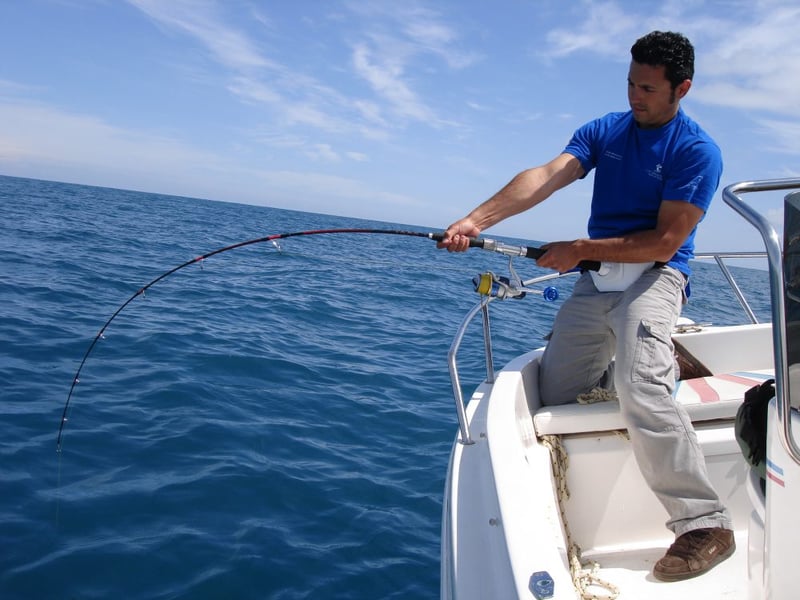
12
The rod, line, and terminal choices that actually change your hookup rate — with the numbers, not vague categories.
Core rod
Sensitive enough to feel a jig tick and detect a light take.
Zero stretch for hooksets at depth, invisible at the bait.
Spring/fall
Match weight to depth and wind — heavy enough to feel bottom, no heavier.
The summer workhorse: crawler harness behind a 1–3 oz bouncer.
Cover water and trigger the fish suspended over basins in midsummer.
Table gear
Walleye are kept fish; ice them whole and fillet at the cleaning station.
13
What happens between the hookset and the cooler decides whether you land the fish and whether it is worth eating.
14
Cleaning a walleye the right way takes about four minutes once you know the sequence.
15
Walleye is the benchmark freshwater fish: white, firm, flaky, and completely mild.
Fillet, remove the rib cage, and take the small strip of dark lateral meat if you want the cleanest possible flavor.
Simple is best — flour, egg wash, cracker crumb, hot oil. Anything heavier buries the fish.
Keep fish within the slot where slots exist, and ice everything immediately; walleye flesh is delicate.
Size limits, creel limits, and seasons are set water by water and change every year. These agencies publish the current rules.
Lake-specific regulations, slot limits, and stocking reports.
Zone-by-zone seasons, limits, and license requirements.
Questions
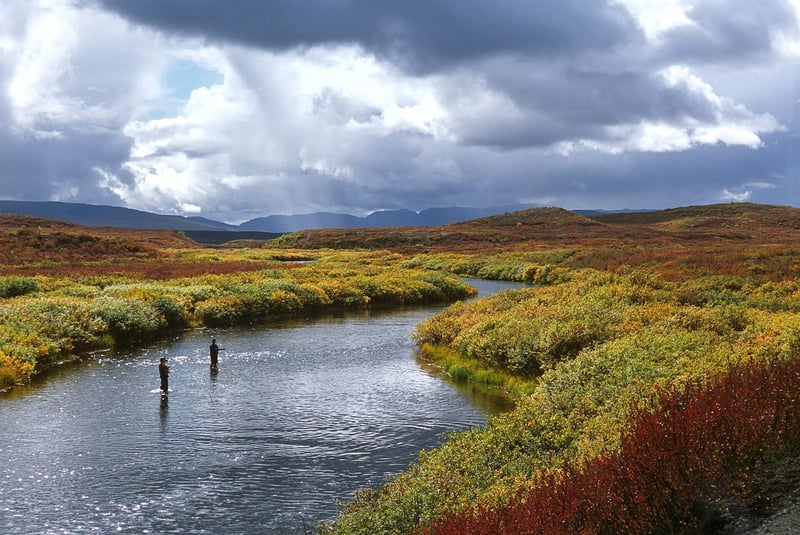
Where every fishing guide on The Wild10 starts.
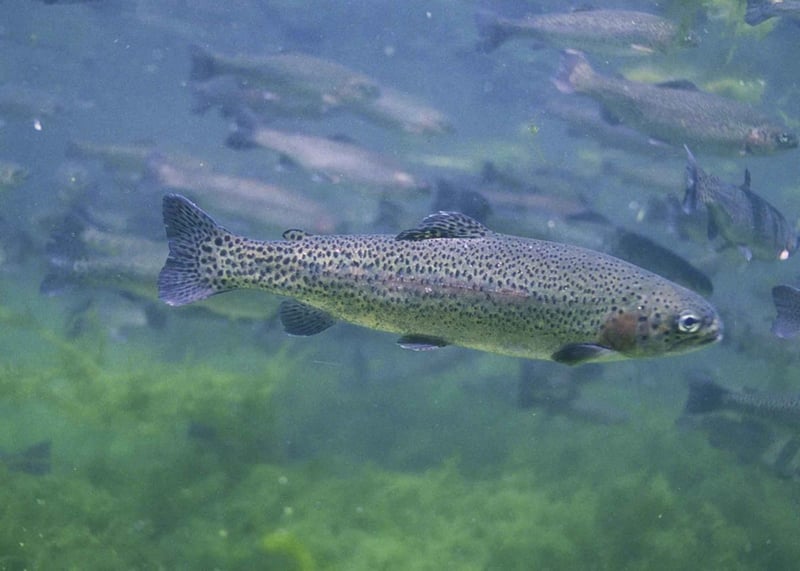
Body shape, fins, mouth, and markings for 30+ North American gamefish.
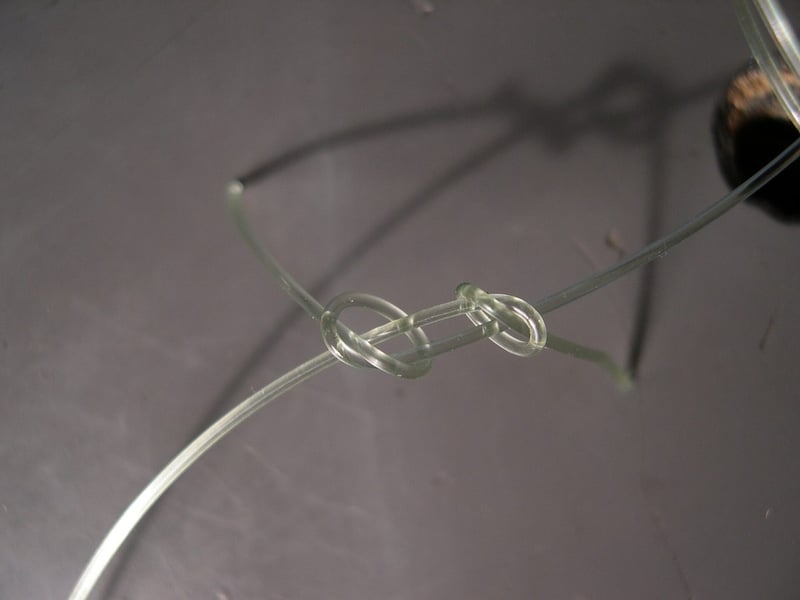
Twelve knots covering every hook, leader, and loop connection you need.
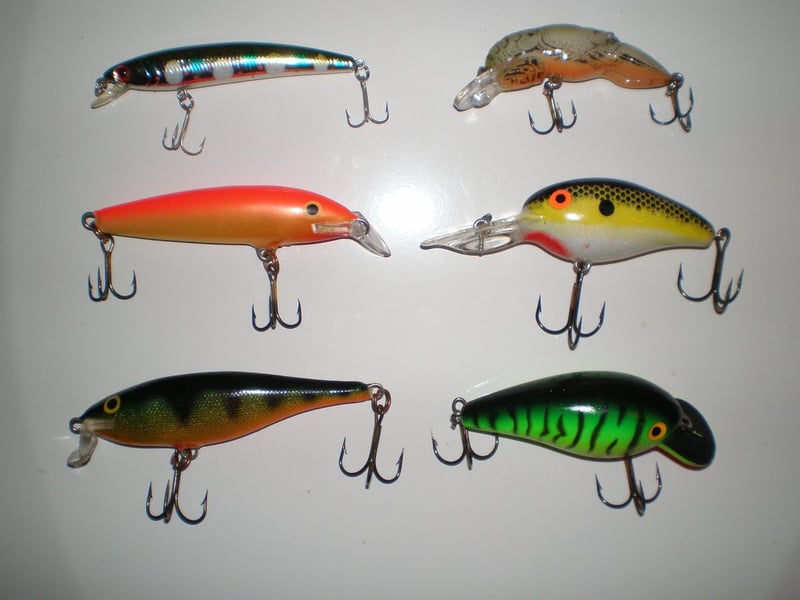
Matching lure category to temperature, clarity, depth, and season.
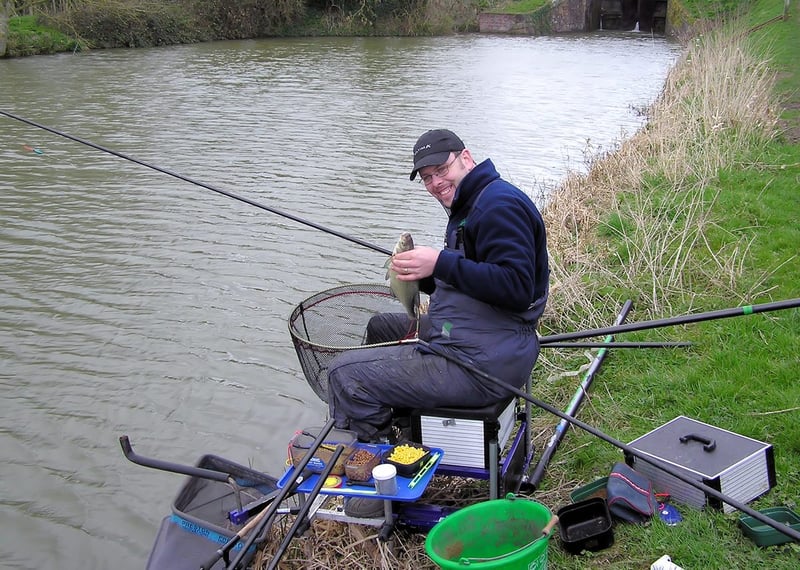
Reading water, timing the bite, and fixing a slow day on the spot.
Keep going
Tell lookalike species apart by fins, mouth, and markings.
Read →Match lure category to depth, clarity, and water temperature.
Read →The connections that keep big fish attached.
Read →Reading water and fixing a slow day on the spot.
Read →Top 10 lists
Ranked picks with real product photos, specs, and editor notes — the buying side of everything covered in these guides.
Bass, walleye, trout, and panfish rods ranked on feel.
See the ranking →Jig, crank, and heavy-cover rods by blank and taper.
See the ranking →Drag smoothness, line management, and long-haul gears.
See the ranking →Brake systems, backlash control, and drag under load.
See the ranking →Also on The Wild10
Same field-tested approach, applied to game species, rifles, shotguns, and bows — from scouting through meat care.
Open the hunting hub →