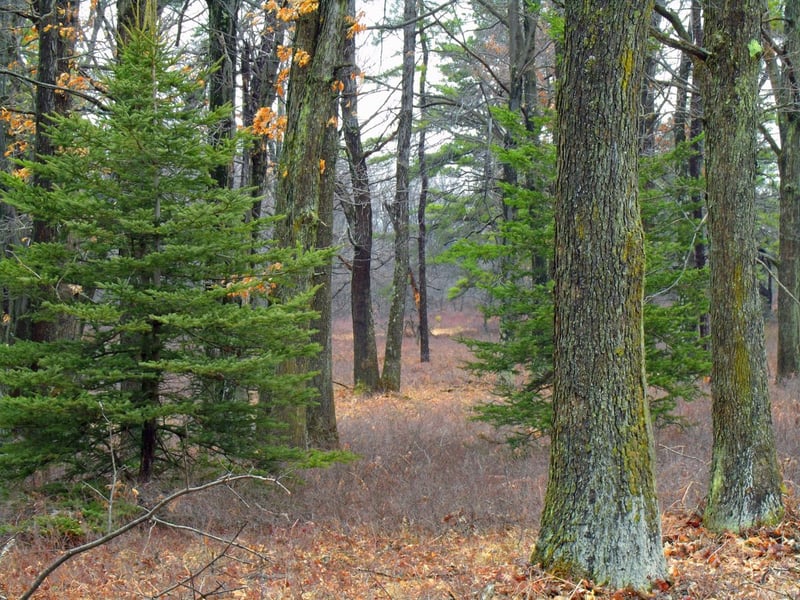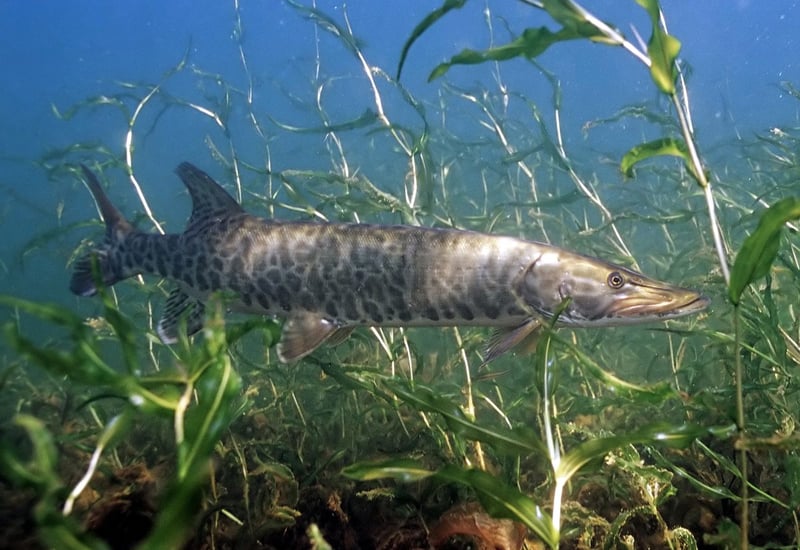

Shallow weed bays
Spring
First warm bays and back channels, 2–6 feet, right after ice-out — the whole population is there for weeks.
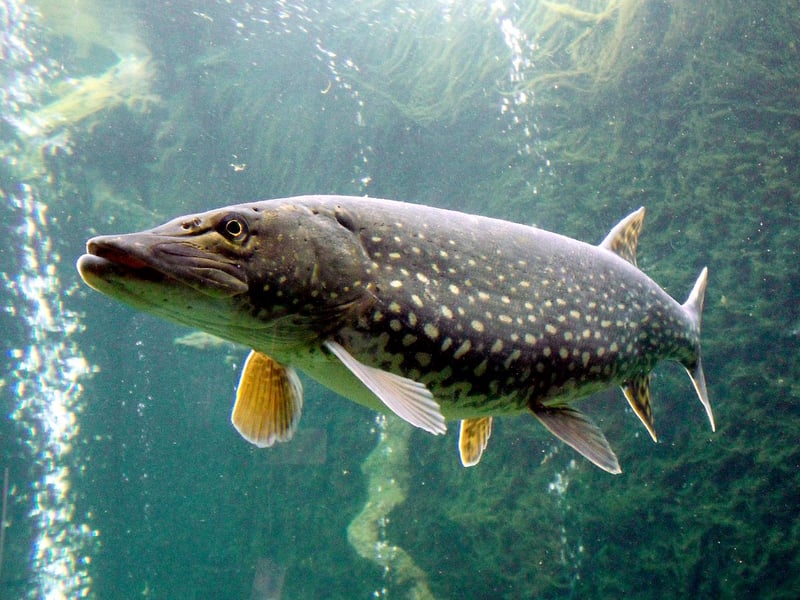
Fishing · Species · Northern Pike
A weed-edge ambush predator that will eat a lure half its own length and cut your line doing it.
Pike are the most cooperative big predator in fresh water. They sit on weed edges in relatively shallow water and attack anything that looks injured, which makes them the fish that saves a slow day.
They also demand different terminal tackle than everything else — a mouth full of teeth means a wire or heavy fluorocarbon leader on every single bait, no exceptions.
The seasonal pattern is simple: shallow and shallow-warm right after ice-out, deeper and cooler through midsummer, then back to the weed edges and feeding hard in October.
01
Pike are widely distributed, but genuine big-fish water is northern, cold, and often remote.
| Water & region | Why it's worth your time | Access & license |
|---|---|---|
| Northwest Territories (Great Slave) | True 45-inch-plus fish | NWT license; most anglers book a fly-in lodge |
| Northern Saskatchewan / Manitoba | Trophy pike over shallow bays in June | Provincial license; barbless and release rules on trophy lakes |
| Minnesota / Wisconsin lakes | Accessible numbers with real trophy potential | State license; protected slots on many lakes |
| Green Bay, Lake Michigan | Big fish in shallow marsh water in spring | Wisconsin license; check spring season dates |
| Alaska interior lakes and sloughs | Untouched populations, easy fish | Alaska sport fishing license, sold online |
02
Cover shallow water fast with a flashy bait, then slow down and get in the fish's face when the water is cold.
03
Pike are ambush predators that sit in or beside cover in water cooler than a largemouth will tolerate.
Spring
First warm bays and back channels, 2–6 feet, right after ice-out — the whole population is there for weeks.
Summer
Broadleaf cabbage in 6–12 feet with open pockets; fish the pockets and the outside line.
Big fish
Big pike leave the shallows in midsummer for 15–30 foot structure near ciscoes and whitefish.
Current systems
Slack water behind islands and in flooded timber holds pike out of the main flow.
04
These are the presentations that consistently produce northern pike, with the conditions each one is actually for — not a tackle-shop wall.
Timeless
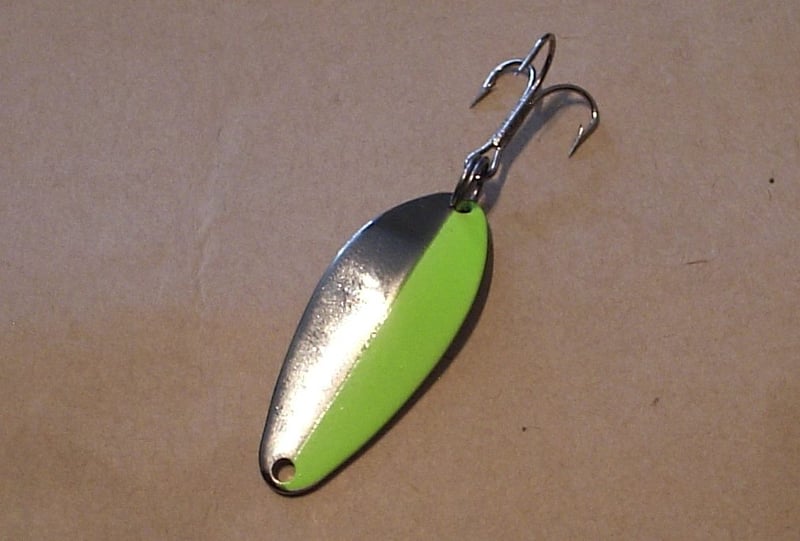
A red-and-white or five-of-diamonds spoon fished with a fast, wobbling retrieve over weed tops.
Weeds
Comes through cabbage without fouling and calls fish from a distance in stained water.
Big fish
6–8 inch hard baits worked with hard pulls and long pauses; the pause is when they eat.
Cold front
A 5–7" paddle tail rolled slowly along the deep weed edge when they quit chasing fast baits.
Cold water
A smelt or herring suspended under a float is the trophy method in late fall and through the ice.
Warm shallows
Loud surface baits over 3–6 feet of weeds produce the most violent strikes in freshwater.
05
Pike spawn earliest of any gamefish and then chase cool water all summer. Water temperature decides depth.
| Season | Where the fish are | What works |
|---|---|---|
| Ice-out / spawn (34–45°F) | Shallow, marshy back bays and flooded grass; fish in 1–4 ft | Dead-bait rigs, slow-rolled spinnerbaits, suspending jerkbaits (check season — many states close it) |
| Late spring (50–65°F) | Post-spawn feeding along emerging weed edges and bay mouths; the best window for numbers and size | Spoons, inline spinners, jerkbaits, swimbaits over weeds in 4–10 ft |
| Summer | Big fish go deep and cool: outside weed edges, humps, thermocline suspends near cisco; small fish stay in weeds | Deep trolling with big cranks, jigging big soft plastics on the weed edge, live suckers under floats |
| Fall (turnover on) | Back into shallow to mid-depth weed beds and rocky points as water cools; heavy feeding | Large jerkbaits, big spoons, bucktails, and dead-bait rigs; peak trophy time |
| Winter / ice | Weed flats in 6–15 ft and the drops beside them | Tip-ups with dead baits or large live suckers; quick-strike rigs to avoid gut-hooking |
06
Pike are day feeders more than most predators, but front-driven weather matters as much as time.
Best
Calm mornings over weed flats with topwater or shallow jerkbaits; fish are up in the weeds hunting.
Still a good bite, especially on overcast or windy days. Move to deeper weed edges and structure with spoons and swimbaits.
Second feeding push, shallow again as light drops. Big spinnerbaits and bucktails over weeds.
The day before a front is the best day on the calendar. Post-front bluebird skies push pike deep and tight to cover.
07
Every pike rig needs a wire or heavy fluoro leader. No exceptions.
Two treble hooks (#4–#6) on a wire trace, one in the tail and one behind the head of a dead smelt or sucker, under a float. Set the hook immediately — no waiting, which prevents gut-hooking.
12-inch, 30–60 lb titanium or 7-strand wire (or 80–100 lb fluorocarbon) with a strong swivel and a cross-lock snap for lure changes.
Slip float sized to the bait, 6–12 in sucker hooked behind the dorsal on a 4/0 single or through the lips on a quick-strike, set just above the weed tops.
Three-way swivel, 2–3 oz dropper, 6 ft leader to a big crankbait for summer fish along the thermocline.
Braided tip-up line, 18-inch wire leader, quick-strike or single 2/0 treble in a dead ciscoe or smelt held 12 in over the weed tops.
08
Pike love a large meal, dead or alive.
Cold water
Frozen oily baitfish fished on the bottom or under a float in spring and through the ice; the scent draws big fish in cold water.
Trophy
Under a float on the weed edge; a big lively sucker is the classic trophy bait in fall.
For numbers in spring and summer, fished on a quick-strike or a single hook under a slip float.
09
Cover water, then hit each weed pocket from more than one angle.
10
No draw or tag. Pike regulations mostly concern length protections designed to keep large fish in the system.
11
A good pike day is visual and violent. You watch a wake appear behind the bait, and the strike happens at the boat as often as at distance.
Figure-eight your bait at boatside every cast. A remarkable number of pike follow to the boat and eat only on the turn.
Handling is the real skill. Jaw spreaders, long-nose pliers, and a plan before you land the fish keep both of you intact.
12
The rod, line, and terminal choices that actually change your hookup rate — with the numbers, not vague categories.
Core rod
Throws big baits all day and drives a hook through a bony jaw.
Non-negotiable in weeds; pike bury themselves at the strike.
Mandatory
Every bait, every cast. Straight line to lure loses fish and leaves hooks in them.
The most efficient pike search bait ever made — flash, flutter, and distance.
The big-fish bait for deep weed edges and late fall.
Safety gear
Protects the fish and your hands; carry them before you catch one.
13
What happens between the hookset and the cooler decides whether you land the fish and whether it is worth eating.
14
Cleaning a northern pike the right way takes about four minutes once you know the sequence.
15
Pike is excellent — firm, white, and sweet — and it suffers only from its reputation for bones.
The Y-bones run in a row above the lateral line; learn the five-cut fillet method once and the problem disappears permanently.
Smaller fish (24–30 inches) are the best eaters; release the large females that carry the fishery.
Pickled pike is a genuine northern tradition and the brine dissolves any remaining small bones.
Size limits, creel limits, and seasons are set water by water and change every year. These agencies publish the current rules.
Lake-specific pike length limits and season dates.
Trophy water rules, barbless requirements, and licenses.
Questions
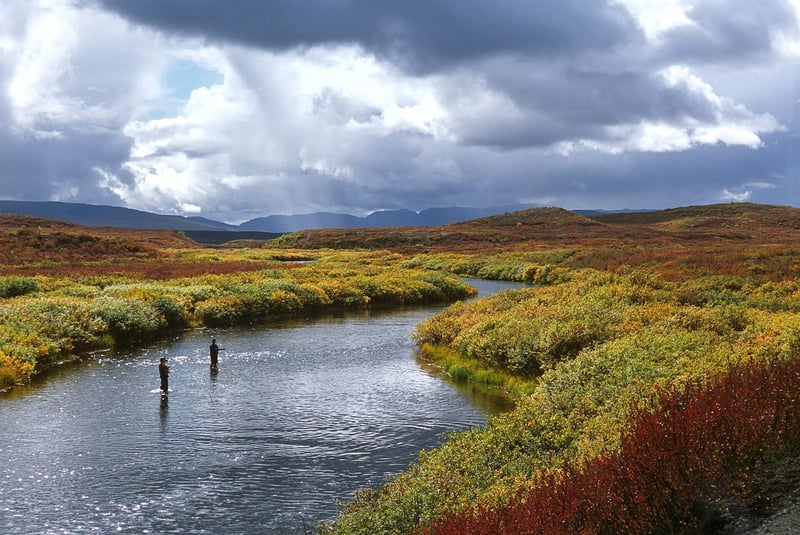
Where every fishing guide on The Wild10 starts.
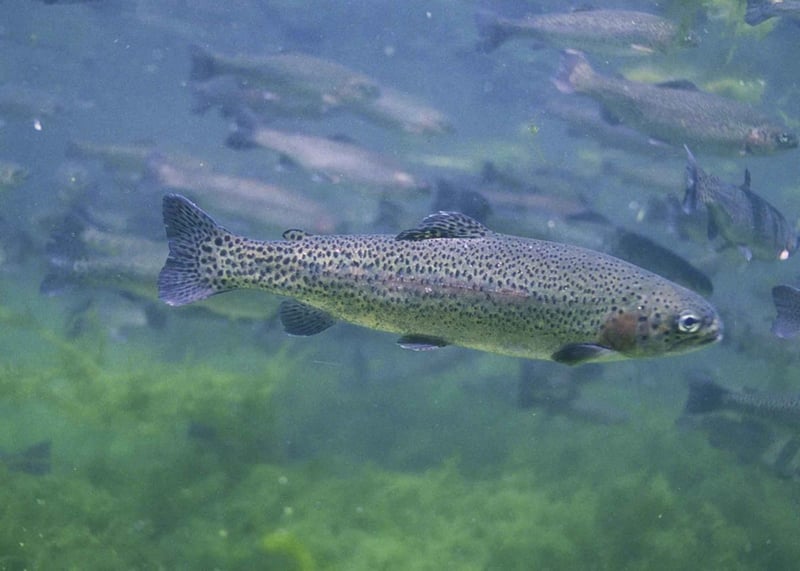
Body shape, fins, mouth, and markings for 30+ North American gamefish.
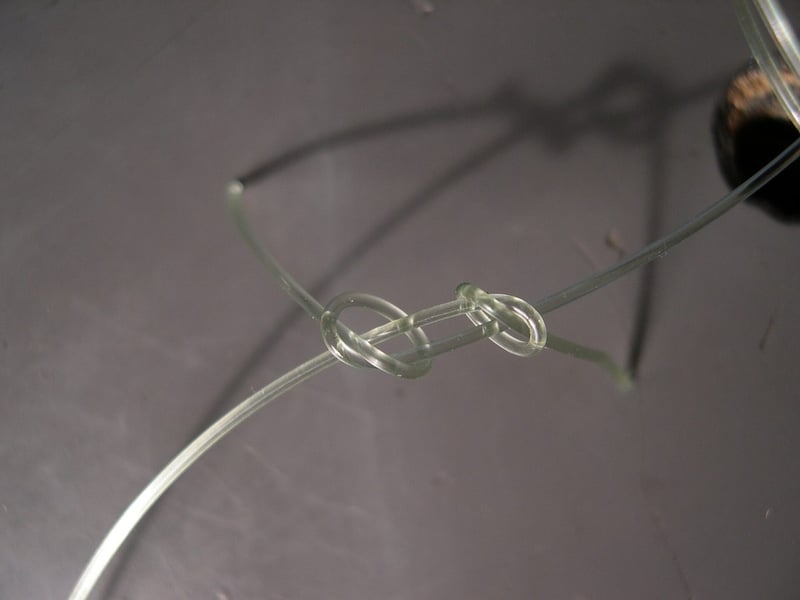
Twelve knots covering every hook, leader, and loop connection you need.
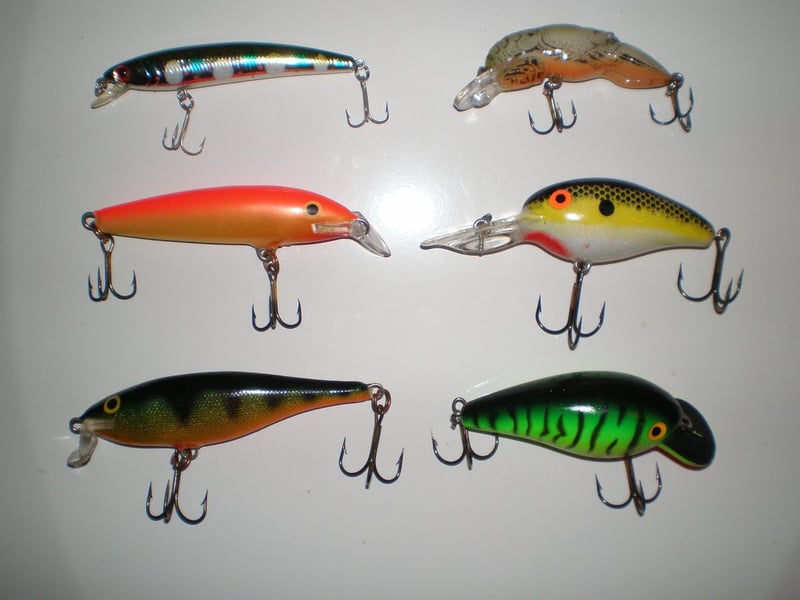
Matching lure category to temperature, clarity, depth, and season.
Reading water, timing the bite, and fixing a slow day on the spot.
Keep going
Tell lookalike species apart by fins, mouth, and markings.
Read →Match lure category to depth, clarity, and water temperature.
Read →The connections that keep big fish attached.
Read →Reading water and fixing a slow day on the spot.
Read →Top 10 lists
Ranked picks with real product photos, specs, and editor notes — the buying side of everything covered in these guides.
Bass, walleye, trout, and panfish rods ranked on feel.
See the ranking →Jig, crank, and heavy-cover rods by blank and taper.
See the ranking →Drag smoothness, line management, and long-haul gears.
See the ranking →Brake systems, backlash control, and drag under load.
See the ranking →Also on The Wild10
Same field-tested approach, applied to game species, rifles, shotguns, and bows — from scouting through meat care.
Open the hunting hub →