
Tracks
5–7 in.
Enormous, pointed, deeply cloven, and often sunk 6 inches into muskeg with dewclaws printing behind. No other North American track is this large and this pointed — caribou tracks are equally big but round and crescent-shaped.
Hunting · Big Game · Moose
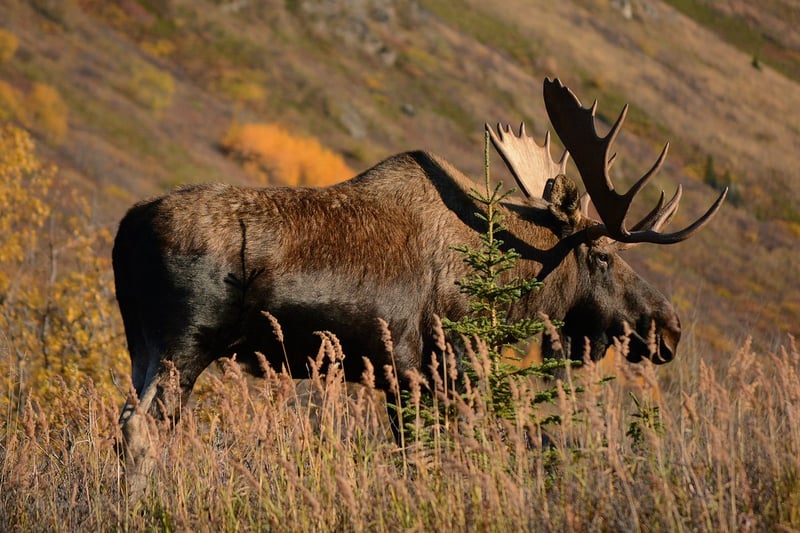
The largest deer on earth, the hardest tag to draw in the Lower 48, and by far the biggest pack-out in North American hunting.
A bull moose stands seven feet at the shoulder and can exceed 1,400 pounds. There is no other animal in North America where the hunt is easy relative to the recovery — you can shoot a moose 400 yards from the truck and still spend two full days getting it out.
In the Lower 48, moose tags are the scarcest big-game permits there are. Most states issue them as once-in-a-lifetime licenses, meaning that if you draw and fill one, you can never apply again in that state.
Alaska, the Yukon, Newfoundland, and much of Canada are the realistic destinations for someone who wants to hunt moose in this decade rather than in retirement.
01
Split your thinking into Lower 48 lottery states, Alaska (where a nonresident can buy a tag but needs logistics), and Canadian provinces where an outfitter books you a guaranteed hunt.
| Place | Why it's worth your time | How you get a tag |
|---|---|---|
| Alaska | Highest densities and the biggest bulls; huge public land | Nonresidents buy a locking tag; brown bear/sheep/goat need a guide but moose often does not |
| Maine | Best moose hunting in the eastern U.S.; strong success rates | Once-in-a-lifetime lottery, June deadline; nonresident odds around 1–2% |
| Wyoming, Montana & Idaho | Shiras moose in classic mountain willow country | Once-in-a-lifetime draw; 10–30 years of points is typical |
| Utah, Colorado & New Hampshire | Small but stable Shiras and eastern herds | Once-in-a-lifetime bonus-point draws with very low odds |
| Newfoundland | Introduced population at extremely high density; affordable outfitted hunts | Guaranteed licenses through licensed outfitters — no draw |
| British Columbia, Yukon & Ontario | Big Canada and Alaska–Yukon moose in remote country | Nonresident aliens must hunt with a licensed guide-outfitter |
02
Moose are hunted almost entirely by calling them out of thick willow and timber during the rut, then solving the very real problem of getting a half-ton animal out of the country.
03
Moose leave the biggest sign in North America and they leave it in swamps, willows, and burns. If you find fresh moose sign you are usually within a mile of the moose, because they do not travel far.
5–7 in.
Enormous, pointed, deeply cloven, and often sunk 6 inches into muskeg with dewclaws printing behind. No other North American track is this large and this pointed — caribou tracks are equally big but round and crescent-shaped.
Big pellets or pats
Winter browse produces oval pellets the size of a large olive in piles the size of a dinner plate. Summer aquatic feeding produces a loose brown pat. Volume alone identifies moose — nothing else in the woods produces this much.
Rut sign
Willow and aspen stands torn apart at shoulder height, whole saplings snapped, and bark scraped in wide swaths. Fresh thrashing during the September–October rut means a bull is working that patch.
Rutting pits
Pawed-out, urine-soaked pits about the size of a bathtub, usually in a willow flat opening. They stink strongly enough to smell from downwind at a hundred yards.
Feeding sign
Willow and birch clipped off cleanly at 6–8 feet — far above deer height — plus stripped bark on aspen. Cropped aquatic vegetation and churned mud at a pond edge means a summer or early-fall feeding pattern.
04
Moose applications are cheap and the odds are long, which makes them the ideal 'lottery ticket' line item in a western application budget. Put in every year and forget about it.
05
Moose hunting in the rut is a calling hunt. You sit on a ridge over a willow flat or paddle a lake edge at first light, make long mournful cow calls, and rake a shoulder blade against brush to imitate a bull thrashing. A responding bull may grunt back for an hour before he appears.
The animals seem improbably calm and enormous when they arrive. Shots are usually inside 200 yards, often much closer, and the challenge is not marksmanship but choosing a spot where you can physically deal with the animal afterwards.
Never shoot a moose in water or deep in a bog you cannot work in. Experienced hunters will pass a bull rather than kill one on the wrong side of a beaver pond.
After the shot, the real hunt begins. Two people with sharp knives will spend six to ten hours quartering and bagging, and then move 400–600 pounds of meat — often multiple miles, sometimes by canoe, raft, or bush plane.
Weather in prime moose country in October is cold, wet, and buggy earlier in the season. It is a hunt where your camp system and your ability to keep working in the rain matter more than your rifle.
06
Not a shopping list — the six or so items that change whether you fill the tag and whether the meat gets home in good condition.
.30-06 and up
.30-06, .300 Win Mag, .338 Win Mag, or .35 Whelen with heavy, deeply penetrating bullets. Shot placement into the shoulder crease; a moose can absorb a poor hit and walk into cover you cannot follow into.
Rut
Long, drawn-out cow calls carry a mile in still morning air. Add brush raking with a paddle or shed antler to imitate a rival bull.
Recovery
You are butchering the largest animal you will ever break down in the field. Bring twice the blades and bags you think you need.
Logistics
Frame pack, game cart if terrain allows, canoe or raft on water routes, or a pre-arranged plane or outfitter with stock.
Wet country
Moose live in willow bogs and lake edges. Wet feet on day one ruins a ten-day hunt.
Preservation
In warm early-season weather a moose spoils quickly. A hanging pole, shade, and airflow immediately; ice or a processor within a day or two.
07
A moose is a thousand pounds of meat that will spoil in twelve hours if you leave it in the hide. Shoot one only where you can physically get it out.
08
Nobody hangs a moose. You break it down where it lies, in the water or the muskeg, and you do it fast.
09
A mature bull produces 400–600 pounds of boneless meat — one animal can fill two chest freezers and feed a family for a year.
Cool it aggressively. Break the animal into quarters, get every piece into a breathable bag off the ground, and separate the pieces so air can circulate.
Moose is lean, mild, and slightly sweeter than elk. Loins and hindquarters as steaks and roasts; the rest into grind, stew, and sausage.
Seasons, fees, and draw rules change every year. These are the agencies and organizations that publish the current numbers — always confirm with them before you apply or hunt.
Unit regulations, salvage law, and guide-required species list.
The largest eastern moose lottery — rules, odds, and deadlines.
Once-in-a-lifetime Shiras moose application and point rules.
Distinguishing Canada, Alaska–Yukon, and Shiras moose for records and regulations.
Questions
Where every hunting guide on The Wild10 starts.
Big game, small game, upland birds, and waterfowl — habitat and season.
Turkey, pheasant, grouse, quail, ducks, geese, rabbits, squirrels and predators.
All 50 states — seasons, tags, laws, public land and tactics.
Calling, shotguns, bows, camo, blinds, scouting, and spring vs fall.
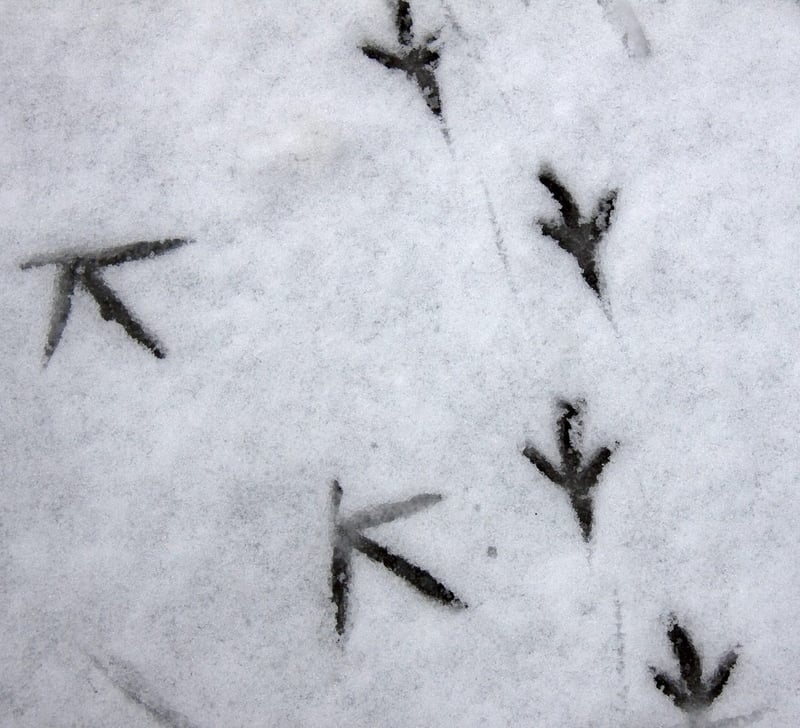
Search every species and filter by tracks, droppings and sign, harvest, or skinning.
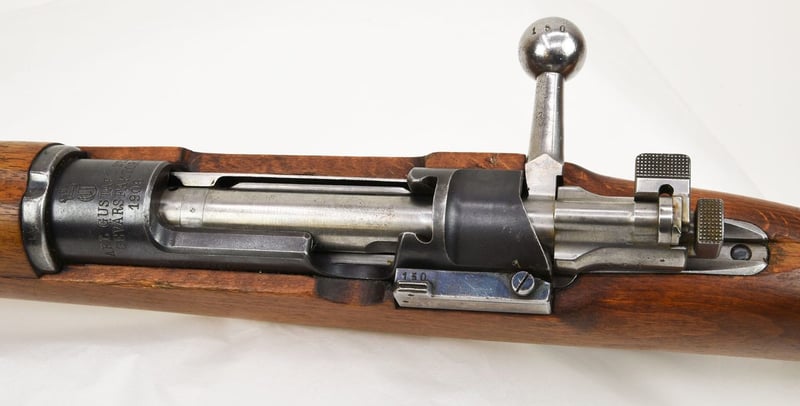
Cartridges, zero, field positions, wind, and shot placement.
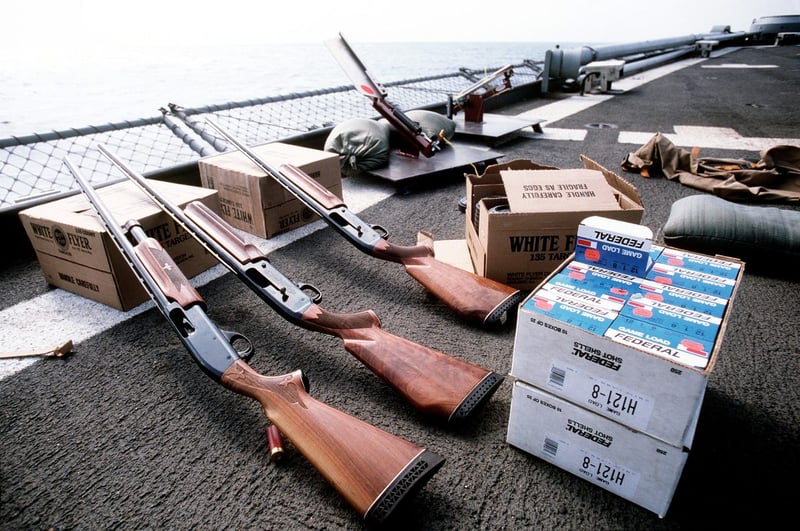
Gauges, chokes, shot size, and lead for birds and slug country.
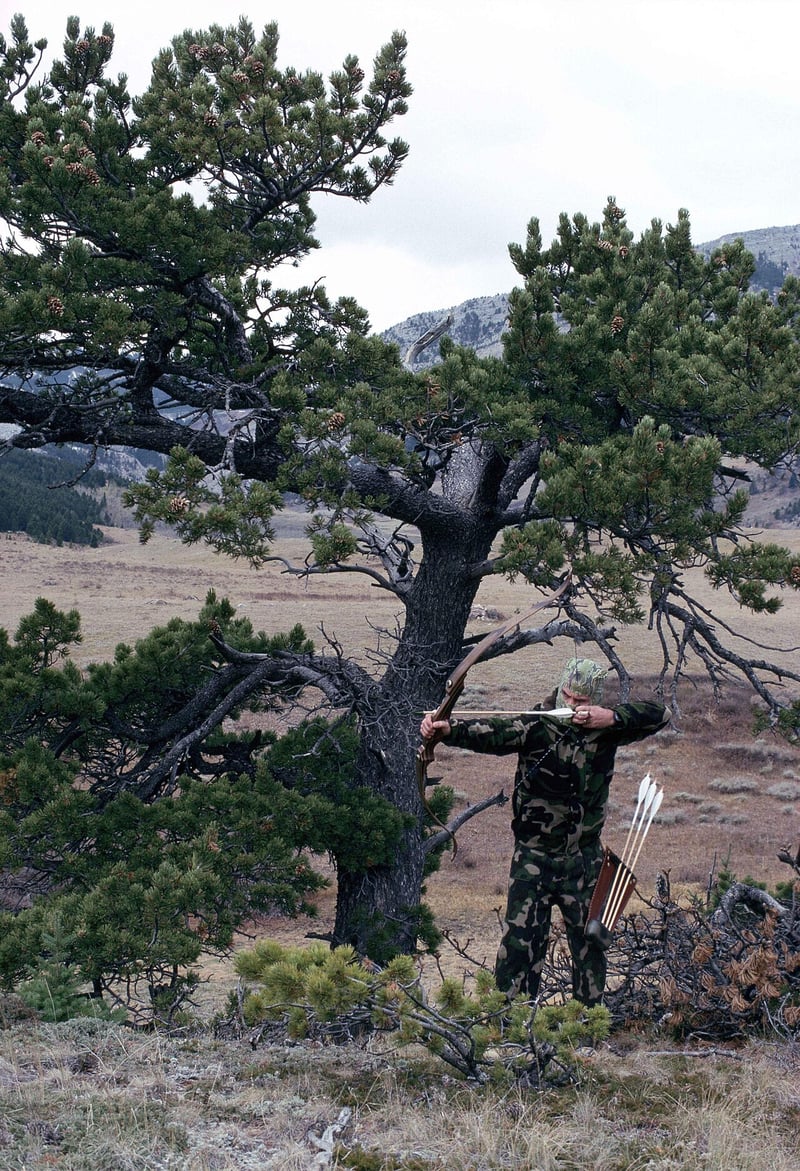
Instinctive shooting, draw weight, arrow spine, and close-range craft.
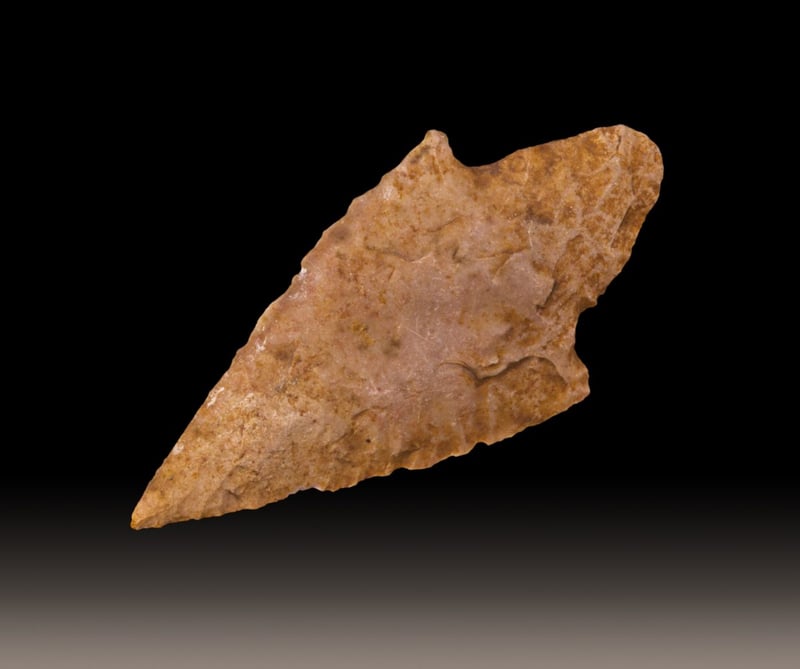
Eleven recurve and longbow guides: form, aiming, spine, tuning, and building tackle.
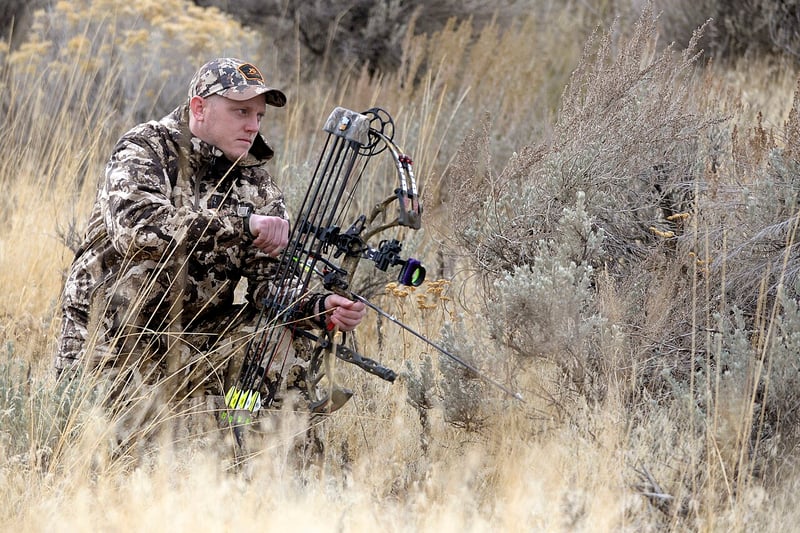
Draw length, sight and rest setup, broadhead tuning, and shot process.
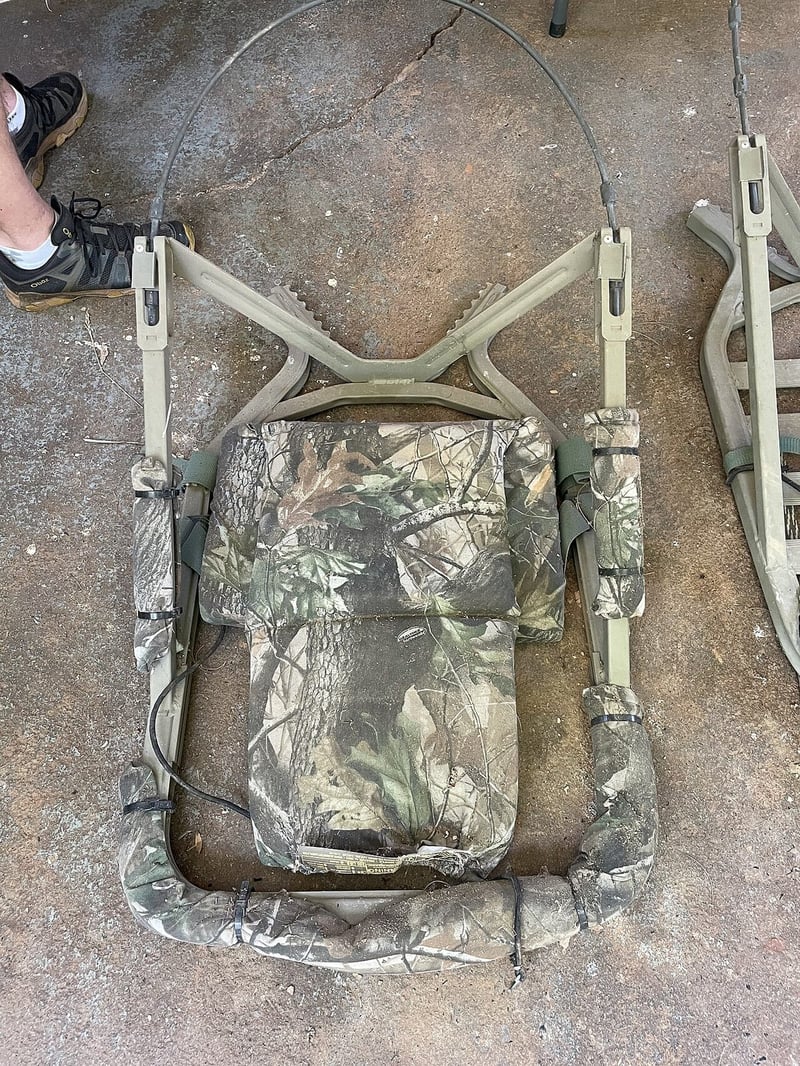
Wind discipline, stand placement, blood trailing, and meat care.
Keep going
Search every game profile by tracks, sign, harvest, and skinning guides.
Read →Cartridge choice, field positions, wind calls, and where the vitals actually sit.
Read →Instinctive shooting, draw weight, arrow spine, and closing the last twenty yards.
Read →Wind discipline, stand and stalk selection, blood trailing, and getting meat out cold.
Read →Plan a float, fly-in, or road-system moose hunt with the haul-out solved before the shot.
Read →Top 10 lists
Ranked picks with real product photos, specs, and editor notes — the buying side of everything covered in these guides.
Bolt guns from budget workhorses to mountain rifles.
See the ranking →Rifled slug guns for shotgun-only whitetail country.
See the ranking →Spine, FOC, and broadhead pairings that fly true.
See the ranking →Quiet, wind-blocking shells for spring and early season.
See the ranking →Softshell and brush pants that move quiet and shed weather.
See the ranking →Insulated and shell layers ranked by warmth-to-noise.
See the ranking →Also on The Wild10
Fish identification, the knots that hold, lure selection by conditions, and the habits that fill a stringer.
Open the fishing hub →