



- Region
- Manitoba, Canada
- Best season
- Spring, Summer
- Permits
- A licensed tour operator is required for a…
- Managed by
- Parks Canada
Plan with verified data
Wapusk National Park trip tools
Tools for a trip here
Picked for how, when and where you're going. Free, no signup.
Photos of Wapusk National Park
How to get there
Churchill is the main base for arranging a visit to Wapusk National Park, which lies 45 kilometres south on Hudson Bay. Visits are primarily through licensed Churchill tour operators, and a licensed operator is required for all park activities. Helicopter tours are available; Cape Churchill is accessible only by helicopter or Tundra Buggy. Confirm the departure point and transport arrangements with the operator.
- Churchill
The main organizing base for park visits, with licensed tour operators arranging access and activities. Confirm the actual meeting and departure location with the operator.
- Cape Churchill
An in-park polar bear viewing and photography destination accessible only by helicopter or Tundra Buggy. Access must be arranged through a licensed operator.
Sources: parks.canada.ca · Wikipedia · Wikivoyage. Confirm road and trailhead conditions with the managing agency before you leave.
Manitoba, Canada · Season: Best: October - November (Bears), February - March (Cubs)
- Winter Camping
- Skiing
- Sea Kayaking
- Beachcombing
- Wildlife Viewing
- Backpacking
- Photography
The country
Wapusk covers a massive expanse of flat, boggy coastal lowlands transitioning into raw subarctic tundra along the shore of Hudson Bay. The frozen, peaty soil provides vital denning habitat for one of the world's largest polar bear maternity groups. It represents the brutal, wind-blasted geographic transition line between the boreal forest and the high Arctic.
Why enthusiasts come
Visitors brave extreme negative temperatures to observe polar bear mothers emerging from dens with vital, young cubs. Photographers use specialized remote lodges to safely shoot spectacular wildlife against the backdrop of world-class aurora borealis displays.
Top experiences
Guided multi-day walks from secure tundra enclosures allow cautious approaches to massive apex predators in an unfiltered natural setting. Late-night aurora photography from elevated viewing decks showcases curtains of green light dominating the horizon.
Planner-relevant notes
Independent exploration is completely forbidden; all access must be mediated through commercially licensed polar bear guides and operators. Lodges within the park boundaries rely on heavy-duty enclosed tundra buggies or complex helicopter deployments. Temperatures in prime viewing season easily drop below -40°C, requiring supreme winter survival outfitting.
Field notes
- Cameras must be extensively winterized; lithium batteries will die in minutes if not kept inside your inner base layers.
- Chemical toe and hand warmers are not enough; heavily insulated, rated extreme-weather pac boots are non-negotiable.
- When photographing bears via walking safaris, listen instantly and exactly to the armed guide's commands regarding formation.
- Frostbite can occur on exposed cheekbones in under 10 minutes when the Hudson Bay wind blows; wear a full neoprene face mask.
Where on earth
Satellite imagery flying in from a world view to Wapusk National Park, Manitoba, Canada. Use the + / − buttons, or click the map to zoom with your scroll wheel; drag to pan and pinch to zoom on touch.
Coordinates
- Decimal degrees
- 57.7833, -93.3667
- Latitude (DMS)
- 57° 46′ 59.9″ N
- Longitude (DMS)
- 93° 22′ 0.1″ W
Coordinates are an access-point reference for Wapusk National Park, not a route. Carry a paper map and confirm trailhead or put-in access with the managing agency before you go.
Topic summary
This punishingly cold subarctic tundra is the premier wilderness for tracking polar bears and witnessing the northern lights on foot.
Key takeaways
- Region: Manitoba, Canada
- Best season: Best: October - November (Bears), February - March (Cubs)
- Coordinates: 57.783, -93.367
Climate suitability
Best: October - November (Bears), February - March (Cubs)
Keep planning
Popular pursuits at Wapusk National Park
- Winter Camping
Cold-season travel and camp craft; layering matters more than mileage.
- Skiing
Ski-touring access when the road closes for the season.
- Sea Kayaking
Coastal crossings, tides, and protected camps.
- Beachcombing
Tide-line walking between camps.
- Wildlife Viewing
Best light, best season, and where animals move.
- Backpacking
Multi-day travel with everything on your back — see the packing blocks below.
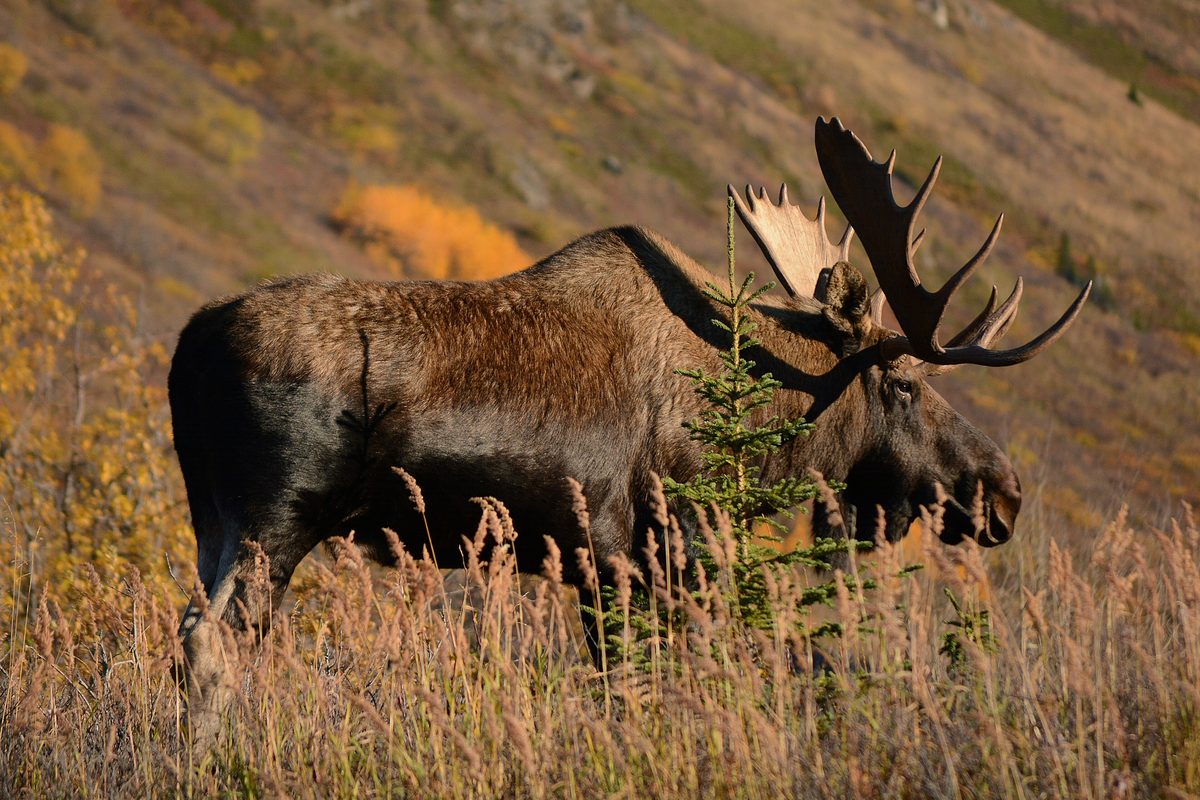
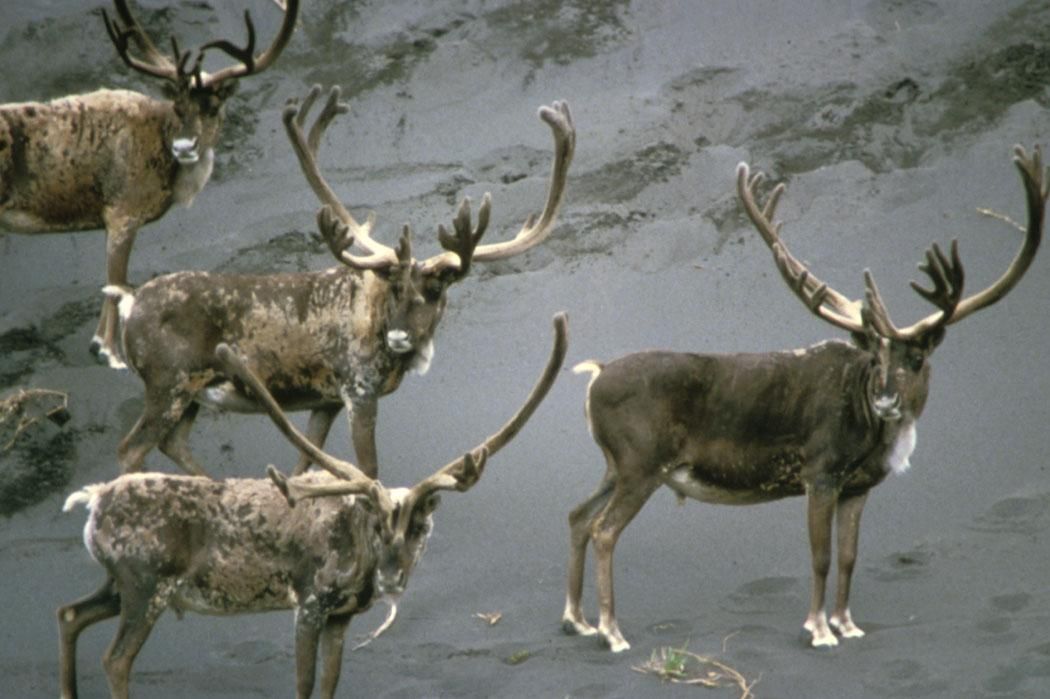
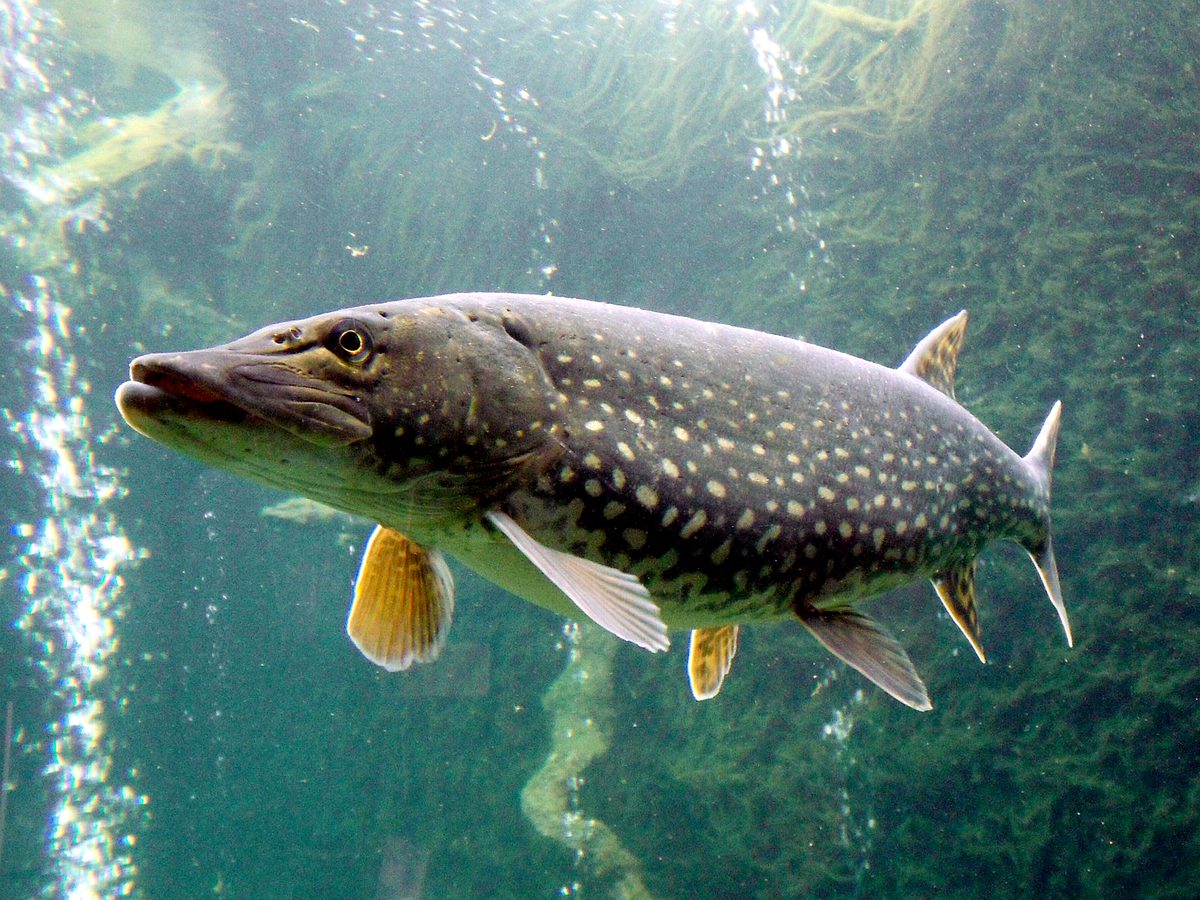
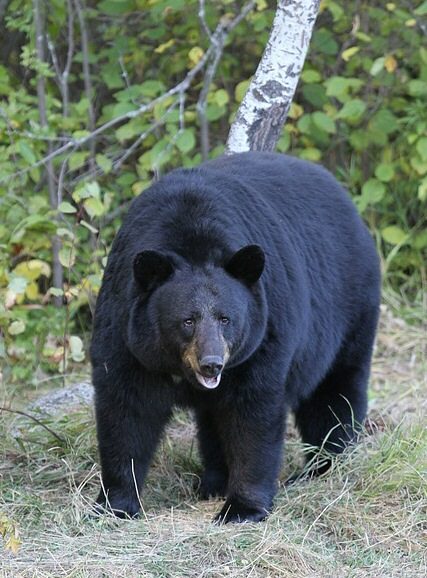
Animals around Wapusk National Park




Hudson Bay forest and tundra
Wapusk National Park protects 11,475 square kilometres on the shores of Hudson Bay in Manitoba, at the transition between boreal forest and arctic tundra. Located 45 kilometres south of Churchill in the Hudson Plains ecozone, it is a remote park with limited access rather than a destination for an independent trail-based visit. Its central conservation role is protecting one of the largest polar bear maternity denning areas in the world. That purpose shapes how to approach a trip: choose a licensed operator and a specific viewing experience before building the rest of the itinerary. The park was established in 1996, and its name comes from the Cree word for polar bear, wâpask. Forest, tundra and bear habitat are the defining features of this protected landscape.
Wildlife viewing and aerial visits
Polar bear viewing and aerial tours are the main visitor experiences highlighted for Wapusk. February and March offer polar bear viewing opportunities in the park; treat those months as a starting point for discussions with an operator, not a guarantee of sightings or a particular departure. Helicopter tours provide another way to experience the landscape. Cape Churchill, within the park, is a noted polar bear viewing and photography location, accessible only by helicopter or Tundra Buggy. These are operator-led experiences, not self-guided routes with a standard walking distance or difficulty rating. Ask what an itinerary actually includes, how viewing is conducted and what clothing is needed. In polar bear country, follow the operator's safety instructions and avoid making independent approaches to wildlife.
Access, planning and cultural context
A licensed tour operator is required for every activity in Wapusk National Park, and visits are primarily arranged through operators in Churchill. Park access is limited year round, so settle the proposed activity and transport arrangements before treating a visit as confirmed. Parks Canada manages the park and provides visitor information, safety guidance, weather information and important bulletins. The Parks Canada Visitor Centre is another planning resource; confirm its hours separately from any park excursion. Prepare for exposed northern conditions with clothing appropriate to the operator's itinerary, and check current weather and safety advice before departure. Wapusk is on Treaty 5 territory and lands traditionally used by Cree, Dene, Inuit and Red River Métis peoples. Its cultural history belongs alongside wildlife conservation in understanding the place.
Route options
- Wapusk polar bear viewing
An operator-led wildlife viewing experience, with opportunities in February and March. Confirm the specific itinerary, transport and viewing arrangements with a licensed operator.
- Wapusk aerial tour
A licensed helicopter tour offering an aerial perspective on the park's boreal forest and arctic tundra landscape. Confirm the flight itinerary and any ground activities with the operator.
- Cape Churchill viewing excursion
An operator-arranged visit focused on polar bear viewing and photography at Cape Churchill, reached by helicopter or Tundra Buggy rather than a self-guided walking route.
Sample itineraries
- Churchill orientation and aerial tour · 2 days
Suggested planning outline, not a published tour schedule: spend one day at the Parks Canada Visitor Centre in Churchill and reviewing logistics with a licensed operator. Set aside another for a helicopter tour of Wapusk, subject to operator availability and conditions. Confirm the actual trip duration before booking.
- Polar bear viewing focus · 3 days
Suggested planning outline for February or March: use the first day in Churchill for operator arrangements and safety preparation, with the remaining days set aside for an operator-led polar bear viewing experience. Confirm access, availability and actual tour length; this outline does not guarantee departures or sightings.
Seasonal conditions
Spring
Spring; March for polar bear viewing opportunities
March offers polar bear viewing opportunities. Prepare for cold exposure in this boreal forest–arctic tundra transition. Access remains limited; a licensed operator must confirm suitable activities and current conditions.
Summer
Summer
Limited access continues through summer. Do not assume warmer weather makes independent travel possible: all park activities require a licensed operator. Ask about aerial tour availability and pack layers suitable for an exposed northern landscape.
Fall
Fall
Plan for cold and changing weather in the forest–tundra transition. Confirm available experiences directly with a licensed operator rather than assuming a fall viewing schedule. Park access is limited year round.
Winter
Winter; February for polar bear viewing opportunities
February offers polar bear viewing opportunities. Cold protection and operator-led safety planning are essential for this remote northern setting. Confirm clothing requirements, access arrangements and weather contingencies before leaving Churchill.
| Season | Window | Conditions |
|---|---|---|
| Spring | Spring; March for polar bear viewing opportunities | March offers polar bear viewing opportunities. Prepare for cold exposure in this boreal forest–arctic tundra transition. Access remains limited; a licensed operator must confirm suitable activities and current conditions. |
| Summer | Summer | Limited access continues through summer. Do not assume warmer weather makes independent travel possible: all park activities require a licensed operator. Ask about aerial tour availability and pack layers suitable for an exposed northern landscape. |
| Fall | Fall | Plan for cold and changing weather in the forest–tundra transition. Confirm available experiences directly with a licensed operator rather than assuming a fall viewing schedule. Park access is limited year round. |
| Winter | Winter; February for polar bear viewing opportunities | February offers polar bear viewing opportunities. Cold protection and operator-led safety planning are essential for this remote northern setting. Confirm clothing requirements, access arrangements and weather contingencies before leaving Churchill. |
Permits, fees & closures
A licensed tour operator is required for all activities in Wapusk National Park. Confirm any additional permit requirements with Parks Canada before travel.
Fees: Daily visitor fees and special program fees are listed by Parks Canada. Admission is free for youth. Confirm current charges before travel.
Reservations: Contact a licensed tour operator in Churchill to confirm availability and booking arrangements.
Official source: Wapusk National Park - Parks Canada · Verified October 2, 2026
Hazards & regulations
- Polar bears: Wapusk protects a major maternity denning area. Follow the licensed operator’s bear-safety instructions and do not approach wildlife.
- Remote location and limited access: do not plan independent entry or assume transport can be arranged on arrival.
- Cold and weather exposure: the boreal forest–arctic tundra setting calls for protective layers and a weather contingency agreed with the operator.
What to pack for Wapusk National Park
- Layered insulating clothing
- Wind-resistant outer layer
- Warm hat and gloves
- Footwear matched to the operator’s requirements
- Binoculars
- Camera with a long lens
- Spare camera batteries
- Personal medications
- Operator contact details
- Water and food as advised by the operator
- Operator-approved baggage for helicopter travel
Wapusk National Park FAQ
- Where is Wapusk National Park?
- Wapusk lies on Hudson Bay’s shores in Manitoba, 45 kilometres south of Churchill. Its 11,475 square kilometres span the transition between boreal forest and arctic tundra.
- Can visitors explore independently?
- No. A licensed tour operator is required for all activities in the park. Visits are primarily arranged through licensed operators in Churchill, and access is limited year round.
- When are polar bear viewing opportunities available?
- February and March offer polar bear viewing opportunities in Wapusk. Confirm the experience, access arrangements and duration with a licensed operator before making travel plans.
- How can visitors reach Cape Churchill?
- Cape Churchill is accessible only by helicopter or Tundra Buggy. Any visit must meet the park’s licensed-operator requirement; confirm whether an operator offers access for the intended trip.
- Whose traditional lands does the park occupy?
- Wapusk is on Treaty 5 territory and lands traditionally used by Cree, Dene, Inuit and Red River Métis peoples. Its name comes from the Cree word for polar bear.
- Who can answer planning questions?
- Contact Parks Canada at 204-675-8863 or manitoba@pc.gc.ca for park information. A licensed tour operator in Churchill can confirm trip availability, transport arrangements and equipment requirements.