



Beyond Alone · Best: late Jun – Sep
Henry's Fork of the Snake
Every dry-fly angler's Mecca — spring-creek water at big-river scale, with the technical hatches to match.
Idaho, USA
Where on earth
Satellite imagery flying in from a world view to Henry's Fork of the Snake, Idaho, USA. Use the + / − buttons, or click the map to zoom with your scroll wheel; drag to pan and pinch to zoom on touch.
- Region
- Idaho, USA
- Fishing
- Mountaineering
- Winter Camping
- Skiing
- Desert Hiking
- Canyoneering
- Sea Kayaking
- Beachcombing
- Type
- Spring-fed freestone with tailwater sections
- Species
- Wild rainbow trout (and browns lower down)
- Best window
- Late Jun – Sep
- Key sections
- Railroad Ranch / Harriman State Park, Box Canyon, Warm River
- Access
- Multiple public accesses; drift boats above Ashton
Topic summary
Every dry-fly angler's Mecca — spring-creek water at big-river scale, with the technical hatches to match. The Henry's Fork begins in springs at Big Springs and runs 127 miles through the Yellowstone Plateau and Snake River Plain. Volcanic bedrock filters the springs into gin-clear water; the Harriman/Railroad Ranch stretch t
Key takeaways
- Type: Spring-fed freestone with tailwater sections
- Species: Wild rainbow trout (and browns lower down)
- Best window: Late Jun – Sep
- Key sections: Railroad Ranch / Harriman State Park, Box Canyon, Warm River
- Access: Multiple public accesses; drift boats above Ashton
Intended uses
- Wilderness trip planning and destination research
- Access: Multiple public accesses; drift boats above Ashton
Verification notes
Compiled from published show records, regional agencies, and topographical / satellite imagery. Region: Idaho, USA. Coordinates: 44.150, -111.350.
The country
The Henry's Fork begins in springs at Big Springs and runs 127 miles through the Yellowstone Plateau and Snake River Plain. Volcanic bedrock filters the springs into gin-clear water; the Harriman/Railroad Ranch stretch through meadows is the most photographed dry-fly water in the West.
Why enthusiasts come
Wild rainbows, complex hatches (Green Drake, Brown Drake, PMD, trico, Mahogany, Callibaetis), and enough insect diversity that you can fish dry flies all summer if you want. The Ranch demands technical presentation — long leaders, precise casts, no drag.
Top experiences
The Green Drake hatch in late June on the Ranch (a bucket-list dry-fly event), Box Canyon nymphing for big rainbows, wading the Warm River meadow after runoff, and the fall hopper-dropper drift below Ashton.
Planner-relevant notes
The Ranch is catch-and-release, single barbless hook, wading only — read the regs board every visit. Peak Green Drake weekends fill accommodations for years running; book Last Chance and Island Park in winter. Weather can shut down hatches for days.
Field notes
- Bring 6X and 12+ ft leaders — the Ranch water demands it.
- The Green Drake hatch is roughly 5 days but shifts up to 2 weeks year-to-year.
- Warm River and Buffalo River tributaries are family-friendly options when the Ranch is crowded.
- The Trude Ranch, Osborne, and Last Chance sections each fish differently — pick water to match your comfort.
Frequently asked about Henry's Fork of the Snake
- Where is Henry's Fork of the Snake?
- Henry's Fork of the Snake is in Idaho, USA. Every dry-fly angler's Mecca — spring-creek water at big-river scale, with the technical hatches to match.
- How do you get to Henry's Fork of the Snake?
- Access: Multiple public accesses; drift boats above Ashton. Expect a multi-leg trip — flights to the nearest hub, then float plane, boat, or 4WD depending on conditions.
Build a ten for Henry's Fork of the Snake
Assemble your own 10-item Alone loadout tuned to this biome — cold, wet, and food strategy already scoped.
Open the builderShelter that suits this terrain
Browse shelter builds and site-selection guides matched to conditions like the ones here.
Wildlife
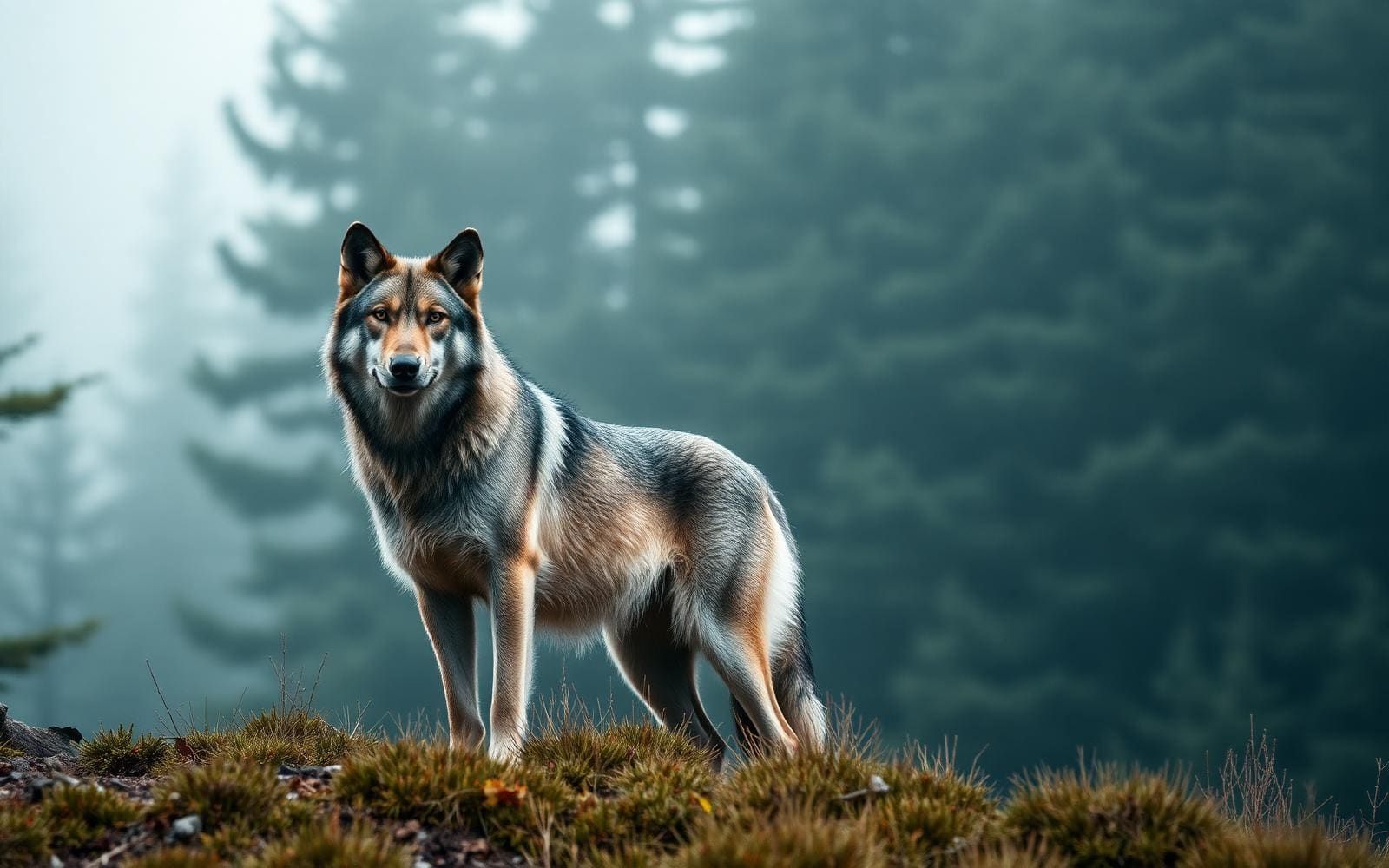
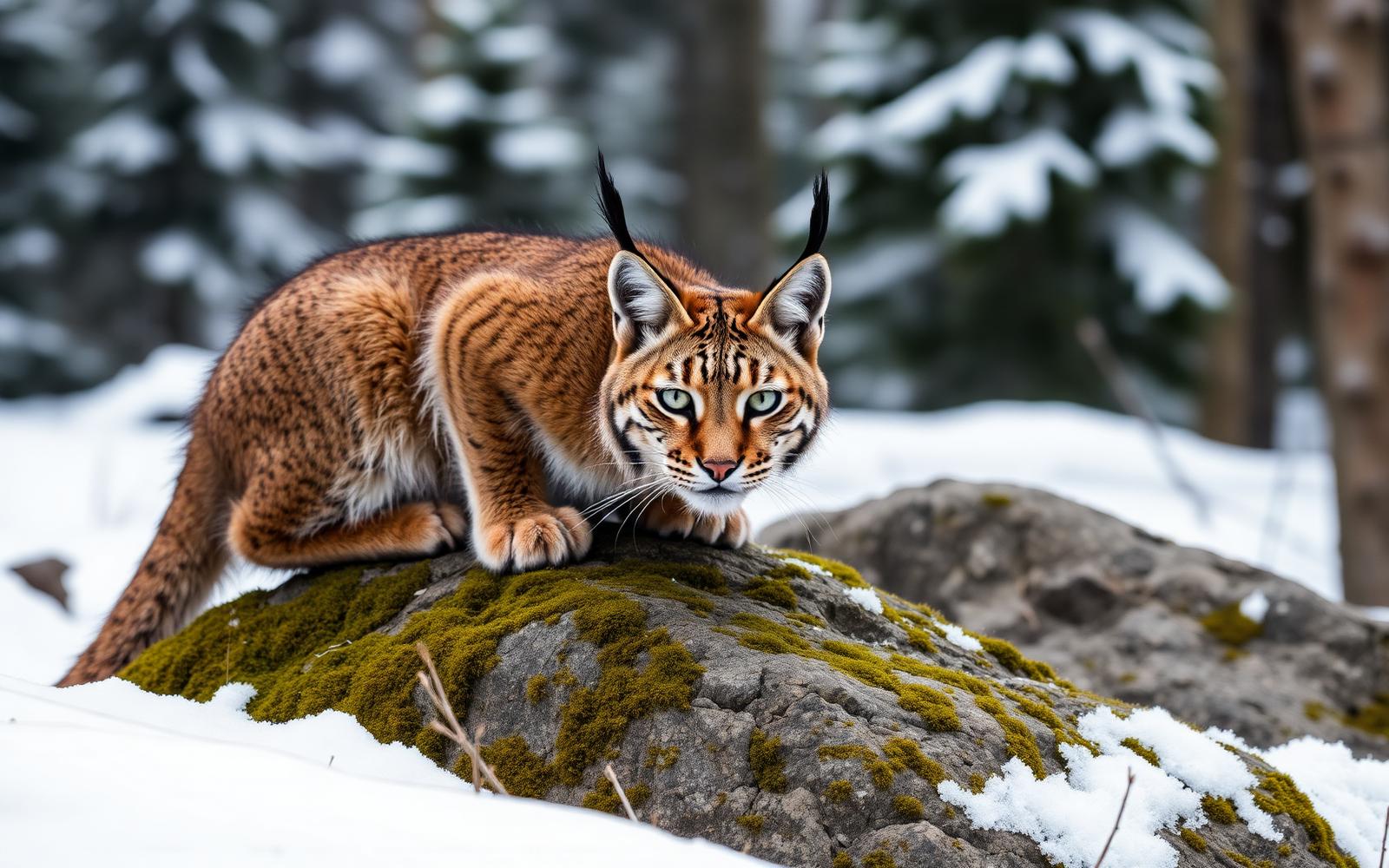
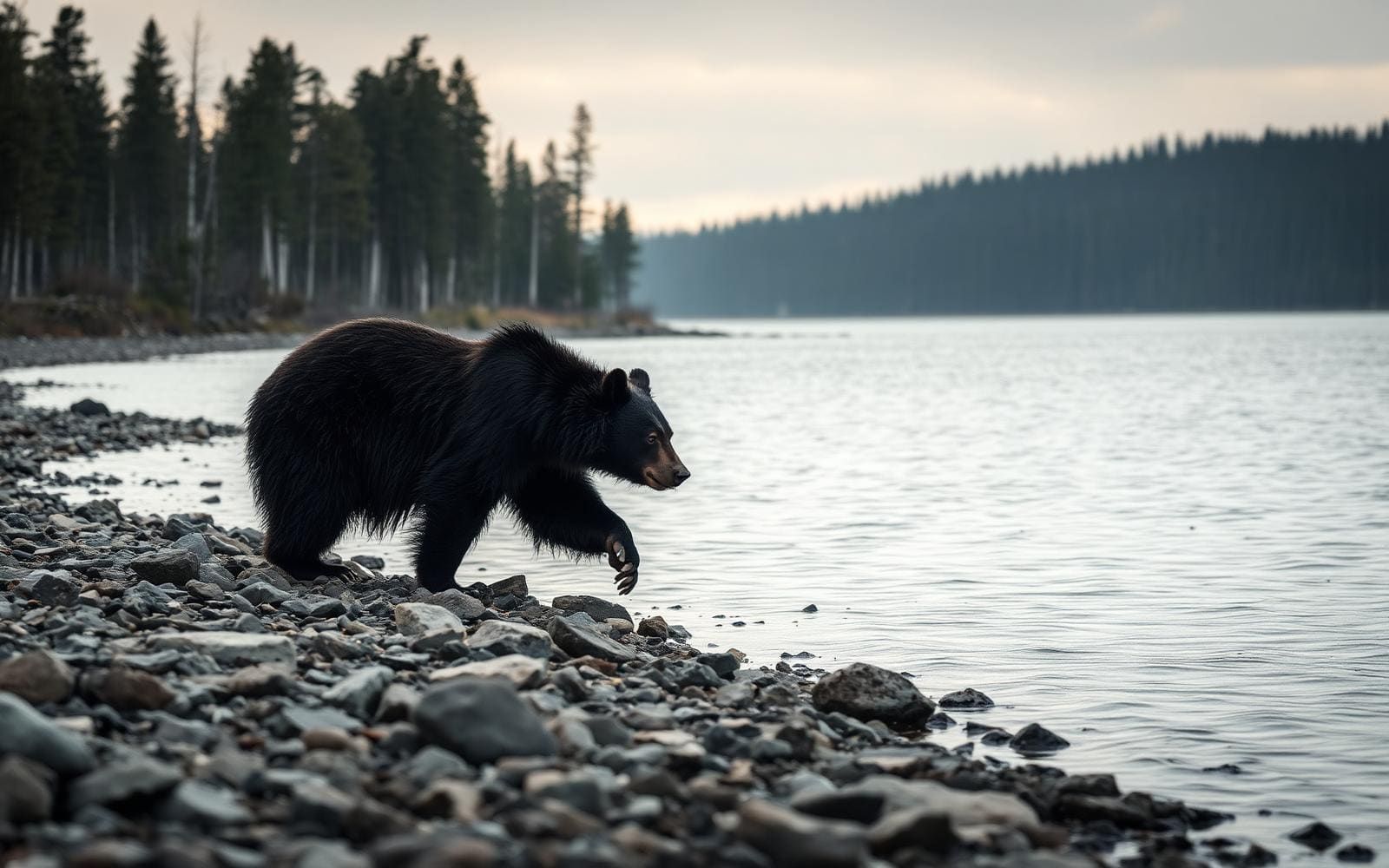
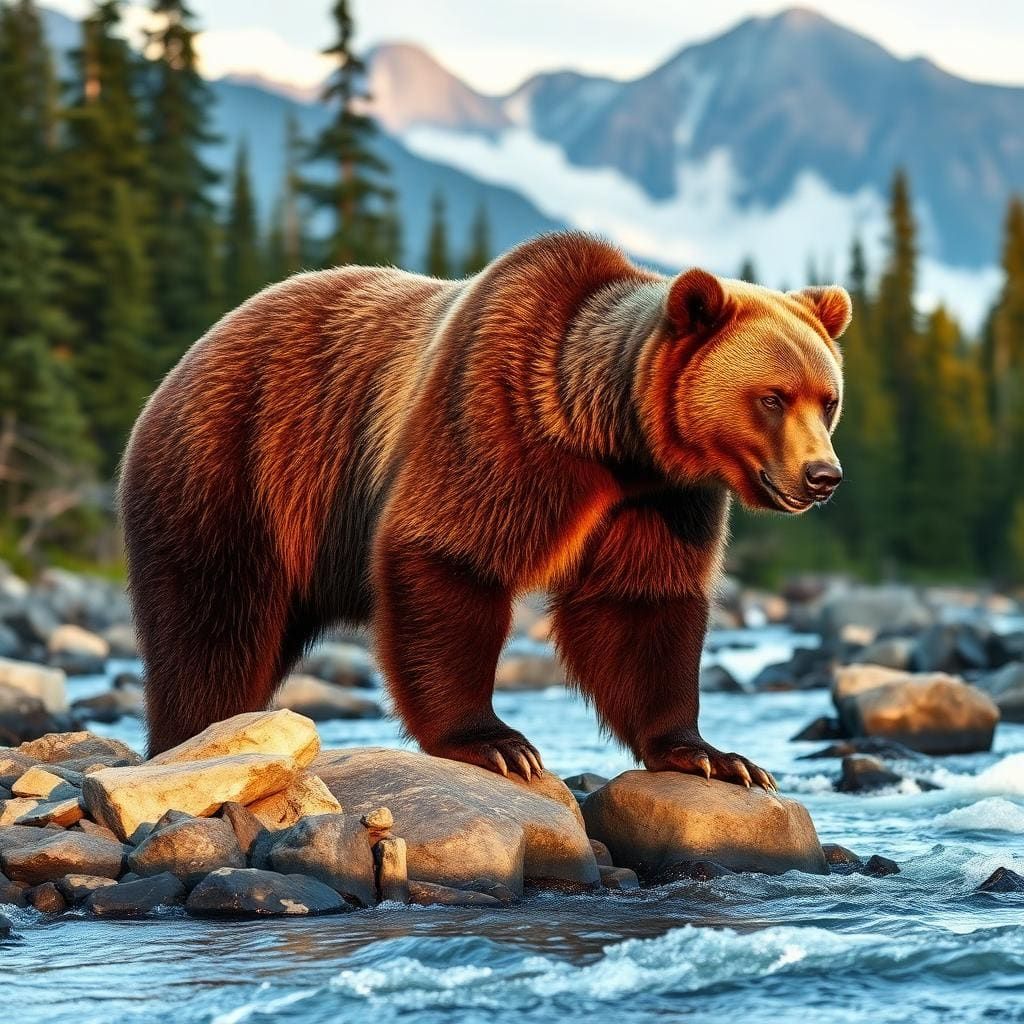
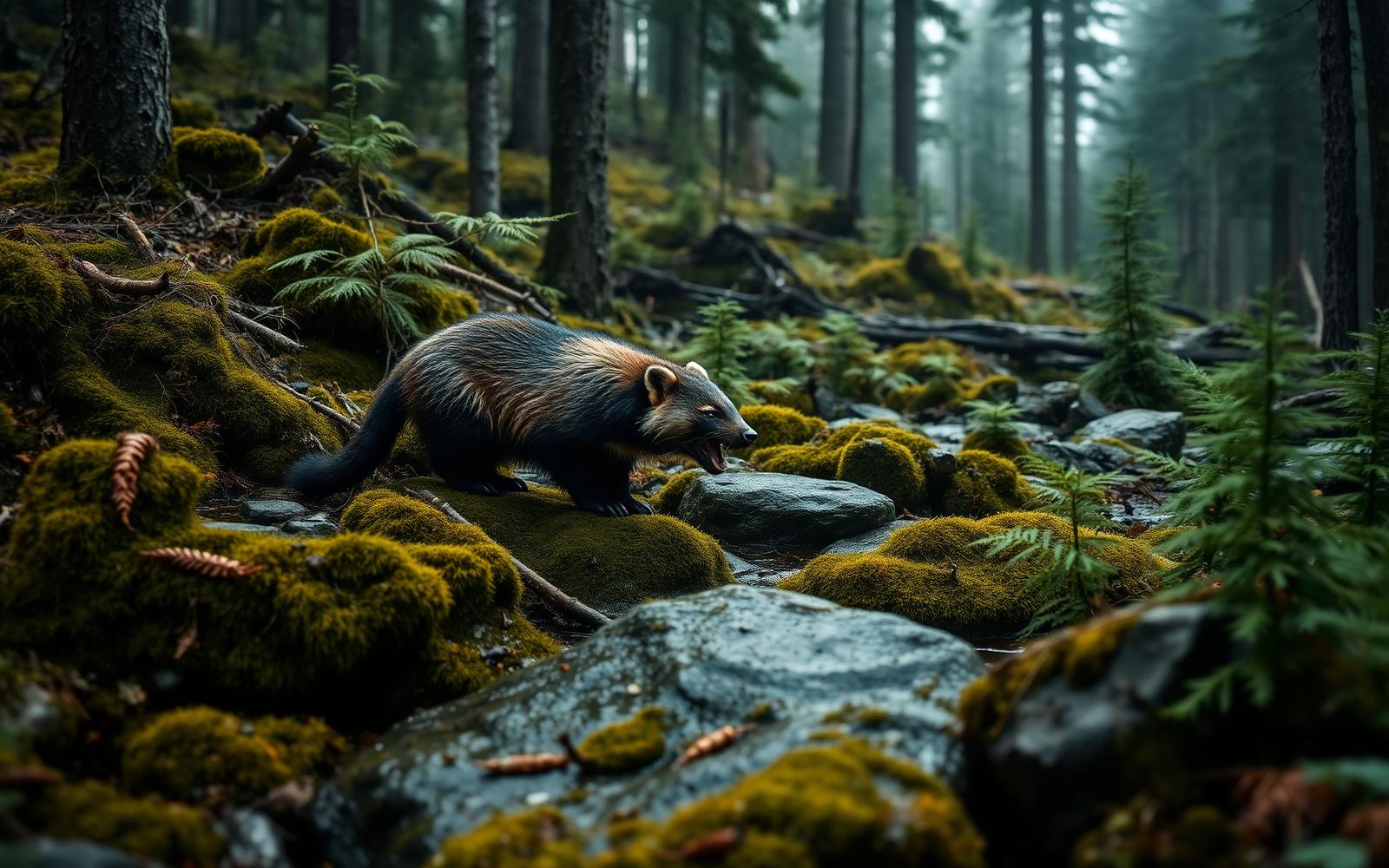
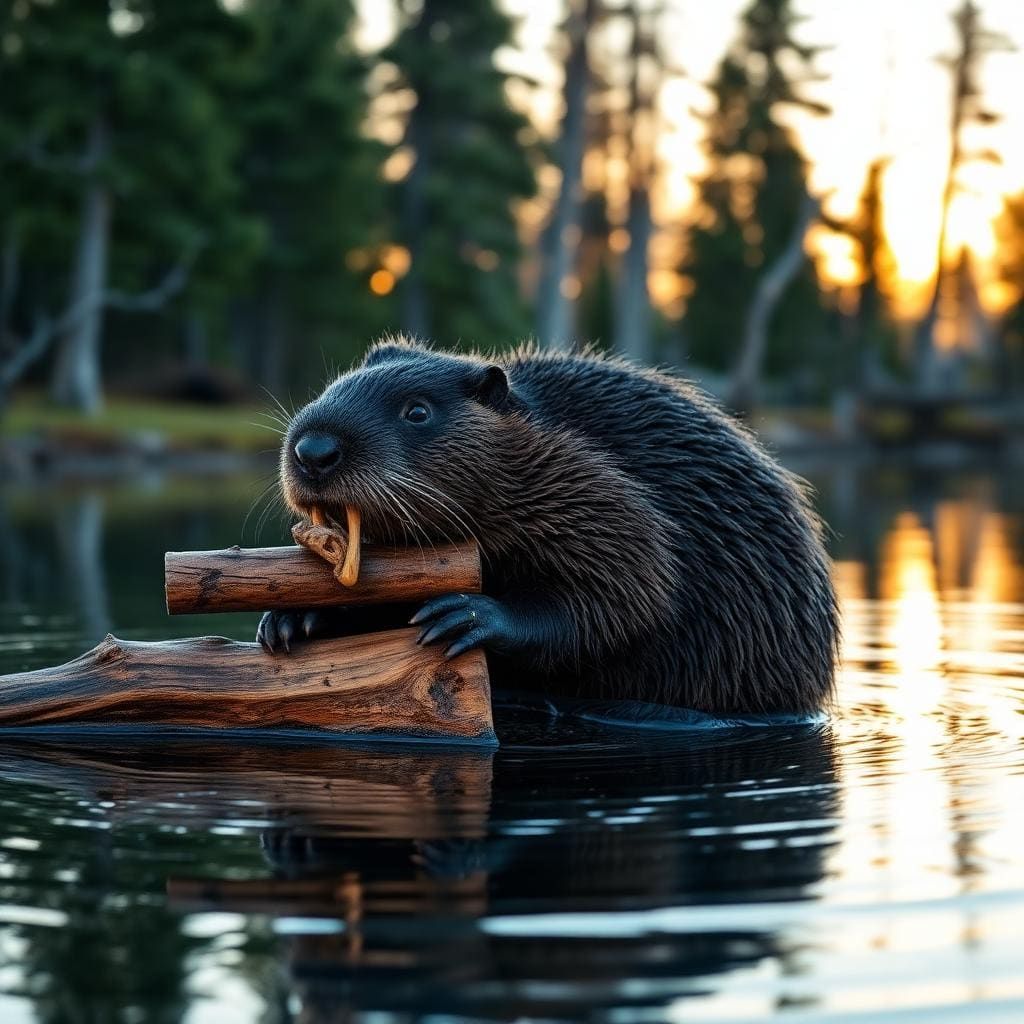
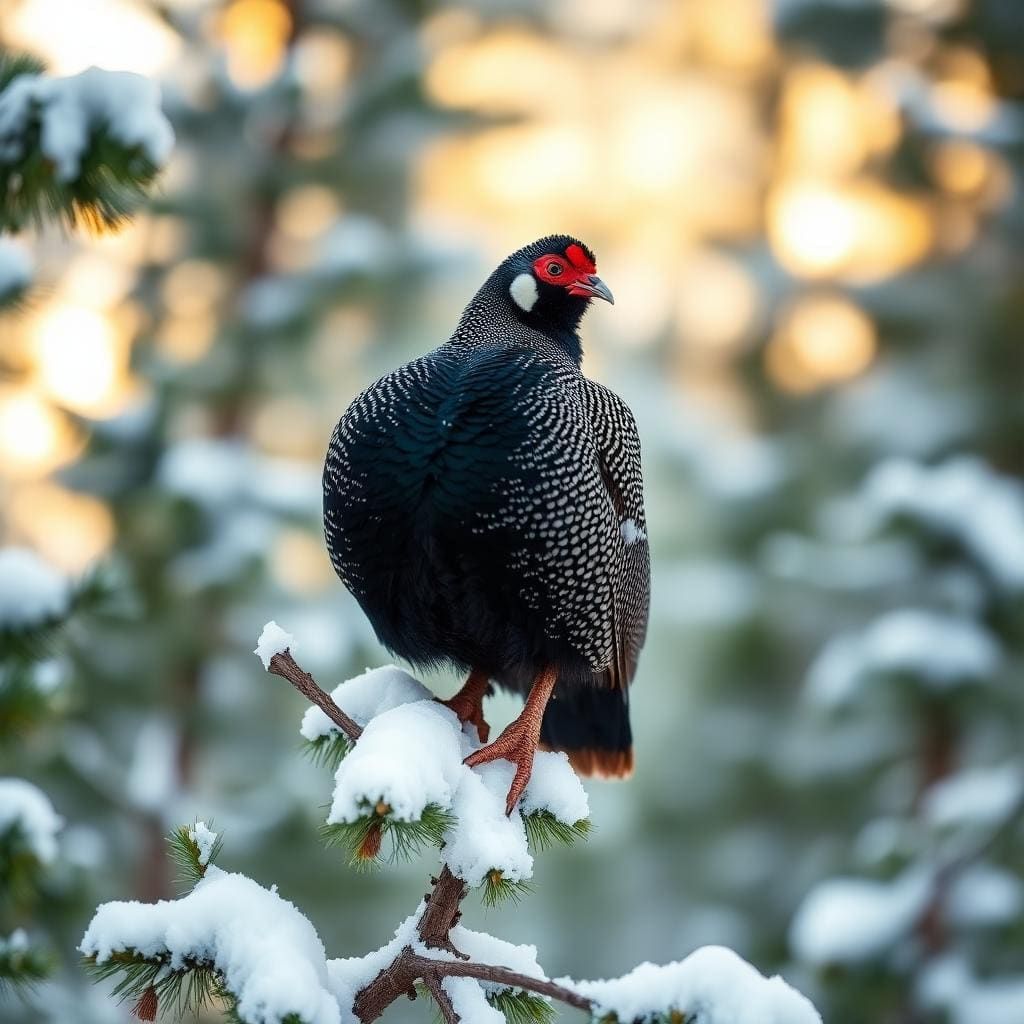
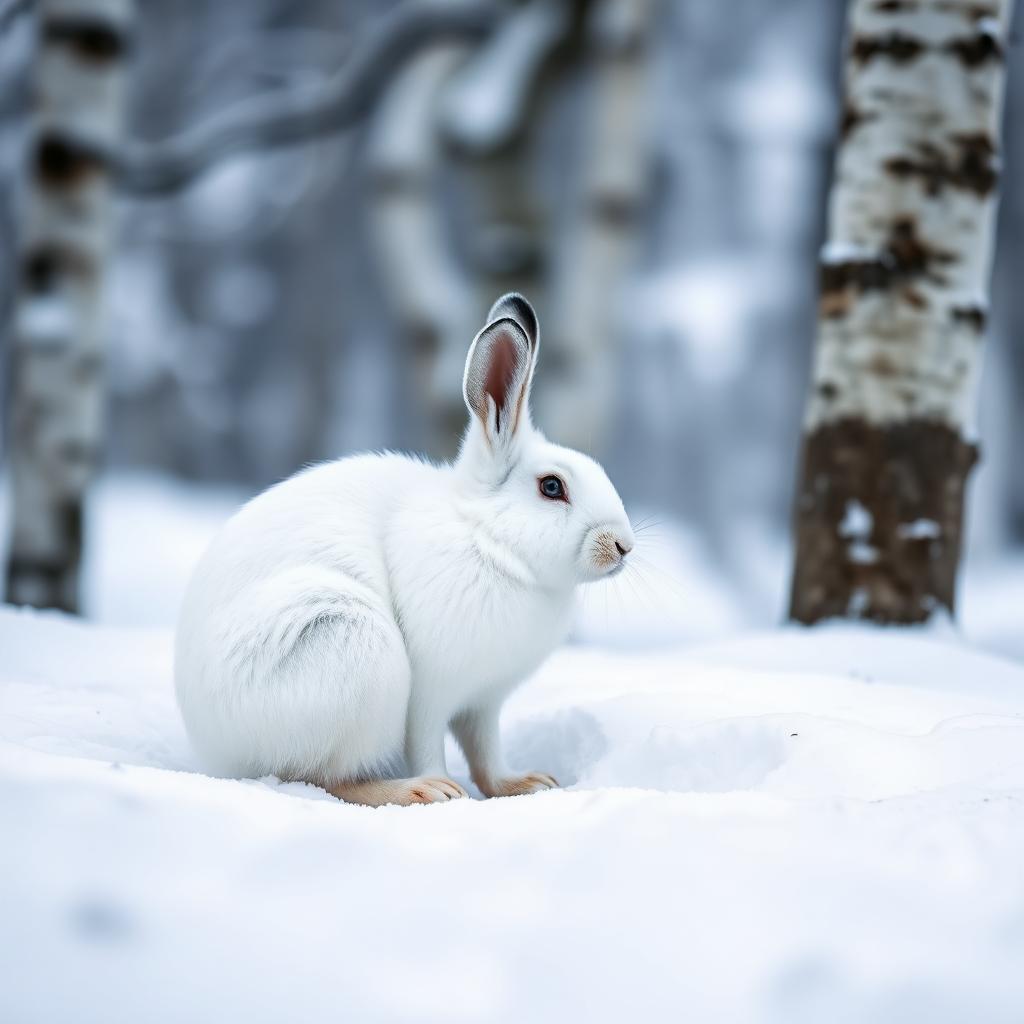
Wildlife found around Henry's Fork of the Snake
The gear behind what you just read
Ranked lists for the exact categories that decide a season.
- Top 10 Winter JacketsDown parkas, synthetic belay pieces, and heavy wool coats for real cold.See the ranking
- Top 10 Merino Wool Base LayersNext-to-skin wool that works in real cold, real heat, and days between washes.See the ranking
- Top 10 Three-Season Sleeping BagsDown and synthetic bags that cover the honest 20°F–40°F working range.See the ranking
- Top 10 Winter Camping LocationsCold-country trips built around snow, ice, and quiet skies.See the ranking
- Best Cold-Weather HatsWool watch caps, ushankas, and windproof beanies for real winter.See the ranking