



Alone Australia · Alone Australia — Season 1
South West Tasmania
Ancient temperate rainforest at the bottom of the world — myrtle beech, tannin rivers, and rain measured in weeks.
Tasmania, Australia
Where on earth
Satellite imagery flying in from a world view to South West Tasmania, Tasmania, Australia. Use the + / − buttons, or click the map to zoom with your scroll wheel; drag to pan and pinch to zoom on touch.
- Region
- Tasmania, Australia
- Biome
- Cool temperate rainforest
- Fishing
- Hunting
- Climbing
- Mountaineering
- Winter Camping
- Skiing
- Sea Kayaking
- Beachcombing
Key takeaways
- Biome: Cool temperate rainforest
- Biome
- Cool temperate rainforest
- Rainfall
- 2,000–3,500 mm / year
- Winter lows
- -2 to 5 °C
- Key food
- Freshwater crayfish, eel, possum, wallaby
- Big predators
- Devil (small), quoll — no apex mammals
Topic summary
Ancient temperate rainforest at the bottom of the world — myrtle beech, tannin rivers, and rain measured in weeks. South West Tasmania is one of the wettest, least-touched wilderness zones on Earth. Ancient Gondwanan forest — myrtle beech, celery-top pine, man-fern — sits over a floor of moss, ferns, and tannin creeks. Weather is Roa
Key takeaways
- Biome: Cool temperate rainforest
- Rainfall: 2,000–3,500 mm / year
- Winter lows: -2 to 5 °C
- Key food: Freshwater crayfish, eel, possum, wallaby
- Big predators: Devil (small), quoll — no apex mammals
Intended uses
Alone Australia Alone Australia — Season 1 filming location background
Climate suitability
Cool temperate rainforest
Verification notes
Compiled from published show records, regional agencies, and topographical / satellite imagery. Region: Tasmania, Australia. Coordinates: -43.100, 146.350.
The country
South West Tasmania is one of the wettest, least-touched wilderness zones on Earth. Ancient Gondwanan forest — myrtle beech, celery-top pine, man-fern — sits over a floor of moss, ferns, and tannin creeks. Weather is Roaring Forties weather: constant fronts, high humidity, low temperatures.
Why the show came here
It gave Alone Australia its identity: no apex predators to fear, but a rainforest so wet that fire, dry gear, and shelter geometry become the dominant survival problems. Food is present but harder-won than in the salmon-rich Alone (US) sites.
Planner-relevant notes
Waterproofing everything is the first priority. Fire lift-off requires split standing-dead and fatwood analogues (huon pine, celery-top). Trapping (freshwater crayfish, possum) outperforms hunting here.
Top experiences
The South Coast Track (85 km, 6–8 days) is the mainstream committed trip — fly into Melaleuca, walk out to Cockle Creek. The Western Arthurs traverse is a serious alpine week; Federation Peak is a technical scramble reserved for very experienced parties.
Field notes
- Leeches love this country — expect them daily, not occasionally.
- Freshwater crayfish traps are legal in-show and near-guaranteed protein.
- Never underestimate rainforest cold — 3 °C and soaked kills as fast as -20 dry.
- Melaleuca fly-in is the only realistic access — Par Avion out of Cambridge is the standard.
- Weather is the crux; even summer sees week-long storms that halt trips.
Frequently asked about South West Tasmania
- Where was Alone Australia Alone Australia — Season 1 filmed?
- South West Tasmania is in Tasmania, Australia. Ancient temperate rainforest at the bottom of the world — myrtle beech, tannin rivers, and rain measured in weeks.
- What is the climate like at South West Tasmania?
- Cool temperate rainforest. South West Tasmania is one of the wettest, least-touched wilderness zones on Earth. Ancient Gondwanan forest — myrtle beech, celery-top pine, man-fern — sits over a floor of moss, ferns, and tannin creeks. Weather is Roa
- Can you visit the Alone Australia Alone Australia — Season 1 filming site?
- Exact drop points are on public land or private timber leases and are not published, but the general area around South West Tasmania is accessible with permits, guides, or self-supported trips.
Build a ten for South West Tasmania
Assemble your own 10-item Alone loadout tuned to this biome — cold, wet, and food strategy already scoped.
Open the builderShelter that suits this terrain
Browse shelter builds and site-selection guides matched to conditions like the ones here.
Wildlife
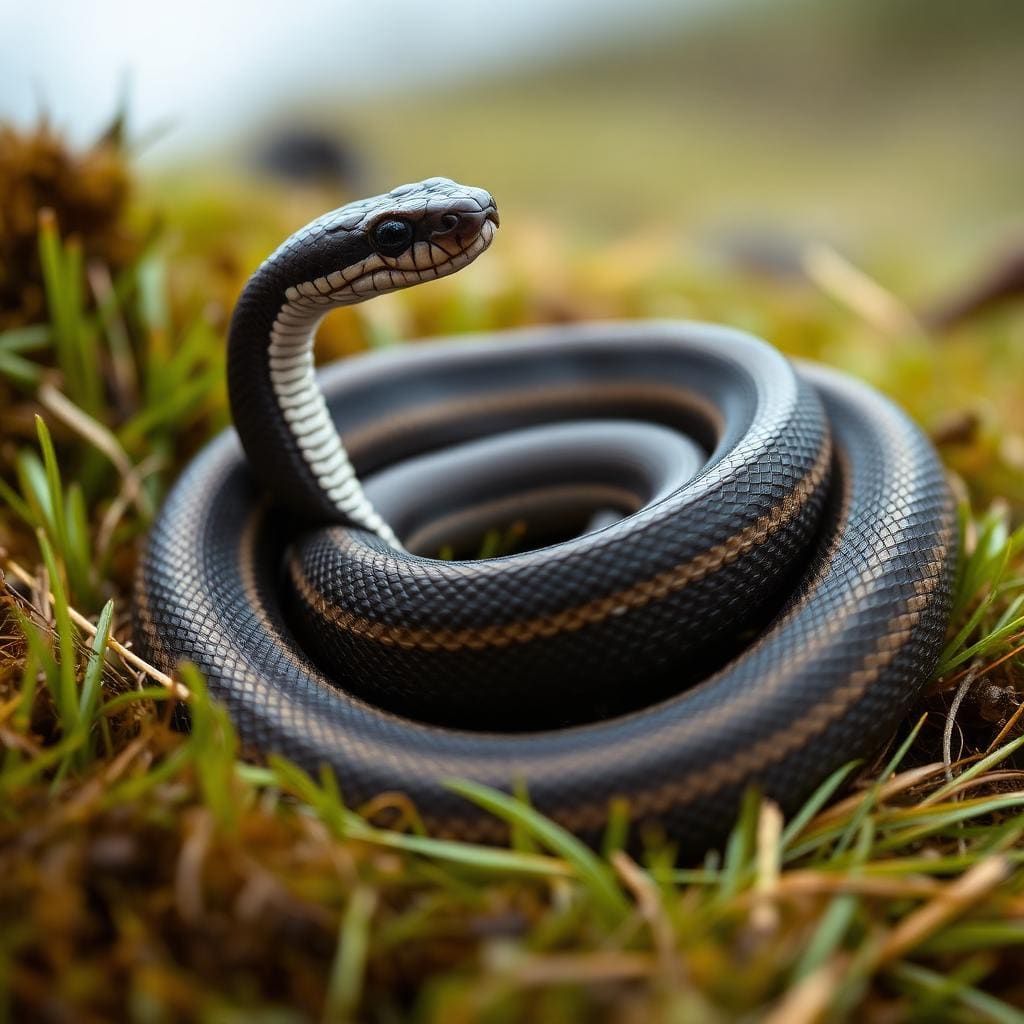
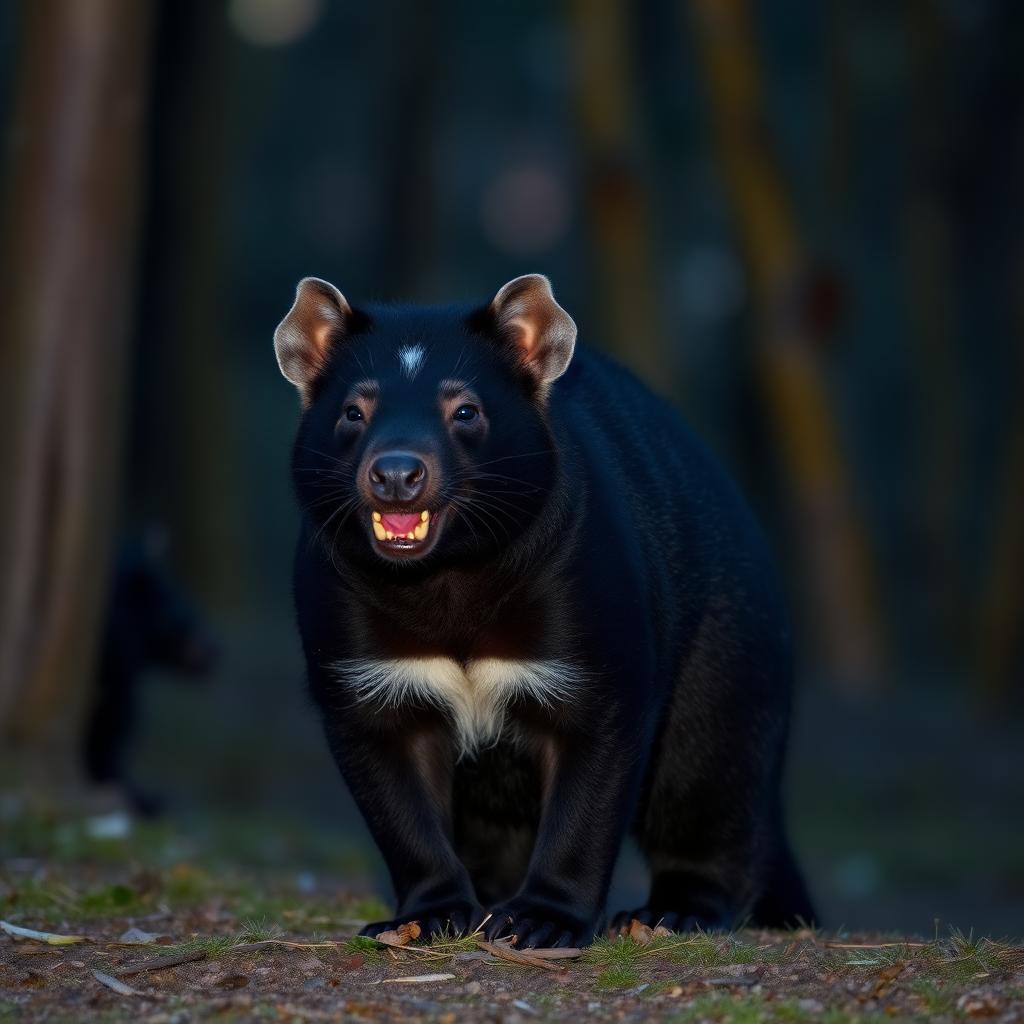
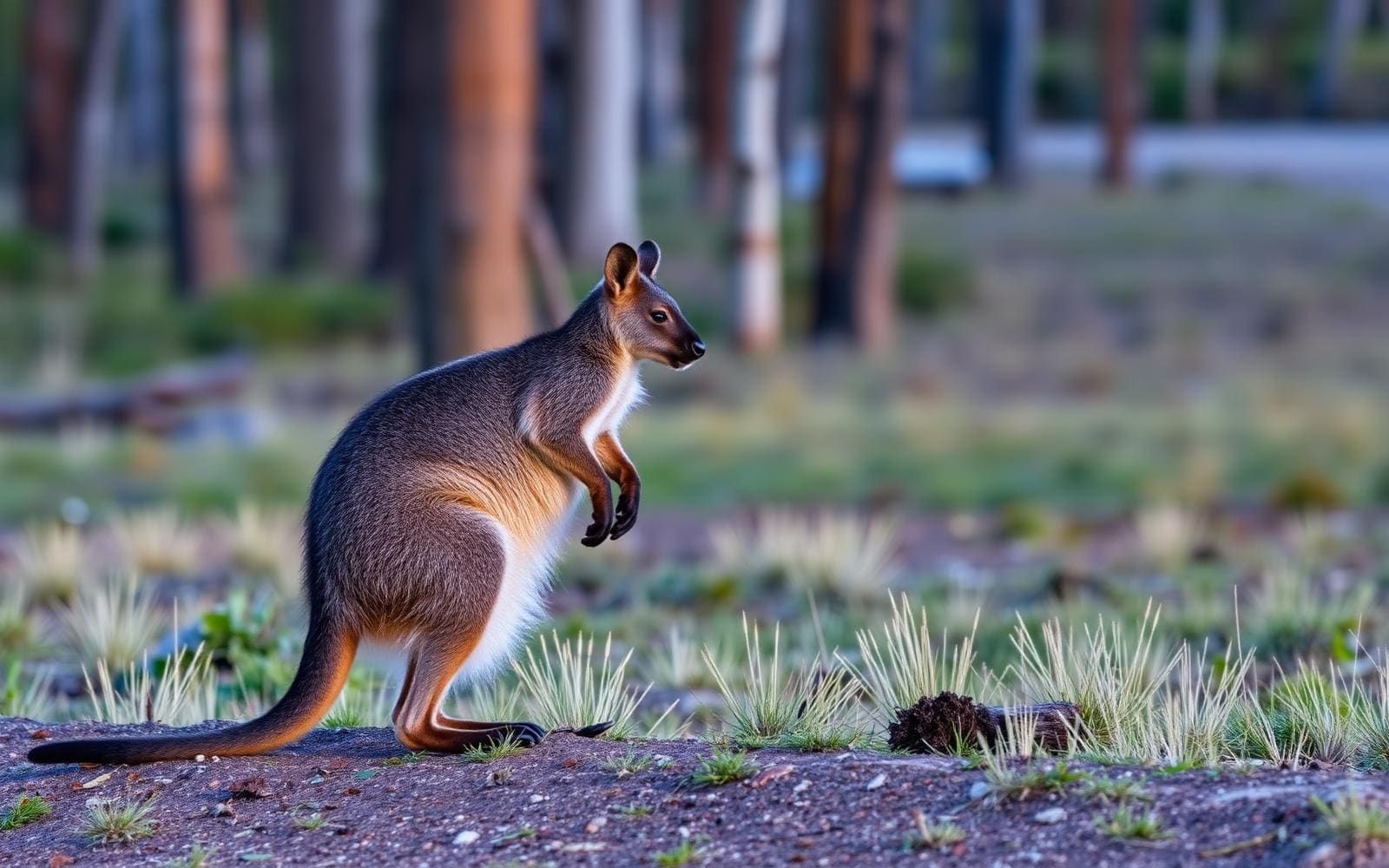
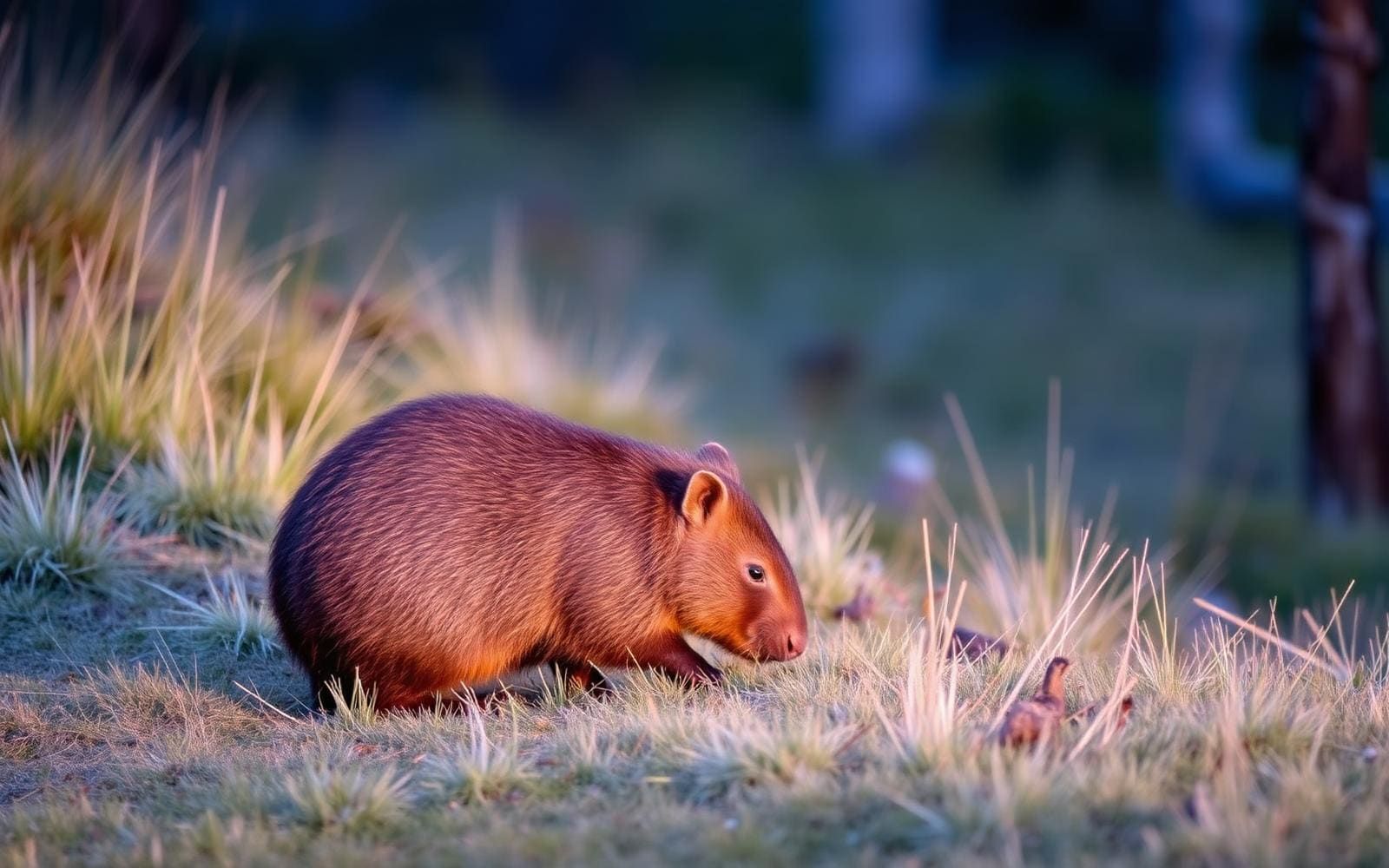
Wildlife found around South West Tasmania
The gear behind what you just read
Ranked lists for the exact categories that decide a season.
- Top 10 Winter JacketsDown parkas, synthetic belay pieces, and heavy wool coats for real cold.See the ranking
- Top 10 Merino Wool Base LayersNext-to-skin wool that works in real cold, real heat, and days between washes.See the ranking
- Top 10 Three-Season Sleeping BagsDown and synthetic bags that cover the honest 20°F–40°F working range.See the ranking
- Top 10 Winter Camping LocationsCold-country trips built around snow, ice, and quiet skies.See the ranking
- Best Cold-Weather HatsWool watch caps, ushankas, and windproof beanies for real winter.See the ranking