



Alone: Frozen · Alone: Frozen — Season 1
Coastal Labrador (Alone: Frozen)
Winter-only spinoff on the North Atlantic — sea ice, snow-covered headlands, and 50 days measured in body heat.
Labrador, Canada
Where on earth
Satellite imagery flying in from a world view to Coastal Labrador (Alone: Frozen), Labrador, Canada. Use the + / − buttons, or click the map to zoom with your scroll wheel; drag to pan and pinch to zoom on touch.
- Region
- Labrador, Canada
- Biome
- Subarctic coastal winter
- Winter Camping
- Skiing
- Sea Kayaking
- Beachcombing
- Wildlife Viewing
- Backpacking
Key takeaways
- Biome: Subarctic coastal winter
- Format
- Winter-only, 50-day cap
- Biome
- Subarctic coastal winter
- Winter lows
- -30 to -40 °C with wind
- Key food
- Ice-fishing, seal (regulated), stored cache
- Big predators
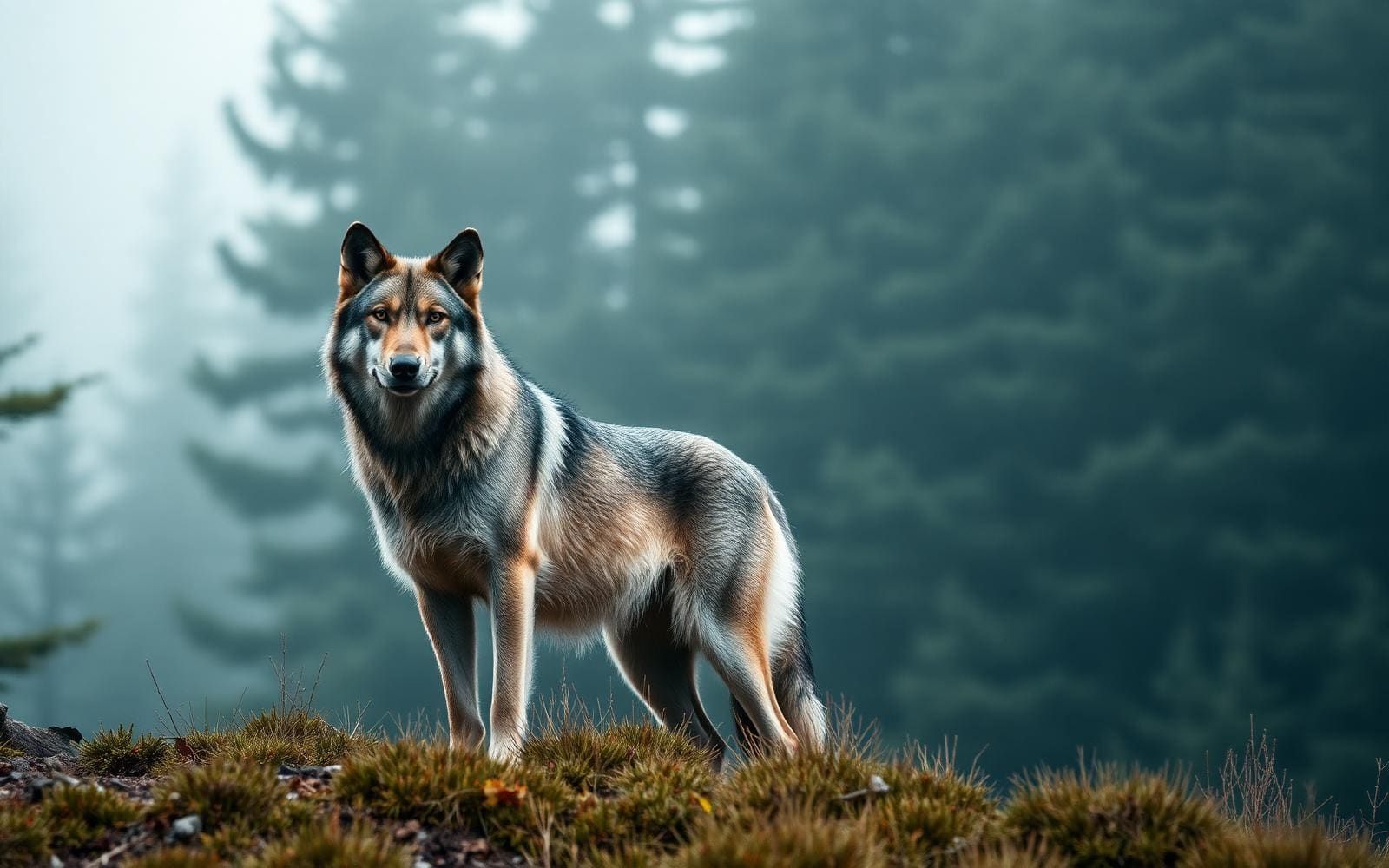
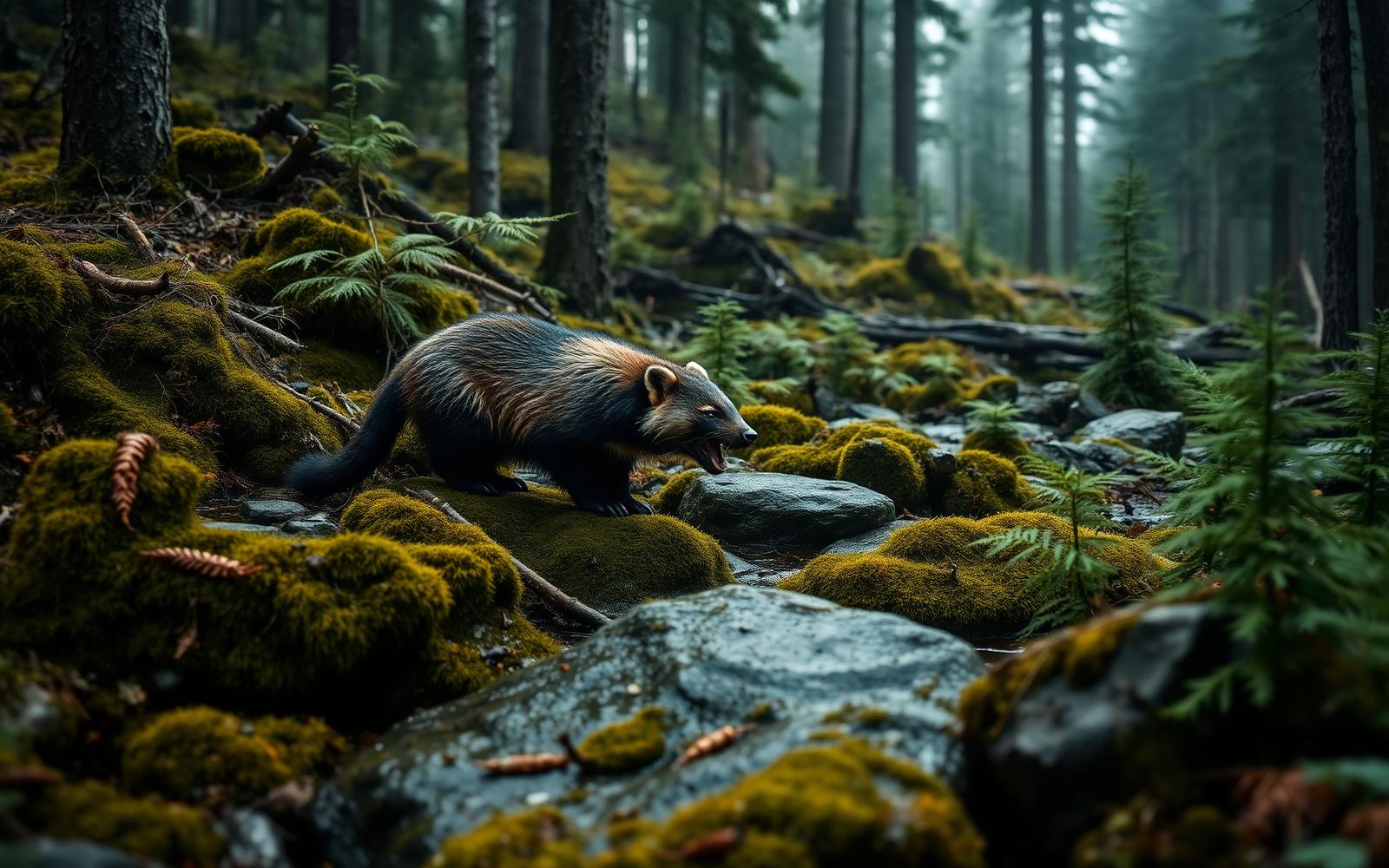
- Wolf, wolverine, polar bear (coastal)
Topic summary
Winter-only spinoff on the North Atlantic — sea ice, snow-covered headlands, and 50 days measured in body heat. Alone: Frozen dropped participants on the winter Labrador coast — a landscape defined by sea ice, wind, and a very short daylight window. The forest is stunted and buried; the sea is largely locked; movement is slow and
Key takeaways
- Format: Winter-only, 50-day cap
- Biome: Subarctic coastal winter
- Winter lows: -30 to -40 °C with wind
- Key food: Ice-fishing, seal (regulated), stored cache
- Big predators: Wolf, wolverine, polar bear (coastal)
Intended uses
Alone: Frozen Alone: Frozen — Season 1 filming location background
Climate suitability
Subarctic coastal winter
Verification notes
Compiled from published show records, regional agencies, and topographical / satellite imagery. Region: Labrador, Canada. Coordinates: 54.500, -57.500.
The country
Alone: Frozen dropped participants on the winter Labrador coast — a landscape defined by sea ice, wind, and a very short daylight window. The forest is stunted and buried; the sea is largely locked; movement is slow and expensive.
Why the show did this
The parent series had already proven summer-to-winter attrition; Frozen went straight to the hardest phase. A 50-day cap replaced the classic last-person-standing format because the environment doesn't allow indefinite duration.
Planner-relevant notes
Everything here bends toward heat loss management — clothing, shelter thermodynamics, controlled work output. Food is secondary to core temperature. Ice-fishing setups and cached fuel do more for survival than any bushcraft build.
Field notes
- Sweat is the enemy — pace every task to stay just below the sweat line.
- A vapor-barrier layer inside your bag is a game-changer in wet-cold country.
- Never leave a shelter without a compass and a marked back-azimuth.
Frequently asked about Coastal Labrador (Alone: Frozen)
- Where was Alone: Frozen Alone: Frozen — Season 1 filmed?
- Coastal Labrador (Alone: Frozen) is in Labrador, Canada. Winter-only spinoff on the North Atlantic — sea ice, snow-covered headlands, and 50 days measured in body heat.
- What is the climate like at Coastal Labrador (Alone: Frozen)?
- Subarctic coastal winter. Alone: Frozen dropped participants on the winter Labrador coast — a landscape defined by sea ice, wind, and a very short daylight window. The forest is stunted and buried; the sea is largely locked; movement is slow and
- Can you visit the Alone: Frozen Alone: Frozen — Season 1 filming site?
- Exact drop points are on public land or private timber leases and are not published, but the general area around Coastal Labrador (Alone: Frozen) is accessible with permits, guides, or self-supported trips.
Build a ten for Coastal Labrador (Alone: Frozen)
Assemble your own 10-item Alone loadout tuned to this biome — cold, wet, and food strategy already scoped.
Open the builderShelter that suits this terrain
Browse shelter builds and site-selection guides matched to conditions like the ones here.
Wildlife
Wildlife found around Coastal Labrador (Alone: Frozen)
The gear behind what you just read
Ranked lists for the exact categories that decide a season.
- Top 10 Winter JacketsDown parkas, synthetic belay pieces, and heavy wool coats for real cold.See the ranking
- Top 10 Merino Wool Base LayersNext-to-skin wool that works in real cold, real heat, and days between washes.See the ranking
- Top 10 Three-Season Sleeping BagsDown and synthetic bags that cover the honest 20°F–40°F working range.See the ranking
- Top 10 Winter Camping LocationsCold-country trips built around snow, ice, and quiet skies.See the ranking
- Best Cold-Weather HatsWool watch caps, ushankas, and windproof beanies for real winter.See the ranking