


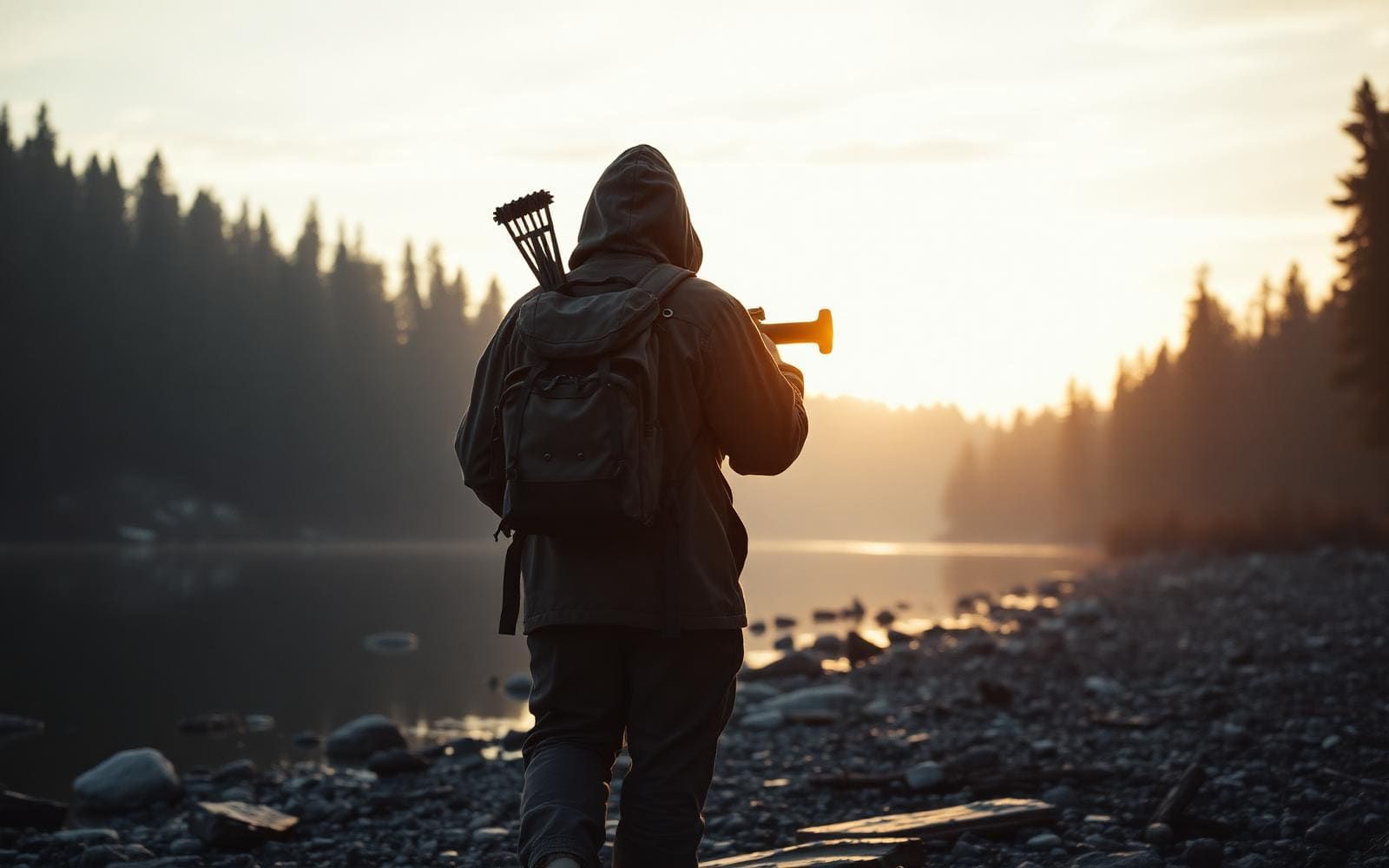
What Happened
Season 3, Episode 7 of Alone, titled "Hungry Beasts," shifts the narrative focus from basic shelter construction and preliminary foraging to the grim reality of coexisting with apex predators in Argentine Patagonia. By this stage in the 56-day territorial deployment around Lake Nahuel Huapi, the remaining survivalists are operating under severe, cumulative caloric deficits. The initial burst of camp setup is long over. What remains is a protracted battle between dwindling body mass and the caloric payoff of procurement efforts.
In this episode, the local fauna ceases to be merely a prospective meal and emerges as an active hazard. Signs of predatory wildlife—notably South American cougars (pumas) and invasive European wild boars—become increasingly pronounced around individual campsites. While smaller game and shoreline foraging yield marginal returns, the presence of larger mammals presents a complex tactical problem: an opportunity for hundreds of thousands of calories in meat and fat, paired with the immediate physical risk of confronting dangerous animals while physically depleted.
Unlike boreal settings in previous seasons where brown and black bears dictated campsite cleanliness, the Patagonian predator profile presents distinct behavioural challenges. Pumas are stealth stalkers, relying on ambush rather than blunt intimidation. Wild boars, on the other hand, are erratic, heavily muscled, and equipped with tusk structures capable of inflicting deep lacerations. The contestants must navigate these external threats while suffering from reduced cognitive speeds, impaired reflexes, and weakened muscles brought on by weeks of limited nutrition.
Who Is Under Pressure
The survivalists remaining on the landscape are uniformly under pressure, but that stress manifests in two distinct operational arenas: perimeter security and foraging efficiency.
Physiologically, anyone still in the field at this juncture is burning through internal glycogen stores and deep into metabolic ketosis or muscle catabolism. When an individual operates at a deficit of 1,500 to 2,500 calories per day, motor control and judgment degrade. In a benign environment, an exhausted participant can simply choose to sleep off the lethargy. In predator-dense terrain, that same lethargy becomes a critical vulnerability. Leaving camp after dusk to inspect snare lines or check gillnets shifts from a routine task into a high-risk gamble.
Psychologically, the pressure of being hunted—or feeling hunted—destroys sleep architecture. Hearing heavy brush break near a shelter wall when armed only with a primitive bow or a bushcraft spear extracts a massive toll on the nervous system. The contestants must manage hypervigilance. If they stay awake all night monitoring sounds outside their tarps, their daytime energy collapses, eliminating any chance of active hunting or wood processing. Conversely, if they slip into deep sleep without adequate camp deterrence, they risk an uncomfortably close encounter with an animal that views them as an interloper or prey.
Furthermore, those who rely on bowhunting face excruciating decisions. Stalking wild boar or pursuing game through thick bamboo scrub requires silent movement, steady breath control, and exceptional situational awareness. When starved, the heart races under minor exertion, hands shake, and patience erodes. The pressure to make every arrow count is absolute.
Gear That Mattered
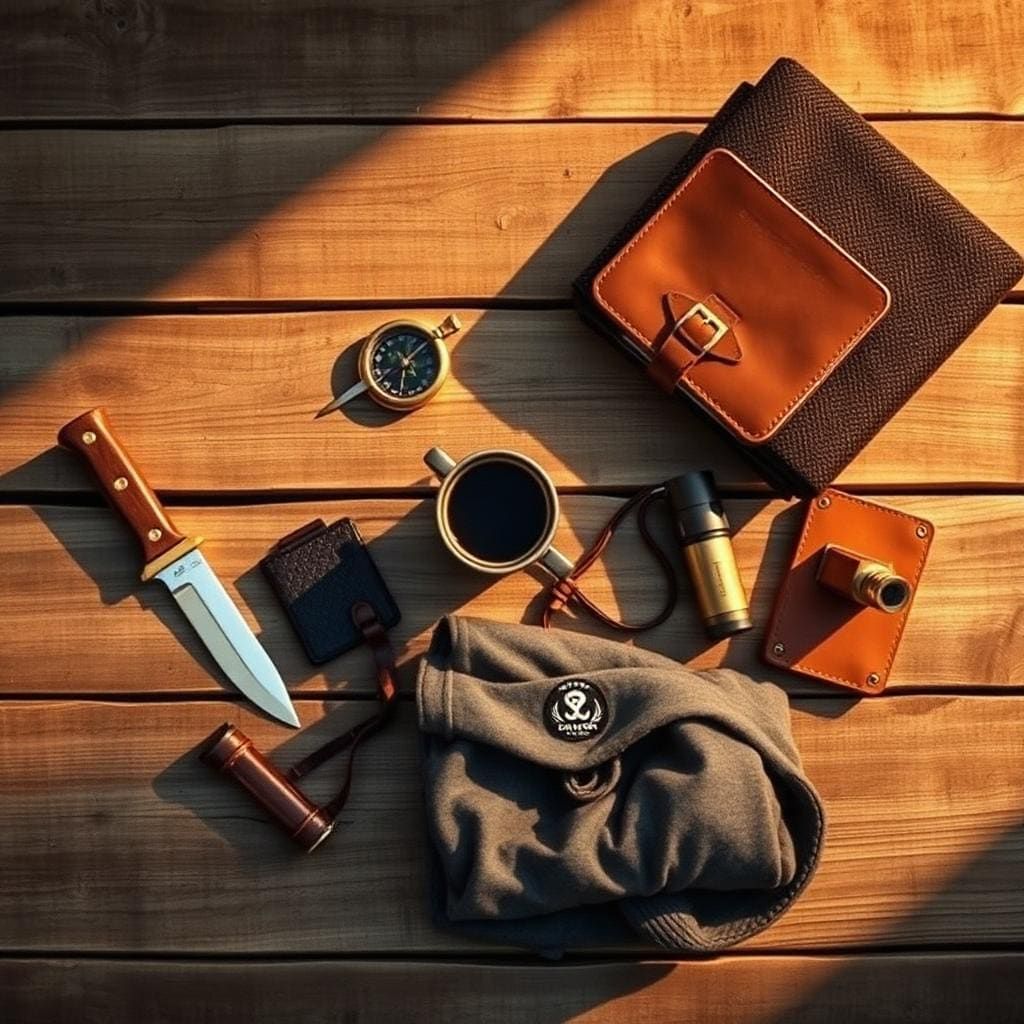
The tactical gear choices made prior to insertion show their true value—and their limitations—in an episode defined by large fauna.
Traditional Archery Equipment
For participants carrying a recurve bow or longbow, Episode 7 emphasizes the dual nature of archery as both an offensive foraging tool and a defensive implement. Hunting wild boar or defending against a curious puma requires adequate draw weight and proper arrow selection. A 45-to-50-pound draw weight may suffice for small game and waterfowl, but penetrating the dense shoulder shield and thick hide of a mature boar demands clean shot placement, high-grain broadheads, and structural integrity. Missing a shot is not merely a wasted opportunity; in close quarters with an aggressive animal, it can precipitate an emergency tap-out.
The Cutting Edge: Axes and Fixed-Blade Knives
Camp security hinges on clear sightlines. A heavy forest axe or bushcraft knife is essential for clearing the dense Chusquea culeou (Patagonian bamboo) around living quarters. Thick undergrowth provides natural cover for stalking pumas. Survivalists who spent caloric capital clearing clear-fire zones around their shelters gained valuable early-warning visibility. Additionally, fixed-blade belt knives serve as the final line of close-quarters defence and the sole tool for quickly fashioning defensive walking spears or reinforcing doorway barricades.
Headlamps and Illumination
While contestants rely primarily on firelight, night-time predator deterrence relies heavily on high-lumen personal illumination. Inspecting perimeter noises without giving away tactical positioning or blinding oneself is vital. The limited battery life of production-approved headlamps forces strict discipline. Lighting a torch from the hearth takes time, whereas a quick flick of a switch can immediately identify whether a set of eye-reflections belongs to an opportunistic rodent or a 120-pound cat.
Cordage and Trapping Wire
Paracord and snare wire are critical assets in perimeter management. Beyond passive hunting, survivalists often employ trip lines or suspend items to generate noise when disturbed. Creating an early-warning system around the shelter entrance provides psychological relief, enabling deeper rest without constant auditory checking.
Standings
Because no formal elimination was confirmed in this broadcast window, the competitive field remains intact but fundamentally reorganized by physical attrition. The operational gap is no longer defined by who built the most elaborate shelter, but by who has sustained their baseline caloric reserve.
Survivalists who managed to bank protein early in the season still hold a tangible reserve of physical and mental stamina, allowing them to remain proactive against predator incursions. Those who have failed to secure regular protein are slipping into survival triage: reducing physical movement to bare minimums, fortifying their immediate shelter space, and avoiding energy-expensive hunting stalks. In Patagonia, passive waiting carries a hard expiration date as winter conditions continue to press into the foothills of the Andes.
Bottom Line
Episode 7 demonstrates that Alone is rarely a pure game of wilderness mechanics; it is an exercise in risk tolerance under conditions of severe physiological depletion. When apex predators enter the field of play, the margin for error evaporates. The remaining survivalists cannot simply withdraw into their shelters and wait out the competition without food, nor can they carelessly roam the bamboo thickets in search of game without inviting catastrophic encounters. The competitor who manages both calorie procurement and perimeter control with cold, methodical efficiency will be the one positioned to endure the harsh weeks ahead.
Build the kit you just watched
Every item below is ranked from field use — no filler, no budget picks.
- The 10 items, rankedWhat actually survives 100 days — our tested picks for every slot on the list.
- Best bushcraft axesThe axe is the highest-leverage pick in the game. Here are the ones worth the weight.
- Best bushcraft knivesEvery winner carried one. These are the fixed blades that hold up to a full season.
- What the winners carriedSeason-by-season loadout analysis of every Alone champion.