


Establishing Camps Under Dual Pressure
Season 4 of Alone introduced a major mechanical shift to the Vancouver Island format by deploying participants in pairs. By the third episode, titled "Margin of Error," the initial chaos of the drop and the multi-mile overland navigations has receded, leaving the remaining teams to face the grind of day-to-day existence on the northern coast. The central challenge shifts from kinetic navigation to static baseline management: setting up a durable long-term shelter, securing steady hydration, and developing dependable systems to harvest calories from the intertidal zone and temperate rainforest.
In standard solo seasons, every operational error falls solely on the individual who committed it. In a pairs format, labor efficiency increases, but so does the rate of resource burn. Two bodies require twice the daily baseline caloric intake to prevent lethargy and cognitive decline. Two bodies track twice the mud and moisture into an enclosed living space, accelerate the depletion of gathered firewood, and demand careful chore distribution. When both individuals must operate around a single set of core survival tools—ten items selected jointly rather than ten items per person—the daily margin for error shrinks rapidly.
At this stage of the deployment, the teams are transitioning from hasty, temporary tarps into structured permanent camps. In northern Vancouver Island, a hasty shelter will quickly fail under continuous coastal downpours. The soil remains perpetually damp, moss holds moisture like a sponge, and driving ocean winds test every guyline and lashing. Building a stable lean-to, A-frame, or hybrid bough shelter requires hours of heavy felling, limbing, and trenching. The presence of two sets of hands speeds up the structural build, but only if the participants communicate cleanly regarding architecture, smoke clearance, and bed elevation.
Who Is Under Pressure
The fundamental pressure point across all remaining teams in Episode 3 is tool synchronization and energy balance. When two partners share a single axe, saw, or ferrocerium rod, work becomes strictly serialized unless one person takes on manual tasks that require no edge tools, such as foraging edible plant matter, beachcombing for washed-up cordage and containers, or hauling stones for fire pits.
This division of labor introduces friction. One partner often expends significant energy on timber management—chopping drift logs and felling alder or hemlock—while the other works the coastal shoreline. If the coastal forage yields only minimal rock tripe, limpets, or sea lettuce, the team runs an immediate net caloric deficit for the day. Psychological tension emerges when the labor output does not match the nutritional return. Fatigue impairs patience, and in a shared camp, minor disagreements regarding how high to pitch a tarp or how to bank a hearth can escalate into significant morale drains.
Furthermore, joint survival means joint risk. If one partner incurs a deep laceration from a slipping hatchet or suffers an ankle sprain on slick bull kelp, the entire unit is compromised. A medical tap by one teammate automatically pulls the other from the competition, regardless of the uninjured partner's physical condition or willingness to stay. Every step on greased intertidal rocks and every stroke of an edge tool carries double the weight, forcing teams to balance urgency with deliberate, conservative movement.
Gear That Mattered
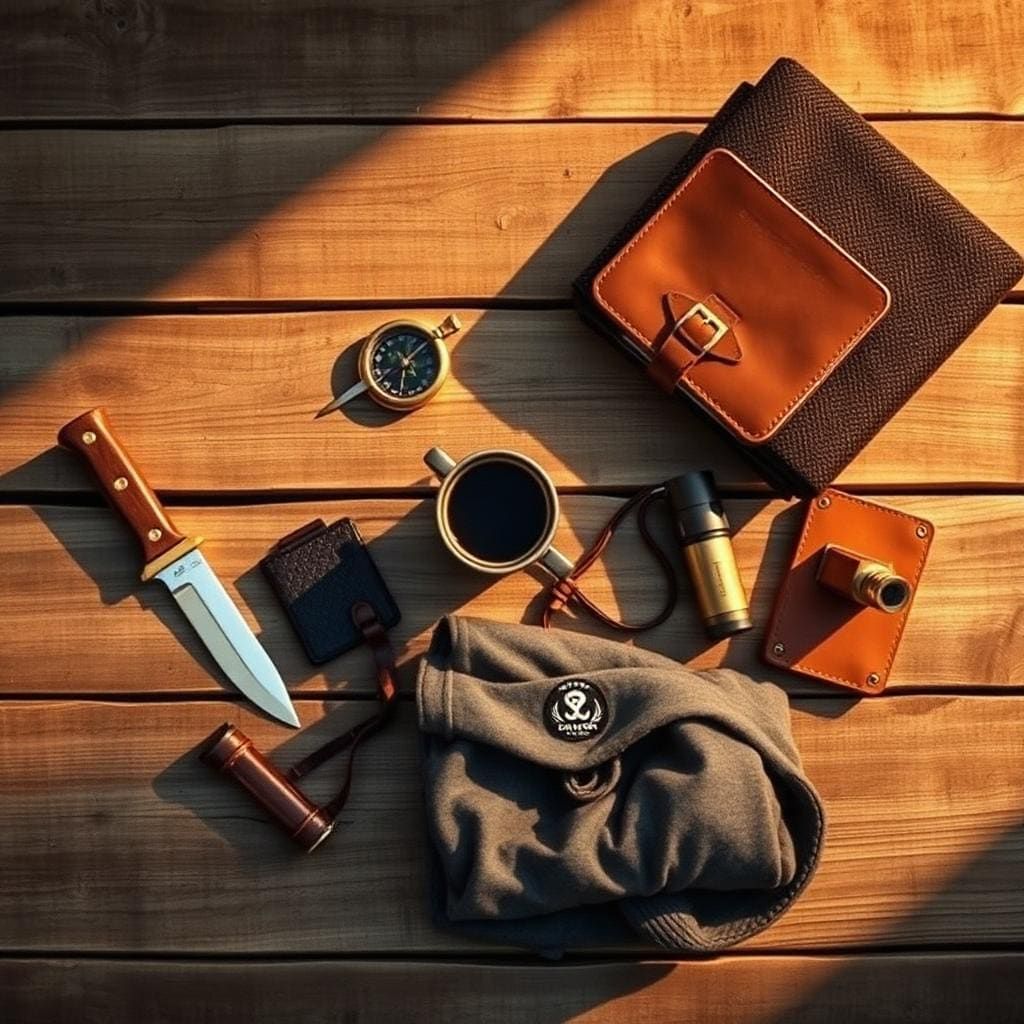
The ten-item packing constraint in Season 4 drastically highlights the utility of multi-use equipment. With two mouths to feed and two bodies to shelter, certain tools take on heightened tactical value.
- Shared Cutting Tools (Axes and Saws): In individual seasons, a survivalist can use their saw intermittently throughout the day. In paired survival, the saw is in almost constant circulation. One partner cuts frame poles while the other reduces firewood to stove lengths. Tool maintenance becomes paramount. If a saw blade binds in green timber and bends, or if an axe edge strikes hidden quartz in beach driftwood, neither partner has a personal backup. Keeping edges sharp and teeth straight is essential for preserving joint energy.
- The Two-Pound Bushcraft Pot: Cooking for two requires larger batches, longer boiling times, and more fuel. Boiling coastal water or stewing bitter greens and foraged shellfish in a small pot means multiple cooking cycles per meal. A large-capacity pot allows teams to maximize water purification and retain marine broths that contain trace sodium and minerals, which are otherwise lost when roasting food over open flames.
- Gill Nets and Trotlines: Coastal food production relies heavily on passive capture systems. An active angler burning calories casting a hand line from the rocks often spends more energy than the resulting catch provides. Setting a gill net in an estuary or tidal channel allows the team to work on shelter maintenance while the net fishes the incoming and outgoing tides. However, Vancouver Island's tides are erratic and debris-laden; logs tossed in the surf can easily tear or swamp an anchored net, demanding constant surveillance.
- Tarp Systems: High-density polyethylene or silicone-impregnated nylon tarps serve as the primary defensive barrier against relentless precipitation. Teams that use their tarps merely as a roof risk condensation rot and wet insulation underneath. Success depends on using the tarp to shed exterior precipitation while constructing an elevated, dry interior bough bed of spruce or cedar twigs to isolate sleeping bags from the cold, saturated ground.
Standings and Team Dynamics
Unlike individual seasons where quiet contemplation dominates the early phase, Season 4 requires continuous negotiation. The remaining family teams must establish clear commands and task ownership.
Brothers, spouses, and parent-child pairings carry pre-existing relational dynamics that either stabilize or fracture camp operations. Teams that lean into complementary skill sets—where one individual runs structural camp infrastructure while the other manages fishing gear, tide charts, and foraged nutrition—demonstrate the highest baseline stability. Conversely, teams that attempt to co-manage every single decision waste daylight debating minor logistical steps.
The coastal biome offers abundant low-grade calories in the form of chitons, periwinkles, and crabs, but these require substantial processing and provide limited fats. To remain viable deep into autumn, teams must begin identifying reliable runs of coastal fish or establish secure deadfall trap lines for small game along the forest margins. The physical toll is already visible across the board: dampened clothing, smoke-reddened eyes, and the initial weariness that sets in once the body exhausts its easy glycogen stores and enters ketosis.
Bottom Line
Episode 3 reinforces that adding a second person to a survival scenario does not cut the difficulty in half; it multiplies the operational requirements. Shelter footprints must double in size, firewood piles must be twice as deep, and every calorie brought into camp must be divided. The teams that survive the coming weeks will not necessarily be those with the flashiest bushcraft skills, but those capable of maintaining tool discipline, avoiding preventable injuries, and sustaining emotional cohesion when wet wood refuses to catch and the tide brings in empty nets.
Build the kit you just watched
Every item below is ranked from field use — no filler, no budget picks.
- The 10 items, rankedWhat actually survives 100 days — our tested picks for every slot on the list.
- Best bushcraft axesThe axe is the highest-leverage pick in the game. Here are the ones worth the weight.
- Best bushcraft knivesEvery winner carried one. These are the fixed blades that hold up to a full season.
- What the winners carriedSeason-by-season loadout analysis of every Alone champion.