


What Happened
Episode 4 of Alone Season 4, titled "The Last Mile," captures a critical transition point in the season’s unique dual-participant format. As the initial navigation phase concludes for the participants traversing northern Vancouver Island’s dense coastal rainforest, the reality of sustaining two people in a fixed location sets in. In previous solo seasons, shelter, fire, and subsistence were calibrated to the metabolism and psychological tolerance of one individual. In this format, the math fundamentally changes. Every resource collected must now be divided, while shelter footprints and fuel requirements double.
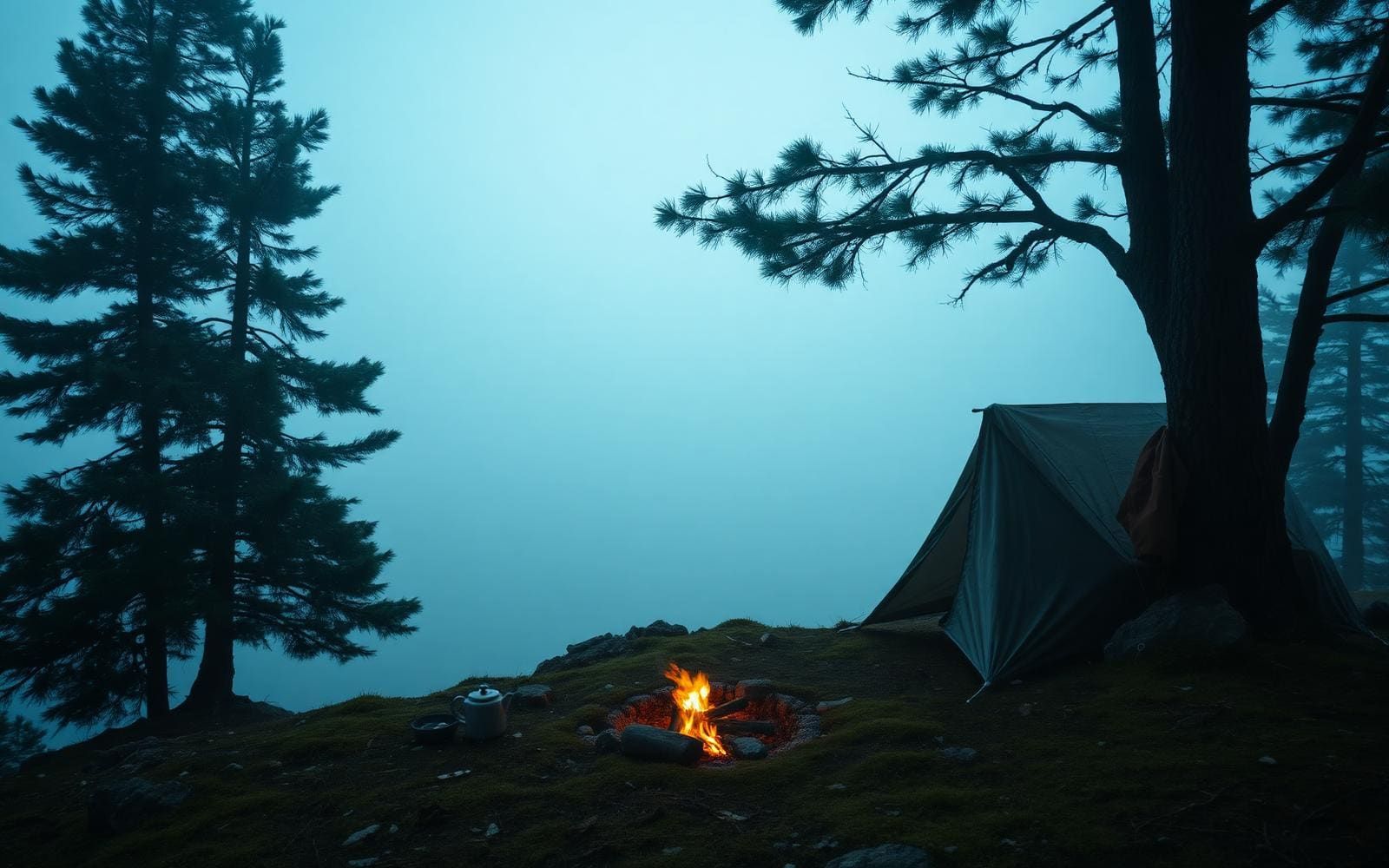
Throughout this phase of the season, camp life shifts from acute, adrenaline-driven mobilization toward routine maintenance under deteriorating weather conditions. Northern Vancouver Island in the late autumn is defined by continuous moisture, persistent fog, and dropping baseline temperatures. Teams are forced to balance immediate caloric acquisition against long-term shelter infrastructure. For those still feeling the physical toll of the cross-country hike, energy reserves are already compromised upon arrival at camp. The sedentary partner, meanwhile, often faces the physical burnout of having single-handedly prepared a camp infrastructure that must now accommodate two adults.
Subsistence efforts in this stretch focus heavily on intertidal foraging and perimeter fishing. Vancouver Island’s shoreline offers limpets, chitons, and rockweed, but the net caloric return on intertidal foraging is notoriously low relative to the energy spent navigating slick, barnacle-encrusted rocks. Gillnets deployed in coastal estuaries face tidal surges, kelp fouling, and seal predation. As food scarcity tightens across the field, the narrative of the episode turns toward the friction generated when partners disagree on energy expenditure versus expected return.
Who Is Under Pressure
The fundamental pressure point in Episode 4 is relational fatigue exacerbated by physical depletion. When calories decline, cognitive flexibility erodes. Small logistical disagreements—how to bank a fire overnight, where to set fishing lines, or how much daylight to commit to firewood processing—begin to carry disproportionate weight.
Family pairs face a specific psychological challenge that strangers or purely professional partners might not encounter: historical baggage. In high-stress, low-energy survival scenarios, familial communication patterns surface immediately. Sibling rivalries, father-son authority dynamics, and spousal communication habits cannot be masked when both individuals are hypothermic, damp, and running on negative net calories. In solo iterations of Alone, contestants manage their own morale; self-doubt can be internalized or processed quietly on camera. In pairs, despair or panic in one person immediately impacts the other. If one partner questions the viability of staying, the second partner is forced into an exhausting dual role: managing their own survival tasks while actively working to stabilize their teammate's morale.
Physical pressure is equally acute. The physical discrepancy between partners is evident across multiple camps. One partner expended thousands of calories humping a 50-pound pack through salal thickets, deadfall, and ravine systems. The other spent days hauling logs, clearing brush, and kneeling on wet ground. Neither individual enters camp life at baseline health. The physical wear and tear—blisters, pulled tendons, back strain, and systematic glycogen depletion—turns routine chores like water purification and wood collection into hazardous tasks.

Gear That Mattered
The shift to tandem camp living places intense demand on specific items selected from the allowed 10-item gear lists. With two people in camp, efficiency in basic camp logistics dictates whether a team can generate a caloric surplus.
- Two-Person Shelter Infrastructure (Tarps and Cordage): A shelter designed for one can be small, low-profile, and easily heated with body heat or a minimal reflector fire. A shelter for two requires more than double the volume to allow both individuals to sleep, dry clothing, and stow two sets of gear. Teams relying on standard issue polyethylene or silnylon tarps face serious engineering hurdles. Expanding the shelter footprint exposes larger surface areas to coastal gale winds and heavy precipitation. Inadequate pitch angles lead to water pooling, while failure to seal the perimeter results in saturated bedding. Teams that selected robust cordage (such as 550 paracord or bank line) are better equipped to build structurally sound ridge poles and tensioned guy-lines capable of withstanding Vancouver Island squalls.
- Firewood Processing (Axes and Folding Saws): Dual survival doubles the fire requirement. A fire must burn longer and wider to dry two sets of drenched outer layers and keep two sleeping systems warm. In wet coastal forests, dry fuel is found internally within standing deadwood. Small folding saws quickly reach their limits when processing large-diameter timber, making full-sized axes and heavy-duty bucksaws essential. The energy cost of swinging an axe while calorically depleted introduces severe safety risks. Any slip with an axe or saw in a remote camp can end a team’s run immediately, turning routine wood prep into a calculated gamble.
- Cooking Vessels (The Cast Iron or Stainless Steel Pot): In solo seasons, a two-quart pot is adequate for boiling water and preparing small forage stews. For two people, standard bushcraft cook pots become a bottleneck. Boiling enough drinking water for two while simultaneously reducing low-calorie foraged greens, limpets, or fish broth requires continuous fire management. Larger pots allow for batch purification and single-pot meals that conserve firewood and time, proving their worth as structural camp gear.
- Gillnets: As shoreline foraging yields diminishing returns, the gillnet serves as the primary passive food-gathering tool. However, setting a net without a boat or canoe requires either wading into frigid intertidal waters or building makeshift casting systems. Saltwater currents and daily tides tangle nets, load them with floating sea lettuce, and frequently tear fine monofilament. Teams that consistently monitor, clear, and mend their nets have a fighting chance; those that leave nets unattended face ruined gear and zero caloric return.
Current Standings
No eliminations are officially logged in this episode, leaving the field intact as teams push deeper into their residency on the coast. The pairs continue to navigate the dual realities of shared camp life, balancing the physical weariness of the opening days against the long-term imperative of securing reliable protein.
Every team remaining on northern Vancouver Island is now fully transitioned into camp maintenance mode. The initial sprint to rendezvous is over, replaced by the grueling, open-ended marathon of caloric conservation, joint decision-making, and psychological endurance.
Bottom Line
Episode 4 demonstrates that adding a second person to a wilderness survival scenario does not cut the difficulty in half—it doubles the stakes. While two sets of hands make heavy lifting, camp construction, and wood gathering faster, the thermodynamic equation remains merciless. Two bodies require twice the calories, twice the dry clothing, and twice the psychological fortitude. The teams that survive on Vancouver Island will not be the ones with the most ambitious building projects, but the ones capable of establishing quiet, low-friction camp routines that protect their bodies, their gear, and their partnership from slow erosion.
Build the kit you just watched
Every item below is ranked from field use — no filler, no budget picks.
- The 10 items, rankedWhat actually survives 100 days — our tested picks for every slot on the list.
- Best bushcraft axesThe axe is the highest-leverage pick in the game. Here are the ones worth the weight.
- Best bushcraft knivesEvery winner carried one. These are the fixed blades that hold up to a full season.
- What the winners carriedSeason-by-season loadout analysis of every Alone champion.