



What Happened
Season 4 of Alone fundamentally alters the tactical baseline of the series by introducing two-person teams composed of family members. Fourteen participants were inserted into the rugged terrain of northern Vancouver Island's Quatsino Sound. Rather than deploying partners together at a single location, the production team introduced a separation mechanic: one partner is delivered to a designated base camp site along the shoreline, while the other is dropped inland or further along the coast, tasked with navigating an estimated ten-mile overland trek to link up.
Ten miles on a map often misleads those unfamiliar with the Pacific Northwest temperate rainforest. On Vancouver Island, horizontal distance is secondary to verticality, deadfall density, and impenetrable vegetation. Navigating through old-growth and second-growth coastal forest requires bushwhacking through dense salal, devil’s club, and crisscrossed fallen timber, all overlaid on slippery, moss-covered rock and boggy muskeg. The physical toll is instantaneous.
The separation created immediate friction across multiple teams, with early struggles defining the first hours of the drop. For Brad and Josh Richardson, the format proved decisive before their field operation could even mature. On Day 1, Josh Richardson suffered a medical event that halted his progress, prompting a medical evacuation. Brad Richardson subsequently left the game on Day 1 as well, ending their run before the reunion hike could be completed. The immediate extraction of the Richardson brothers highlights the unforgiving nature of the terrain and the zero-margin dynamic of the team structure: if one partner fails, the team's stay in the wilderness ends.
Who Is Under Pressure
The split dynamic creates two distinctly different survival pressures, neither of which resembles the standard solo deployment from previous seasons.
The hiking partners are operating under extreme physical and metabolic strain from minute one. Moving through coastal temperate rainforest with a loaded expedition pack forces elevated heart rates and heavy perspiration, which, in a wet maritime climate, directly increases the risk of hypothermia once movement stops. These hikers must continuously balance pace against foot placement. A misjudged step on slick deadfall can end in a torn ligament, fractured ankle, or structural gear failure. Furthermore, they are navigating blind through dense canopy where line of sight is regularly restricted to less than ten yards, making accurate bearing retention exhausting work.
Simultaneously, the camp-bound partners face psychological stagnation and operational uncertainty. Dropped on the shoreline with the responsibility of establishing a functional base camp, they must make critical infrastructure decisions—such as camp placement, firewood collection, and emergency shelter construction—without knowing the exact timeline of their partner's arrival. If the hiking partner is delayed by terrain features, water crossings, or injury, the base camp participant is left to manage caloric expenditure and basic survival chores in isolation, knowing that every delay compounds the team's exposure.
Gear That Mattered
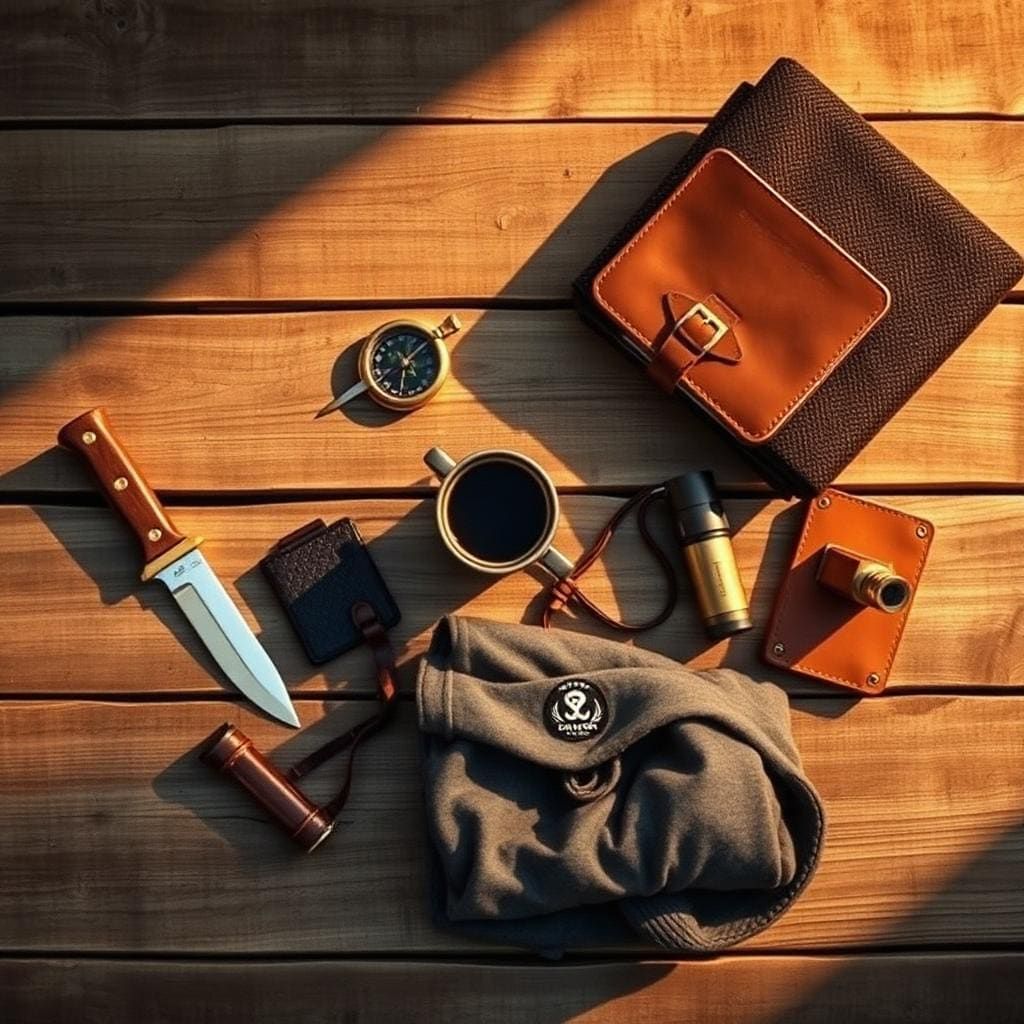
The split deployment places an extraordinary premium on navigation, footwear, and load management gear. While stationary contestants typically prioritize heavy shelter tarps, gill nets, and large felling axes, the hiking partner requires gear tuned for arduous overland travel.
- Navigation Equipment: In terrain where topographical features are hidden by dense canopy, a reliable sighting compass is non-negotiable. Contestants attempting to dead-reckon across broken terrain inevitably suffer from lateral drift, steered off course by ravines and impassable blowdowns. Maintaining a back-bearing or navigating around micro-terrain features without losing the primary vector demands disciplined compass work.
- Load Carriage and Pack Weight: Every pound carried over a ten-mile Vancouver Island bushwhack levies a direct metabolic tax. Hikers carrying heavy cutting tools, wet-weather tarps, and sleeping systems across fallen timber experience rapid spinal and lower-body fatigue. A properly adjusted pack frame that stabilizes the load against sudden shifts in balance is the difference between clearing a log jam safely and taking a catastrophic fall.
- Boots and Ankle Support: Footwear failure in Quatsino Sound is catastrophic. The constant cycle of saturated moss, hidden root holes, and slick, decaying logs requires heavy-duty boots with stiff shanks and aggressive lug patterns. Flexible trail runners or poorly broken-in leather boots offer insufficient torsional support when side-hilling steep drainages with 40 to 50 pounds on your back.
- Outerwear Layering: Managing sweat production while bushwhacking in a rain-saturated environment is one of the hardest field tasks. Hard-shell waterproofs trap perspiration during high-exertion hiking, wetting out base layers from the inside. Contestants who fail to vent their layers or manage their pace risk rapid hypothermic chills the moment they stop moving to check a bearing or establish a bivouac.
Standings and Field Status
The field entered the season with seven two-person teams (fourteen survivalists total) contending with the logistical hurdle of reuniting across the Quatsino coastline.
By the end of Day 1, the field took its first confirmed losses:
- Josh Richardson: Medical exit on Day 1.
- Brad Richardson: Tapped out on Day 1.
With the Richardsons eliminated, six pairs remain active in the field. However, as noted in the operational synopsis of the early drop, the reunion process continues to exert severe attrition on the field, with several teams struggling to traverse the landscape and three pairs ultimately failing to reconnect before tapping out of the competition.
Bottom Line
The season premiere of Alone Season 4 proves that changing the operational premise changes everything. A ten-mile trek through the Quatsino coastal woods is not a simple transit; it is an active endurance trial that exposes physical vulnerabilities before long-term survival skills—such as food procurement, permanent shelter construction, and mental fortitude—can ever come into play.
The Richardson brothers' immediate exit on Day 1 underscores the severe risk profile of the new format. When an individual participant experiences a medical emergency or cannot sustain the physical demands of the overland approach, the team structure offers no contingency. The remaining contestants must now weigh speed against self-preservation: push too hard to reach base camp and you risk an immediate medical evacuation; move too cautiously and you burn through finite caloric reserves before the real survival phase even begins.
Build the kit you just watched
Every item below is ranked from field use — no filler, no budget picks.
- The 10 items, rankedWhat actually survives 100 days — our tested picks for every slot on the list.
- Best bushcraft axesThe axe is the highest-leverage pick in the game. Here are the ones worth the weight.
- Best bushcraft knivesEvery winner carried one. These are the fixed blades that hold up to a full season.
- What the winners carriedSeason-by-season loadout analysis of every Alone champion.