


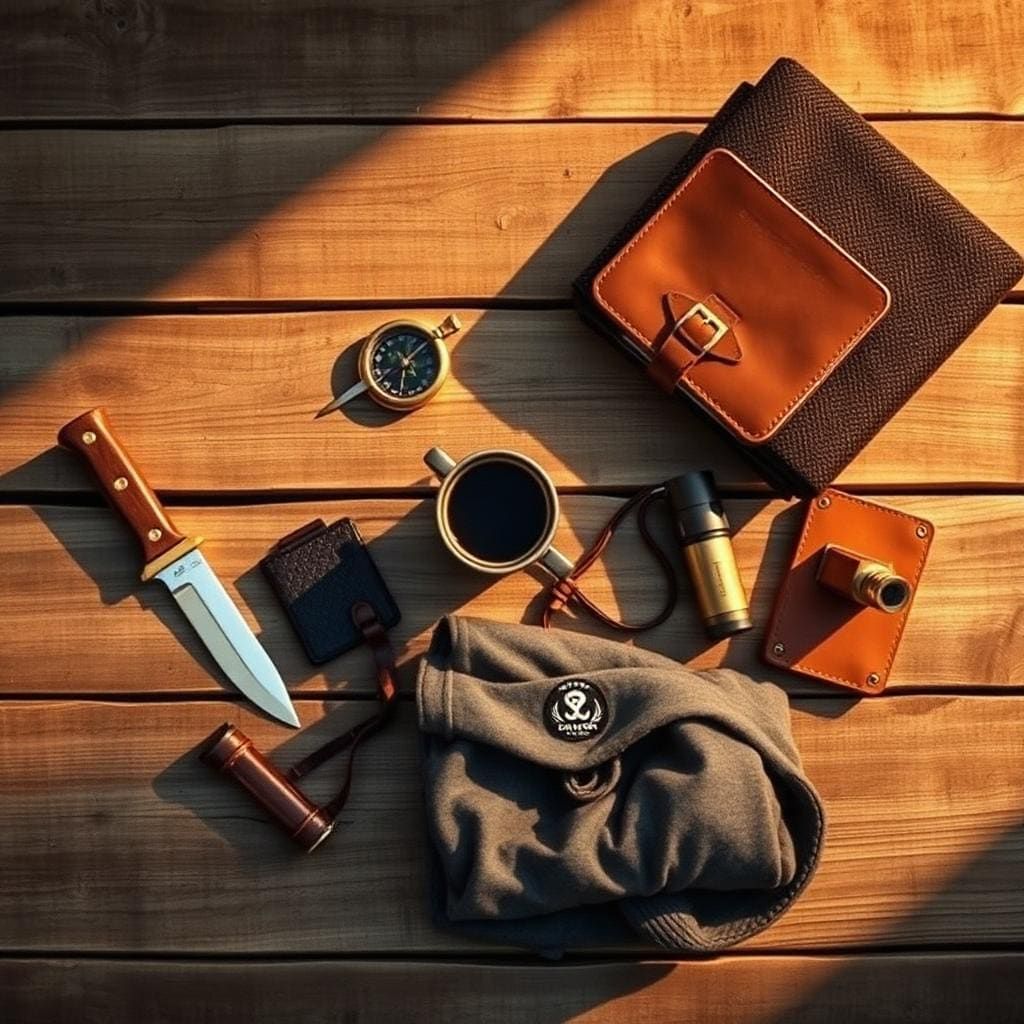
What Happened
By Episode 9 of Season 5, the field in Northern Mongolia is nearing the sixty-day mark. The timeline has shifted out of the active establishment phase—where participants felled timber, built sophisticated permanent shelters, and laid extensive gillnet lines—into the late-stage attrition phase. Food scarcity is no longer an intermittent issue; it is the central, defining variable of daily survival.
At this point in an Alone campaign, the ecological realities of sub-Arctic northern Asia impose severe limitations. As autumn transitions into winter, terrestrial activity declines, aquatic life becomes harder to access from the bank, and the caloric investment required to hunt or fish begins to outstrip the caloric payoff. The synopsis for "Starvation's Shadow" captures this pivot precisely: hunger is the dominant threat, and the final contenders are left calculating how much physiological damage they can accept before their bodies force an exit.
With no specific tap-outs formally logged in this frame, the narrative focuses on the internal discipline required to simply exist in a landscape that has largely closed down its food supply. Participants spend less time on expansive bushcraft projects and more time managing energy expenditure, securing drinking water without freezing, and monitoring their own physical deterioration.
Who Is Under Pressure
Every remaining participant at the two-month mark is in a state of active catabolism. The human body requires roughly 1,500 to 2,500 calories per day simply to sustain basal metabolic function in temperate conditions. In the Mongolian highlands, where freezing temperatures demand constant thermoregulation, daily caloric expenditure easily spikes above 3,500 calories if any physical labor is performed.
Without a steady intake of fats and proteins, the body systematically breaks down stored adipose tissue before transitioning to muscle wasting. This physiological transition carries severe psychological side effects, including brain fog, lethargy, heightened emotional sensitivity, and compromised motor control. The pressure in this episode is not the acute shock of an accident or a predator encounter; it is the compounding weight of systematic starvation.
Each competitor must reconcile two conflicting realities. On one side is the desire for redemption—Season 5 being an all-star format featuring returning competitors who already tasted defeat in earlier seasons—and the life-altering prize. On the other side is the objective threshold of irreversible organ damage. When the remaining survivalists weigh the physical toll against their determination, they are balancing long-term health against short-term endurance. The psychological burden of knowing that a competitor fifty miles away might be enduring the exact same misery for just one day longer creates immense friction.
Gear That Mattered
The late game completely transforms how gear is valued. Tools that were indispensable in the first two weeks, such as heavy axes, crosscut saws, and extensive cordage bundles, recede into secondary roles. The kit items that matter near Day 60 are those that preserve energy and retain heat.

Sleep Systems and Thermal Insulation
A high-loft winter sleeping bag rated for sub-zero temperatures is the primary survival tool during late-stage fasting. When food intake drops near zero, the human body struggles to generate ambient heat through digestion (dietary thermogenesis). Prolonged rest becomes the only viable strategy to stem weight loss. A sleeping bag that retains loft despite ambient moisture allows a participant to spend sixteen to eighteen hours a day prone, burning the absolute minimum number of calories.
The Cooking Pot
The standard two-quart cast iron or stainless steel pot remains essential, though its use shifts. Early on, it was used to stew game and boil fish heads for fat extraction. At this stage, it serves primarily to melt snow and boil pine needles or minimal forage into hot water. Ingestion of warm liquids helps maintain core body temperature without demanding metabolic energy to warm freezing water inside the stomach.
Wool Layers and Shell Garments
Clothing choices made prior to drop-off reveal their true value now. As body fat melts away, garments loosen, creating dead air space that can either trap heat if properly layered or allow cold drafts if the outer shell cannot be secured. High-grade merino wool undergarments, insulated trousers, and windproof outer layers serve as the first line of defense against hypothermia, which becomes an acute hazard when blood circulation to the extremities drops.
Trapping Wire
Active hunting with a recurve bow requires drawing weight, steady aim, and significant physical expenditure while stalking. At this stage, brass or steel snare wire is one of the few low-energy food gathering tools remaining. Setting and checking a small-game snare line along game trails consumes a fraction of the calories required for bow hunting, making wire one of the few gear items capable of delivering a positive caloric return on investment.
Current Standings
The active roster remains tight as Season 5 approaches its conclusion. Because no official withdrawals are recorded for this specific hour, the remaining field continues to hold their ground in the Khonin Nuga valley and surrounding river basins. Every participant still on the board is an experienced veteran of the show, meaning technical ignorance has long since been eliminated as a failure mode. The standings are determined entirely by body mass index, access to residual fat reserves, baseline metabolic rates, and mental tenacity.
Surviving past day 50 in any environment places an individual in the upper tier of solo wilderness endurance. In Mongolia, where winter arrives swiftly and bitterly, the field has been winnowed down to those whose shelters can handle freezing drafts and whose minds can tolerate the repetitive monotony of isolation and intense hunger.
Bottom Line
Episode 9 represents the grim mechanical core of Alone. The romance of frontier bushcraft—log cabins, creative camp furniture, and successful hunting displays—has stripped away entirely. What remains is a clinical contest of human endurance against thermodynamics.
The participants who survive this stage are not necessarily the most aggressive hunters or the most prolific builders; they are the individuals who understand metabolic efficiency. They know when to stop moving, how to manage hypothermia on an empty stomach, and how to quiet the psychological alarm bells that urge them to hit the satellite phone and ask for an extraction. As the sixty-day threshold approaches, the season is no longer about thriving in Mongolia—it is about outlasting starvation itself.
Build the kit you just watched
Every item below is ranked from field use — no filler, no budget picks.
- The 10 items, rankedWhat actually survives 100 days — our tested picks for every slot on the list.
- Best bushcraft axesThe axe is the highest-leverage pick in the game. Here are the ones worth the weight.
- Best bushcraft knivesEvery winner carried one. These are the fixed blades that hold up to a full season.
- What the winners carriedSeason-by-season loadout analysis of every Alone champion.