



A first camping trip should test a simple system, not your ability to relocate the contents of a house. Bring reliable shelter, sleep equipment, weather protection, water, food, illumination, first aid, and a plan. Most comfort problems come from poor site choice, inadequate insulation, forgotten small essentials, or unfamiliar gear—not from leaving the espresso chandelier at home.
Build the kit around basic needs
Organize the checklist by shelter, sleep, clothing, water, food, light, hygiene, navigation, emergency equipment, and personal requirements. A tent must include the correct poles, fly, stakes, and ground protection. A sleeping bag must match conditions, and a sleeping pad must insulate as well as cushion. Pack layers for the coldest credible weather, not the warm afternoon at the trailhead.
Test every system before departure
Pitch the tent once at home, inflate the pad, operate the stove outdoors, fit headlamp batteries, and use the water container. Check that fuel matches the stove and that the can opener has not become a philosophical concept. Testing reveals missing parts and confusing instructions while stores, shelter, and daylight remain available. Keep related items together in labeled bags or bins.
Keep food and water uncomplicated
Plan meals that fit the available cooking equipment, storage, cleanup, and fire restrictions. Bring enough safe drinking water or a verified treatment plan. Separate raw ingredients, wash hands, keep cold food properly chilled, and secure all food and scented items according to local wildlife requirements. A first trip is not the ideal moment to discover that a twelve-step stew requires three pans and emotional support.
Prepare for the site, not generic camping
Check reservations, access hours, vehicle rules, quiet hours, fire restrictions, potable water, toilets, weather, insects, wildlife, and cell coverage. Established campgrounds vary from near-resort facilities to a numbered patch of dirt. The land manager’s current information determines what you need. Share the destination and return plan with someone who is not on the trip.
Core camping checklist
| System | Minimum items | Commonly forgotten |
|---|---|---|
| Shelter | Tent, poles, fly, stakes, groundsheet | Mallet or stake-pulling tool |
| Sleep | Bag or quilt, insulated pad, pillow | Repair patch and dry sleep clothes |
| Kitchen | Stove, fuel, pot, utensils, food storage | Lighter, soap, trash bags |
| Safety | First aid, light, navigation, weather plan | Spare batteries and medications |
| Comfort | Chair, sun and insect protection | Earplugs and camp footwear |
Common mistakes to avoid
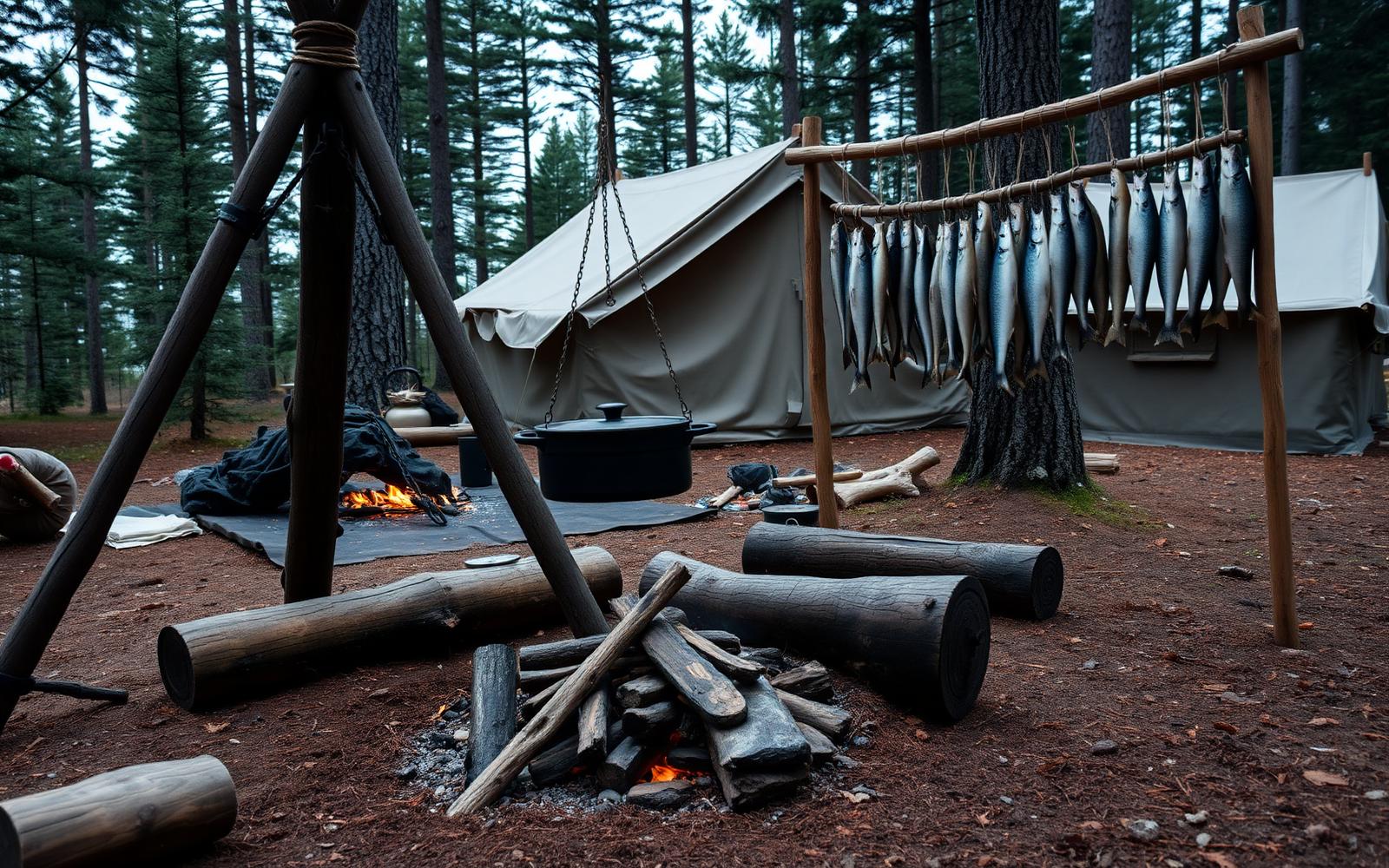
- Packing by room instead of system: It produces duplicates while missing critical connectors and consumables.
- Relying on a campfire for cooking: Fire bans, rain, or poor fuel can erase the dinner plan.
- Assuming the campground sells forgotten items: Many do not, and some are far from services.
Field checklist
- Confirm reservation, rules, weather, and fire status
- Pitch and inspect the tent
- Test stove, light, pad, and water equipment
- Pack the Ten Essentials and personal medications
- Store food and scented products as required
Frequently asked questions
What is the most important camping item?
No single object replaces a system, but weather-appropriate shelter and sleep insulation are central to a safe, tolerable night.
How much water should I bring?
Base it on people, heat, activity, cooking, hygiene, and whether potable water is confirmed. Carry a margin.
Do I need expensive equipment?
No. Reliable, correctly used equipment matters more than premium labels. Borrowing or renting is sensible for a first trip.
Final word
Make the first trip short, close, and easy to exit. A pleasant night builds another camper; a needlessly epic night builds an online marketplace listing.