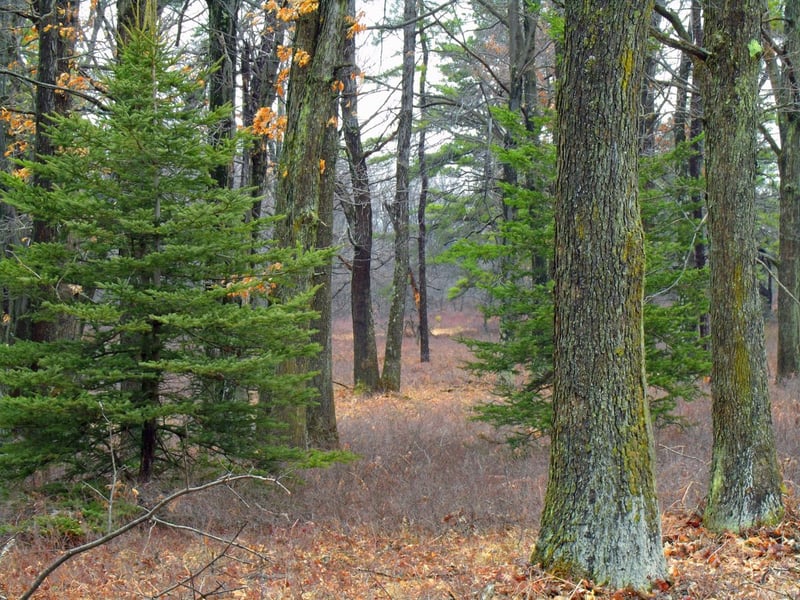
Fish the edges
Universal rule
Predators hold where two things meet: weed and open water, shallow and deep, current and slack, sun and shade, hard bottom and soft. If you can name the edge you are casting to, you are fishing correctly.
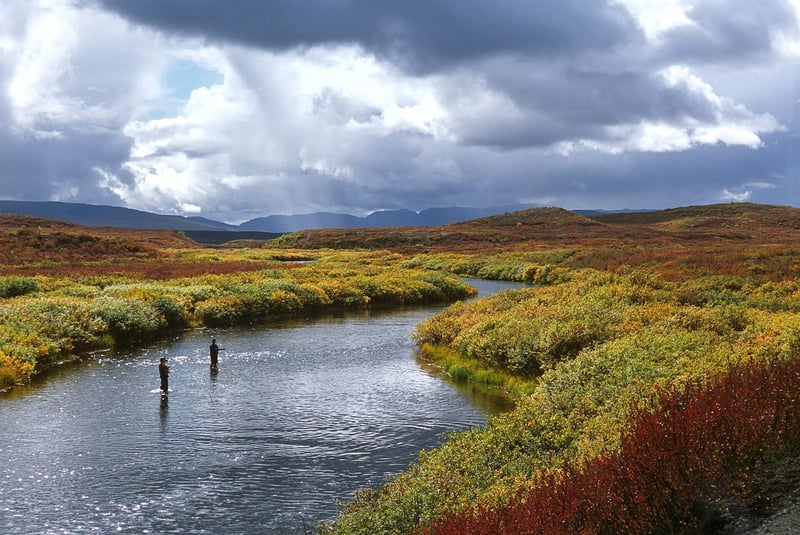
Fishing · Field craft
Not a list of platitudes. Where fish hold, when they feed, and the exact order of adjustments that turns a blank morning into a good one.
Most fishing advice is either obvious or untestable. What follows is neither: each item is a decision you can make on the water and immediately see the result of.
The through-line is simple. Fish live on edges, they feed in windows, and when they are not biting the answer is almost always depth or speed — not the color of your lure.
01
Where fish are is a bigger question than what you throw at them.
Universal rule
Predators hold where two things meet: weed and open water, shallow and deep, current and slack, sun and shade, hard bottom and soft. If you can name the edge you are casting to, you are fishing correctly.
Rivers
In moving water, fish sit in slow water immediately beside fast water so food comes to them without costing energy. Look for the foam line, the downstream side of boulders, undercut banks, and the inside of bends.
Lakes
Wind pushes plankton against a shoreline, baitfish follow the plankton, and predators follow the bait. The windblown bank is uncomfortable to fish and usually holds three times the fish of the calm side.
Summer
In midsummer, stratified lakes hold a sharp temperature break — typically 12 to 25 feet down. Below it, oxygen thins; above it, water is too warm. Most open-water fish stack within a few feet of that line.
Bright days
Under a bright sun, fish tuck under docks, laydowns, overhanging brush, and bluff shadows. The strike zone is often less than two feet wide. Accuracy beats distance in this situation, every time.
Backcountry
Where a stream enters or leaves a lake you get oxygen, food, and a temperature break in one spot. On unpressured wilderness water, this is the first place to cast and often the only place you need to.
02
Same lake, same lure, different hour — completely different day.
| Condition | Effect on the bite | What to do |
|---|---|---|
| First and last light | Best feeding window of the day | Be on the water before it, not during it |
| Falling barometer, front approaching | Aggressive, shallow feeding | Cover water fast with reaction baits |
| Post-front bluebird sky | Tight-lipped, fish bury in cover | Slow finesse presentations, pitch into shade |
| Steady overcast | Extends the low-light bite all day | Spinnerbaits and moving baits, shallow |
| Warm rain in spring | Warms shallows, pulls fish up | Fish the incoming muddy water line |
| Full and new moon | Stronger tides, better night bite | Coastal: fish the moving tide; inland: fish after dark |
| Running tide (coastal) | Bait gets swept, predators set up | Fish the last two hours of incoming |
| Slack tide | Feeding largely stops | Move, re-rig, eat lunch |
03
Work this list in order. Do not skip to color.
04
Free performance
A hook point should catch on your thumbnail with no pressure. Factory trebles on budget crankbaits are usually dull out of the package, and a dull point is the reason a fish came unbuttoned at the boat.
One-third rule
Set drag to roughly a third of your line's breaking strength — pull line off the reel by hand and it should slip under firm but steady pressure. Too tight snaps leaders on the hookset; too loose fails to drive the hook home.
Timing
Set on the splash and you pull the lure away from the fish. Wait until the rod loads with actual weight, then sweep sideways rather than up.
Live bait
Circle hooks rotate into the jaw hinge as the fish turns away. Reel down steadily until the line comes tight. A hard hookset simply pulls the hook straight out of the mouth.
Stealth
In clear or shallow water, the boat or your silhouette on the bank spooks fish before your lure ever lands. Cast farther, stay low, wear muted colors, and stop stomping on the bank.
Cheap insurance
After every good fish, every snag, and every hour in rocks or timber. Run the last two feet of line between your fingers — any roughness means cut and retie.
05
If you plan to release, keep the fish in the water, wet your hands, use barbless or pinched-barb hooks, and skip the long photo session. Above about 70°F in trout water, mortality after release climbs steeply — fish early or fish somewhere colder.
If you plan to keep fish, bleed and ice them immediately. A fish that sits on a stringer in warm water for three hours is worse table fare than one iced within a minute of being landed. Know your slot and bag limits before you keep anything.
Leave the water better than you found it. Pack out mono — it kills birds and turtles for decades — and never move live bait, water, or weeds between watersheds. Invasive species travel almost entirely in fishing gear.
Questions
Where every fishing guide on The Wild10 starts.
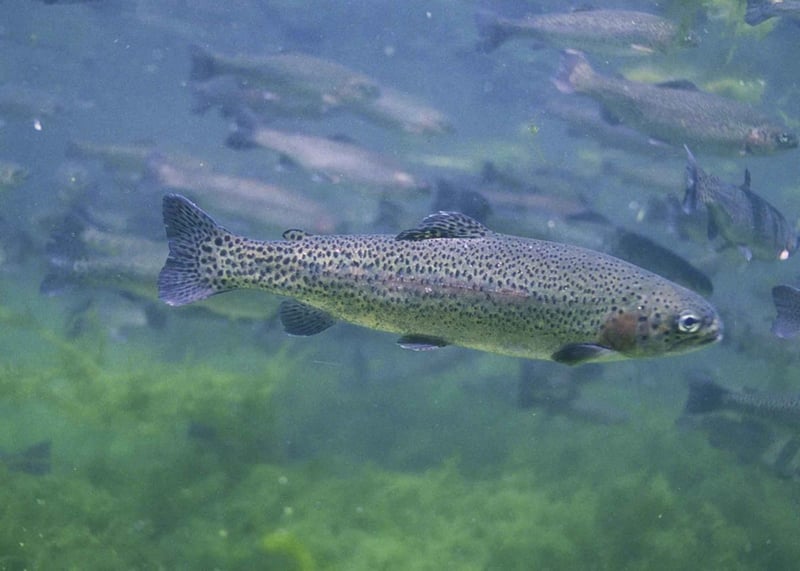
Body shape, fins, mouth, and markings for 30+ North American gamefish.
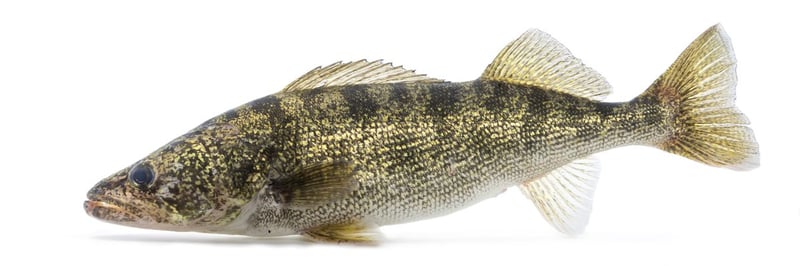
Nineteen gamefish, each with where to find them, how to catch them, and gear.
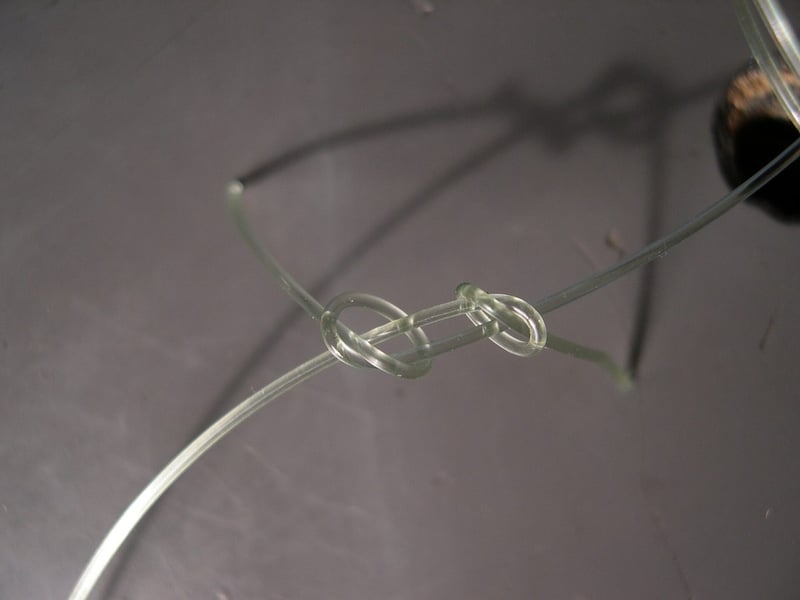
Twelve knots covering every hook, leader, and loop connection you need.
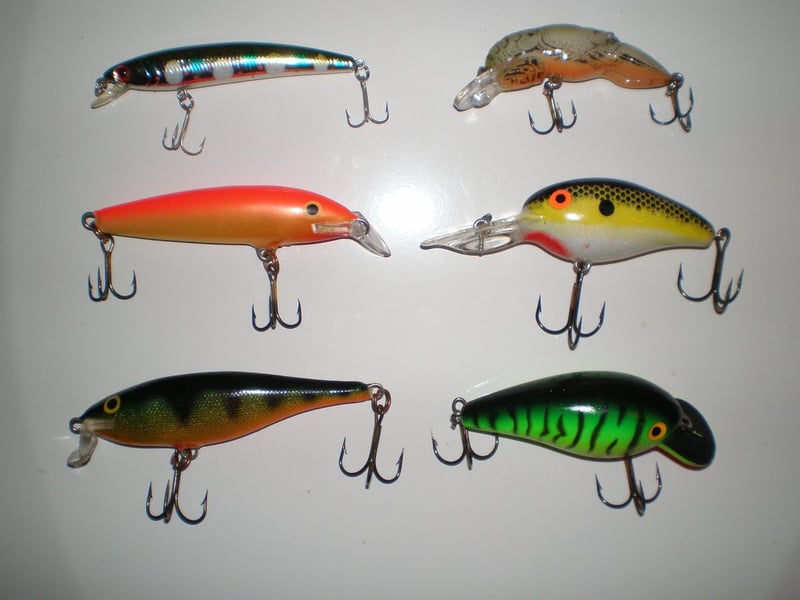
Matching lure category to temperature, clarity, depth, and season.
Keep going
Top 10 lists
Ranked picks with real product photos, specs, and editor notes — the buying side of everything covered in these guides.
Bass, walleye, trout, and panfish rods ranked on feel.
See the ranking →Jig, crank, and heavy-cover rods by blank and taper.
See the ranking →Drag smoothness, line management, and long-haul gears.
See the ranking →Brake systems, backlash control, and drag under load.
See the ranking →Also on The Wild10
Same field-tested approach, applied to game species, rifles, shotguns, and bows — from scouting through meat care.
Open the hunting hub →