Skip to content
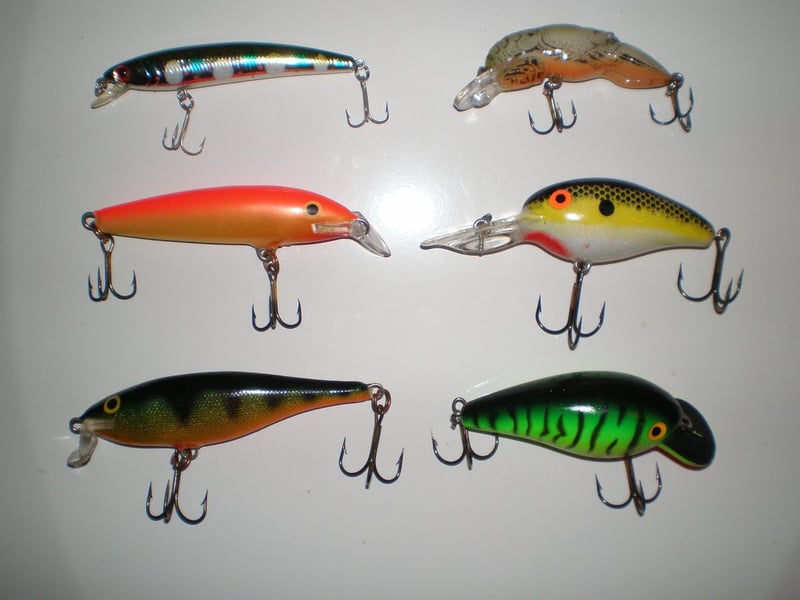
Assorted diving crankbaits in a tray

Fishing · Tackle

Lures, and the conditions that make each one right

Eight categories cover every lure ever made. Water temperature, clarity, and depth pick the category for you — this guide shows exactly how.

A tackle box full of lures is not a strategy. Most anglers own hundreds and catch fish on four, because they never connect the bait in their hand to the conditions in front of them.

This guide inverts that. Read the water first — temperature, clarity, depth — and let those three numbers choose the lure category. Then the specific bait is just a preference.

Categories
8 lure families
Selection
By temp & clarity
Ramp process
5 steps
Photos
Real tackle

01

Choose the category before the lure

Tackle shops sell thousands of lures across roughly eight functional categories. Pick the category that puts your bait in the right part of the water column at the right speed, and the specific model barely matters.

Three inputs decide the category: water temperature (which sets how fast fish will chase), clarity (which sets profile and color), and depth (which sets whether you need a lure that floats, sinks, or dives). Answer those three and your options collapse from thousands to about five.

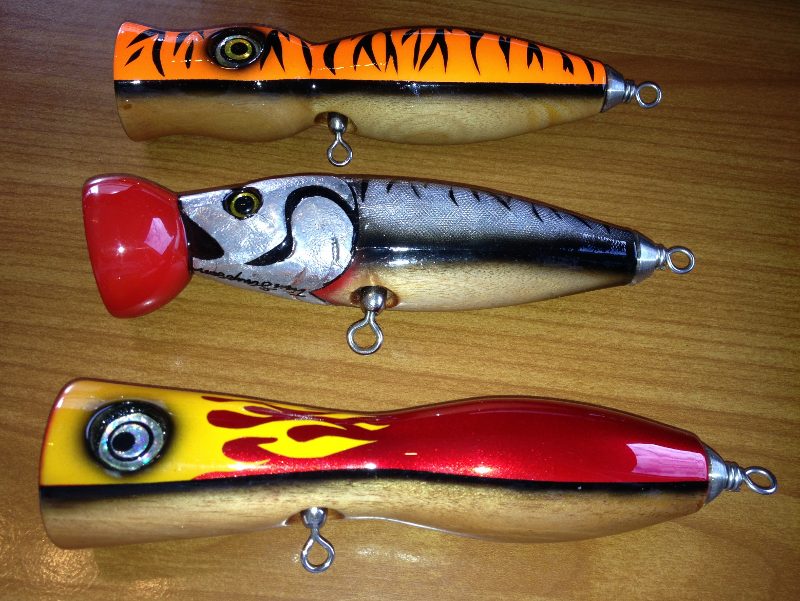
Topwater popper lures lined up
Stalane / CC BY-SA 3.0 · Wikimedia Commons

02

The eight lure categories

Assorted diving crankbaits in a trayCover water · 2–20 ft

Crankbaits

Hard-bodied diving baits with a lip that sets running depth. Squarebills deflect off wood and rock at 2–6 feet, medium divers cover 8–12, and deep divers reach 15–20. The strike usually comes off the deflection, not the straight retrieve.

  • Best 55–75°F
  • Bang them into cover on purpose
  • Upgrade stock trebles to sharper hooks

E_tac (talk) (Uploads) / Public domain · Wikimedia Commons

Assorted jigs and jigging luresStained water · weedless

Spinnerbaits

A wire-armed bait with blades above a skirted head. The blade puts out flash and vibration that a fish can locate by lateral line in water where it cannot see. Colorado blades thump hardest for muddy water; willow blades flash most in clear.

  • Best 50–70°F
  • Nearly snag-proof through wood and grass
  • Slow-roll it in cold water, burn it in warm

Roswaldox / CC BY-SA 3.0 · Wikimedia Commons

Assorted jigs and jigging luresBig fish · all year

Jigs

A weighted hook with a skirt or soft trailer, fished on the bottom with a lift-and-drop. The single most consistent big-fish bait in fresh water, and the most versatile — flipping jigs for heavy cover, football jigs for rock, swim jigs through grass.

  • Effective from 38°F to 85°F
  • Match the trailer to the forage: craw in rock, swimbait in open water

Roswaldox / CC BY-SA 3.0 · Wikimedia Commons

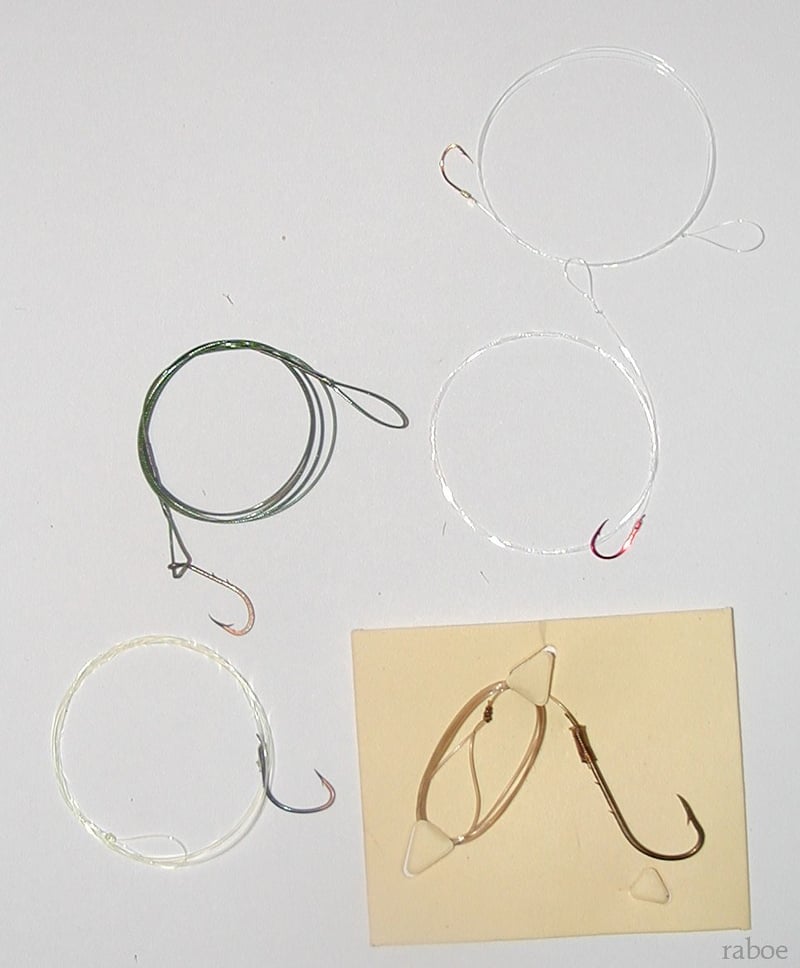
Fishing tackle: hooks, weights, and terminal gearFinesse & subtle

Soft Plastics

Worms, creature baits, stick baits, and swimbaits rigged Texas, wacky, drop-shot, Ned, or Carolina style. When fish are pressured, cold, or in gin-clear water, plastics fished slowly outproduce everything else on the boat.

  • Drop-shot for deep, suspended, or finicky fish
  • Wacky rig falls with an irresistible shimmy

Raboe001 / CC BY-SA 2.5 · Wikimedia Commons

Topwater popper lures lined upLow light · above 60°F

Topwater

Poppers, walking baits, buzzbaits, and frogs that stay on the surface. Least efficient in raw numbers, most exciting in every other respect. Wait until you feel the weight of the fish before you set — setting on the splash pulls the bait away.

  • Dawn, dusk, night, and overcast
  • Frogs are the only real option over matted slop

Stalane / CC BY-SA 3.0 · Wikimedia Commons

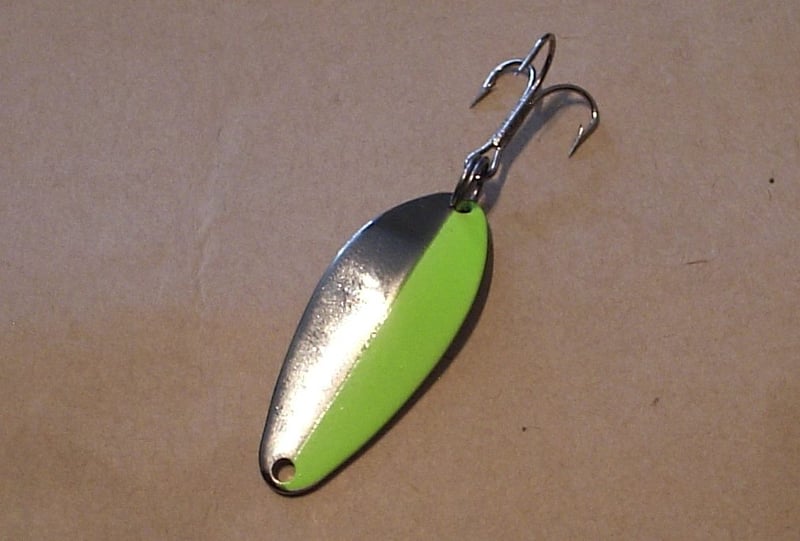
Casting spoon lure showing its curved metal bodyVertical & long-cast

Spoons

Curved metal that wobbles on the fall and flashes on the lift. Casting spoons cover water for pike, trout, and salmon; jigging spoons fish vertically for deep walleye, lake trout, and ice-season panfish.

  • Excellent in cold water
  • Use a swivel — spoons twist line badly

Hubert Derus / CC BY 2.5 · Wikimedia Commons

Casting spoon lure showing its curved metal bodyStreams & panfish

Inline Spinners

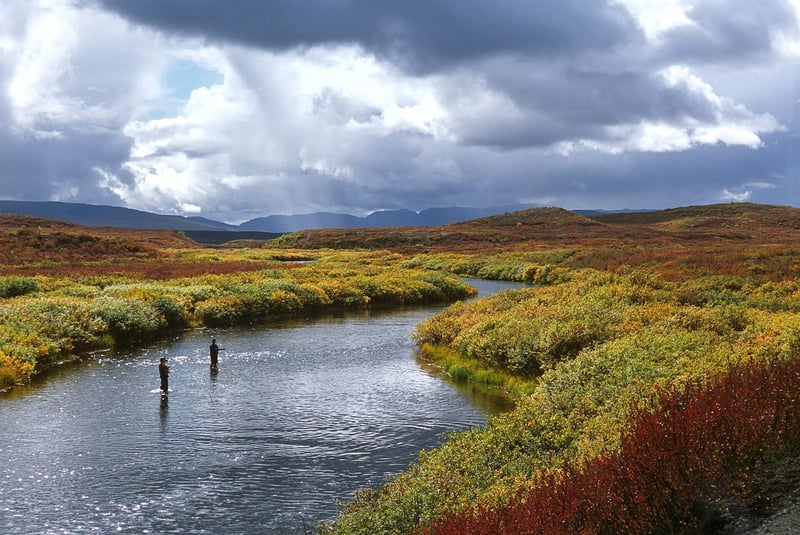
A blade that spins around a straight wire shaft. The simplest lure ever made and still the best trout and smallmouth bait in moving water. Cast up and across the current and let it swing down through the seam.

  • Sizes 0–2 for trout, 3–5 for pike and bass
  • Best 48–68°F

Hubert Derus / CC BY 2.5 · Wikimedia Commons

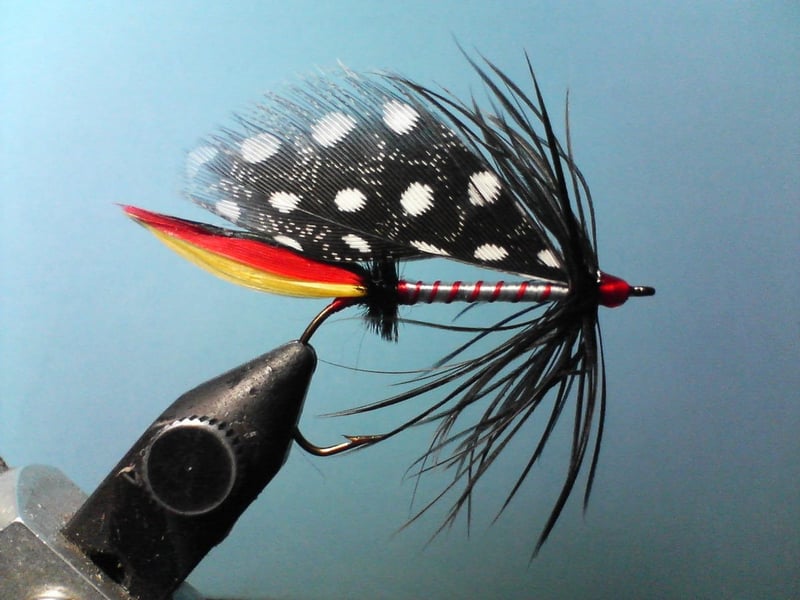
Hand-tied bass flyMatch the hatch

Flies & Micro Baits

Dries, nymphs, streamers, and poppers presented on a fly rod or behind a casting bubble. When fish are keyed on a specific insect stage, nothing else works — profile and drift matter far more than color.

  • Nymphs account for the majority of trout feeding
  • Streamers get the biggest browns

Mike Cline / Public domain · Wikimedia Commons

03

Lure selection by water temperature

Temperature is the most reliable single predictor of what fish will chase. Take the reading at your first cast.

Water tempFish behaviorThrow this
Under 45°FNearly dormant, deep, minimal chaseBlade bait, jigging spoon, hair jig — slow, vertical
45–55°FFeeding in short windows, sluggishSuspending jerkbait with long pauses, slow-rolled spinnerbait
55–65°FPre-spawn feeding, moving shallowSquarebill crankbait, lipless crank, swim jig
65–75°FPeak activity, aggressiveTopwater at low light, crankbait, spinnerbait, jig
75–85°FDeep or in shade by middayDeep crank, drop-shot, frog over cover, night topwater
Over 85°FStressed, low oxygen, early morning onlyFinesse plastics deep, current seams, or fish at dawn
Casting spoon lure showing its curved metal body
Hubert Derus / CC BY 2.5 · Wikimedia Commons

04

Color by water clarity

ClarityPrimary colorsReason
Clear (4 ft+ visibility)Natural shad, green pumpkin, ghost, translucentFish can inspect the bait — realism wins
Lightly stainedWhite, chartreuse-shad, sexy shadEnough contrast to be seen, enough realism to be eaten
Heavily stainedChartreuse, firetiger, orangeLong-wavelength colors persist deepest in tannic water
MuddyBlack, black-blue, junebugSilhouette beats color; add vibration and sound
NightBlack or dark purpleStrongest outline against a moonlit surface
Fishing tackle: hooks, weights, and terminal gear
Raboe001 / CC BY-SA 2.5 · Wikimedia Commons

05

A repeatable process for picking a lure at the ramp

  1. 1Take the water temperature and note the clarity — how deep can you see a light-colored lure?
  2. 2Pick the category from the temperature table above. That is your starting bait.
  3. 3Pick the color from the clarity table. Do not overthink it; contrast is the whole point.
  4. 4Fish it for twenty minutes across three depths — shallow cover, the first drop, and the deeper flat.
  5. 5If you get follows but no eats, downsize the profile or slow the retrieve. If you get nothing at all, change depth before you change lures.
  6. 6Once you get a bite, note the depth, speed, and cover type — then repeat that exact combination the rest of the day.
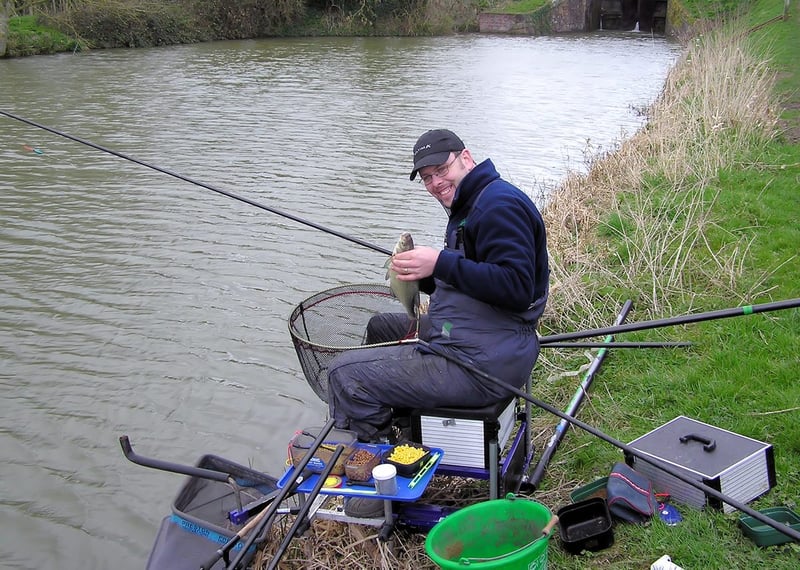
Bank angler fishing a still canal at dusk
Adrian Pingstone (Arpingstone) / Public domain · Wikimedia Commons

Questions

Frequently asked

What lure should I start with if I only buy one?
A 3–4 inch soft plastic stick bait rigged weightless or wacky-style. It catches bass, pike, walleye, and even trout, it is nearly weedless, it works at any depth, and it requires no skill beyond casting and waiting.
What lure color should I use?
Water clarity decides it. Clear water: natural — shad, green pumpkin, translucent. Stained: chartreuse, white, or firetiger for contrast. Muddy: black or dark blue, which throw the strongest silhouette against whatever light gets through.
When should I use topwater?
Low light and warm water. Dawn, dusk, night, and overcast days from late spring through early fall, when the surface is calm to lightly rippled and water temperature is above about 60°F. Flat calm midday sun is the worst topwater condition.
How fast should I retrieve a lure?
Let water temperature set the pace. Below 50°F, retrieve so slowly it feels wrong, with long pauses. From 55–70°F use a moderate steady pace. Above 70°F fish can chase, so speed up and cover water until you find an active group.
Do expensive lures catch more fish?
Rarely. Price buys better hooks, more consistent action, and durable finishes — real advantages over a season. But lure choice, depth, and retrieve speed matter enormously more than brand. Upgrade the hooks on cheap crankbaits and you close most of the gap.


Also on The Wild10

Hunting Guides

Same field-tested approach, applied to game species, rifles, shotguns, and bows — from scouting through meat care.

Open the hunting hub →
Hardwood forest in peak autumn color