- Which fish should a beginner target first?
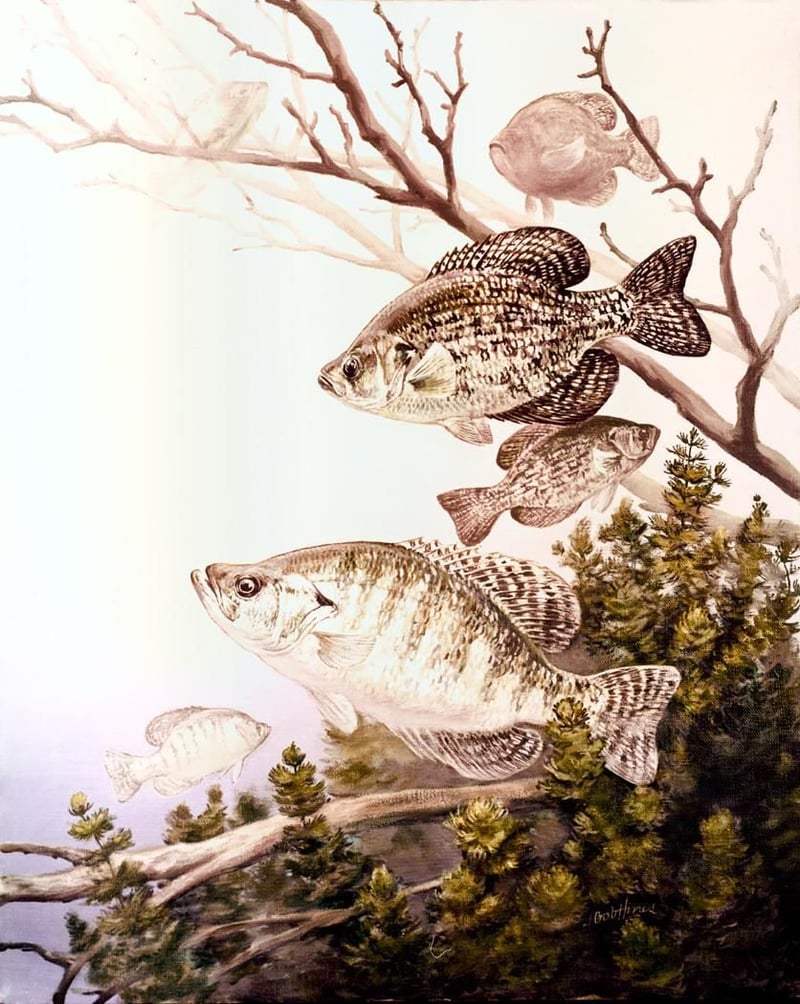
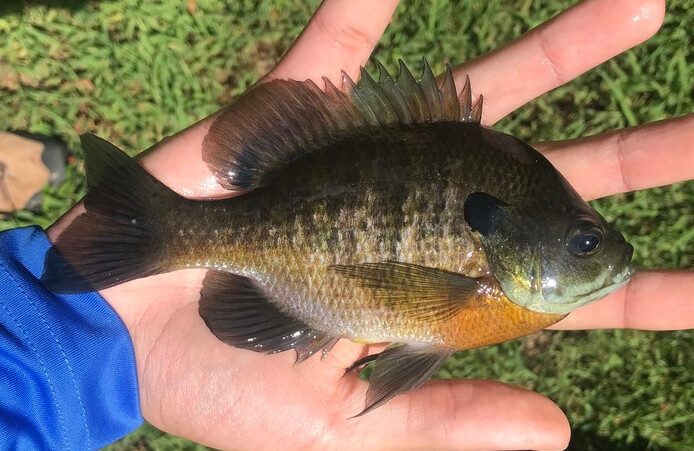
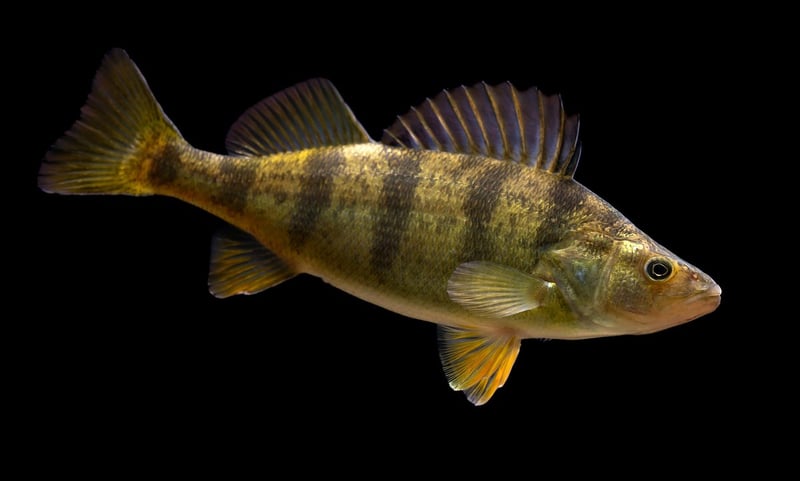
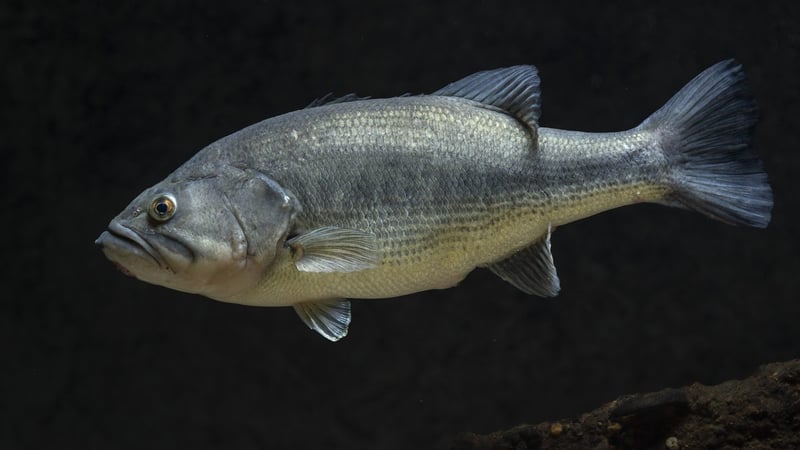
- Bluegill and other panfish. They are everywhere, they bite through the whole warm season, they feed close to shore, and a $30 spinning combo with a bobber and a piece of worm is genuinely the right tackle. Once you can find bluegill reliably, crappie, largemouth bass, and yellow perch all follow the same logic.
- Do I need a license to fish?
- In almost every state and province, yes, for anglers over a set age — usually 16. Saltwater often requires a separate registration or license, and trout and salmon frequently need an additional stamp. Licenses fund the hatcheries and access sites you are using, and they are cheap.
- What one rod covers the most species?
- A 6'6" to 7' medium-power, fast-action spinning rod with a 2500-size reel and 10 lb braid to a fluorocarbon leader. That combination will handle panfish, trout, walleye, smallmouth, largemouth, and light inshore fishing without feeling badly outmatched.
- When is the best time of day to fish?
- The first two hours of light and the last two before dark, in most seasons, for most species. The exceptions matter though: walleye and catfish often feed hardest after full dark, and winter fish frequently bite best in the warmest part of the afternoon.
- How do I release a fish so it survives?
- Keep it in the water, wet your hands, support the belly, use pliers to back the hook out, skip the long photo session, and revive it facing into current until it swims off under its own power. Deeply hooked fish survive better if you cut the line at the hook than if you dig for it.
- Which of these fish are best on the table?
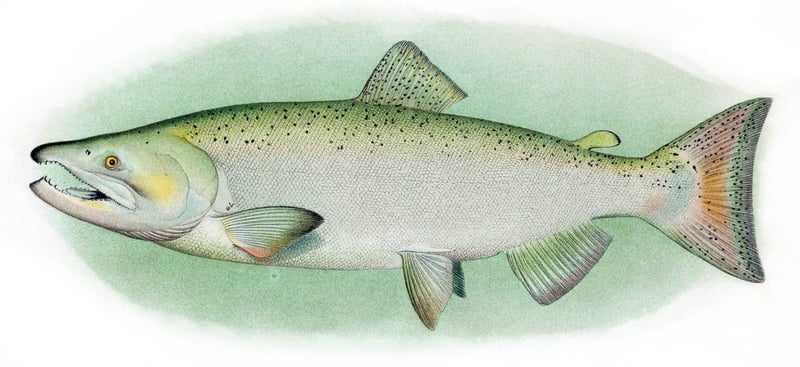
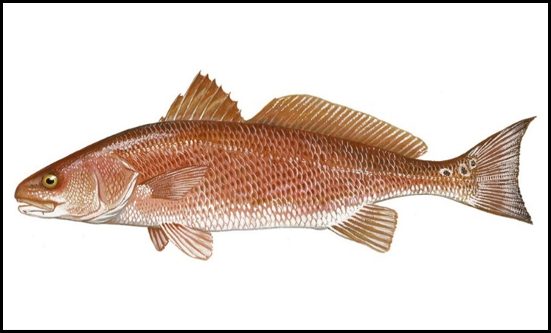
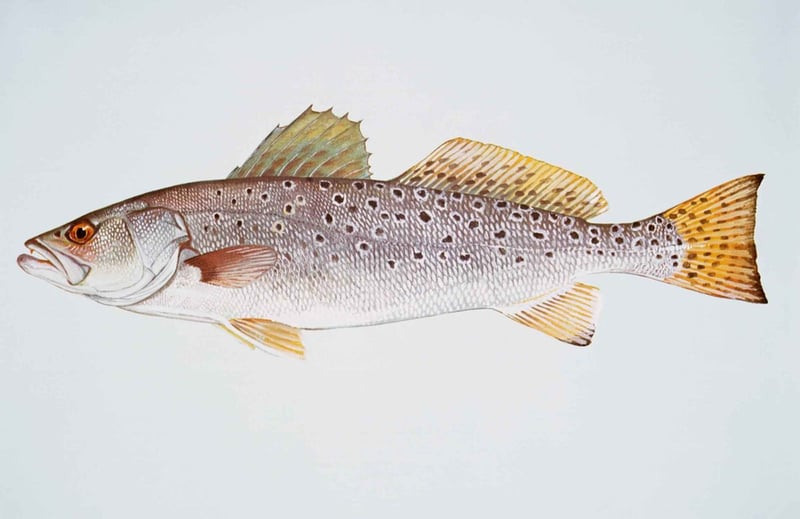
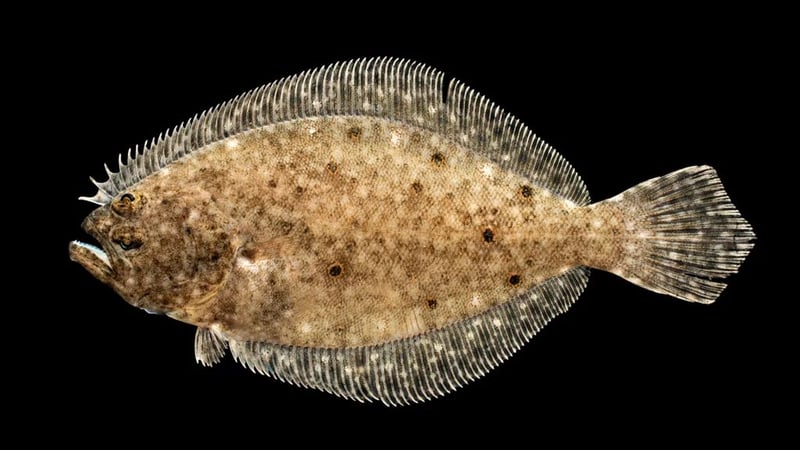
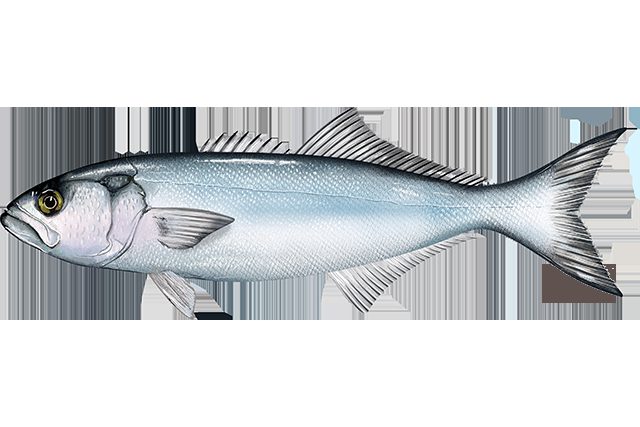
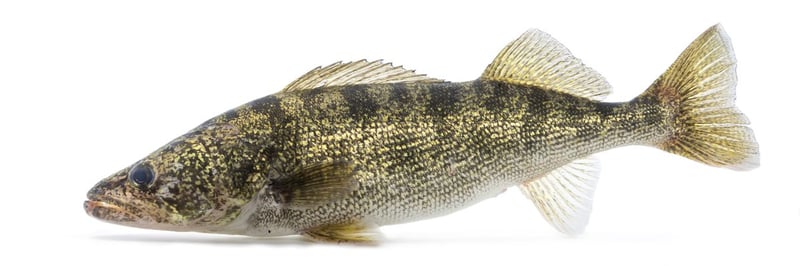
- Walleye, yellow perch, crappie, and bluegill are the classic freshwater table fish. Flounder, red drum under the slot, and spotted seatrout lead inshore saltwater. Bluefish and salmon are excellent fresh but need immediate icing and bleeding to be at their best.



 Basic state license, no draw