



Reader rating
Rate it and you move it. Community ratings re-rank this product inside its Top 10 list.
Expert-picked, reader-ranked. Our editors choose the products and the launch order; member star ratings move picks up or down over time.
Scusset Beach State Reservation sits on the mainland side of the Cape Cod Canal's eastern terminus, fronting the cold waters of Cape Cod Bay. This spot offers a dual personality: foot casters can fish the wide, sandy bay beach, walk out along the massive stone breakwater that protects the canal entrance, or step onto the canal's north service road to target the canal current directly. Access is simple via the state reservation parking lot, which provides direct access to paved paths leading to the stone jetty and beach. The jetty extends hundreds of yards into the bay. When the canal tide is dropping east into Cape Cod Bay, it shoots a massive plume of nutrient-rich water and bait out past the breakwater, forming a giant back-eddy along Scusset Beach where large bass stack up. Heavy bucktails, wooden needlefish, and large soft plastics thrown from the jetty into the main flow or cast along the beach wash work well. The sandbar structure immediately north of the jetty creates a protected trough that can produce blitzing bass when bunker schools get pinned against the rocks on a rising tide. **Highlights** - Target species: Striped bass, bluefish, and winter flounder in season - Structure: Massive granite breakwater, canal back-eddies, and open sand flats - Access: Large paved state park parking lot with direct ramp to the breakwater - Wind advantage: Highly fishable during southerly winds that blow out south-facing beaches - Ideal tide: East-flowing (ebb) canal tide pushing into Cape Cod Bay **Watch-outs** - Walking the uneven granite blocks of the long breakwater requires sure footing and cleated footwear - Heavy boat traffic in the canal shipping channel creates massive wakes that wash over low jetty rocks - Massachusetts State Park parking fees apply during the peak season
Pros
- Deep shipping channel water accessible directly from foot-friendly stone access
- Reliable food-rich eddy forms on every east-running canal ebb tide
- Provides sheltered casting conditions during hard south or southwest winds
- Options to fish either heavy jetty structure or open sandy surf troughs
Cons
- Wet granite stones are exceptionally slick and demand spiked footwear
- Dangerous ship wakes can surge unexpectedly over the lower breakwater rocks
- Summer parking fees apply and beach crowds swell during warm daylight hours
Best uses
- Night tides during southwest blows
- Deep-water bucktailing on canal ebbs
- Autumn bunker-blitz surf casting
- First-light topwater plug casting
Specifications
- Water Body
- Cape Cod Bay and Canal East End
- Primary Target
- Striped bass and bluefish
- Access Point
- Scusset Beach State Reservation lot
- Required Footwear
- Carbide-cleated soles on rocks
- Prime Current
- East-flowing canal ebb tide
- Active Window
- Late May through late October
Best for
Night tides during southwest blows, Deep-water bucktailing on canal ebbs, Autumn bunker-blitz surf casting, First-light topwater plug casting
Anchoring the mainland side of the Cape Cod Canal's eastern mouth, this junction delivers two distinct fisheries within a five-minute walk. Anglers can work the open sand washes of Scusset Beach State Reservation or step onto the massive granite breakwater that guards the deepwater shipping channel against Cape Cod Bay. The terrain transitions abruptly from fine beach sand to car-sized quarry stone, offering clean footing along the sand spit or an ankle-testing scramble along the rocks. The draw here is pure hydrodynamics. When the canal dumps millions of gallons of water east into the bay on an ebb tide, the current funnels out past the jetty head like a firehose. This blast creates a swirling, food-rich back-eddy along the beach side of the stone arm, trapping schools of menhaden, mackerel, and sand eels. Striped bass patrol the seam between the roiling channel current and the slower bay water, waiting for disoriented bait to sweep past their noses. Unlike the south-facing ocean beaches of the Outer Cape, this corner of the bay stays remarkably fishable during hard summer southwest winds. It is a workhorse location where you can launch heavy bucktails into deep water or wade the trough along the sandbars at midnight, provided you respect the commercial shipping traffic and treacherous wet rock.
Breakwater Dynamics and Structure
The granite breakwater juts hundreds of yards out into open water, functioning as a massive artificial reef. Its submerged flanks are carpeted in kelp, mussels, and rockweed, forming prime hunting grounds for resident fish and staging areas for migratory stripers. Casting from the stones lets surfcasters reach deep, fast water normally accessible only by boat. Long casts into the current rip with four-ounce bucktails, metal-lipped swimmers, or heavily weighted soft plastics are standard practice. Once your offering drops through the water column, you must maintain contact without letting the jig wedge into the rock piles that litter the jetty base. Setting up on the outer third puts you directly over the channel ledge, but you must constantly monitor swell height and tide changes.
Tides, Eddies, and Current
Timing here revolves around the canal current tables rather than the local high and low water marks. The most productive window opens when the canal current turns east, pouring out into Cape Cod Bay. As this torrent pushes past the jetty tip, it curls back toward Scusset Beach, creating a massive counter-clockwise swirl. Bass stage tight against the drop-off inside this eddy, picking off bait pinned against the rock face. Working pencil poppers or large needlefish across the seam where still bay water meets raging canal current produces violent surface strikes at first light. Once the current slacks, the bite usually dies, leaving you a brief respite to re-rig before the west tide begins sucking water back down the ditch.
The Sandy Beach Trough
Anglers often walk straight past the sand to reach the rocks, missing a remarkably productive surf fishery along Scusset Beach itself. Immediately north of the breakwater root, wave action and tidal wash carve a pronounced trough between the beach berm and the outer sandbar. During a rising tide, schools of bunker get trapped in this inner gut, triggering blitzes right in the suds. Standard surf gear shines here. Unweighted soft plastics, swimming plugs like SP Minnows, and surface metal lips fished on ten-foot rods allow you to cover the trough without risking line cuts on rockweed. Night tides on the sand offer quiet, uncrowded fishing, especially when late-summer phosphorescence or baitfish schools show up in the shore wash.
Hazards, Cleats, and Ship Wakes
Fishing the jetty requires extreme physical caution. The granite blocks are irregularly shaped, spaced with deep crevices that can swallow a dropped rod or break an ankle. Closer to the waterline, black algae creates grease-slick surfaces that smooth rubber soles cannot grip. Carbide-spiked wading boots are non-negotiable safety gear here. In addition to slippery stone, large container ships and tugboats transiting the canal displace enormous volumes of water. A fully laden vessel can pull the waterline down several feet before throwing a waist-high rogue surge over the rocks minutes after passing. Keep your head on a swivel, never turn your back on the shipping channel, and step up well above the waterline whenever deep-draft vessels enter the cut.
Access, Seasons, and Regulations
Scusset Beach State Reservation provides paved parking with a ramp connecting directly to the canal service road and jetty path. A daily parking fee is enforced during the peak summer season, though off-hours and shoulder-season access are generally unrestricted. The fishing season opens in late May as sea-run bass push north, peaking through June when schools of adult menhaden enter the bay. July and August can turn slow during daylight, shifting the action to dead-of-night tides or foul-weather fronts. The autumn run from September into mid-October brings aggressive blitzes as migrating fish chase peanut bunker along the jetty. All anglers sixteen and older must hold a valid Massachusetts saltwater recreational fishing permit and adhere strictly to current slot-limit regulations.
How we chose
We built this ranking from land-manager and agency sources, permit records and published trip reports. Each of the 10 places was compared against the same criteria below. This is desk research unless a pick is marked field tested.
- Quality of the terrain
- Landscape, route variety, and whether the place rewards multiple days rather than one overlook.
- Season and weather windows
- How long the reliable window is, and how badly the shoulder seasons punish a bad forecast.
- Access and permits
- Trailhead logistics, permit odds, quotas, and how much lead time a trip realistically takes.
- Solitude vs. crowding
- How far you have to walk before the place feels like wilderness instead of a queue.
- Wildlife and ecology
- What you can reasonably expect to see, and what you have to plan around.
- Risk and skill required
- Navigation, water crossings, exposure, and rescue distance — stated plainly.
Scusset Beach and the East End Jetty — frequently asked questions
- Is Scusset Beach and the East End Jetty worth the trip?
- We rank it #9 in Top 10 Cape Cod Bass Surf Spots. Scusset Beach State Reservation sits on the mainland side of the Cape Cod Canal's eastern terminus, fronting the cold waters of Cape Cod Bay. This spot offers a dual personality: foot casters can fish the wide, sandy bay beach, walk out along the massive stone breakwater that protects the canal entrance, or step onto…
- Who is Scusset Beach and the East End Jetty best for?
- Best for night tides during southwest blows, deep-water bucktailing on canal ebbs, autumn bunker-blitz surf casting and first-light topwater plug casting. Standouts: deep shipping channel water accessible directly from foot-friendly stone access and reliable food-rich eddy forms on every east-running canal ebb tide.
- What are the drawbacks of Scusset Beach and the East End Jetty?
- Wet granite stones are exceptionally slick and demand spiked footwear, Dangerous ship wakes can surge unexpectedly over the lower breakwater rocks and Summer parking fees apply and beach crowds swell during warm daylight hours.
- What are the key details for Scusset Beach and the East End Jetty?
- Water Body: Cape Cod Bay and Canal East End · Primary Target: Striped bass and bluefish · Access Point: Scusset Beach State Reservation lot · Required Footwear: Carbide-cleated soles on rocks · Prime Current: East-flowing canal ebb tide
- Breakwater Dynamics and Structure — what should I know about the Scusset Beach and the East End Jetty?
- The granite breakwater juts hundreds of yards out into open water, functioning as a massive artificial reef. Its submerged flanks are carpeted in kelp, mussels, and rockweed, forming prime hunting grounds for resident fish and staging areas for migratory stripers.
- Tides, Eddies, and Current — what should I know about the Scusset Beach and the East End Jetty?
- Timing here revolves around the canal current tables rather than the local high and low water marks. The most productive window opens when the canal current turns east, pouring out into Cape Cod Bay.
Where on earth
Satellite imagery flying in from a world view to Scusset Beach and the East End Jetty, Massachusetts, United States. Use the + / − buttons, or click the map to zoom with your scroll wheel; drag to pan and pinch to zoom on touch.
Scusset Beach Rd, Massachusetts, USA · 41.776, -70.519
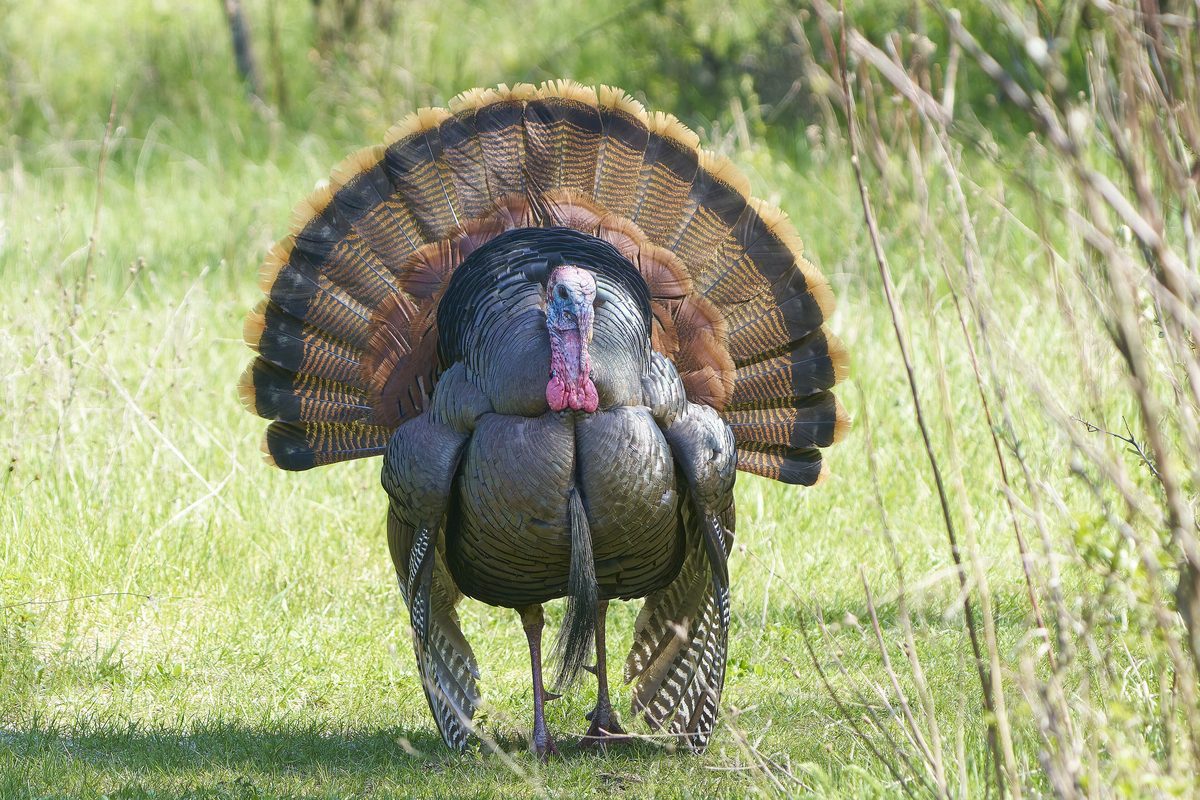
Wildlife found around Scusset Beach and the East End Jetty





Compare side by side
Put the Scusset Beach and the East End Jetty against any other pick on this list — specs, price, pros, cons and reader ratings.