



Reader rating
Rate it and you move it. Community ratings re-rank this product inside its Top 10 list.
Expert-picked, reader-ranked. Our editors choose the products and the launch order; member star ratings move picks up or down over time.
Peak spring wildflower season — over 1,500 flowering plant species.
Pros
- World-class spring ephemeral wildflower displays across lower and mid-elevation coves
- Peak early-season wildlife viewing with active black bears and reintroduced elk
- No general park entrance fee required for highway driving and scenic passes
- Expansive network of more than 800 miles of maintained backcountry footpaths
Cons
- Extreme weather volatility with frequent cold soaking rains and high-elevation freezes
- Severe vehicle traffic around Cades Cove and Newfound Gap on mild weekends
- Mandatory parking permits and competitive backcountry shelter reservations
Best uses
- Spring botanical day hikes
- Early-season shoulder backpacking
- Dawn wildlife photography
- Strenuous ridge-line trail running
Specifications
- Total Area
- 522,427 acres
- Highest Elevation
- 6,643 feet (Clingmans Dome)
- Wildflower Peak
- Mid to late April
- Parking Fee
- Tag required for stops over 15 minutes
- Backcountry Access
- Advance permit required for all sites
- Average Rainfall
- 4 to 7 inches in April
Best for
Spring botanical day hikes, Early-season shoulder backpacking, Dawn wildlife photography, Strenuous ridge-line trail running
Straddling the ancient spine of the southern Appalachians between North Carolina and Tennessee, Great Smoky Mountains National Park sheds winter at lower elevations by mid-spring while high ridges linger in cold mist. April marks a dramatic transition. Deciduous hollows fill out in pale greens, mountain streams run bank-full from snowmelt, and one of the planet's densest ephemeral displays blankets the forest floor. With over 800 square miles of protected ridgelines, deep coves, and temperate rainforest pockets, terrain ranges from lush alluvial riverbanks at 875 feet to wind-battered spruce-fir caps topping out above 6,600 feet at Clingmans Dome. Visiting now means hitting the park during its absolute peak for botanical diversity. More than 1,500 species of flowering plants find shelter in these hollows, kicking off early-season blooms like trillium, bloodroot, and fringed phacelia before the tree canopy closes out sunlight. Black bears shake off winter torpor, moving along creek drainages, and synchronous firefly larvae emerge in damp soils. The trade-off is mercurial Southern Appalachian weather. April delivers warm, idyllic valley afternoons alongside sudden sub-freezing cold snaps and torrential downpours at elevation. It is a temperamental, wet shoulder season that demands real layering, but few public lands match its raw vitality.
Terrain and Elevation Gradients
The Smokies are defined by brutal verticality softened by dense, ancient foliage. Narrow hollows rise steeply into razorback ridges, carving thousands of drainage channels across the state line. Because the elevation spans nearly 6,000 vertical feet, hiking here in April feels like traversing several distinct ecological zones in a single afternoon. Deep cove hardwood forests at the base give way to northern hardwoods, followed by high-elevation Southern Appalachian spruce-fir forests along the crest. Footpaths are notoriously rocky and webbed with slick tree roots, frequently saturated by constant seepage. Crossing high ridges demands sure footing, especially where the Appalachian Trail skirts exposed cliffs near Charlies Bunion. Stream crossings in April require vigilance; spring runoff swells calm tributary creeks into knee-deep, fast-moving torrents within hours of an unforecasted mountain thunderstorm.
The April Bloom Window
April is the marquee month for botanists and woodland hikers tracking the spring ephemeral bloom. These low-lying wildflowers race against time, blooming and setting seed before the towering canopy of tulip poplars, oaks, and buckeyes leaves out and blocks the sun. Coveted trails like the Chestnut Top Trail, Porters Creek, and the Deep Creek area become carpeted with white and yellow trillium, Dutchman's breeches, hepatica, and wild geranium. The park's annual Spring Wildflower Pilgrimage occurs around this window for good reason: the concentration of biodiversity here rivals any temperate biome on Earth. However, the timing is delicate. A harsh late frost can scorch blossoms at mid-elevations, while sheltered coves maintain microclimates that preserve delicate petals through erratic temperature swings.
Wildlife Movement and Caution
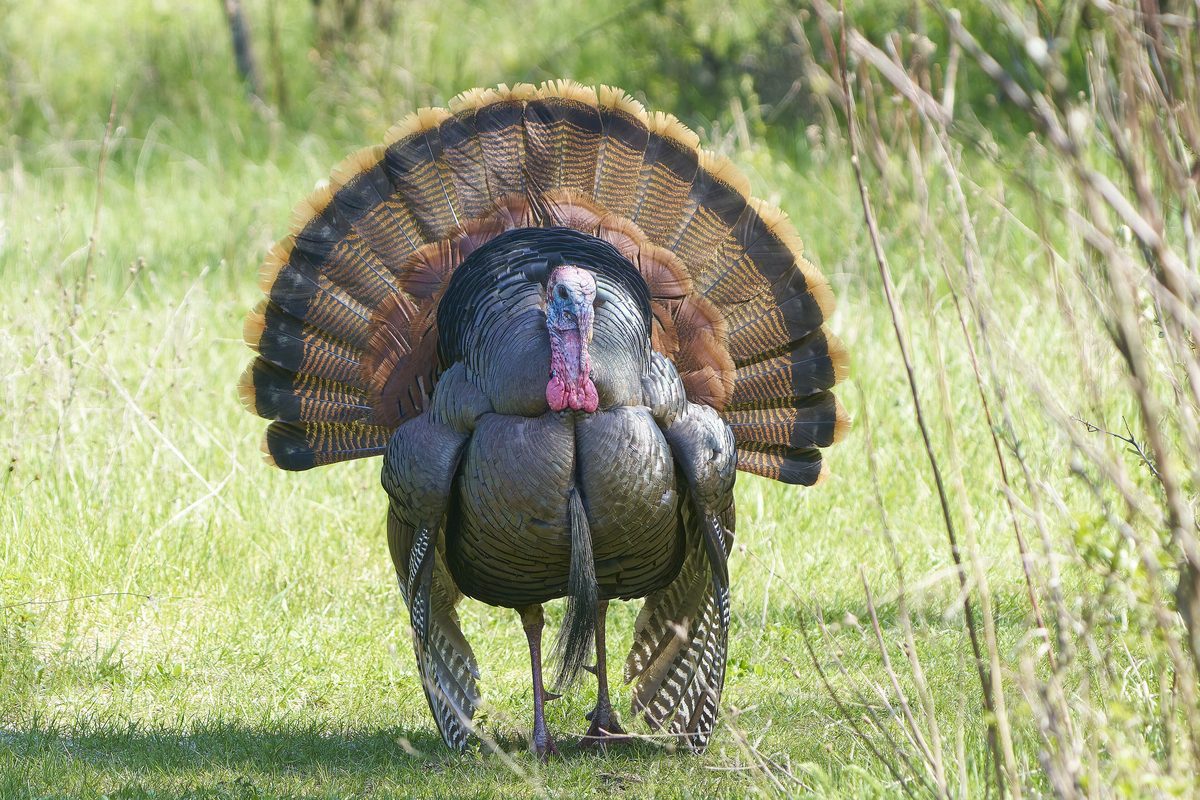
Spring brings the park's dense black bear population out of winter dens to forage along valley floors, road shoulders, and alluvial meadows. Cades Cove and Cataloochee Valley offer the most reliable early-morning and dusk sightings, where greening grasses draw bears, wild turkeys, and growing herds of reintroduced elk. With new cubs on the ground by April, maintaining a strict 50-yard buffer is mandatory for safety and park compliance. Beyond the megafauna, the Smokies hold the title of Salamander Capital of the World. Lungless salamanders emerge beneath damp logs and creek stones across the damp April leaf litter. Birders also track the early arrivals of neo-tropical migratory warblers moving through mountain passes. The high wildlife activity makes bear-safe food storage non-negotiable across every frontcountry campground and backcountry shelter.
Backcountry Permits and Parking Rules
Unlike many crown-jewel national parks, the Smokies do not charge an entrance fee, honoring a historic deed restriction. However, the park implemented a mandatory parking tag system to fund trail maintenance and infrastructure. Any vehicle parked for more than fifteen minutes requires a daily, weekly, or annual pass, purchased online or at visitor centers. Backcountry camping is strictly regulated and requires advance reservations with fixed itineraries. Hikers along the Appalachian Trail corridor must stay in designated stone shelters, sharing space and adhering to bear-cable protocols for pack storage. Backcountry permits open thirty days in advance and fill quickly for prime weekend spots along popular loops. Frontcountry campgrounds like Elkmont and Smokemont also see heavy reservations beginning in April as seasonal loops reopen.
Route Selection and Crowds
Balancing solitude against iconic scenery in America's most-visited national park requires deliberate route choices, especially once spring travelers arrive. Major arterial roads such as Newfound Gap Road and the Cades Cove Loop experience bumper-to-bumper congestion by mid-morning on clear April weekends. To bypass gridlock, route toward less-publicized trailheads in the Greenbrier, Cosby, or Big Creek sectors. Routes like Mount Cammerer via the Low Gap Trail offer intense physical climbs through pristine old-growth pockets, culminating in a historic stone fire tower with 360-degree views without the suffocating crowds of Clingmans Dome. If hiking popular waterfall spurs like Laurel Falls or Alum Cave to Mount LeConte, start at dawn. Early boots on the trail avoid parking lot closures and let you experience the forest before tour groups arrive.
Unforgiving Weather Hazards
The sheer volume of precipitation is the defining hazard of early-season trips in the Smokies. Rainfall averages over 80 inches annually along the high crest, rivaling Pacific Northwest rain forests, and April frequently dishes out cold, multi-day soaking fronts. Hypothermia is a documented threat even when lowland towns like Gatlinburg or Cherokee hit 65 degrees Fahrenheit; high ridges can simultaneously drop into the low thirties with driving rain, freezing fog, or late-season snow flurries. Cotton clothing is a liability in these conditions. Pack fully waterproof outer shells, synthetic or wool base layers, and maintain dry backup layers in waterproof dry bags inside your pack. Expect slick timber boardwalks, mud-churned trail troughs, and fast-changing conditions that can quickly turn a moderate day hike into a test of gear and endurance.
How we picked
We built this ranking from trip reports, agency data, permit records, and our editors' own time on the ground. 10 places made the final cut out of a much longer working list, and each one had to clear the same set of criteria before it earned a spot.
- Quality of the terrain
- Landscape, route variety, and whether the place rewards multiple days rather than one overlook.
- Season and weather windows
- How long the reliable window is, and how badly the shoulder seasons punish a bad forecast.
- Access and permits
- Trailhead logistics, permit odds, quotas, and how much lead time a trip realistically takes.
- Solitude vs. crowding
- How far you have to walk before the place feels like wilderness instead of a queue.
- Wildlife and ecology
- What you can reasonably expect to see, and what you have to plan around.
- Risk and skill required
- Navigation, water crossings, exposure, and rescue distance — stated plainly.
Great Smoky Mountains National Park — frequently asked questions
- Is Great Smoky Mountains National Park worth the trip?
- We rank it #1 in US Destinations in April. Peak spring wildflower season — over 1,500 flowering plant species.
- Who is Great Smoky Mountains National Park best for?
- Best for spring botanical day hikes, early-season shoulder backpacking, dawn wildlife photography and strenuous ridge-line trail running. Standouts: world-class spring ephemeral wildflower displays across lower and mid-elevation coves and peak early-season wildlife viewing with active black bears and reintroduced elk.
- What are the drawbacks of Great Smoky Mountains National Park?
- Extreme weather volatility with frequent cold soaking rains and high-elevation freezes, Severe vehicle traffic around Cades Cove and Newfound Gap on mild weekends and Mandatory parking permits and competitive backcountry shelter reservations.
- What are the key details for Great Smoky Mountains National Park?
- Total Area: 522,427 acres · Highest Elevation: 6,643 feet (Clingmans Dome) · Wildflower Peak: Mid to late April · Parking Fee: Tag required for stops over 15 minutes · Backcountry Access: Advance permit required for all sites
- Terrain and Elevation Gradients — what should I know about the Great Smoky Mountains National Park?
- The Smokies are defined by brutal verticality softened by dense, ancient foliage. Narrow hollows rise steeply into razorback ridges, carving thousands of drainage channels across the state line.
- The April Bloom Window — what should I know about the Great Smoky Mountains National Park?
- April is the marquee month for botanists and woodland hikers tracking the spring ephemeral bloom. These low-lying wildflowers race against time, blooming and setting seed before the towering canopy of tulip poplars, oaks, and buckeyes leaves out and blocks the sun.
Where on earth
Satellite imagery flying in from a world view to Great Smoky Mountains National Park, United States. Use the + / − buttons, or click the map to zoom with your scroll wheel; drag to pan and pinch to zoom on touch.
Great Smoky Mountains National Park, United States · 35.613, -83.553
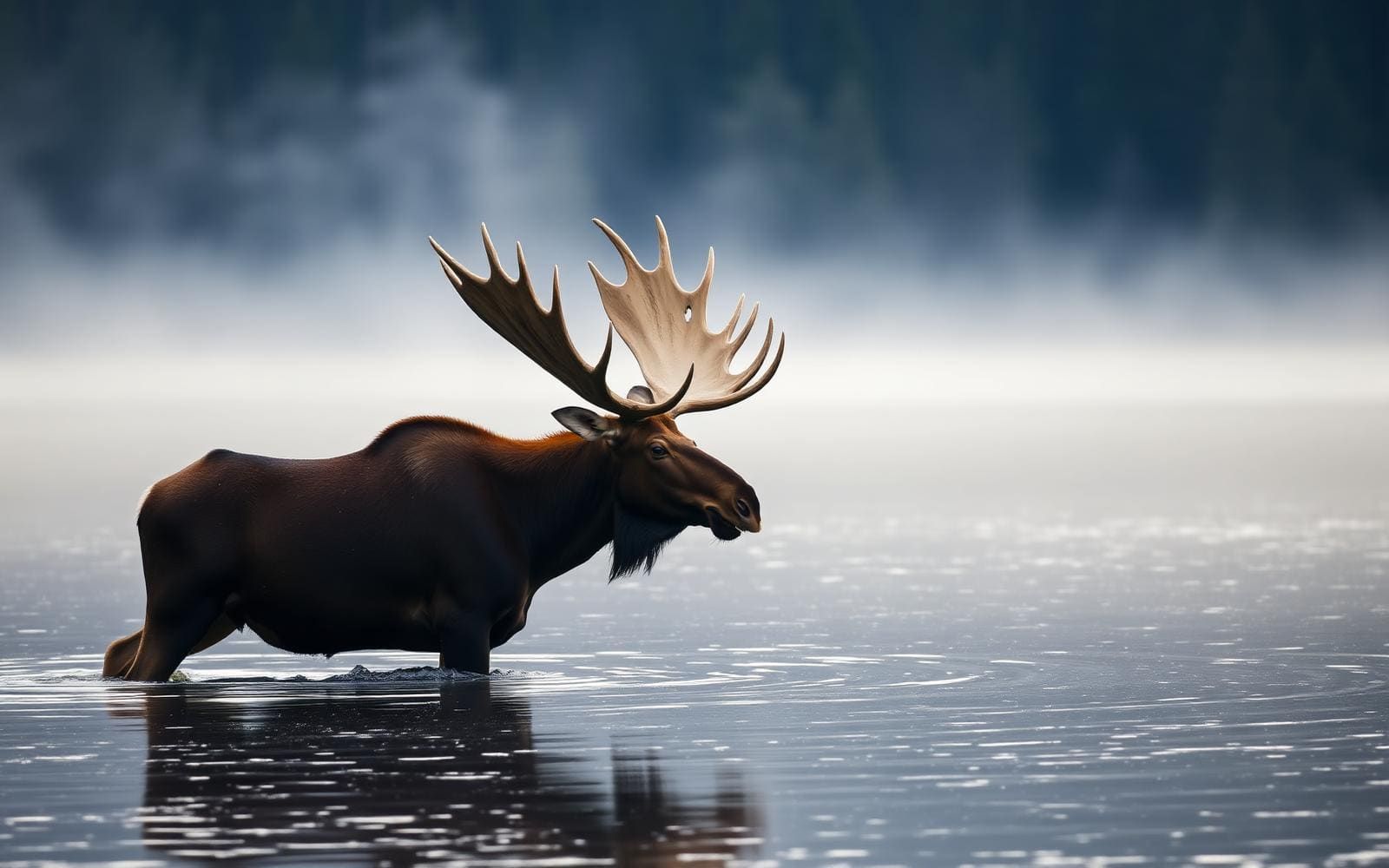
Wildlife found around Great Smoky Mountains National Park




Compare side by side
Put the Great Smoky Mountains National Park against any other pick on this list — specs, price, pros, cons and reader ratings.