


US National Parks · #7
Big Bend
Texas
Reader rating
Rate it and you move it. Community ratings re-rank this product inside its Top 10 list.
Expert-picked, reader-ranked. Our editors choose the products and the launch order; member star ratings move picks up or down over time.
Chihuahuan desert, Rio Grande canyon paddling, and quiet mountain hiking.
Pros
- Unparalleled solitude and vast wilderness
- Incredible diversity of desert, mountain, and river ecosystems
- Stunning night skies with minimal light pollution
- Unique geology and cultural history
- Excellent for experienced, self-reliant adventurers
Cons
- Extreme temperatures and limited water sources
- Remote location requires significant travel planning
- Rough roads often require high-clearance vehicles
- Limited cell service and potential for hazards
Best uses
- Multi-day desert hiking
- Remote river paddling trips
- Winter backpacking
- Stargazing
Specifications
- Location
- West Texas, Chihuahuan Desert
- Primary Terrain
- Desert, mountains, river canyon
- Best Seasons
- Fall, Winter, Spring
- Established
- 1944
- Size
- Over 800,000 acres
- Iconic Feature
- Rio Grande, Chisos Mountains
Best for
Multi-day desert hiking, Remote river paddling trips, Winter backpacking, Stargazing
Big Bend National Park, nestled in the vast Chihuahuan Desert of West Texas, offers a unique backcountry experience unlike any other national park. Its immense size, coupled with its remote location, means true solitude is within reach for those willing to venture beyond the paved roads. The park is defined by a dramatic juxtaposition of high desert, the winding Rio Grande, and the sky island Chisos Mountains. This creates an incredible diversity of ecosystems and terrain, from scorching desert flats to surprisingly cool, pine-oak woodlands at higher elevations. Backcountry travelers here are rewarded with stark beauty, incredible night skies, and a profound sense of isolation. Navigating Big Bend's backcountry requires careful planning and a healthy respect for its extremes. Temperatures can swing wildly, and water sources are scarce, making self-sufficiency paramount. However, for the prepared adventurer, the rewards are immense. Hidden springs, ancient Native American sites, and geological wonders like the iconic Santa Elena Canyon await discovery. The park is also a critical habitat for a variety of desert wildlife, including javelina, black bears, and a stunning array of bird species, particularly along the Rio Grande. Its raw, untamed character is its greatest appeal, providing an authentic taste of the wild American Southwest.
Geography & Terrain
Big Bend is a park of incredible contrasts, encompassing a vast section of the Chihuahuan Desert, the Chisos Mountain range, and 118 miles of the Rio Grande. The desert floor is characterized by arid flats, thorny scrub, and arroyos, while the Chisos Mountains rise dramatically, creating cooler, moister microclimates with forests of pine, oak, and juniper. Along the Rio Grande, a lush riparian corridor cuts through formidable canyons, offering a unique aquatic wilderness experience. This diverse topography provides a huge range of backcountry experiences, from challenging desert traverses to surprisingly verdant mountain hikes and multi-day river trips. Elevation changes are significant, impacting both flora and fauna, and requiring adaptability in planning.
Seasons & Weather Windows
The ideal time for backcountry travel in Big Bend is typically from late fall through early spring (October to April). During these months, daytime temperatures are generally pleasant, ranging from the 60s to 80s Fahrenheit, with cool nights that can drop below freezing in the mountains. Summer (May to September) brings extreme heat, often exceeding 100 degrees Fahrenheit, making strenuous activity dangerous and limiting travel to early mornings or late evenings. Monsoonal rains in late summer can cause flash flooding in desert washes, a serious hazard. Water scarcity is a constant concern, especially in the desert, and carrying ample supplies is critical regardless of the season.
Wildlife Encounters
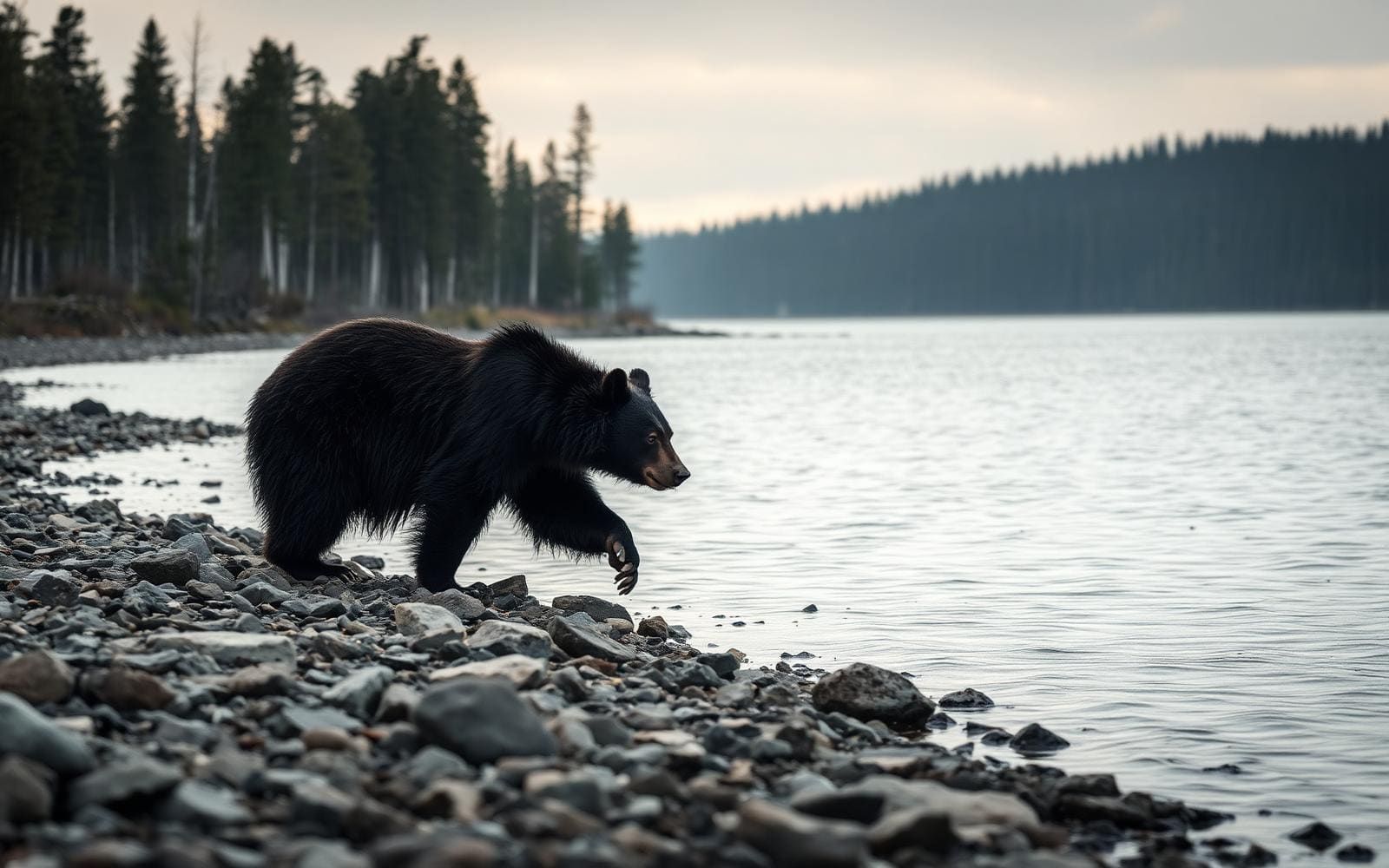
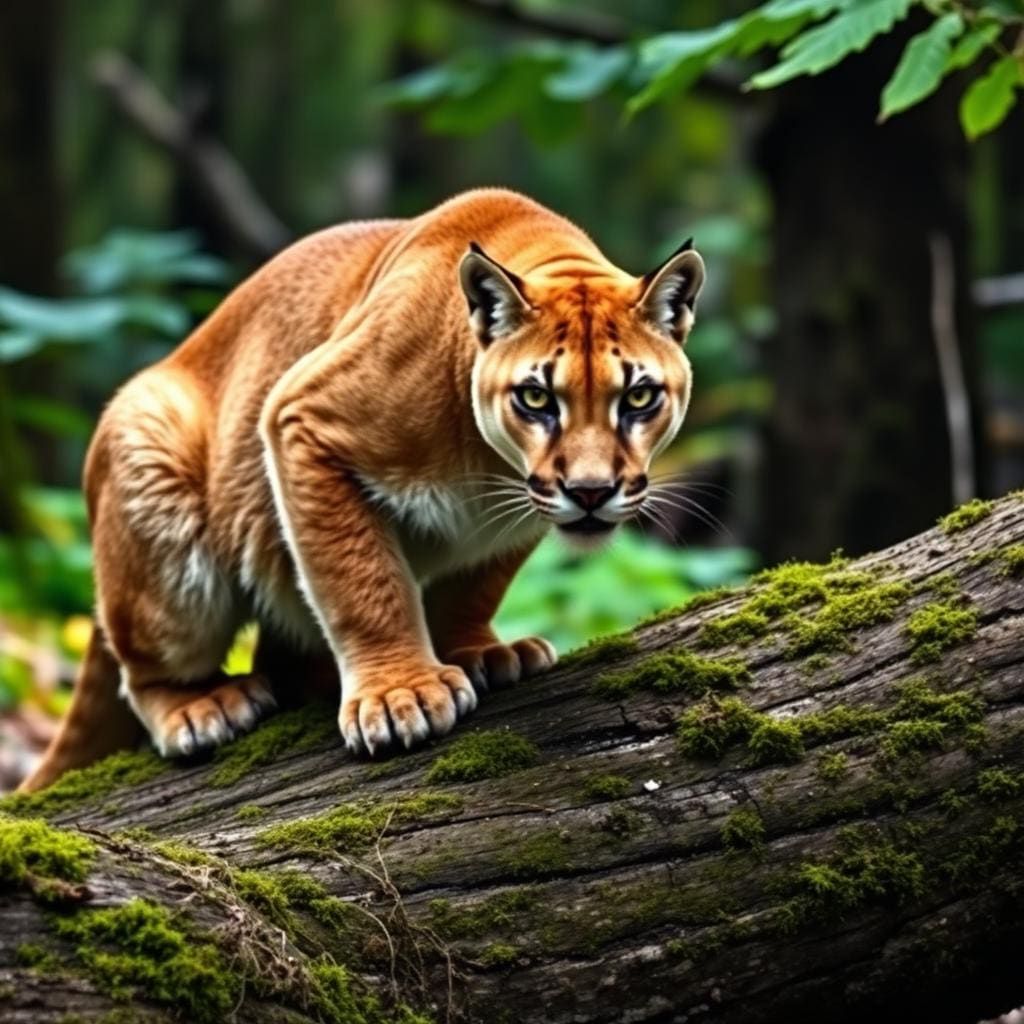
Despite its arid appearance, Big Bend is teeming with life. Common desert inhabitants include javelina, coyotes, and various species of rabbits and rodents. The mountains are home to a stable population of black bears and mountain lions, though sightings are rare. Along the Rio Grande, look for beaver, otters, and a huge diversity of migratory birds. Reptiles and insects, including several venomous species like rattlesnakes and scorpions, are prevalent, especially during warmer months. It's crucial to give all wildlife ample space and store food properly to prevent attracting animals, particularly bears in the Chisos Mountains.
Key Routes & Attractions
Backcountry options are extensive. For desert hiking, the Outer Mountain Loop combines desert and mountain terrain over 25-30 miles, a challenging multi-day trek requiring significant water caches. The Marufo Vega Trail offers stunning canyon views and challenging navigation. In the Chisos Mountains, trails like the South Rim and Emory Peak provide panoramic vistas. For river enthusiasts, multi-day paddling trips through Santa Elena, Mariscal, or Boquillas Canyons on the Rio Grande offer unparalleled remote paddling experiences, though river levels can fluctuate dramatically. Always research current conditions and water availability before committing to any route.
Permits & Access
Backcountry permits are required for all overnight stays in Big Bend National Park. These can be obtained in person at park visitor centers up to 24 hours in advance, or online for specific zones. Designated backcountry campsites (often primitive, without facilities) or zones for dispersed camping are allocated. Access to many backcountry trailheads requires high-clearance, and sometimes 4x4, vehicles, particularly for routes deeper into the desert or along rough park roads. The park's vastness means cell service is almost nonexistent, so reliable navigation tools and a satellite communicator are highly recommended for safety.
Honest Trade-offs
The primary trade-off in Big Bend is its remoteness and the extreme environmental conditions. Crowds are generally not an issue in the backcountry, but the heat, lack of water, and rugged terrain demand a high level of self-sufficiency and experience. Hazards include flash floods, venomous wildlife, and getting lost in an unforgiving landscape. Some popular trailheads can see moderate day-use traffic, but true solitude is easily found deeper in the park. The beauty comes with the requirement for meticulous preparation and a sober assessment of personal limits, as rescue can be a long time coming in this vast, remote wilderness.
How we chose
We built this ranking from trip reports, agency data, permit records, and our editors' own time on the ground. 10 places made the final cut out of a much longer working list, and each one had to clear the same set of criteria before it earned a spot.
- Quality of the terrain
- Landscape, route variety, and whether the place rewards multiple days rather than one overlook.
- Season and weather windows
- How long the reliable window is, and how badly the shoulder seasons punish a bad forecast.
- Access and permits
- Trailhead logistics, permit odds, quotas, and how much lead time a trip realistically takes.
- Solitude vs. crowding
- How far you have to walk before the place feels like wilderness instead of a queue.
- Wildlife and ecology
- What you can reasonably expect to see, and what you have to plan around.
- Risk and skill required
- Navigation, water crossings, exposure, and rescue distance — stated plainly.
Big Bend — frequently asked questions
- Is Big Bend worth the trip?
- We rank it #7 in US National Parks. Chihuahuan desert, Rio Grande canyon paddling, and quiet mountain hiking.
- Who is Big Bend best for?
- Best for multi-day desert hiking, remote river paddling trips, winter backpacking and stargazing. Standouts: unparalleled solitude and vast wilderness and incredible diversity of desert, mountain, and river ecosystems.
- What are the drawbacks of Big Bend?
- Extreme temperatures and limited water sources, Remote location requires significant travel planning and Rough roads often require high-clearance vehicles.
- What are the key details for Big Bend?
- Location: West Texas, Chihuahuan Desert · Primary Terrain: Desert, mountains, river canyon · Best Seasons: Fall, Winter, Spring · Established: 1944 · Size: Over 800,000 acres
- Geography & Terrain — what should I know about the Big Bend?
- Big Bend is a park of incredible contrasts, encompassing a vast section of the Chihuahuan Desert, the Chisos Mountain range, and 118 miles of the Rio Grande. The desert floor is characterized by arid flats, thorny scrub, and arroyos, while the Chisos Mountains rise dramatically, creating cooler, moister microclimates…
- Seasons & Weather Windows — what should I know about the Big Bend?
- The ideal time for backcountry travel in Big Bend is typically from late fall through early spring (October to April). During these months, daytime temperatures are generally pleasant, ranging from the 60s to 80s Fahrenheit, with cool nights that can drop below freezing in the mountains.
Where on earth
Satellite imagery flying in from a world view to Big Bend, Texas, United States. Use the + / − buttons, or click the map to zoom with your scroll wheel; drag to pan and pinch to zoom on touch.
Big Bend, TX, USA · 29.988, -103.729
Wildlife found around Big Bend
Compare side by side
Put the Big Bend against any other pick on this list — specs, price, pros, cons and reader ratings.