Outside river bends
Rivers
The deep, scoured side of a bend with wood in it holds fish all day.
Fishing · Species · Channel Catfish
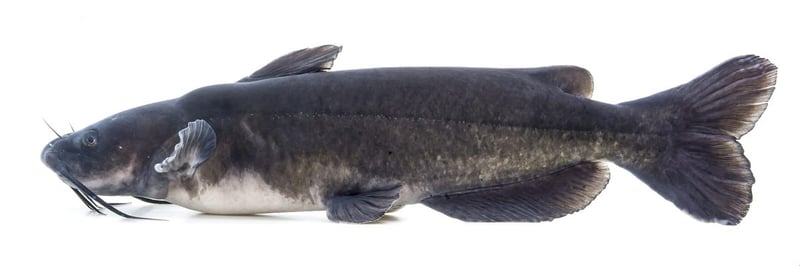
The most available big fish in America, catchable from the bank, at night, with simple gear.
Channel cats are the most democratic gamefish in the country. They live in muddy rivers and clean reservoirs alike, they bite from shore, and a five-pounder on a cheap rod is a genuinely good fight.
They're also smarter than their reputation. Channel cats feed by smell and by lateral line, they move on current and temperature, and they hold on specific structure rather than roaming randomly.
The nighttime bias is real: catfish feed hardest from dusk through midnight in the warm months, and one summer night on a good hole will out-produce a week of daytime effort.
01
Almost every state has good channel cat water. These are the ones known for both numbers and size.
| Water & region | Why it's worth your time | Access & license |
|---|---|---|
| Red River of the North (ND/MN/MB) | Trophy channel cats over 20 lb | State or Manitoba license; heavy catch-and-release culture |
| Mississippi River pools | Endless bank access and current structure | State license; check pool-specific limits |
| Kansas and Nebraska reservoirs | Abundant, well-managed cat fisheries | State license; generous limits |
| Santee Cooper, South Carolina | Big channels alongside blues and flatheads | SC license; guides year-round |
| Farm ponds and city lakes | Stocked catfish within a short drive of most people | Standard license; urban fishing programs stock heavily |
02
Put a smelly bait on the bottom in current-adjacent structure, at night, and wait properly.
03
Channel cats work current edges and scent lanes. Find where food collects and slows down, and you have found the fish.
Rivers
The deep, scoured side of a bend with wood in it holds fish all day.
Flow
Behind wing dams, bridge piers, and log jams, where the drift of food slows and drops.
Summer
Cats move onto shallow 3–8 foot flats after dark to hunt, especially on warm, still nights.
Lakes
The old channel edge running into a flat concentrates fish; anchor upstream and fan baits across it.
Spring
Below dams in high water, cats stack in the slack behind the boil to eat what the current delivers.
04
These are the presentations that consistently produce channel catfish, with the conditions each one is actually for — not a tackle-shop wall.
Best all-around
Fresh cut bait beats prepared bait on almost every water; the fresher, the better.
Numbers
Cheap, scent-heavy, and effective on eater-size fish; use a bait-holder or a scrap of nylon to keep it on.
Warm water
On a ribbed dip worm in summer heat, this out-fishes everything for 1–4 lb fish.
Rivers
Two crawlers on a 2/0 circle hook drifted along a bend works when nothing else is available.
Big fish
For channel cats over ten pounds, a live sunfish under a float near cover is the trophy bait.
Rig
A 1–3 oz no-roll sinker above a swivel and an 18" leader with a 5/0 circle hook holds bottom in current and hooks fish in the corner of the jaw.
05
Channel cats feed by scent and follow warming water. They are catchable year-round but peak from late spring through early fall.
| Season | Where the fish are | What works |
|---|---|---|
| Spring (50–70°F) | Moving into creeks and shallow flats; feeding heavily after winter; below dams on rivers | Cut bait and shad on the bottom in current; nightcrawlers on flats |
| Spawn (70–80°F) | Holes, undercut banks, riprap cavities, and log jams | Fish the edges of spawning cover with punch bait and cut bait; the bite dips briefly |
| Summer | Deep holes by day, shallow flats and riffles by night; below dams and along riprap | Stink/punch baits, cut shad, chicken liver; night fishing at its best |
| Fall | Feeding heavily on flats and in creek mouths as water cools; then deep holes | Cut bait and fresh shad; drift-fishing flats |
| Winter | Deep wintering holes and warm-water discharges | Fresh cut bait held still in the deepest holes; slow, midday bite |
06
Catfish are most active in low light, but they feed all day in stained or moving water.
Best
Channel cats move onto shallow flats, riffles, and sandbars to feed after dark; fish 2–8 ft of water with baits on the bottom.
Transition windows; fish the edges of the holes as cats move in and out.
Fish the deep holes, the shade of bridges, and tailraces; in muddy rivers the midday bite stays strong.
Rising, dirty water after rain triggers the best channel-cat feeding of the year; fish the new current edges and flooded banks.
07
Simple bottom rigs with circle hooks catch more catfish and hook fewer in the gut.
1–3 oz egg or no-roll sinker, bead, swivel, 12–24 in of 20–30 lb leader to a 4/0–6/0 circle hook. The all-purpose catfish rig; let the fish load the rod, then reel — no hookset.
Slip-sinker rig with a 2 in peg float on the leader 3–4 in above the hook, lifting the bait off the bottom for drifting flats.
Three-way swivel, 8–12 in dropper to a bell sinker, 18–24 in leader to a circle hook; for current and rocky bottoms where you can lose the sinker instead of the rig.
Slip float sized to a 1/2–1 oz weight, circle hook, bait set just off the bottom; drift it along riprap and through tailrace eddies.
#4–#6 treble hook with a sponge or dip worm, punched into stink bait and fished on a slip-sinker rig.
08
Fresh, natural, and smelly. Fresh cut bait beats everything for size.
#1
Cast-net your own; a 1-inch chunk or the head on a circle hook. Oily, bloody, and impossible to beat for eating-size and large channels alike.
Numbers
Commercial cheese or blood baits on a treble or dip worm; produces numbers of 1–5 lb fish in summer.
Classic; wrap it in mesh or thread it on a treble so it stays on the hook.
Gob of crawlers on a 2/0 hook in spring; catches everything, including cats.
For bigger channels and any flatheads in the same hole.
09
Channel cats are the most forgiving big fish in freshwater, but the pattern still matters.
10
The simplest license situation in fresh water — but bait and line rules vary more than people expect.
11
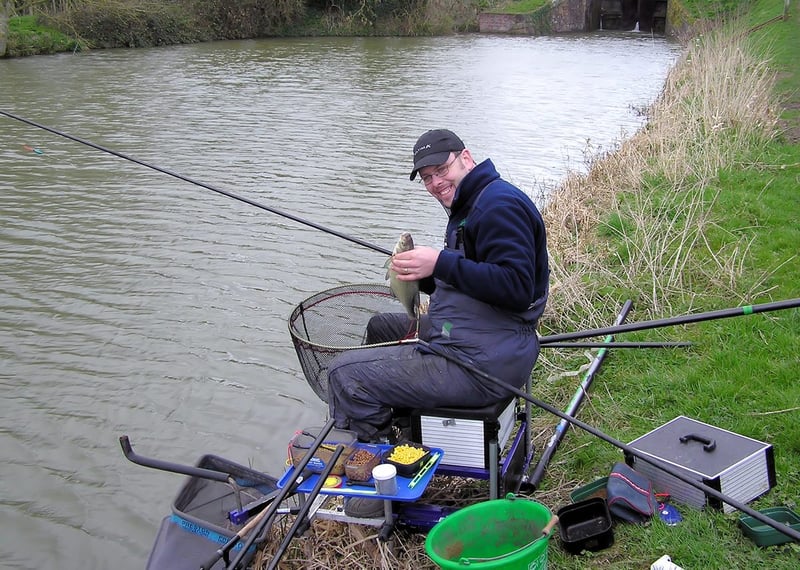
Catfishing is the most relaxed serious fishing there is: a bank, a couple of rods in holders, a lantern, and hours of conversation punctuated by a bent rod.
It's also the most family-friendly big fish in the country — no boat, no expensive tackle, and a very real chance at a fish over ten pounds.
Spring, right after the water hits 60 degrees, and post-rain rising water are the two most reliable bite triggers.
12
The rod, line, and terminal choices that actually change your hookup rate — with the numbers, not vague categories.
Core rod
Enough backbone for a 3 oz sinker and a heavy fish in current.
The clicker lets you fish rods in holders and hear a take.
Best hook
Hooks in the jaw corner, which means better hookups and clean releases.
Match to current; heavy enough to hold, light enough for the fish to move off with the bait.
Cut bait for size, liver and dip bait for numbers.
Night kit
The whole practical difference between a good night and a frustrating one.
13
What happens between the hookset and the cooler decides whether you land the fish and whether it is worth eating.
14
Cleaning a channel catfish the right way takes about four minutes once you know the sequence.
15
Channel catfish is the classic American fry fish — firm, white, mild, and forgiving.
Skin them rather than scaling, remove the dark lateral meat, and soak fillets briefly in cold saltwater or milk if the water was muddy.
Two- to six-pound fish are the best eating; very large fish are better released as breeders.
Cornmeal, hot oil, hush puppies. There is no need to improve on this.
Size limits, creel limits, and seasons are set water by water and change every year. These agencies publish the current rules.
Reservoir catfish forecasts and regulations.
Red River trophy catfish management and limits.
Questions
Where every fishing guide on The Wild10 starts.
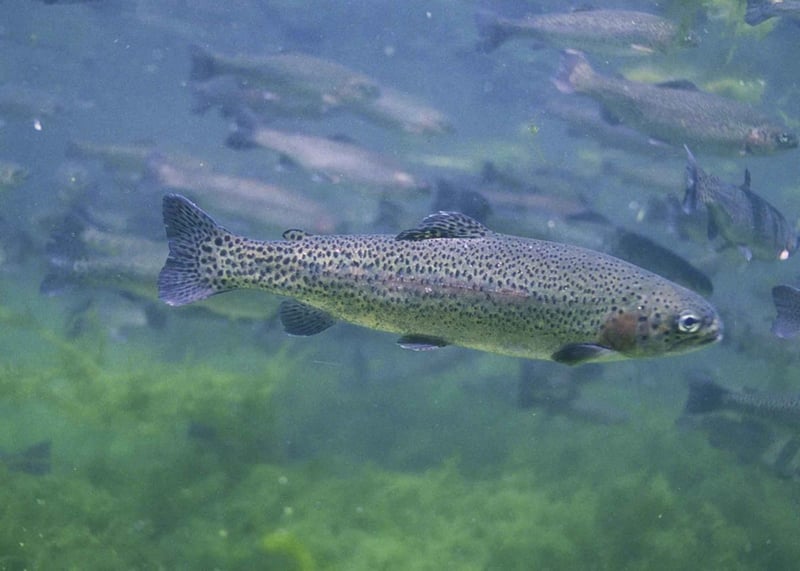
Body shape, fins, mouth, and markings for 30+ North American gamefish.
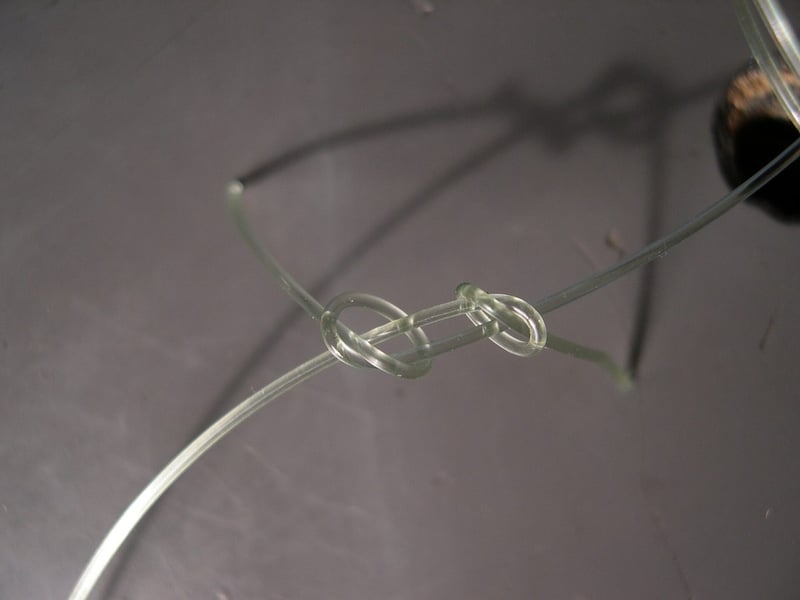
Twelve knots covering every hook, leader, and loop connection you need.
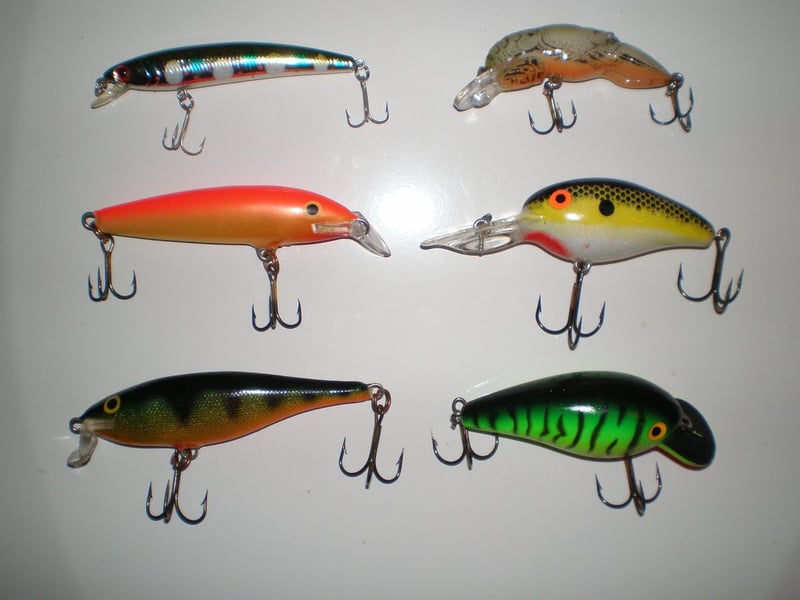
Matching lure category to temperature, clarity, depth, and season.
Reading water, timing the bite, and fixing a slow day on the spot.
Keep going
Tell lookalike species apart by fins, mouth, and markings.
Read →Match lure category to depth, clarity, and water temperature.
Read →The connections that keep big fish attached.
Read →Reading water and fixing a slow day on the spot.
Read →Top 10 lists
Ranked picks with real product photos, specs, and editor notes — the buying side of everything covered in these guides.
Bass, walleye, trout, and panfish rods ranked on feel.
See the ranking →Jig, crank, and heavy-cover rods by blank and taper.
See the ranking →Drag smoothness, line management, and long-haul gears.
See the ranking →Brake systems, backlash control, and drag under load.
See the ranking →Also on The Wild10
Same field-tested approach, applied to game species, rifles, shotguns, and bows — from scouting through meat care.
Open the hunting hub →