


US National Parks · #9
Glacier
Montana
Reader rating
Rate it and you move it. Community ratings re-rank this product inside its Top 10 list.
Expert-picked, reader-ranked. Our editors choose the products and the launch order; member star ratings move picks up or down over time.
Classic Northern Rockies backcountry. Grizzly country and truly wild interior.
Pros
- Unparalleled wilderness immersion in the Northern Rockies
- Stunning alpine scenery with abundant glacial lakes and peaks
- High likelihood of diverse wildlife viewing, including large mammals
- Extensive trail network for multi-day expeditions
- True escape from front-country crowds
Cons
- Highly competitive and difficult to secure backcountry permits
- Short weather window and unpredictable mountain conditions
- Grizzly country requires constant vigilance and preparedness
- Significant elevation gain and strenuous trail conditions
Best uses
- Multi-day backpacking trips
- Experienced wilderness trekkers
- Wildlife photography
- Solitude seekers
Specifications
- Location
- Northern Montana
- Terrain
- Glaciated mountains, alpine meadows, dense forests
- Dominant Wildlife
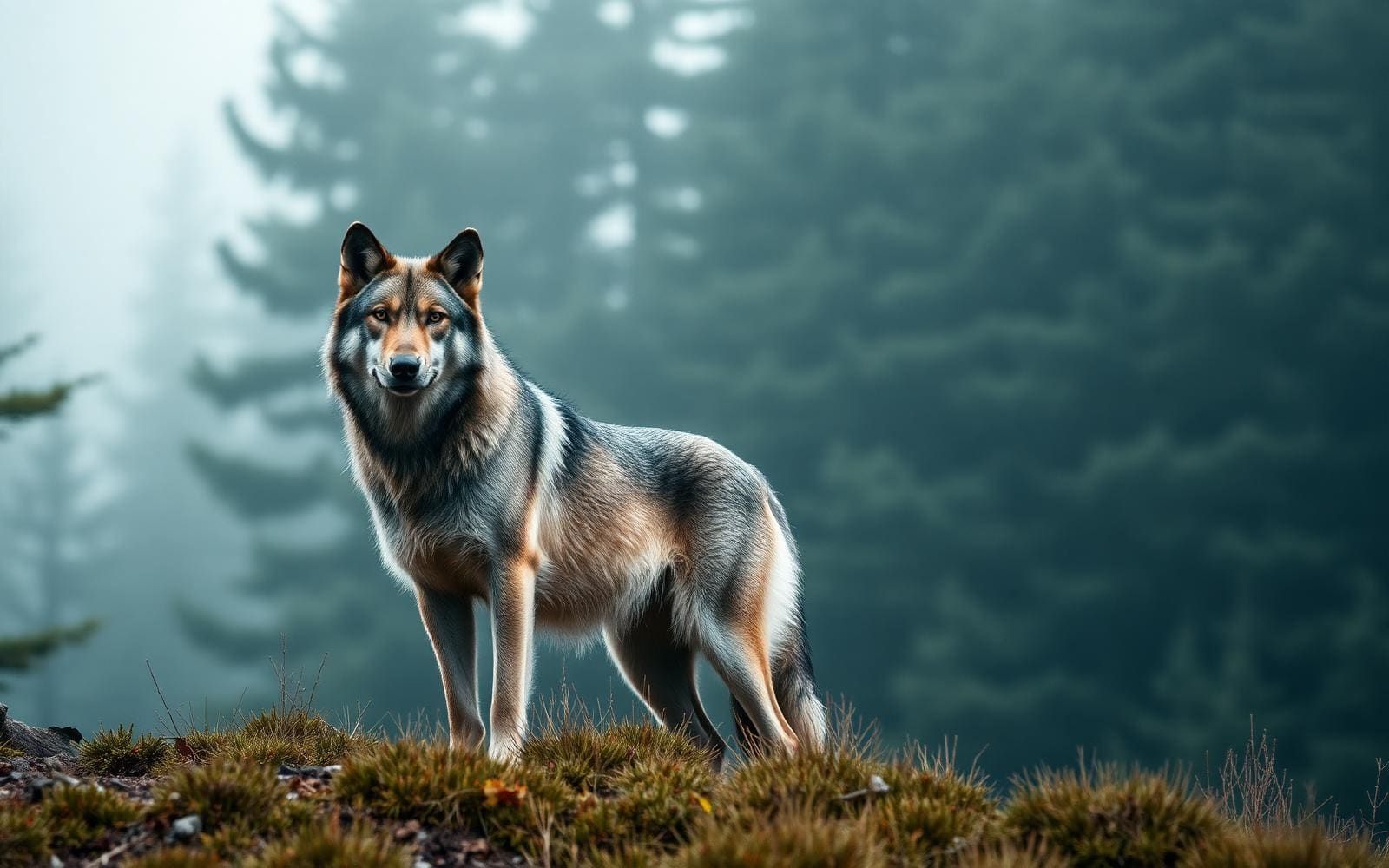
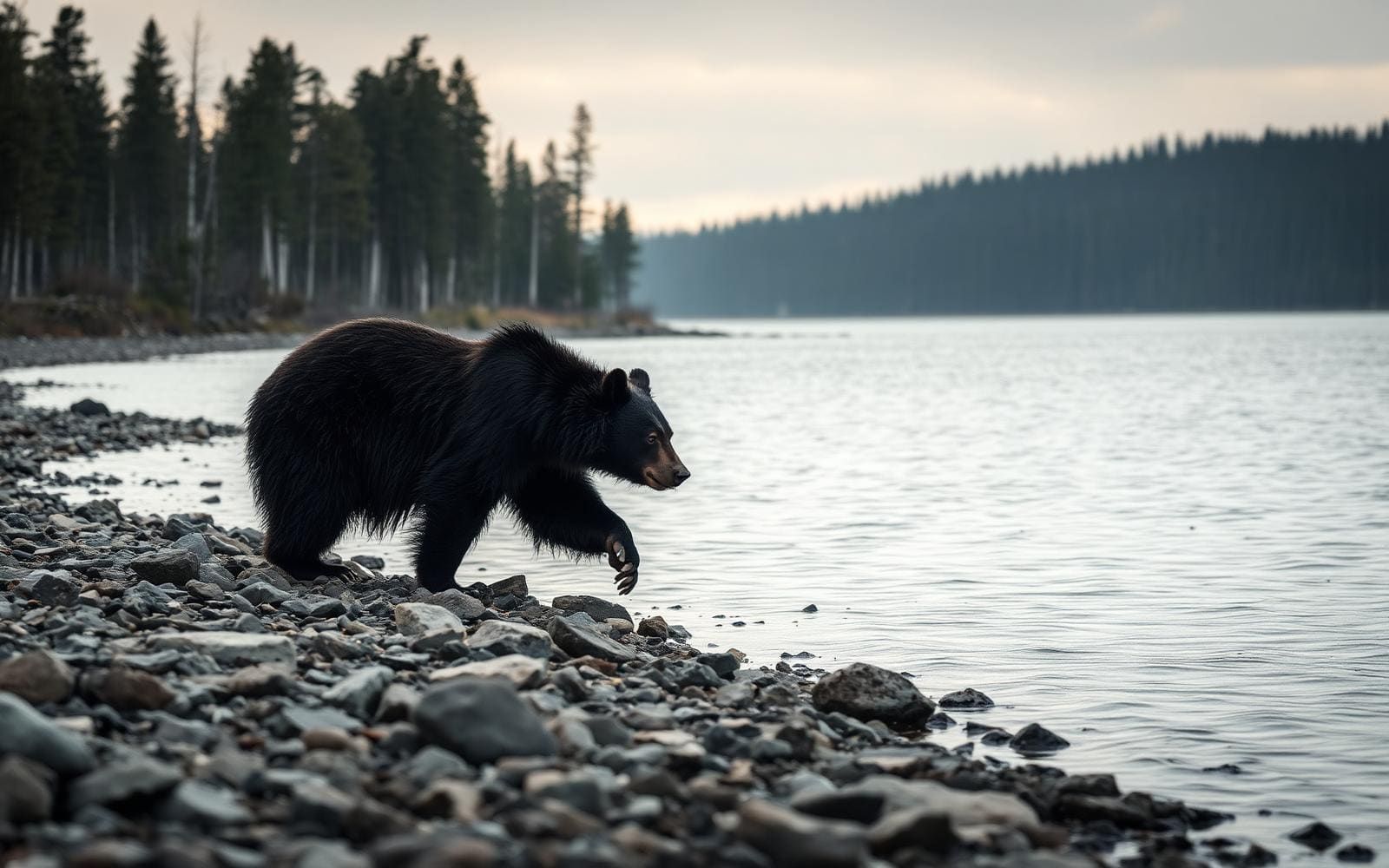
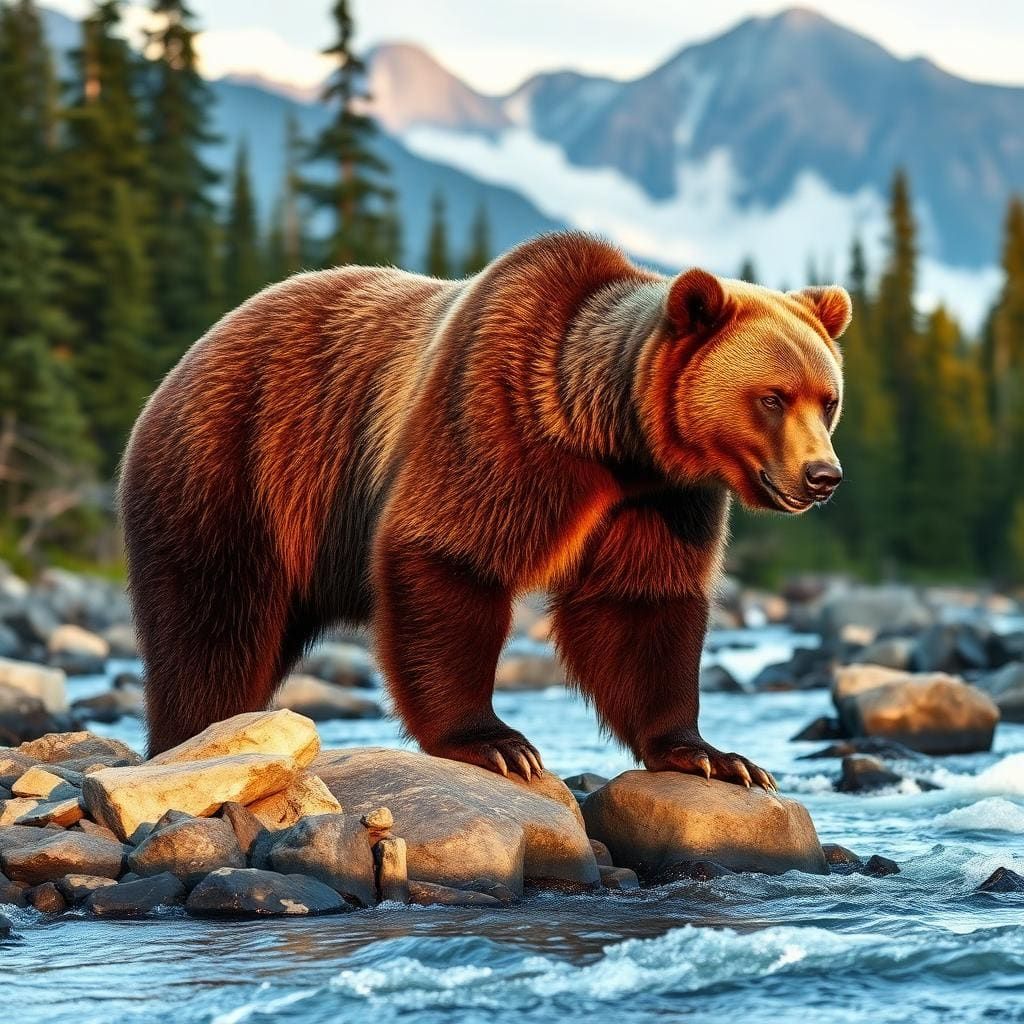
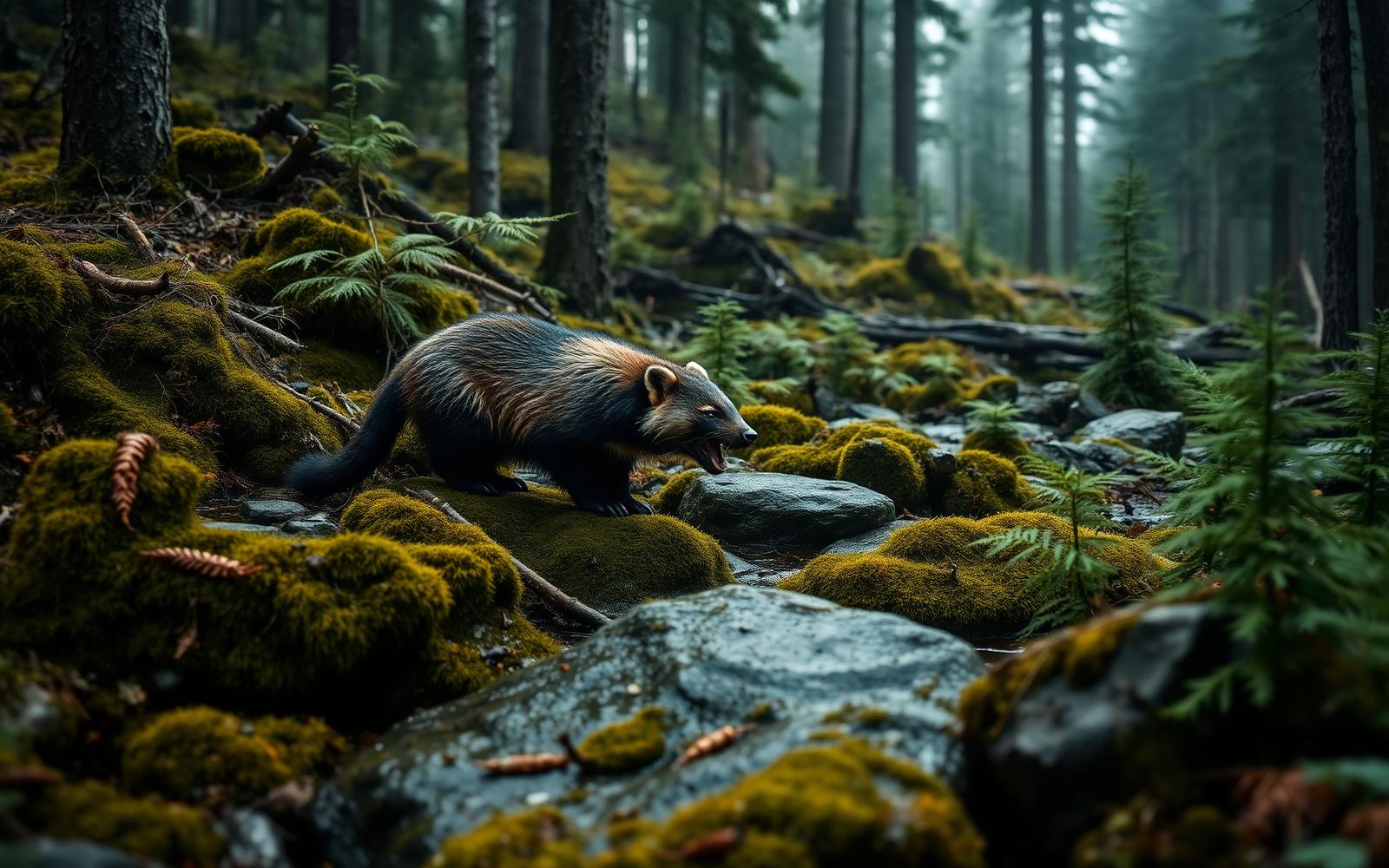
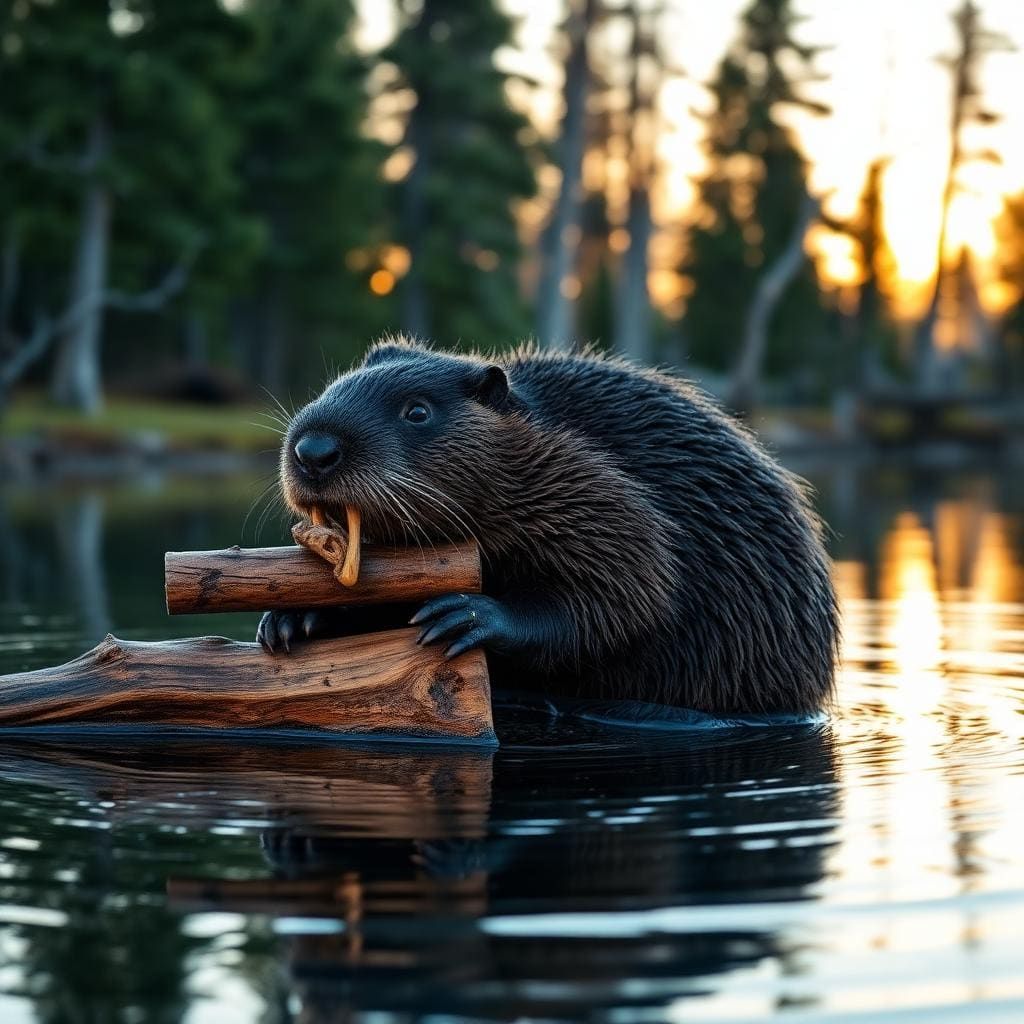
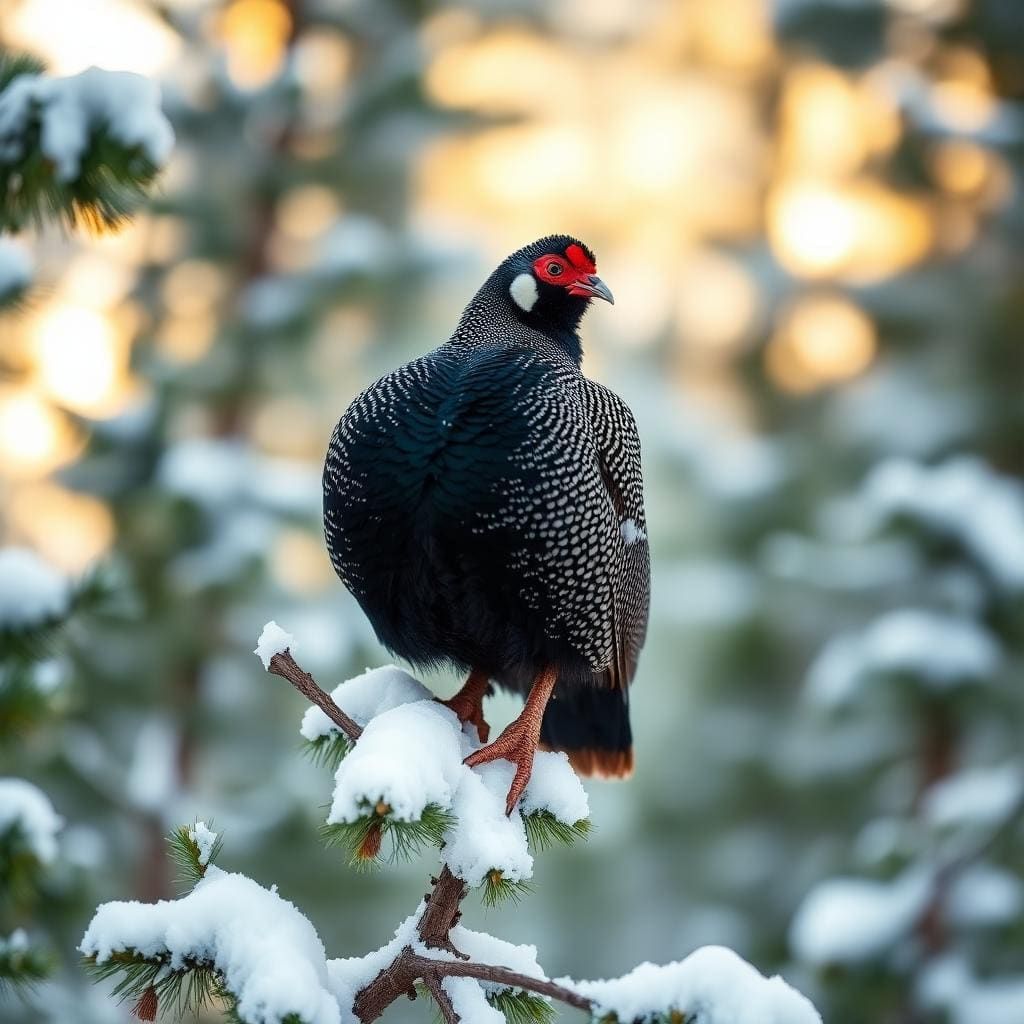
- Grizzly bears, black bears, moose, mountain goats
- Best Season
- Late July - Early September
- Permits
- Required for all overnight backcountry stays
Best for
Multi-day backpacking trips, Experienced wilderness trekkers, Wildlife photography, Solitude seekers
Glacier National Park offers a classic Northern Rockies backcountry experience, distinguished by its dramatic, glacier-carved peaks, deep valleys, and an abundance of wildlife. While the park’s front country can be bustling, its vast interior quickly immerses visitors in a truly wild landscape. The park spans the Continental Divide, creating diverse ecosystems from dense forests to alpine meadows and rugged, rocky passes. This is prime grizzly country, requiring heightened awareness and strict food storage protocols. Beyond the iconic Going-to-the-Sun Road, a network of trails provides access to remote lakes, cascading waterfalls, and breathtaking vistas, revealing why it's often called the 'Crown of the Continent'. Its geographical location in northern Montana, bordering Canada, means short summers and long winters. The shoulder seasons of late spring and early fall can offer solitude but also bring unpredictable weather, including early snows or lingering snowfields at higher elevations. Backcountry travel here demands a blend of preparedness, experience with route-finding, and an understanding of dynamic mountain weather. It’s a place where you genuinely feel removed from civilization, a feeling that comes with both profound reward and significant responsibility. The rewards are in the unparalleled scenery and the chance to observe wildlife in their natural habitat, making the effort entirely worthwhile for those seeking a deep wilderness immersion.
Geography and Terrain
Glacier National Park is defined by its dramatic, U-shaped valleys and cirques, sculpted by ancient glaciers. The landscape ranges from lower elevation forests of western red cedar and hemlock to subalpine larch and spruce, giving way to treeless alpine tundra above 7,000 feet. The park’s bedrock is primarily argillite and limestone, contributing to the distinct, colorful mountainsides. Elevation changes are significant, with many trails gaining thousands of feet over short distances, leading to strenuous climbs and descents. Water is abundant, with numerous lakes, rivers, and waterfalls fed by snowmelt and the park's remaining glaciers. This environment demands respect for the terrain and solid navigation skills.
Weather Windows
The prime window for backcountry travel in Glacier is typically from late July through early September. Before this, snow often persists on high-elevation trails, making routes impassable or hazardous, particularly over mountain passes. By mid-September, daytime temperatures drop, and the likelihood of significant snowfall increases. Even in summer, mountain weather is notoriously unpredictable; sudden storms, hail, and dramatic temperature swings are common. Hikers must be prepared for all four seasons in a single day. Early morning starts are advisable to avoid afternoon thunderstorms and to make progress before heat builds or winds pick up in exposed areas.
Wildlife Encounters
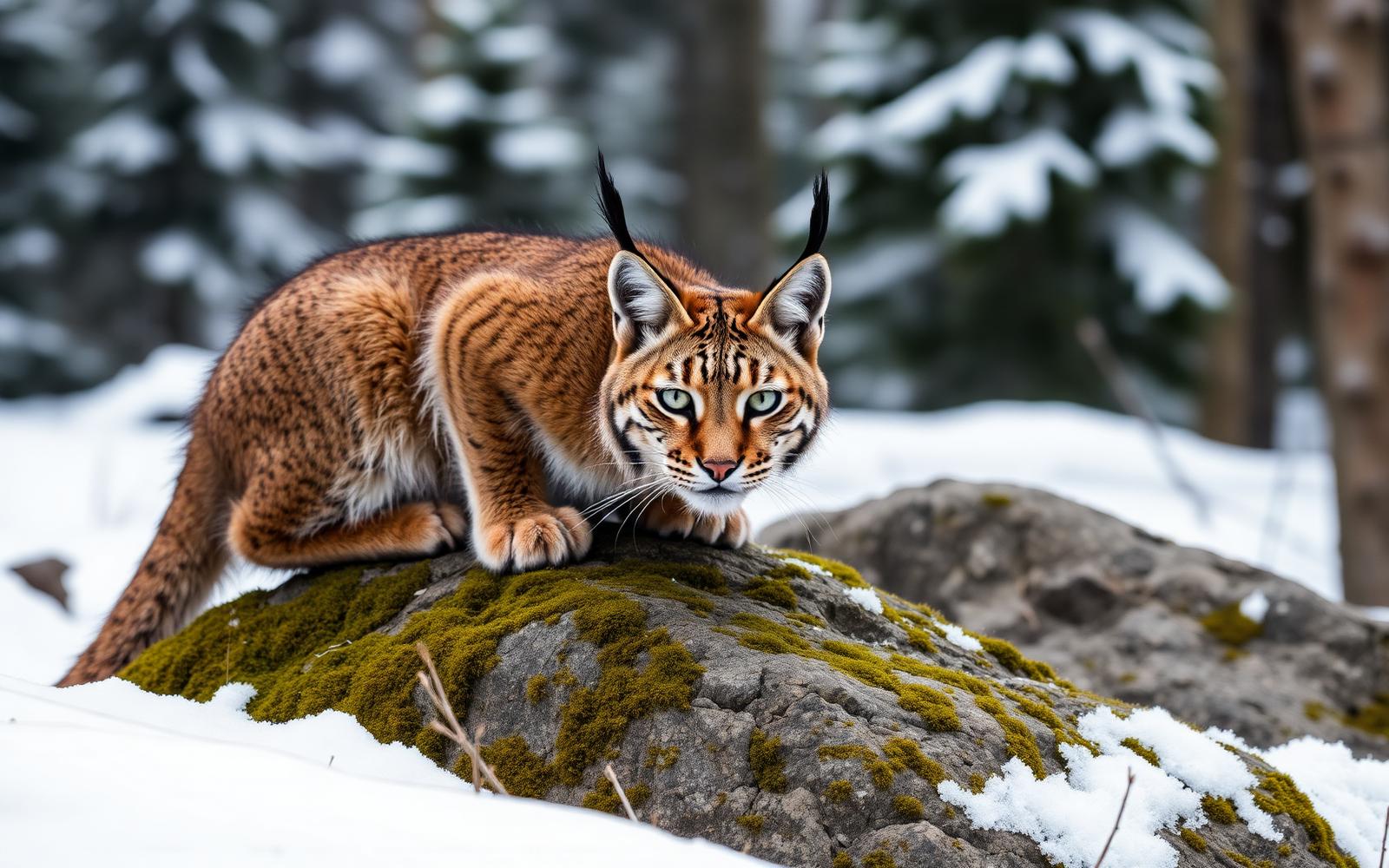
Glacier is iconic grizzly bear country, and encounters are a serious possibility. Backcountry travelers must carry bear spray, know how to use it, and practice stringent food storage protocols using bear-resistant canisters or hanging systems. Beyond grizzlies, black bears are also prevalent. Other large mammals include moose, elk, deer, mountain goats, and bighorn sheep. Birdlife is abundant, from raptors to various songbirds. Observing wildlife from a distance is paramount, and understanding animal behavior helps ensure both human and animal safety. Staying on established trails and making noise helps prevent surprise encounters.
Key Routes
While specific routes vary based on permit availability and conditions, popular multi-day options include the Dawson-Pitamakan Loop, a strenuous but rewarding circuit offering expansive alpine views and high pass crossings. The Belly River region provides access to serene lakes and remote valleys, often with fewer crowds. The Highline Trail, while popular as a day hike, can be integrated into longer traverses. The North Fork area offers a more remote and rugged experience. Each route presents its own challenges, from steep ascents to river crossings, and requires careful planning. Many of the park's most stunning vistas are only accessible via extended backcountry travel.
Permits and Access
All overnight backcountry stays in Glacier National Park require a permit. These are highly competitive, especially for peak season and popular campsites. A lottery system is in place for advance reservations, with a portion of permits also available for walk-up requests, though these are often difficult to secure for extended trips. Planning well in advance is crucial. Access points are numerous, primarily off the Going-to-the-Sun Road and the Many Glacier, Two Medicine, and North Fork areas. Some trailheads require significant driving on unpaved roads. Understanding the permit system and securing reservations is the biggest hurdle for a successful trip.
How we chose
We built this ranking from trip reports, agency data, permit records, and our editors' own time on the ground. 10 places made the final cut out of a much longer working list, and each one had to clear the same set of criteria before it earned a spot.
- Quality of the terrain
- Landscape, route variety, and whether the place rewards multiple days rather than one overlook.
- Season and weather windows
- How long the reliable window is, and how badly the shoulder seasons punish a bad forecast.
- Access and permits
- Trailhead logistics, permit odds, quotas, and how much lead time a trip realistically takes.
- Solitude vs. crowding
- How far you have to walk before the place feels like wilderness instead of a queue.
- Wildlife and ecology
- What you can reasonably expect to see, and what you have to plan around.
- Risk and skill required
- Navigation, water crossings, exposure, and rescue distance — stated plainly.
Glacier — frequently asked questions
- Is Glacier worth the trip?
- We rank it #9 in US National Parks. Classic Northern Rockies backcountry. Grizzly country and truly wild interior.
- Who is Glacier best for?
- Best for multi-day backpacking trips, experienced wilderness trekkers, wildlife photography and solitude seekers. Standouts: unparalleled wilderness immersion in the northern rockies and stunning alpine scenery with abundant glacial lakes and peaks.
- What are the drawbacks of Glacier?
- Highly competitive and difficult to secure backcountry permits, Short weather window and unpredictable mountain conditions and Grizzly country requires constant vigilance and preparedness.
- What are the key details for Glacier?
- Location: Northern Montana · Terrain: Glaciated mountains, alpine meadows, dense forests · Dominant Wildlife: Grizzly bears, black bears, moose, mountain goats · Best Season: Late July - Early September · Permits: Required for all overnight backcountry stays
- Geography and Terrain — what should I know about the Glacier?
- Glacier National Park is defined by its dramatic, U-shaped valleys and cirques, sculpted by ancient glaciers. The landscape ranges from lower elevation forests of western red cedar and hemlock to subalpine larch and spruce, giving way to treeless alpine tundra above 7,000 feet.
- Weather Windows — what should I know about the Glacier?
- The prime window for backcountry travel in Glacier is typically from late July through early September. Before this, snow often persists on high-elevation trails, making routes impassable or hazardous, particularly over mountain passes.
Where on earth
Satellite imagery flying in from a world view to Glacier, United States. Use the + / − buttons, or click the map to zoom with your scroll wheel; drag to pan and pinch to zoom on touch.
United States · 38.795, -106.535
Wildlife found around Glacier
Compare side by side
Put the Glacier against any other pick on this list — specs, price, pros, cons and reader ratings.