


US National Parks · #8
Grand Canyon (Corridor and beyond)
Arizona

Reader rating
Rate it and you move it. Community ratings re-rank this product inside its Top 10 list.
Expert-picked, reader-ranked. Our editors choose the products and the launch order; member star ratings move picks up or down over time.
Corridor for first trips, side canyons for real solitude. Water logistics dominate planning.
Pros
- Unparalleled scenery and geological wonder
- Well-established trails for introductory backcountry trips
- Opportunities for true solitude in side canyons
- Unique desert and riparian ecosystems
- Challenging elevation profiles for rewarding efforts
Cons
- Extreme heat in summer, demanding water logistics
- Corridor trails can be very crowded
- Backcountry permits are highly competitive
- Steep descents and ascents are physically demanding
- Limited natural water sources require careful planning
Best uses
- Challenging multi-day hikes
- Winter and shoulder season trips
- Geology and photography focus
- Introductory desert backpacking
- Solitude seekers (beyond Corridor)
Specifications
- Location
- Northern Arizona, USA
- Primary Access
- South Rim (year-round), North Rim (seasonal)
- Elevation Change
- Up to 5000 ft (rim to river)
- Key Trails
- Bright Angel, South Kaibab, North Kaibab
- Water Availability
- Highly seasonal; often piped, not natural
- Permits
- Required for all overnight stays
Best for
Challenging multi-day hikes, Winter and shoulder season trips, Geology and photography focus, Introductory desert backpacking, Solitude seekers (beyond Corridor)
The Grand Canyon, particularly its established 'Corridor' trails, offers an unparalleled introduction to backcountry travel within one of the world's most iconic landscapes. While the Bright Angel and South Kaibab trails see heavy use, venturing just a short distance off these main arteries or into the less-traveled North Rim corridor (when open) provides a profound sense of scale and isolation. This isn't a place for the unprepared; the desert environment demands meticulous planning for water, sun protection, and understanding elevation changes measured in thousands of feet. For those willing to put in the work, the reward is an intimate connection with an ancient, geological marvel. Beyond the Corridor, the Canyon opens up into a vast network of routes, often unmaintained, where true solitude can be found, though these areas require advanced navigation skills and a deep respect for the unforgiving environment. Expect dramatic temperature swings and a landscape that shifts from lush riparian zones to stark, exposed rock formations.
Terrain and Geography
The Grand Canyon's terrain is defined by its immense scale, layered geology, and steep, exposed trails. Descents into the canyon are often gradual at first, becoming switchbacking and relentlessly steep closer to the river. Surfaces vary from well-maintained dirt paths to rocky, uneven footing. Side canyons off the main routes present more challenging scrambling and route-finding. Expect significant exposure to sun on most trails, with limited shade, particularly in the lower elevations. The Colorado River itself acts as a central artery, surrounded by rich riparian zones that contrast sharply with the surrounding arid desert. Views are consistently expansive, offering a humbling perspective on geological time.
Seasons and Weather
Spring (March-May) and Fall (September-November) are the prime seasons for backcountry travel, offering more moderate temperatures. Summer months (June-August) bring extreme heat, often exceeding 100°F (38°C) in the inner canyon, making travel dangerous, especially during midday. Winter (December-February) on the South Rim can bring snow and ice, particularly on upper trails, but inner canyon temperatures are often milder and more pleasant. The North Rim is typically closed from late October to mid-May due to snow. Thunderstorms are common during the summer monsoon season, presenting flash flood risks in narrow canyons and electrical hazards on exposed ridges.
Wildlife Encounters
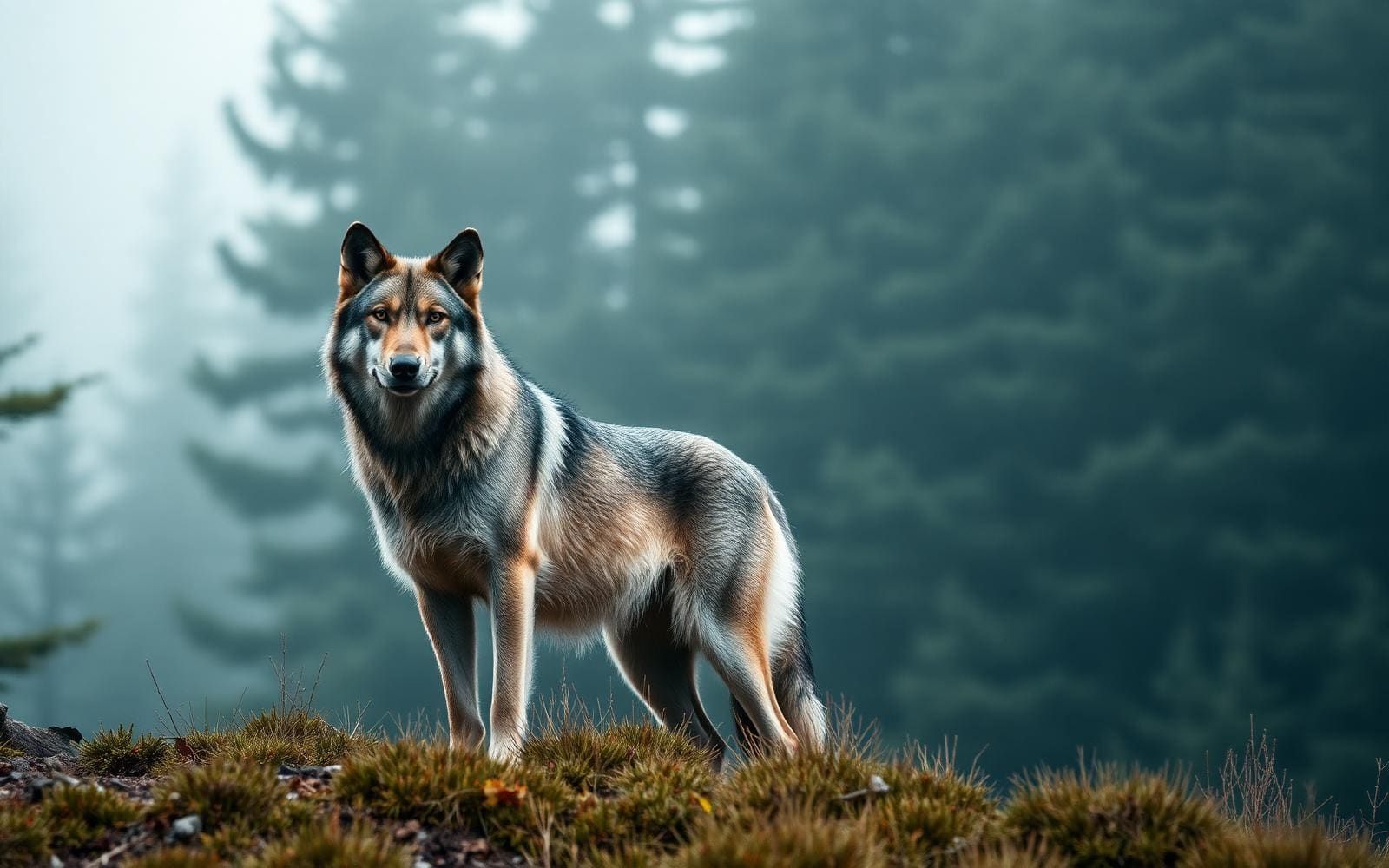
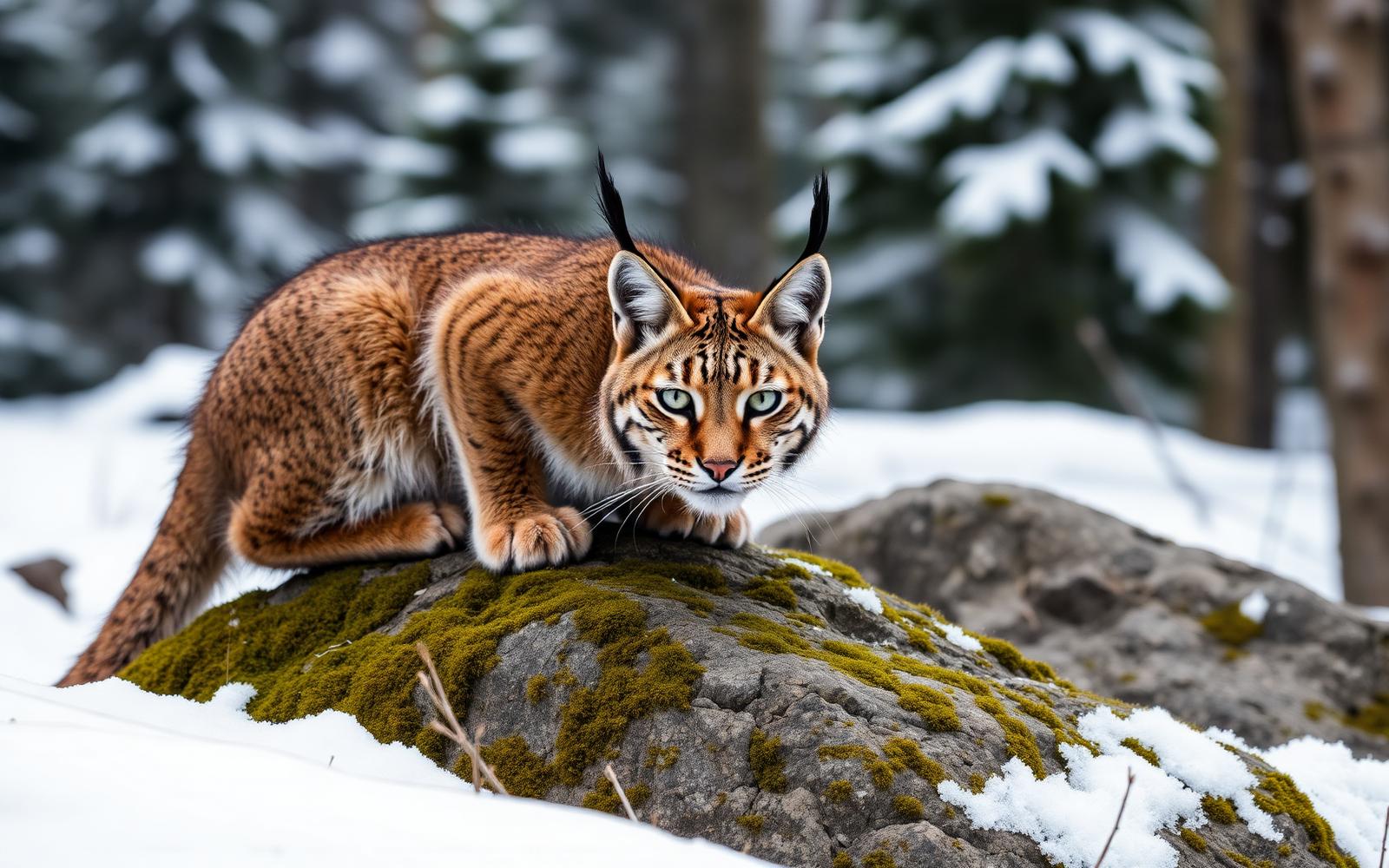
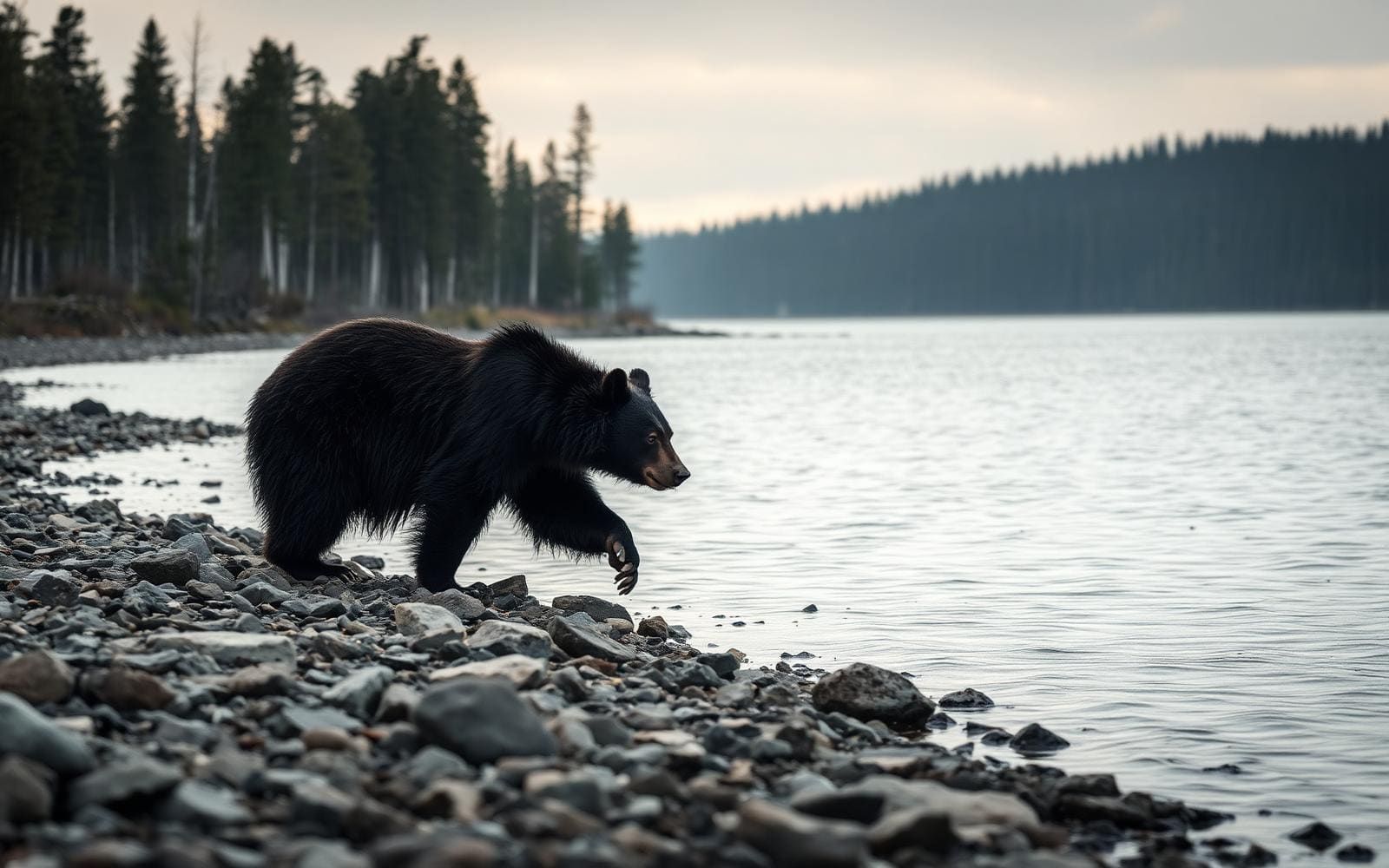
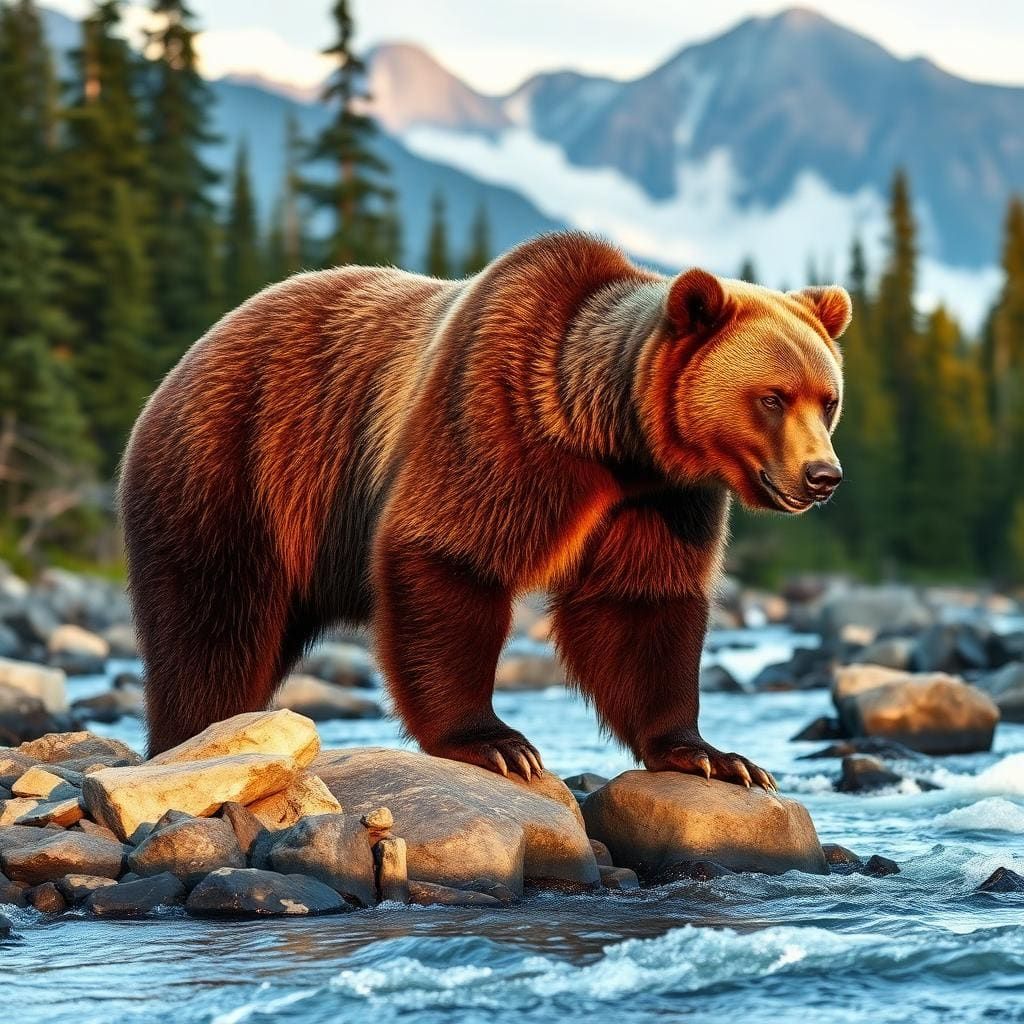
The Grand Canyon is home to diverse wildlife, though many species are nocturnal or elusive. Common sightings include mule deer, bighorn sheep, and various lizards and birds. The endemic Kaibab squirrel is a North Rim specialty. Predators like mountain lions and bobcats are present but rarely seen. Rattlesnakes are common, especially near water sources and warm rocks; give them a wide berth. Scorpions are also found. Proper food storage is essential to deter rodents and larger animals from campsites. Respect all wildlife and maintain a safe distance, remembering you are in their habitat.
Key Routes and Attractions
The 'Corridor' trails – Bright Angel and South Kaibab from the South Rim, and North Kaibab from the North Rim – are the main arteries into the canyon, connecting to Phantom Ranch at the bottom. These trails offer well-marked paths and occasional ranger stations or water stops. Beyond these, a vast network of unmaintained routes and side canyons provides opportunities for true wilderness exploration. Havasu Falls, though technically outside the national park, is a well-known attraction within Havasupai tribal lands, requiring separate permits. Many historic mining claims and archaeological sites are scattered throughout, offering glimpses into human history within the canyon.
Permits and Access
Overnight backcountry permits are mandatory for all camping outside of established campgrounds. These are highly competitive and should be applied for far in advance (up to four months). A lottery system is in place for popular dates. Day hiking does not require a permit, but park entrance fees apply. Access points are from the North and South Rims; the North Rim is seasonal. Shuttles are available between trailheads on the South Rim. Always check current park conditions, trail closures, and water availability before and during your trip. Havasu Falls requires a separate permit system through the Havasupai Tribe, which is extremely difficult to obtain.
How we chose
We built this ranking from trip reports, agency data, permit records, and our editors' own time on the ground. 10 places made the final cut out of a much longer working list, and each one had to clear the same set of criteria before it earned a spot.
- Quality of the terrain
- Landscape, route variety, and whether the place rewards multiple days rather than one overlook.
- Season and weather windows
- How long the reliable window is, and how badly the shoulder seasons punish a bad forecast.
- Access and permits
- Trailhead logistics, permit odds, quotas, and how much lead time a trip realistically takes.
- Solitude vs. crowding
- How far you have to walk before the place feels like wilderness instead of a queue.
- Wildlife and ecology
- What you can reasonably expect to see, and what you have to plan around.
- Risk and skill required
- Navigation, water crossings, exposure, and rescue distance — stated plainly.
Grand Canyon (Corridor and beyond) — frequently asked questions
- Is Grand Canyon (Corridor and beyond) worth the trip?
- We rank it #8 in US National Parks. Corridor for first trips, side canyons for real solitude. Water logistics dominate planning.
- Who is Grand Canyon (Corridor and beyond) best for?
- Best for challenging multi-day hikes, winter and shoulder season trips, geology and photography focus and introductory desert backpacking. Standouts: unparalleled scenery and geological wonder and well-established trails for introductory backcountry trips.
- What are the drawbacks of Grand Canyon (Corridor and beyond)?
- Extreme heat in summer, demanding water logistics, Corridor trails can be very crowded and Backcountry permits are highly competitive.
- What are the key details for Grand Canyon (Corridor and beyond)?
- Location: Northern Arizona, USA · Primary Access: South Rim (year-round), North Rim (seasonal) · Elevation Change: Up to 5000 ft (rim to river) · Key Trails: Bright Angel, South Kaibab, North Kaibab · Water Availability: Highly seasonal; often piped, not natural
- Terrain and Geography — what should I know about the Grand Canyon (Corridor and beyond)?
- The Grand Canyon's terrain is defined by its immense scale, layered geology, and steep, exposed trails. Descents into the canyon are often gradual at first, becoming switchbacking and relentlessly steep closer to the river.
- Seasons and Weather — what should I know about the Grand Canyon (Corridor and beyond)?
- Spring (March-May) and Fall (September-November) are the prime seasons for backcountry travel, offering more moderate temperatures. Summer months (June-August) bring extreme heat, often exceeding 100°F (38°C) in the inner canyon, making travel dangerous, especially during midday.
Where on earth
Satellite imagery flying in from a world view to Grand Canyon (Corridor and beyond), Arizona, United States. Use the + / − buttons, or click the map to zoom with your scroll wheel; drag to pan and pinch to zoom on touch.
Grand Canyon National Park, Arizona, USA · 36.268, -112.354
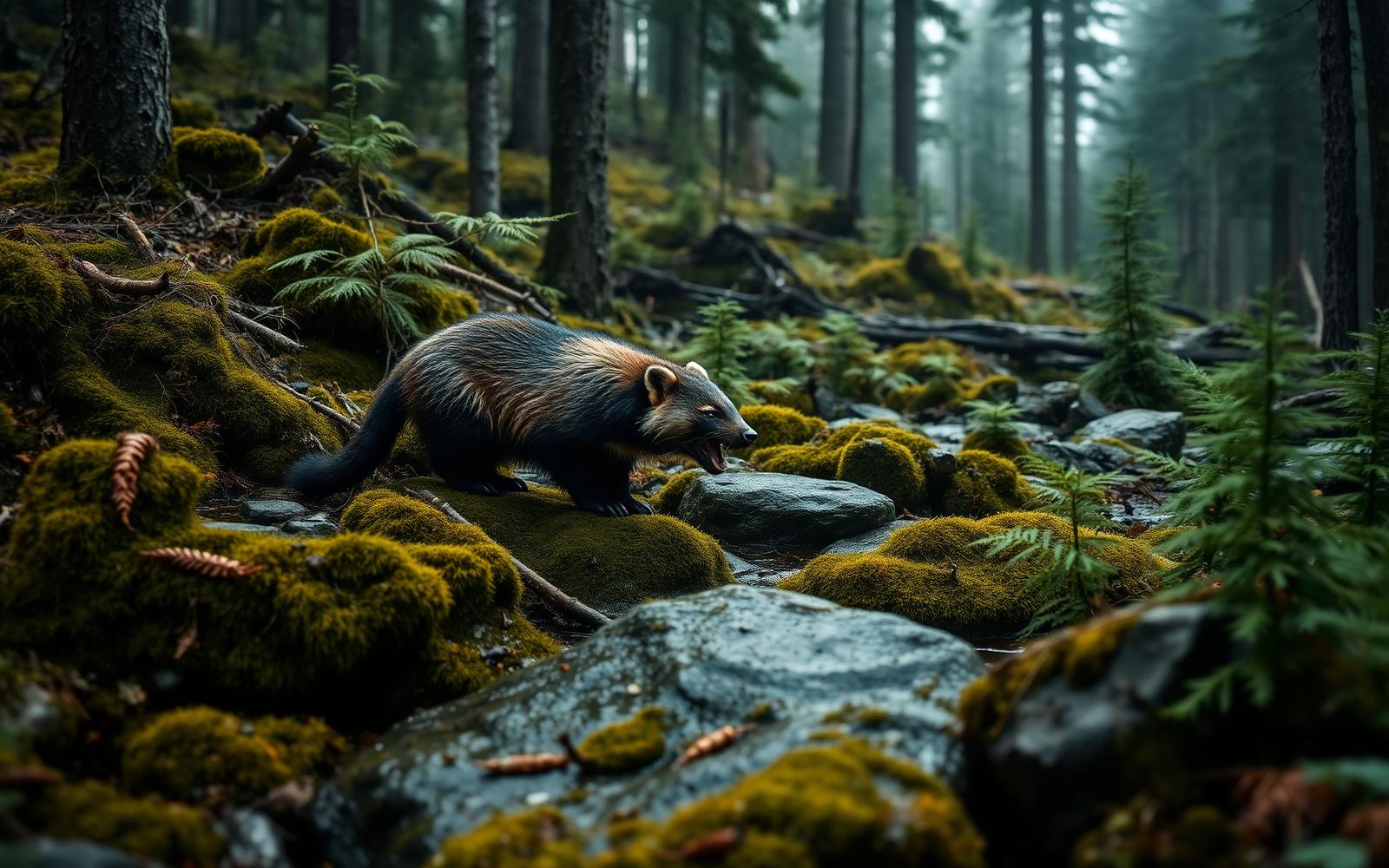
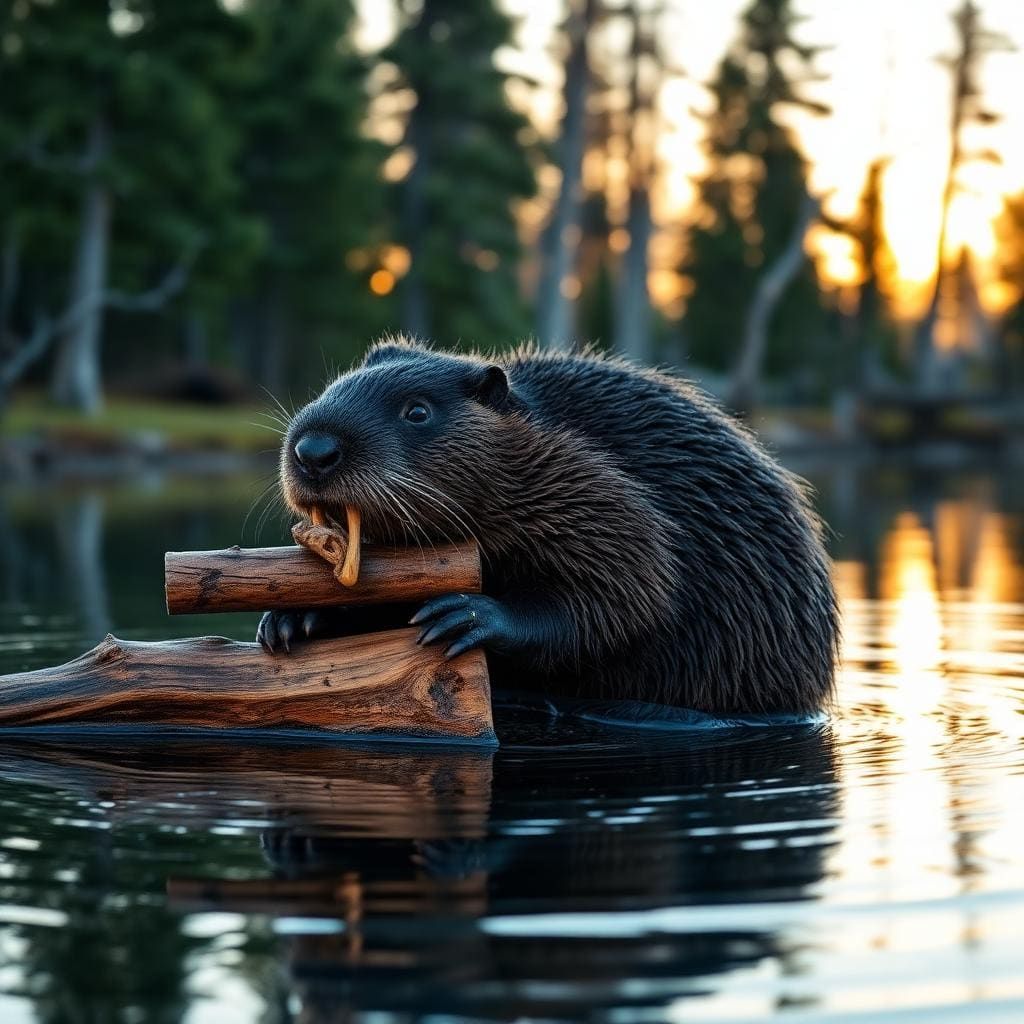
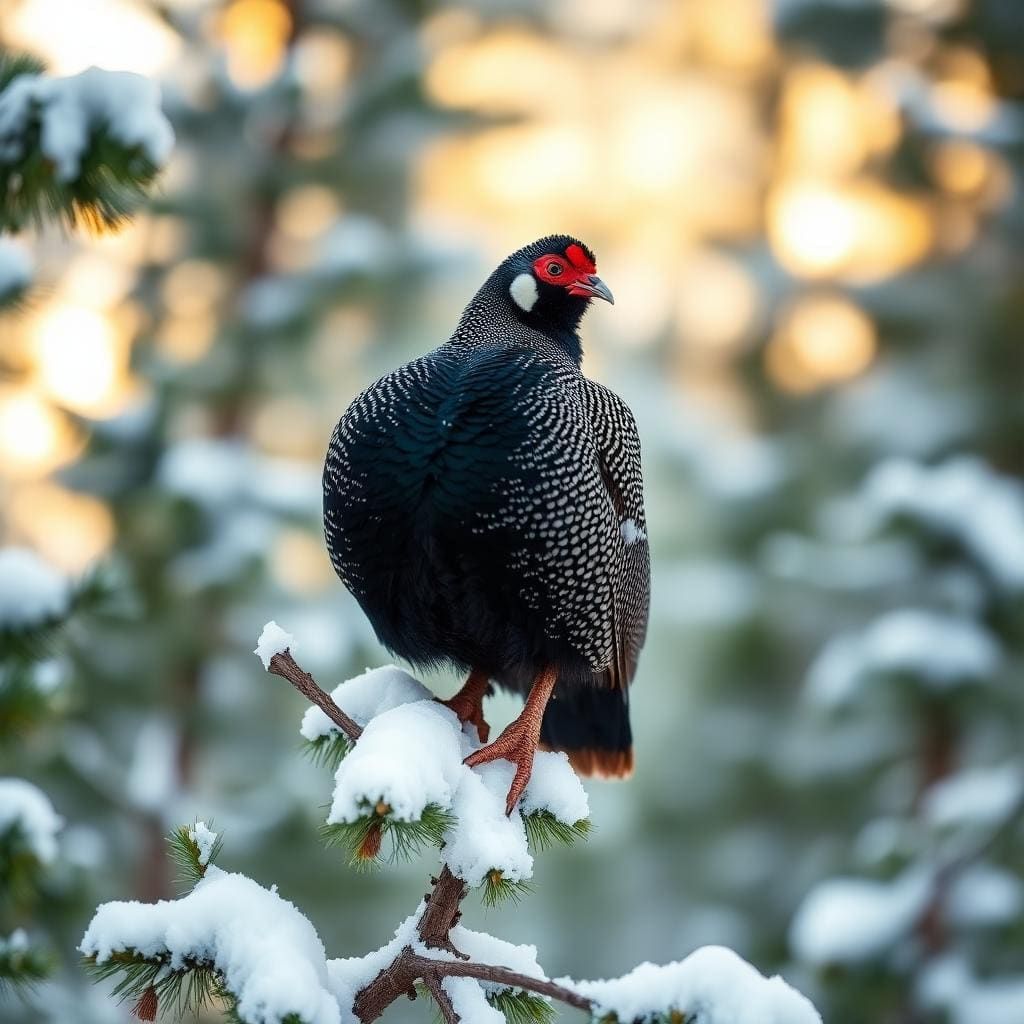
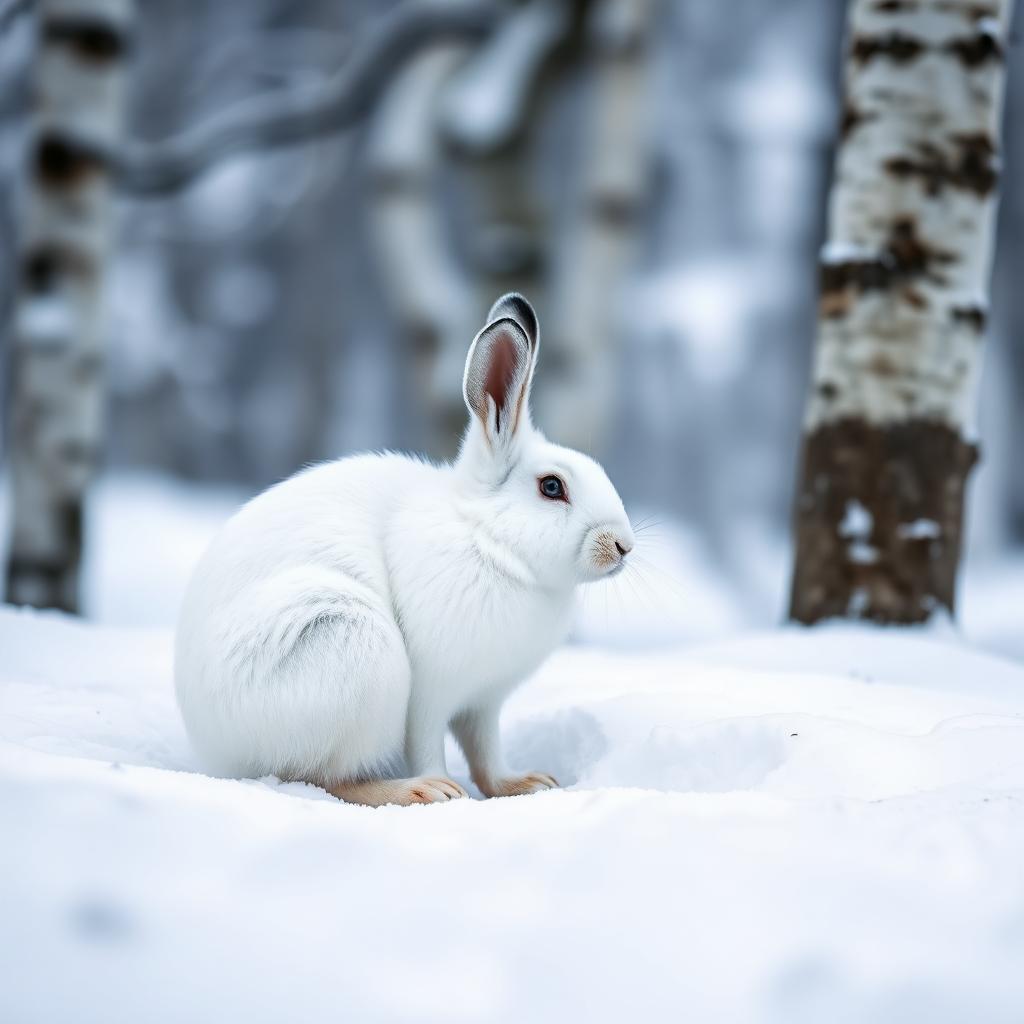
Wildlife found around Grand Canyon (Corridor and beyond)
Compare side by side
Put the Grand Canyon (Corridor and beyond) against any other pick on this list — specs, price, pros, cons and reader ratings.