



- Region
- Wisconsin
- Country
- United States
- Best for
- hiking, wildlife viewing, camping
- Best season
- Spring, Summer
- Permits
- Confirm permit and access requirements dir…
- Managed by
- Belmont Lions Club
Plan with verified data
Belmont Mound State Park trip tools
Tools for a trip here
Picked for how, when and where you're going. Free, no signup.
- Sleep System Temp CalculatorCold nights: check your bag and pad add up to a safe sleep.
- Bear Country Food StorageBear country: canister, Ursack or hang, and the local rules.
- The 10 EssentialsDay on trail: carry the ten essentials.
- Water Purification MatrixRefilling on trail: compare treatment options.
- Layering CalculatorCool temps: build a layer stack for the climb and the summit.
How to get there
Belmont Mound State Park is located near Belmont, Wisconsin. To reach the park, take either County Road G from Platteville or the Belmont exit from Highway 151. The park entrance is located on N Co Rd. G, also referenced as 18650 County Rd. G, Belmont, WI 53510.
- Belmont Mound State Park Entrance
The park entrance is located on N Co Rd. G, which is also identified as 18650 County Rd. G. Parking and shelters are available at the entrance.
Sources: Wikipedia · Wikivoyage · Wisconsin DNR · Adventures in Driftlessness. Confirm road and trailhead conditions with the managing agency before you leave.
Wisconsin · United States · Season: Fall hunting seasons
- Hunting
- Hiking
- Wildlife Viewing
- Backpacking
Overview
Belmont Mound State Park, located in Lafayette County, offers a smaller but often overlooked bowhunting opportunity within the Driftless. The park features a prominent mound, providing elevated vantage points and steep sides that funnel deer movement. The surrounding timber is a mix of oak and hickory, providing excellent food and cover. Access is straightforward from Highway 126. Due to its smaller size, it can concentrate deer, especially during the rut. The ideal season is mid-October through mid-November. While it's a state park, hunting is generally permitted outside of developed recreational zones. Fitness required is moderate, with some steep climbs to reach the top of the mound. Wisconsin state park entrance fees apply. The trade-off is its limited acreage, which means it can feel more pressured on busy weekends. However, smart hunters can use the terrain to their advantage and find pockets of undisturbed deer, especially in the steep coulees feeding off the mound.
Why it stands out
Distinctive mound topography creates natural funnels
Mature oak-hickory forest
Concentrates deer movement in specific areas
Relatively easy access
Good for a day hunt or multiple short excursions
Know before you go
Smaller acreage can lead to higher perceived pressure
State park vehicle entrance fees
Potential for non-hunting recreational users
Limited options for extensive deep woods penetration
Planning notes
Where: Wisconsin, United States Best season: Fall hunting seasons Good for: Hiking, Wildlife Viewing, Camping Featured on: Top 10 Public-Land Bowhunting Units for Whitetails in the Driftless Area (#6) Access point: Belmont Mound State Park, 18650 Co Rd G, Platteville, WI 53818, USA
Check current permits, closures and fire restrictions with the managing agency before you commit to dates.
Field notes
- Distinctive mound topography creates natural funnels
- Mature oak-hickory forest
- Concentrates deer movement in specific areas
- Relatively easy access
- Good for a day hunt or multiple short excursions
Where on earth
Satellite imagery flying in from a world view to Belmont Mound State Park, United States. Use the + / − buttons, or click the map to zoom with your scroll wheel; drag to pan and pinch to zoom on touch.
Coordinates
- Decimal degrees
- 42.7669, -90.3511
- Latitude (DMS)
- 42° 46′ 1.0″ N
- Longitude (DMS)
- 90° 21′ 4.1″ W
Coordinates are an access-point reference for Belmont Mound State Park, not a route. Carry a paper map and confirm trailhead or put-in access with the managing agency before you go.
Topic summary
Belmont Mound State Park, located in Lafayette County, offers a smaller but often overlooked bowhunting opportunity within the Driftless.
Key takeaways
- Region: Wisconsin
- Country: United States
- Best season: Fall hunting seasons
- Good for: hiking, wildlife viewing, camping
- Coordinates: 42.767, -90.351
Intended uses
- hiking
- wildlife viewing
- camping
Climate suitability
Fall hunting seasons
Keep planning
Popular pursuits at Belmont Mound State Park
- Hunting
Seasons, tags, and the units that hold animals.
- Hiking
Day miles on marked trail, with route notes and trail links below.
- Wildlife Viewing
Best light, best season, and where animals move.
- Backpacking
Multi-day travel with everything on your back — see the packing blocks below.
Animals around Belmont Mound State Park
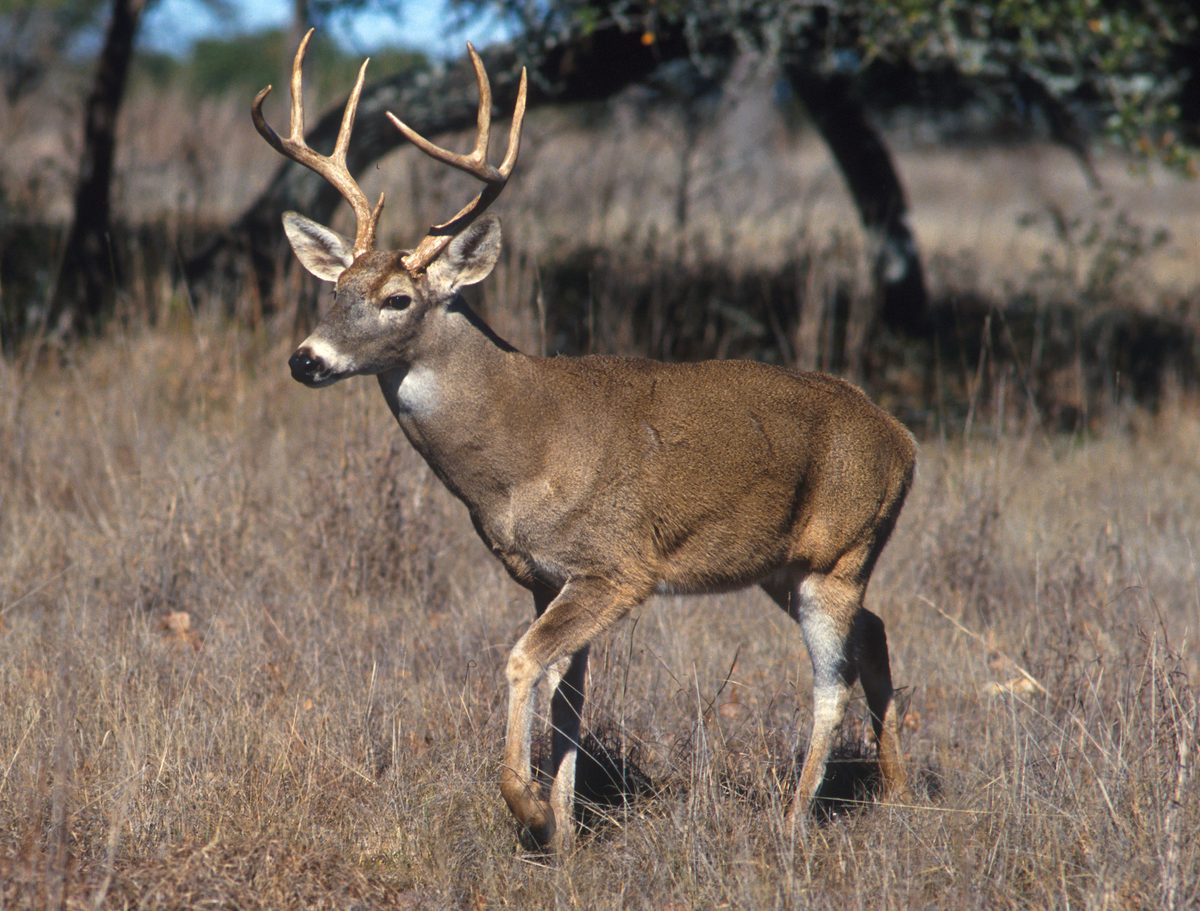
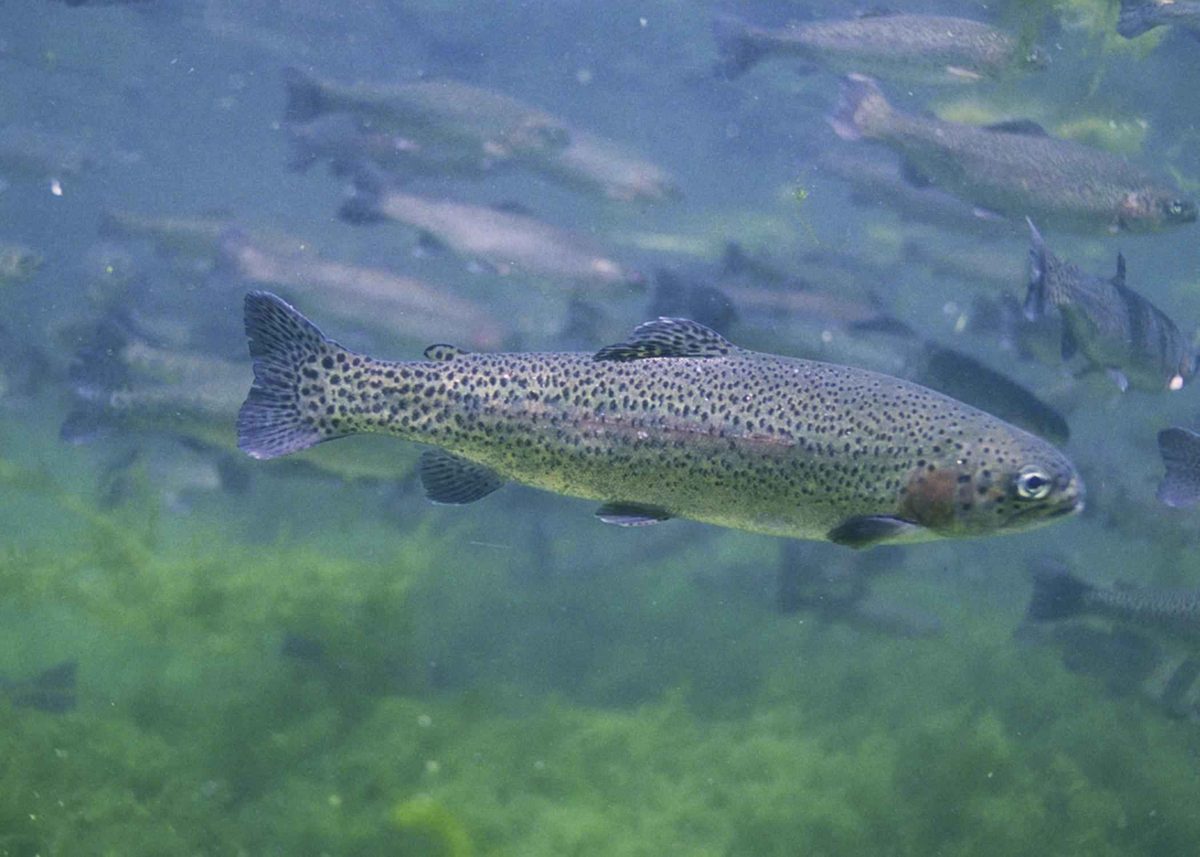
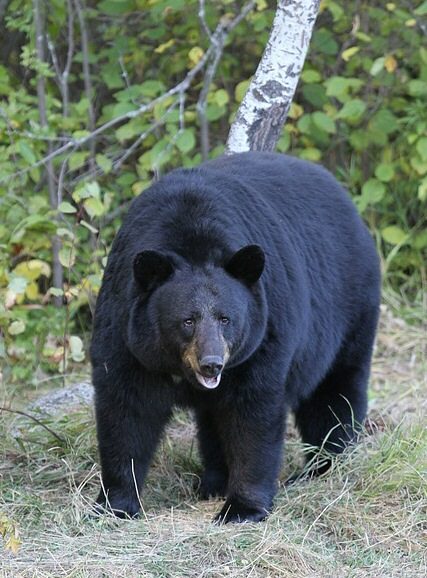

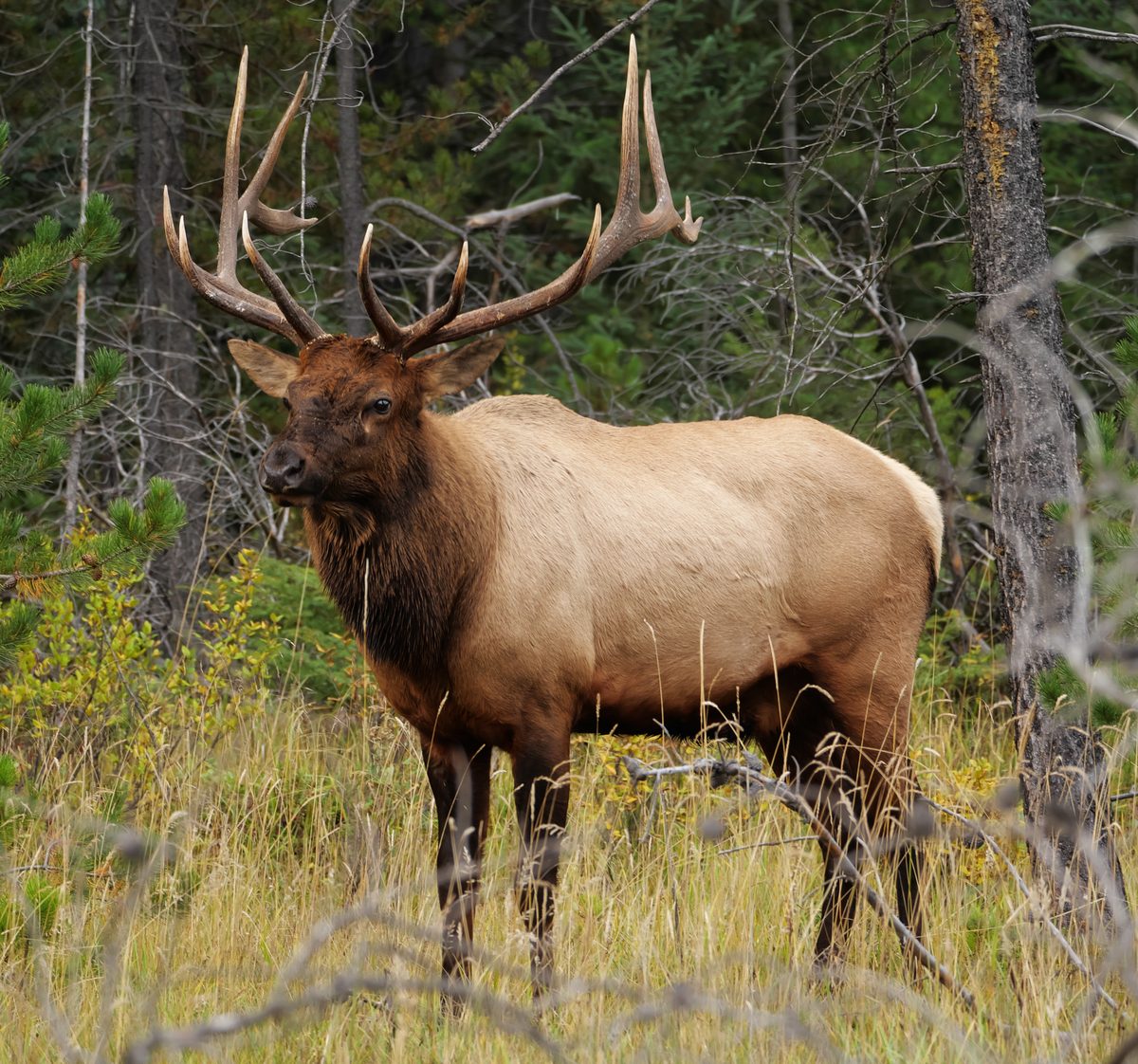
Introduction to Belmont Mound
Belmont Mound State Park centers around Belmont Mound, a prominent 400-foot (120 m) hill. The name "Belmont" originates from the French phrase for "beautiful mountain," reflecting its scenic nature. This park offers a distinctive natural experience in Wisconsin. Unlike most state parks, Belmont Mound State Park is managed by the Belmont Lions Club, not the Wisconsin Department of Natural Resources. The park is designated for day-use only, providing opportunities for visitors to enjoy the natural landscape without overnight stays. Picnic facilities are available for public use, making it suitable for day trips and outdoor meals. This unique management structure and the park's focus on day activities contribute to its distinct character as a local natural preserve.
Geology and Natural Features
Belmont Mound is a geological outlier of the Niagara Escarpment, standing as one of several such formations within Wisconsin's unglaciated Driftless Area. This region, untouched by glacial activity, features unique landforms and ecosystems. A portion of the park has received additional protection, designated as Belmont Mound Woods State Natural Area in 1981, under the Wisconsin State Natural Areas Program. This designation highlights the ecological importance of the woods surrounding the mound, preserving its natural integrity. The geological uniqueness of Belmont Mound, as an isolated part of the Niagara Escarpment within the Driftless Area, offers insights into the region's ancient geological history and contributes to its distinct biodiversity. Visitors can observe the geological formations and the varied plant life supported by this unglaciated terrain.
Historical Significance
The area surrounding Belmont Mound State Park holds significant historical value, particularly concerning the early governance of Wisconsin. Just west of the park entrance lies the First Capitol Historic Site. This site marks the location where the first session of the Wisconsin Territory Legislature convened, beginning on October 25, 1836. This historical proximity offers visitors an opportunity to connect with the foundational period of Wisconsin's statehood. While the park itself provides natural recreation, its location near such a pivotal historical landmark enriches the visitor experience, blending outdoor exploration with an understanding of regional history. The interplay between natural beauty and historical importance creates a compelling narrative for visitors to the Belmont area.
Park Features and Recent Changes
Belmont Mound State Park is a day-use facility equipped with picnic areas for visitors. There are no campgrounds within the park. In previous years, the park featured an observation tower. However, this tower underwent significant changes. It was closed to the public and its stairs were removed approximately a decade before 2019 due to misuse. In 2019, the Belmont Lions Club, which manages the park, made the decision to remove the tower entirely following a third suicide incident. The removal of the observation tower was completed in the fall of 2021. Despite the absence of the tower, the park continues to offer its natural beauty and picnic facilities for public enjoyment, focusing on the preservation of its natural and historical landscape.
Sample itineraries
- Mound Exploration and Picnic · 1 day
Spend a full day exploring Belmont Mound State Park. Arrive in the morning to enjoy the natural surroundings and the unique geological features of the mound. Utilize the available picnic facilities for a leisurely lunch amidst nature. Dedicate time to appreciating the Belmont Mound Woods State Natural Area, focusing on the preserved flora and fauna. Conclude the day by relaxing in the park's serene atmosphere before departing. This itinerary focuses on the natural aspects and day-use amenities of the park.
- History and Nature Day Trip · 1 day
Combine a visit to Belmont Mound State Park with a historical exploration. Begin the day at the First Capitol Historic Site, located just west of the park entrance, to learn about the first session of the Wisconsin Territory Legislature. After immersing in local history, proceed to Belmont Mound State Park for an afternoon of outdoor activity. Enjoy a picnic lunch using the park's facilities. Explore the natural beauty of Belmont Mound, appreciating its geological significance as an outlier of the Niagara Escarpment. This itinerary balances historical learning with natural recreation.
Seasonal conditions
Spring
March - May
Specific conditions are not provided in the references. Expect typical spring weather for Wisconsin, with potential for mild temperatures, increasing foliage, and possibly wet ground.
Summer
June - August
Specific conditions are not provided in the references. Expect typical summer weather for Wisconsin, with generally warm temperatures and full foliage, suitable for outdoor activities.
Fall
September - November
Specific conditions are not provided in the references. Expect typical fall weather for Wisconsin, with changing leaf colors and cooler temperatures. This season is often picturesque for outdoor visits.
Winter
December - February
Specific conditions are not provided in the references. Expect typical winter weather for Wisconsin, with cold temperatures, potential for snow, and dormant vegetation.
| Season | Window | Conditions |
|---|---|---|
| Spring | March - May | Specific conditions are not provided in the references. Expect typical spring weather for Wisconsin, with potential for mild temperatures, increasing foliage, and possibly wet ground. |
| Summer | June - August | Specific conditions are not provided in the references. Expect typical summer weather for Wisconsin, with generally warm temperatures and full foliage, suitable for outdoor activities. |
| Fall | September - November | Specific conditions are not provided in the references. Expect typical fall weather for Wisconsin, with changing leaf colors and cooler temperatures. This season is often picturesque for outdoor visits. |
| Winter | December - February | Specific conditions are not provided in the references. Expect typical winter weather for Wisconsin, with cold temperatures, potential for snow, and dormant vegetation. |
Permits, fees & closures
Confirm permit and access requirements directly with the Belmont Lions Club, the park's managing agency.
Confirm current permits, fees, and closures with the managing agency before you go.
Hazards & regulations
- Misuse of facilities previously led to closure and removal of park structures.
- Changes in park structures may alter navigation and anticipated features.
What to pack for Belmont Mound State Park
- Picnic supplies
- Water bottle
- Weather-appropriate clothing
Belmont Mound State Park FAQ
- Who manages Belmont Mound State Park?
- Belmont Mound State Park is managed by the Belmont Lions Club.
- Is camping allowed at Belmont Mound State Park?
- No, Belmont Mound State Park is for day-use only and does not have a campground.
- Are there picnic facilities available?
- Yes, the park provides picnic facilities for visitors.
- What is the historical significance of the area?
- The First Capitol Historic Site, where the first session of the Wisconsin Territory Legislature met, is located just west of the park entrance.
- What is Belmont Mound's geological significance?
- Belmont Mound is a 400-foot (120 m) hill and an outlier of the Niagara Escarpment, located in the unglaciated Driftless Area.