



Where on earth
Satellite imagery flying in from a world view to Amazon Peacock Bass, Worldwide. Use the + / − buttons, or click the map to zoom with your scroll wheel; drag to pan and pinch to zoom on touch.
- Region
- Brazil
- Country
- Worldwide
- Biome
- Amazon (30 m)
- Best season
- September – March
- Difficulty
- moderate
- Backpacking
- Hiking
- Wildlife Viewing
Key takeaways
- Biome: Amazon (30 m)
- Best season: September – March
- Difficulty: moderate
- Top activity: backpacking
Photos of Amazon Peacock Bass
Topic summary
Peacock bass to 25 lbs in the Rio Negro basin — jungle live-aboard trips.
Key takeaways
- Difficulty: moderate
- Best season: September – March
Intended uses
backpacking
Climate suitability
Amazon (30 m)
Tools for a trip here
Picked for how, when and where you're going. Free, no signup.
- Sleep System Temp CalculatorCold nights: check your bag and pad add up to a safe sleep.
- Base Weight CalculatorEvery ounce is carried — total your kit and find your base weight.
- Pack Volume SizerSize the pack for your trip length and season.
- Water Purification MatrixTreat water from streams and lakes on trail.
- Layering CalculatorCold-season miles: layer for climbs and camp.
Plan with verified data
Amazon Peacock Bass trip tools
How to get there
Amazon Peacock Bass is in Brazil, Worldwide. Its center point is -0.5000, -64.5000. Use these links for live turn-by-turn directions from where you are, then confirm road, trailhead and access conditions with the managing agency before you leave.
Popular pursuits at Amazon Peacock Bass
- Backpacking
Multi-day travel with everything on your back — see the packing blocks below.
- Hiking
Day miles on marked trail, with route notes and trail links below.
- Wildlife Viewing
Best light, best season, and where animals move.
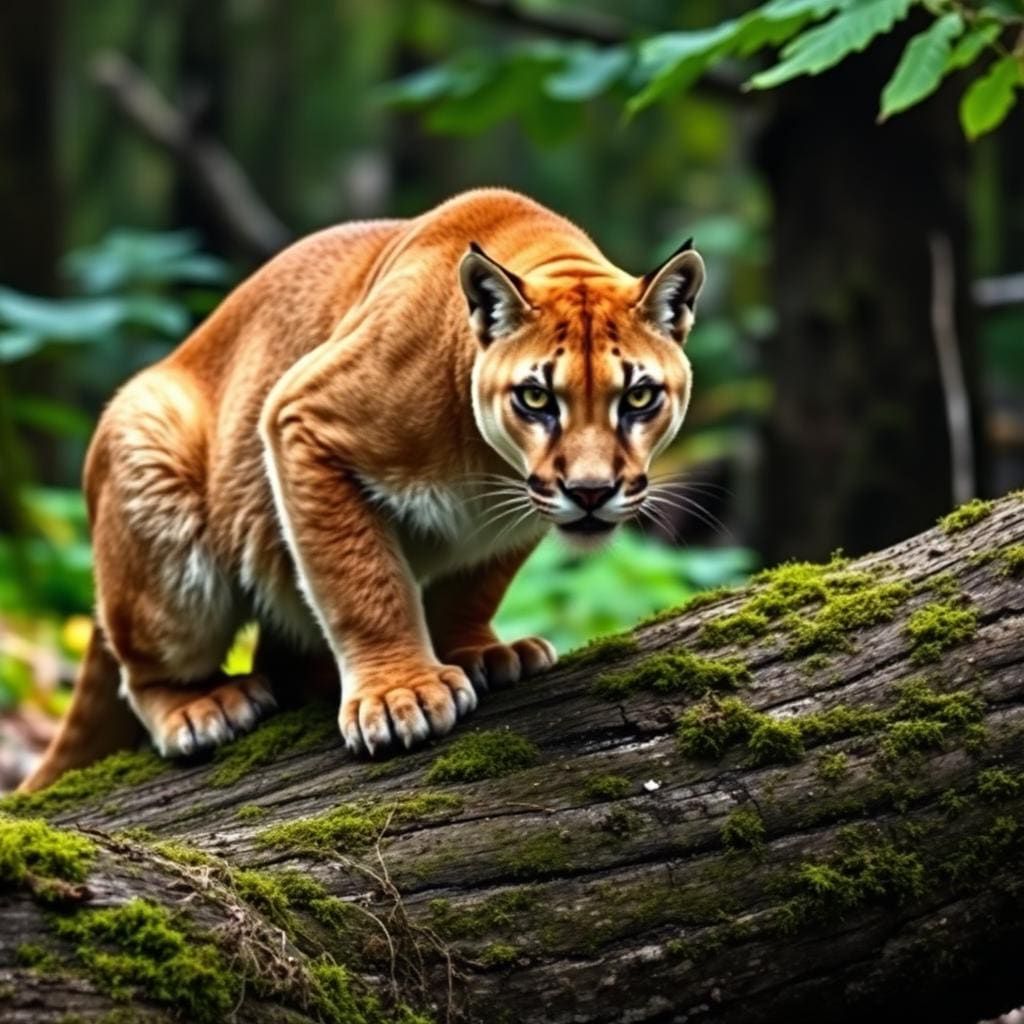
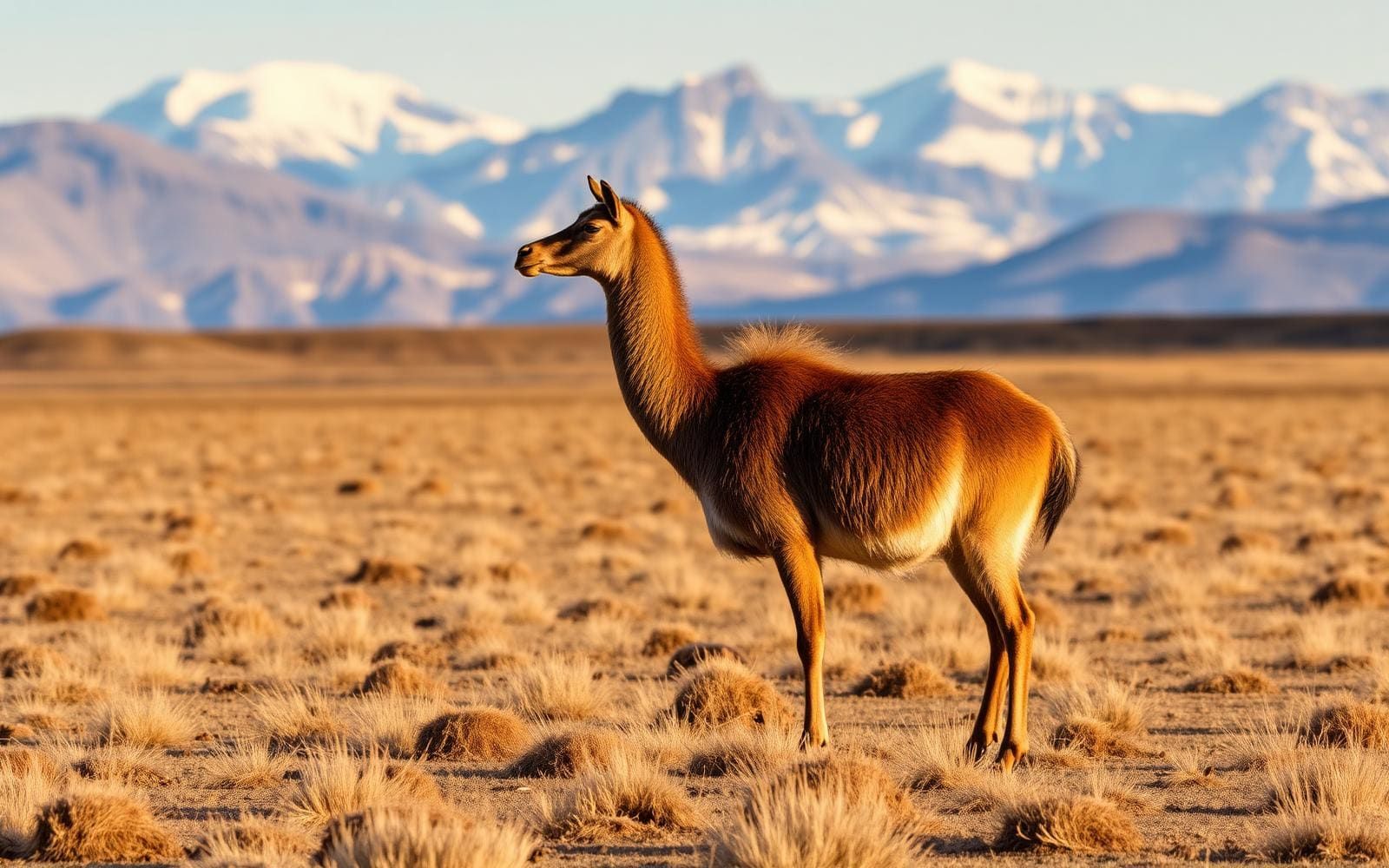
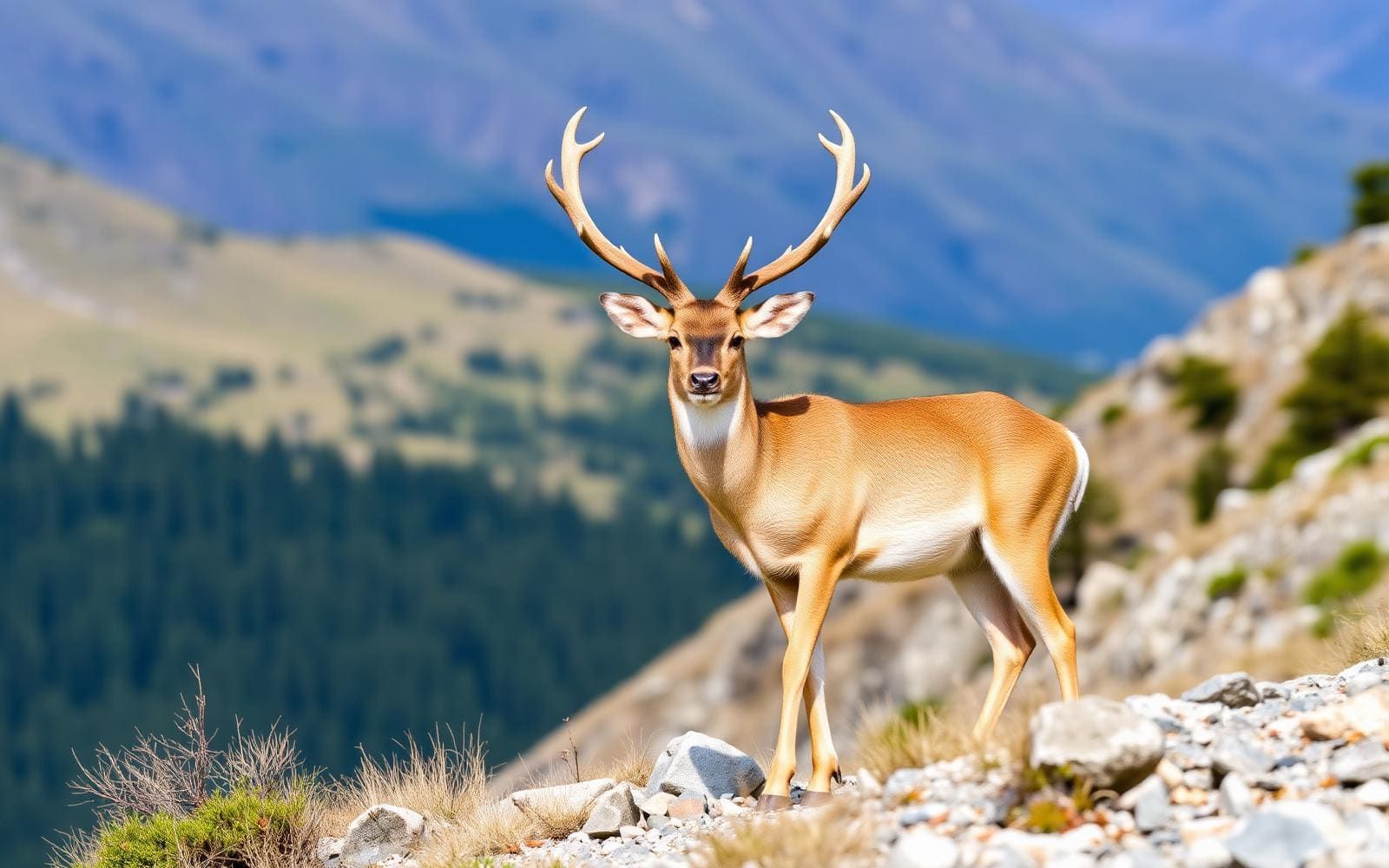
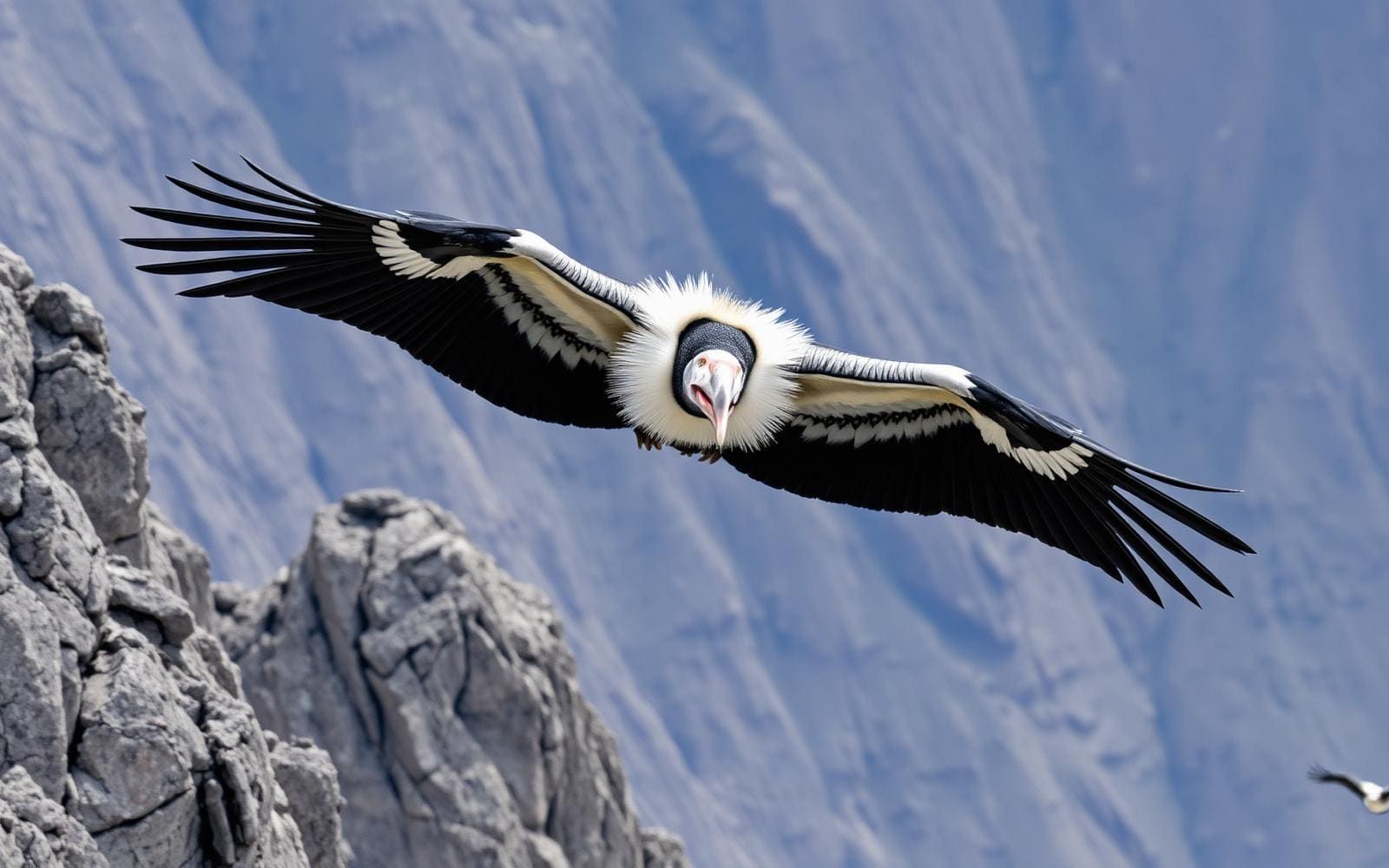
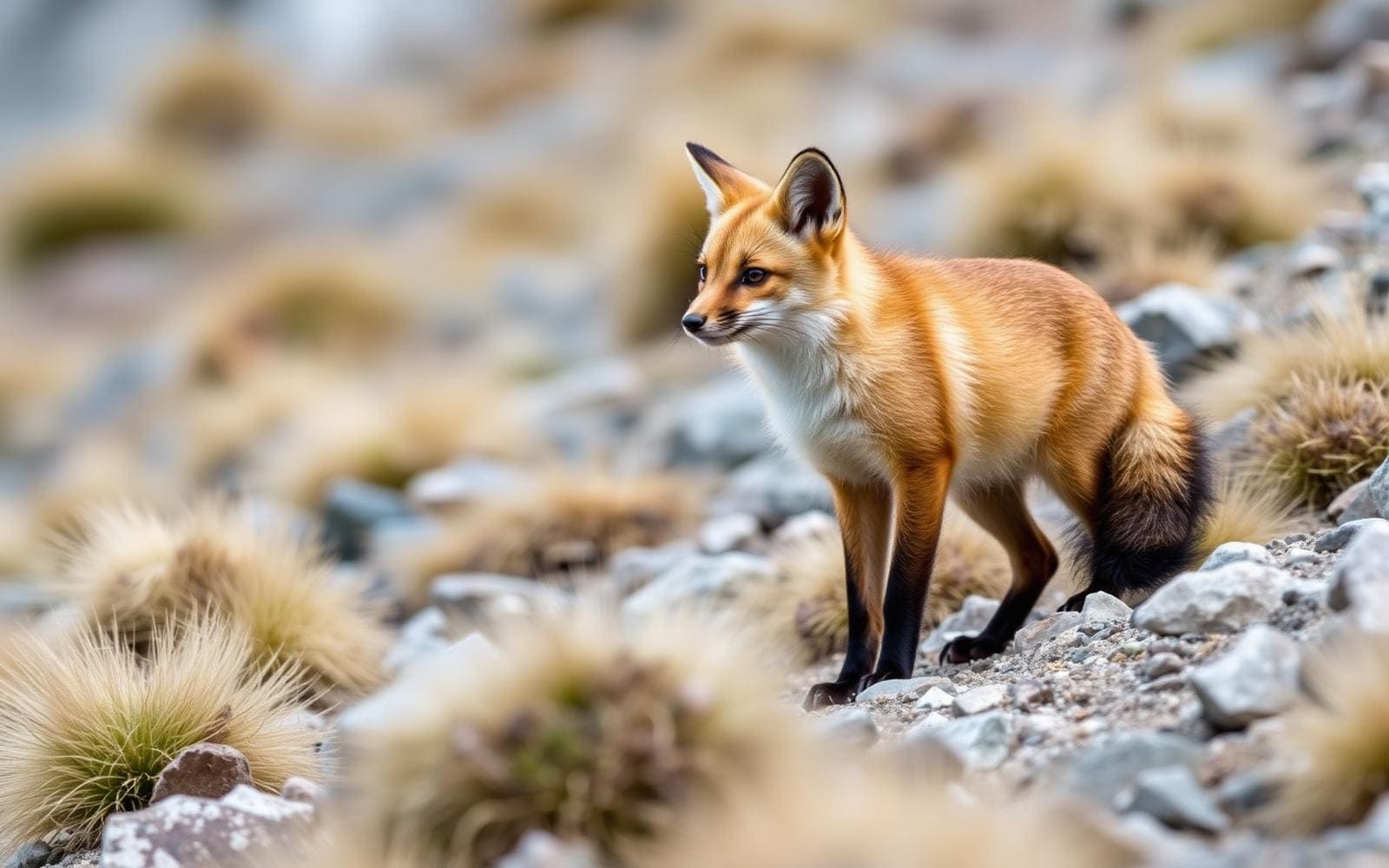
Animals around Amazon Peacock Bass
Maps, GPS & compass for this trip
Carry a waterproof paper map and a compass you can steer by, and treat the GPS as the backup — not the other way round. Buying links go to Amazon; Wild10 earns a commission at no cost to you.
Waterproof topo maps
- Waterproof topographic map — Amazon Peacock BassAmazon search for waterproof, tear-resistant topo maps covering this area.
- National Geographic Trails IllustratedThe waterproof Trails Illustrated series — check for a sheet covering this area.
- Waterproof map case & compass lanyardKeep a paper map readable in rain, spray and a swamped boat.
Fishing at Amazon Peacock Bass
Planning to fish Amazon Peacock Bass, Brazil? Fishing licences, open seasons and catch limits in Brazil are set by the local wildlife authority and change every year — check the official source before you cast a line.
Do I need a fishing licence at Amazon Peacock Bass?
- A Brazil fishing licence is normally required for anyone over the local youth age.
- Read the current Brazil fishing regulations for special waters, barbless-hook or catch-and-release rules.
- Clean, drain and dry boats and gear between waters to stop invasive species.
We don't have a verified licensing link on file for Brazil yet — contact the park or land manager listed on this page for current hunting and fishing rules.
Hunting near Amazon Peacock Bass
Thinking about hunting Amazon Peacock Bass, Brazil? Hunting seasons, tags and draws in Brazil are set by the wildlife authority each year. Confirm the rules for your species and unit before you go.
Is hunting allowed at Amazon Peacock Bass?
- Confirm the land around Amazon Peacock Bass is open to hunting and which management unit it falls in.
What do I need to hunt in Brazil?
- A Brazil hunting licence — most jurisdictions also require hunter education certification.
- Species tags or draw results for big game such as deer, elk, moose or bear where they occur.
- Knowledge of firearm and bow transport rules, which differ by land type and border crossing.
We don't have a verified licensing link on file for Brazil yet — contact the park or land manager listed on this page for current hunting and fishing rules.
Peacock bass in the Brazilian Amazon
An Amazon peacock bass trip in Brazil centers on a native freshwater predator rather than a single destination or established route. Peacock bass belong to the genus Cichla, a group of large cichlids native to the Amazon and Orinoco basins and rivers of the Guianas. In Brazil, the name tucunaré is also used, making it a useful term when discussing fishing plans. Despite their English name and outward resemblance, these fish are not close relatives of North American largemouth bass. Treat the Brazilian Amazon as a broad starting region, not a finished itinerary: choosing a particular waterway and confirming how to reach it are essential before making travel arrangements. The fish’s wider native range should not be mistaken for a list of interchangeable Brazilian fishing locations.
The fish and the fishing focus
Peacock bass are daytime-active predators that feed extensively on smaller fish. That makes daylight fishing a sensible starting point for planning, but it does not establish a particular technique, productive stretch of water, or guaranteed catch. Species also matter when setting expectations. The largest member of the genus, the speckled peacock bass, Cichla temensis, can reach 13 kilograms and one metre in length; other peacock bass species are smaller. Those figures describe the species’ maximum size, not a normal catch or a promise for any Brazilian outing. Before choosing a trip, ask which species the fishing targets and what the actual itinerary involves. A destination described simply as “Amazon peacock bass” leaves important practical questions unanswered, especially the precise fishing location and arrangements for reaching the water.
Native waters and responsible planning
Peacock bass are both valued game fish and important food fish, so recreational fishing is only one part of their relationship with people. Their native Amazon setting also matters ecologically. Elsewhere, deliberate releases by fishers and escapes from fish farms have introduced peacock bass beyond their original range. Established introduced populations can damage ecosystems through heavy predation on smaller native fish. Do not move live fish between waters or treat stocking as a harmless way to improve fishing. For a Brazilian Amazon trip, confirm fishing permission and applicable handling or harvest rules with the agency responsible for the specific water you intend to visit. Settle the location first: a basin-wide destination name is not enough to identify the responsible authority or establish local access conditions.
Sample itineraries
- Amazon Basin Daylight Fishing Outline · 1 day
Plan a daylight outing for tucunaré in Brazil’s Amazon basin. Peacock bass are active during the day. Confirm the fishing location, access and applicable rules locally before arranging travel; this outline does not establish a route or launch point.
- Two-Day Peacock Bass Study · 2 days
Use the first day for a locally arranged fishing outing and species identification. Reserve the second for another daylight session and observing these freshwater predators. Treat this as an activity outline, with access, accommodation and transport still to be confirmed.
Seasonal conditions
Spring
Confirm timing for the chosen fishing location.
The Amazon basin is tropical. A spring label alone does not establish river conditions or fishing quality; check local water levels and weather before planning an outing.
Summer
Confirm timing for the chosen fishing location.
Plan clothing and drinking water for a tropical freshwater setting. Confirm local weather and river conditions rather than assuming summer offers the best fishing.
Fall
Confirm timing for the chosen fishing location.
Do not assume a fall trip coincides with favorable water levels. Choose dates using current local advice, and schedule fishing during daylight because peacock bass are diurnal.
Winter
Confirm timing for the chosen fishing location.
This is a tropical destination, not a cold-water bass fishery. Check conditions at the actual fishing location; the winter label does not establish temperature, rainfall or access.
| Season | Window | Conditions |
|---|---|---|
| Spring | Confirm timing for the chosen fishing location. | The Amazon basin is tropical. A spring label alone does not establish river conditions or fishing quality; check local water levels and weather before planning an outing. |
| Summer | Confirm timing for the chosen fishing location. | Plan clothing and drinking water for a tropical freshwater setting. Confirm local weather and river conditions rather than assuming summer offers the best fishing. |
| Fall | Confirm timing for the chosen fishing location. | Do not assume a fall trip coincides with favorable water levels. Choose dates using current local advice, and schedule fishing during daylight because peacock bass are diurnal. |
| Winter | Confirm timing for the chosen fishing location. | This is a tropical destination, not a cold-water bass fishery. Check conditions at the actual fishing location; the winter label does not establish temperature, rainfall or access. |
Permits, fees & closures
Confirm fishing permissions and applicable requirements with the managing agency for the chosen location.
Confirm current permits, fees, and closures with the managing agency before you go.
Hazards & regulations
- Freshwater outings require water-safety planning. Use suitable flotation when boating and confirm local conditions before entering the water.
- Speckled peacock bass can reach 13 kg and 1 m in length. Select equipment and handling methods appropriate for a large fish.
- Moving peacock bass outside their native range can harm ecosystems. Introduced populations may become invasive and feed extensively on smaller native fish.
What to pack for Amazon Peacock Bass
- Drinking water
- Sun-protective clothing
- Hat
- Weather protection suited to the local forecast
- Fishing equipment appropriate for large freshwater fish
- Suitable flotation for boat outings
- Fish-identification information
- Waterproof storage for essential belongings
Wildlife you may see
- Peacock bass are freshwater cichlids in the genus Cichla, native to the Amazon and Orinoco basins and rivers of the Guianas.
- The Brazilian name for peacock bass is tucunaré.
- Peacock bass are daytime predators that feed on smaller fish.
- Speckled peacock bass, Cichla temensis, can reach 13 kg and 1 m; other peacock bass species are smaller.
Amazon Peacock Bass FAQ
- Where does this trip focus?
- Brazil’s Amazon basin, within the native range of peacock bass. A specific fishing location and access point must be established before booking travel.
- Are peacock bass related to largemouth bass?
- Not closely. Peacock bass are cichlids, despite their common name and superficial resemblance to North American largemouth bass.
- What time of day should fishing be planned?
- Daylight is the appropriate starting point: peacock bass are diurnal predators. Exact fishing hours should be chosen for local conditions.
- How large can peacock bass grow?
- The largest species, speckled peacock bass, reaches up to 13 kg and 1 m. Those figures describe maximum size, not an expected catch.
- What is the best month to visit?
- No specific month can be recommended here. Confirm seasonal water levels, weather and fishing conditions for the exact location before choosing dates.
- Can peacock bass be released into other waters?
- Do not relocate them outside their native range. Their predatory feeding can damage ecosystems where they become established as an introduced species.