



Where on earth
Satellite imagery flying in from a world view to Mount Kailash Kora, Tibet, China. Use the + / − buttons, or click the map to zoom with your scroll wheel; drag to pan and pinch to zoom on touch.
- Region
- Tibet, China
- Biome
- Tibetan Plateau (4,600–5,630 m)
- Best season
- May – October
- Difficulty
- moderate
- Backpacking
- Hiking
Key takeaways
- Biome: Tibetan Plateau (4,600–5,630 m)
- Best season: May – October
- Difficulty: moderate
- Top activity: backpacking
Photos of Mount Kailash Kora
Topic summary
A 3-day 52-km pilgrimage circuit around Tibet's sacred Mount Kailash.
Key takeaways
- Difficulty: moderate
- Best season: May – October
Intended uses
backpacking
Climate suitability
Tibetan Plateau (4,600–5,630 m)
Tools for a trip here
Picked for how, when and where you're going. Free, no signup.
- Sleep System Temp CalculatorCold nights: check your bag and pad add up to a safe sleep.
- Base Weight CalculatorEvery ounce is carried — total your kit and find your base weight.
- Pack Volume SizerSize the pack for your trip length and season.
- Water Purification MatrixTreat water from streams and lakes on trail.
- Layering CalculatorCold-season miles: layer for climbs and camp.
Plan with verified data
Mount Kailash Kora trip tools
How to get there
Mount Kailash is in Ngari Prefecture, in the western Tibet Autonomous Region of China, near the China–India–Nepal trijunction. Many pilgrimage travelers enter China via Nepal or India. Arrange travel with a reputable, licensed tour group experienced with Kailash, and confirm Chinese visa, Tibet permit, and transit-country requirements before departure.
- Nepal
An international approach used by many Kailash travelers entering China. Treat this as a transit-country option, not a specified border crossing or trailhead, and confirm entry and onward-travel arrangements with the tour operator.
- India
Another international approach used by Kailash pilgrimage travelers entering China. Confirm the applicable travel requirements and the operator's actual onward itinerary before choosing this approach.
Sources: travel.state.gov · Wikipedia · Wikivoyage. Confirm road and trailhead conditions with the managing agency before you leave.
Popular pursuits at Mount Kailash Kora
- Backpacking
Multi-day travel with everything on your back — see the packing blocks below.
- Hiking
Day miles on marked trail, with route notes and trail links below.
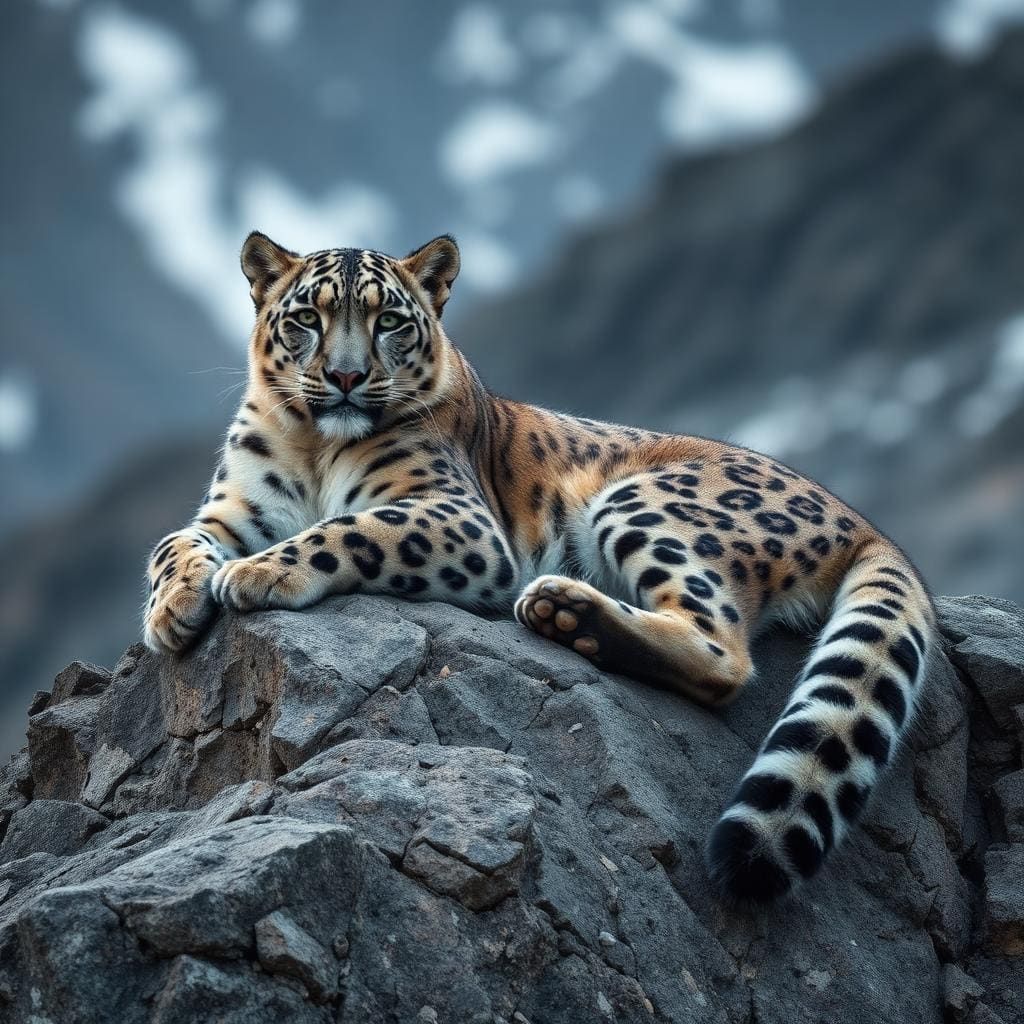
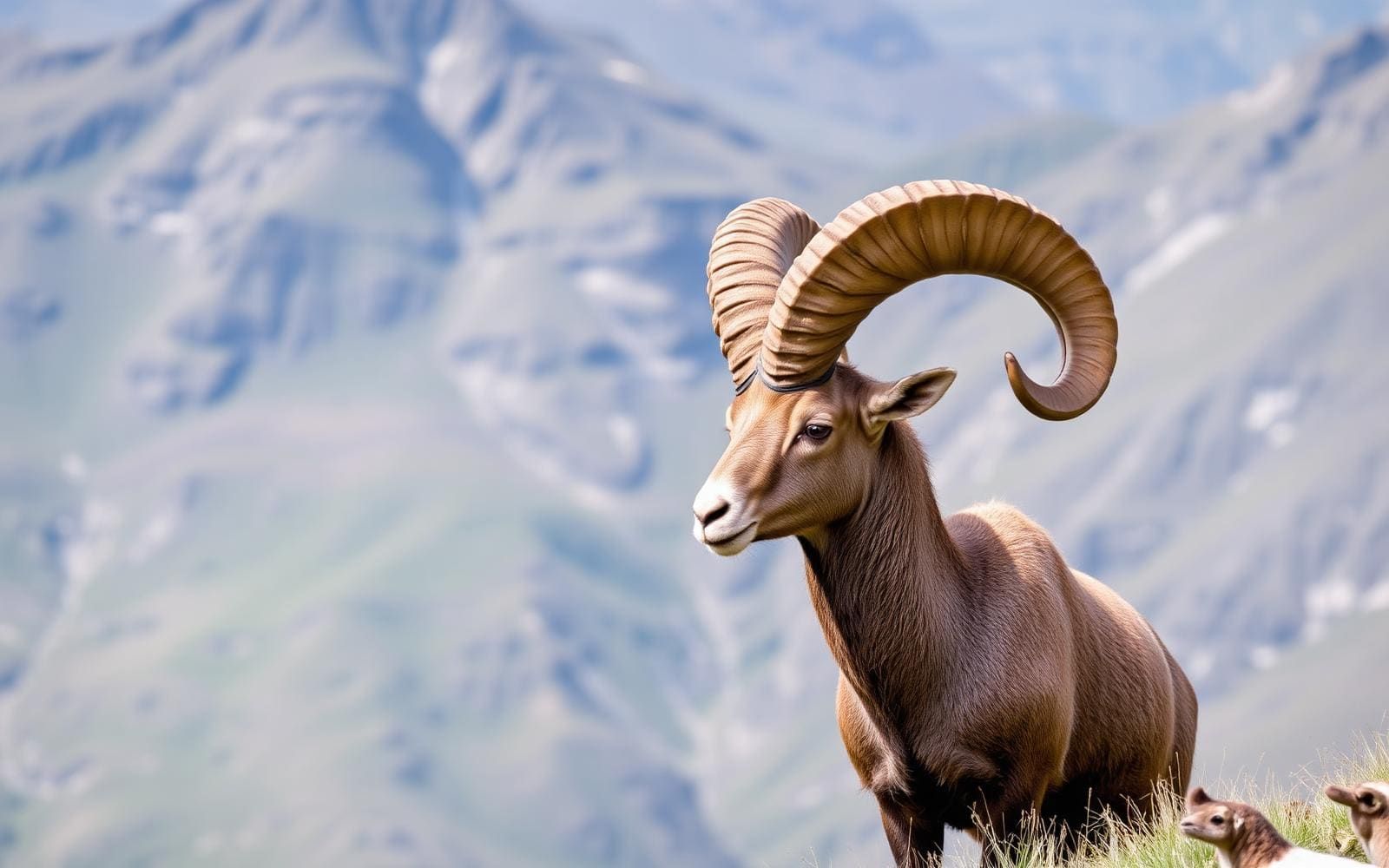
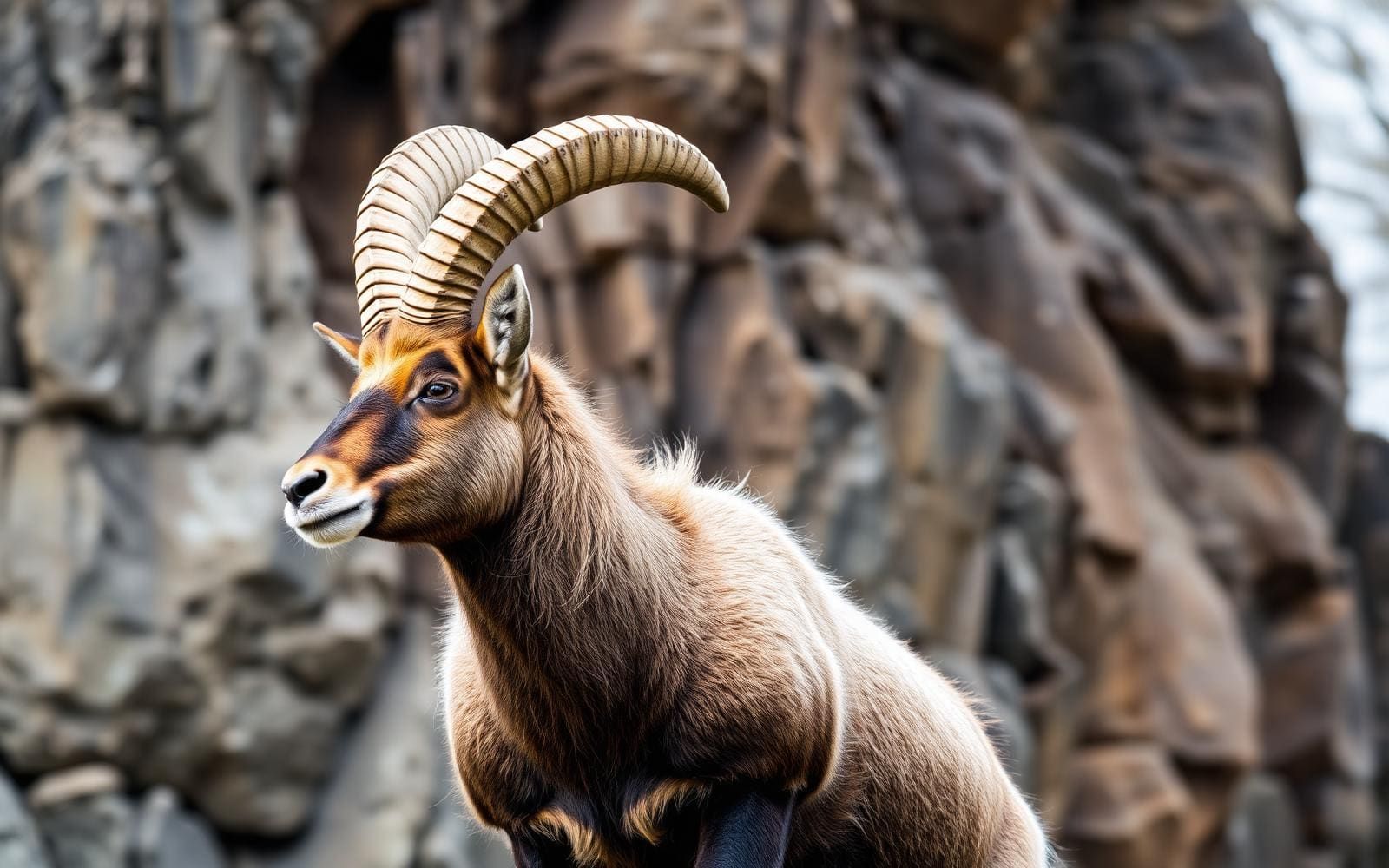
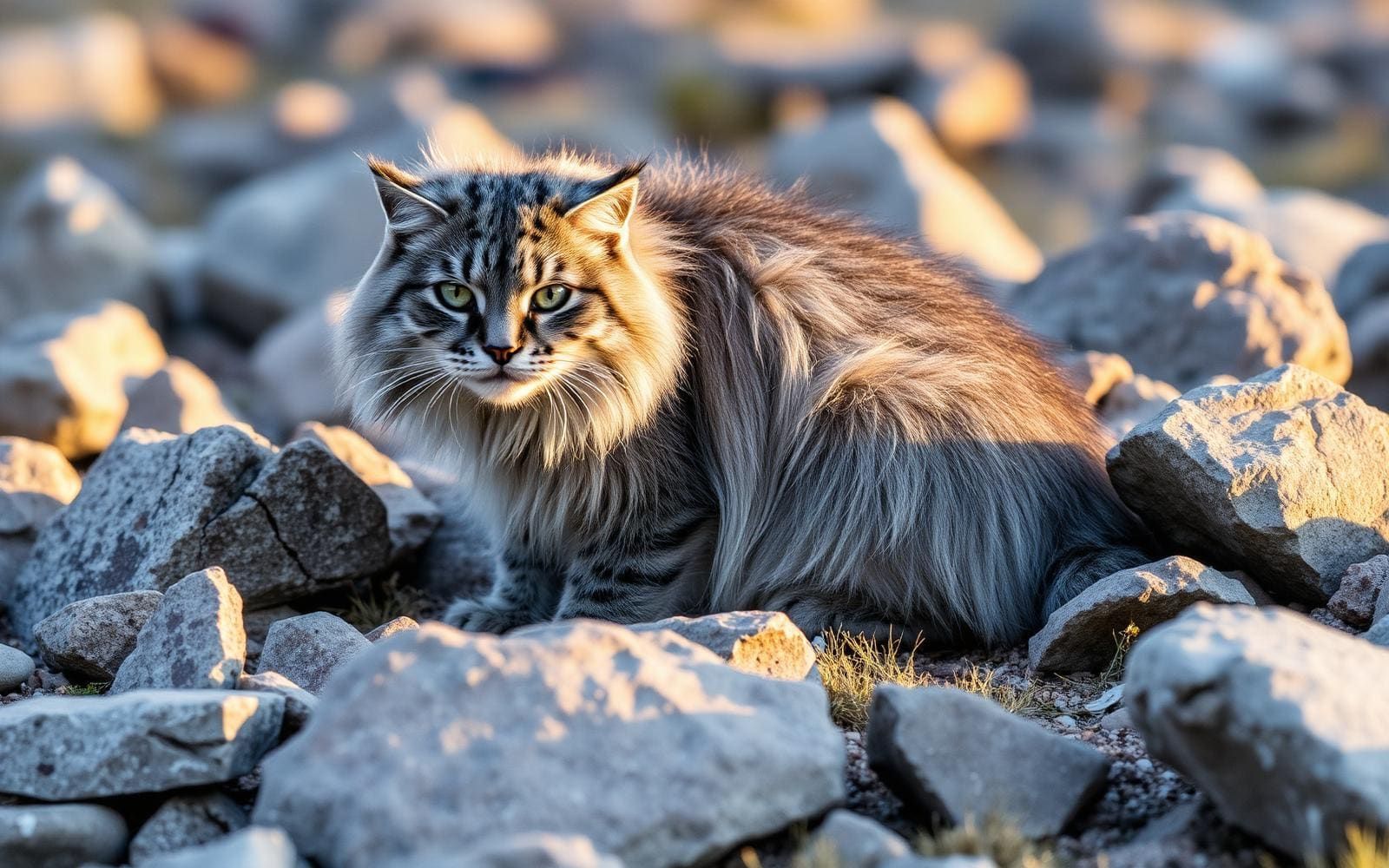
Animals around Mount Kailash Kora
Maps, GPS & compass for this trip
Carry a waterproof paper map and a compass you can steer by, and treat the GPS as the backup — not the other way round. Buying links go to Amazon; Wild10 earns a commission at no cost to you.
Waterproof topo maps
- Waterproof topographic map — Mount Kailash KoraAmazon search for waterproof, tear-resistant topo maps covering this area.
- National Geographic Trails IllustratedThe waterproof Trails Illustrated series — check for a sheet covering this area.
- Waterproof map case & compass lanyardKeep a paper map readable in rain, spray and a swamped boat.
Fishing at Mount Kailash Kora
Planning to fish Mount Kailash Kora, China? Fishing licences, open seasons and catch limits in China are set by the local wildlife authority and change every year — check the official source before you cast a line.
Do I need a fishing licence at Mount Kailash Kora?
- A China fishing licence is normally required for anyone over the local youth age.
- Read the current China fishing regulations for special waters, barbless-hook or catch-and-release rules.
- Clean, drain and dry boats and gear between waters to stop invasive species.
We don't have a verified licensing link on file for China yet — contact the park or land manager listed on this page for current hunting and fishing rules.
Hunting near Mount Kailash Kora
Thinking about hunting Mount Kailash Kora, China? Hunting seasons, tags and draws in China are set by the wildlife authority each year. Confirm the rules for your species and unit before you go.
Is hunting allowed at Mount Kailash Kora?
- Confirm the land around Mount Kailash Kora is open to hunting and which management unit it falls in.
What do I need to hunt in China?
- A China hunting licence — most jurisdictions also require hunter education certification.
- Species tags or draw results for big game such as deer, elk, moose or bear where they occur.
- Knowledge of firearm and bow transport rules, which differ by land type and border crossing.
We don't have a verified licensing link on file for China yet — contact the park or land manager listed on this page for current hunting and fishing rules.
A pilgrimage around a sacred mountain
Mount Kailash stands in Ngari Prefecture in western Tibet, within the Gangdise Shan range of the Transhimalaya. Its summit reaches 6,638 metres, but the kora is a pilgrimage around the mountain, not a summit objective. Kailash is sacred in Bon, Buddhism, Hinduism, and Jainism, and that religious setting should shape how visitors approach the journey. Give pilgrims space and treat religious activity with respect rather than as a spectacle. Nearby Manasarovar and Rakshastal lakes place the mountain within a broader pilgrimage landscape; journeys commonly involve trekking toward Manasarovar as well as circumambulating Kailash. The sources of the Indus, Sutlej, Brahmaputra, and Ghaghara also lie in the surrounding region. Plan around the walking and its cultural purpose, rather than treating Kailash as a climbing destination.
Altitude is the central planning constraint
The base of Mount Kailash is already above 15,000 feet, so this journey involves sustained exposure to very high altitude. Reduced oxygen pressure can cause acute mountain sickness and potentially life-threatening brain or lung swelling. Warning symptoms include severe headache, confusion, nausea, dizziness, shortness of breath, fatigue, and insomnia. Rapid ascent and sleeping at high altitude increase risk, and physical fitness does not provide immunity. Existing cardiovascular or respiratory conditions make a medical consultation especially important before committing to the trip. Allow for acclimatization rather than building a schedule that depends on pushing through symptoms. If severe altitude sickness develops, descend immediately and seek medical care. Carry an adequate supply of routine medications and travel with a licensed group experienced in accompanying visitors to Kailash.
Entry arrangements and practical preparation
Tourist travel to the Tibet Autonomous Region requires a special permit in addition to a Chinese visa. The permit can be obtained through a travel agent in China; confirm entry requirements with the Chinese embassy before booking. China's 240-hour visa-free transit policy does not cover Tibet. Many Kailash travelers enter China via Nepal or India, so check the requirements for every country on the itinerary, including the return journey. Keep passports and permits protected from the elements, with both digital and separate paper copies. Share travel plans and emergency contact arrangements with family or friends. Thousands of visitors are expected during Saga Dawa and the warm season, making careful group selection important. U.S. travelers should also understand that restrictions on official travel can limit in-person consular help in Tibet.
Route options
- Mount Kailash circumambulationVery high-altitude trekking with significant altitude-illness risk.
The kora circles Mount Kailash as a religious pilgrimage. Plan for very high altitude and use an experienced, licensed tour group; this is a journey around the mountain rather than an ascent.
- Lake Manasarovar pilgrimage component
Pilgrimage journeys commonly include trekking toward Lake Manasarovar alongside the circumambulation of Kailash. Discuss this additional component with the operator rather than assuming a particular connecting trail or walking schedule.
Sample itineraries
- Mount Kailash readiness day · 1 day
Use a preparation day to review your planned kora with a licensed tour group experienced at Mount Kailash. Discuss altitude symptoms, descent options, medications, and emergency contacts. This is not a circuit itinerary or a sufficient acclimatization schedule; onward travel should depend on health and professional guidance.
- Lake Manasarovar focus · 1 day
Consider a separate day focused on Lake Manasarovar, near Mount Kailash and part of the region’s pilgrimage tradition. Have your licensed tour group confirm whether an outing fits your access arrangements and acclimatization needs. Do not treat this suggested day as an estimate for reaching the lake or completing the kora.
Seasonal conditions
Spring
Spring; Saga Dawa begins May 17 in 2026
Expect increased pilgrimage activity around Saga Dawa. The mountain’s base is above 15,000 feet, so altitude preparation matters regardless of season. Confirm current weather and travel arrangements with your licensed operator.
Summer
Summer; Saga Dawa continues through June 15 in 2026
Thousands of visitors are expected during the festival and the Trans-Himalaya warm season. Warmer conditions do not remove the risks of hypoxia or altitude illness. Avoid letting a fixed itinerary override symptoms.
Fall
Fall
Confirm current weather and route suitability before committing to travel. Plan clothing for changing mountain conditions, and keep altitude precautions central to the itinerary.
Winter
Winter
Do not assume a warm-season itinerary remains suitable. Ask an experienced licensed operator about current conditions and trip feasibility. Prepare for cold at very high altitude without assuming access or services will be available.
| Season | Window | Conditions |
|---|---|---|
| Spring | Spring; Saga Dawa begins May 17 in 2026 | Expect increased pilgrimage activity around Saga Dawa. The mountain’s base is above 15,000 feet, so altitude preparation matters regardless of season. Confirm current weather and travel arrangements with your licensed operator. |
| Summer | Summer; Saga Dawa continues through June 15 in 2026 | Thousands of visitors are expected during the festival and the Trans-Himalaya warm season. Warmer conditions do not remove the risks of hypoxia or altitude illness. Avoid letting a fixed itinerary override symptoms. |
| Fall | Fall | Confirm current weather and route suitability before committing to travel. Plan clothing for changing mountain conditions, and keep altitude precautions central to the itinerary. |
| Winter | Winter | Do not assume a warm-season itinerary remains suitable. Ask an experienced licensed operator about current conditions and trip feasibility. Prepare for cold at very high altitude without assuming access or services will be available. |
Permits, fees & closures
Tourist travel to the Tibet Autonomous Region requires a special TAR permit in addition to a Chinese visa. Obtain the permit through a travel agent in China and confirm entry requirements with the Chinese embassy. The 240-hour visa-free transit policy does not cover the TAR.
Official source: Kora Pilgrimage to Mount Kailash - Travel - State Department · Verified September 19, 2026
Hazards & regulations
- Very high altitude: Mount Kailash’s base is above 15,000 feet. Reduced oxygen pressure can cause acute mountain sickness, even in physically fit travelers.
- Severe altitude illness can involve brain swelling or fluid in the lungs. Severe headache, confusion, nausea, dizziness, or shortness of breath warrant urgent attention; immediately descend and seek medical care for severe symptoms.
- Rapid ascent and sleeping at high altitude increase risk. Existing cardiovascular or respiratory conditions can make medical complications more likely; consult a healthcare professional before travel.
- Emergency consular assistance may be limited. China restricts U.S. government employees’ travel to the TAR, so U.S. Embassy Beijing may only be able to assist virtually.
- Losing a passport can disrupt onward travel through Nepal or India. Keep original documents secure and protected from the elements, with separate paper and digital copies.
What to pack for Mount Kailash Kora
- Passport, Chinese visa, and TAR travel permit
- Separate paper and digital copies of passport, visa, and permit
- Weather-protective document storage
- Tour operator contacts and an itinerary shared with family or friends
- Adequate supply of routinely prescribed medications
- Personal medical information and healthcare advice for prolonged high-altitude travel
- Written reminder of altitude warning signs and the agreed emergency plan
- Layered clothing suited to changing high-altitude weather
- Insulating layer
- Weather-protective outer layer
- Comfortable trekking footwear
Mount Kailash Kora FAQ
- Where is Mount Kailash?
- Mount Kailash is in Ngari Prefecture in China’s Tibet Autonomous Region, on the western Tibetan Plateau. It belongs to the Gangdise Shan range of the Transhimalaya and lies near lakes Manasarovar and Rakshastal.
- What does the pilgrimage involve?
- The pilgrimage generally includes travel toward Lake Manasarovar and a circumambulation of Mount Kailash. The mountain is sacred in Bon, Buddhism, Hinduism, and Jainism. Treat the journey as a religious landscape as well as a demanding high-altitude trek.
- Does fitness prevent altitude sickness?
- No. Physically fit travelers can still develop altitude illness. Rapid ascent, high sleeping elevations, and unmanaged heart conditions increase risk. Discuss your health with a healthcare professional before committing to prolonged travel at this elevation.
- How should a tour operator be chosen?
- Travel only with a reputable, licensed tour group experienced in accompanying travelers to Mount Kailash. Review travel requirements for China and any transit countries, including Nepal or India, before departure.
- What should happen if severe altitude symptoms develop?
- Immediately descend to a lower altitude and seek medical care. Confusion, severe headaches, and shortness of breath can signal serious illness. Do not continue simply to preserve the itinerary.
- What emergency contact should U.S. travelers carry?
- U.S. Embassy Beijing’s emergency number is +86-10-8531-3300. Assistance in the TAR may be virtual because of travel restrictions on U.S. government employees. Enroll travel plans in STEP, including China and all transit countries, and share emergency contact arrangements with family or friends.