



Cochamó Valley
The 'Yosemite of South America' — big-wall granite domes and old-growth alerce forest.
Where on earth
Satellite imagery flying in from a world view to Cochamó Valley, Worldwide. Use the + / − buttons, or click the map to zoom with your scroll wheel; drag to pan and pinch to zoom on touch.
- Region
- Chile
- Country
- Worldwide
- Biome
- Patagonian granite (100–1,600 m)
- Best season
- November – April
- Difficulty
- moderate
- Backpacking
- Hiking
- Climbing
- Wildlife Viewing
- Canoeing
- Fishing
Key takeaways
- Biome: Patagonian granite (100–1,600 m)
- Best season: November – April
- Difficulty: moderate
- Top activity: backpacking
Topic summary
The 'Yosemite of South America' — big-wall granite domes and old-growth alerce forest.
Key takeaways
- Difficulty: moderate
- Best season: November – April
Intended uses
backpacking
Climate suitability
Patagonian granite (100–1,600 m)
Verification notes
Last verified January 1, 1970.
Plan with verified data
Cochamó Valley trip tools
Popular pursuits at Cochamó Valley
- Backpacking
Multi-day travel with everything on your back — see the packing blocks below.
- Hiking
Day miles on marked trail, with route notes and trail links below.
- Climbing
Rock and alpine lines with approach beta.
- Wildlife Viewing
Best light, best season, and where animals move.
- Canoeing
Paddle routes, portages, and put-ins.
- Fishing
Resident gamefish, seasons, and the water that holds them.
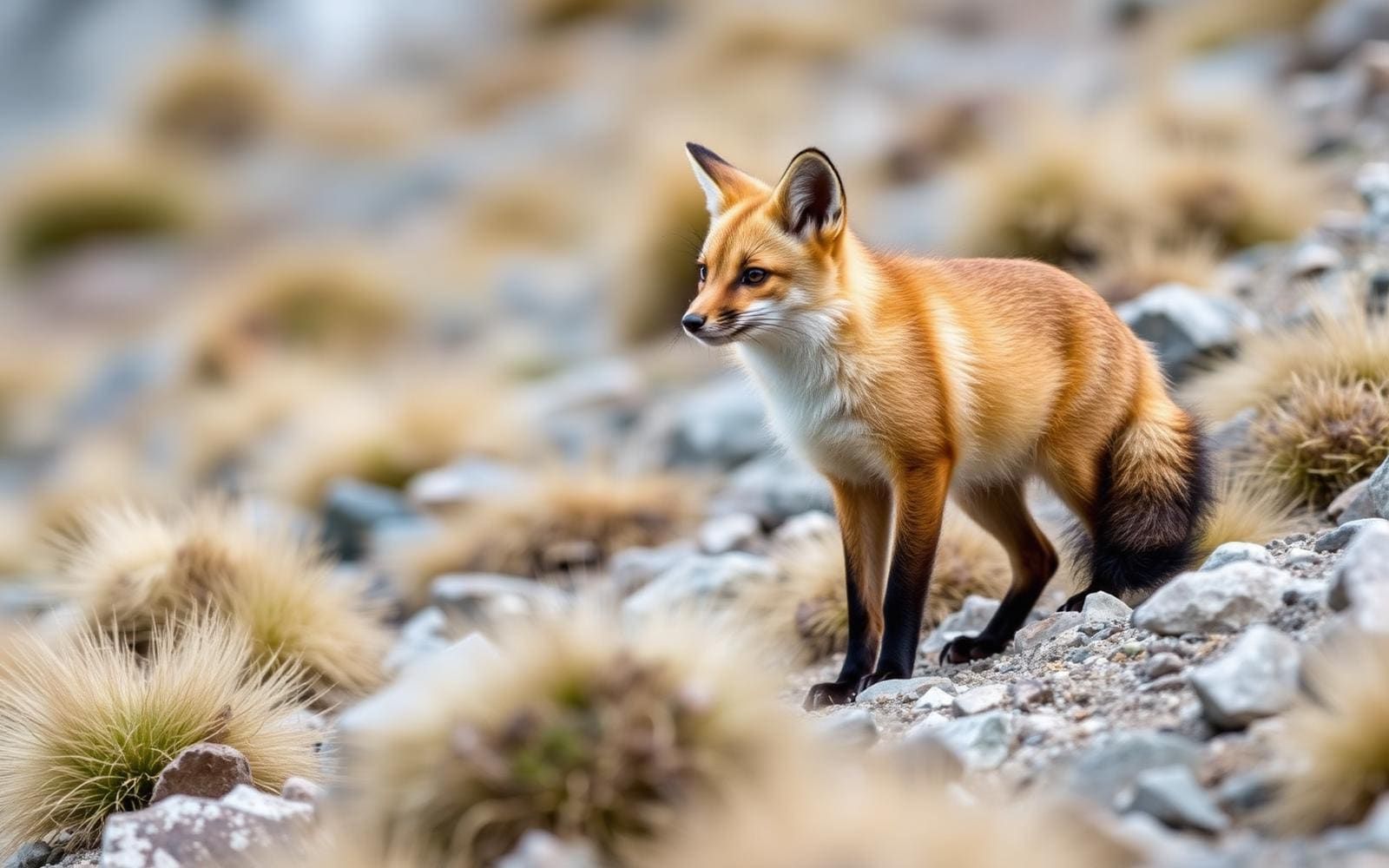
Animals around Cochamó Valley
An Overview of Cochamó Valley
Cochamó Valley is a U-shaped valley situated in the Andes, within Chile's Los Lagos Region. It lies south of Vicente Pérez Rosales National Park and east of the Reloncaví Estuary. Named after the Cochamó River, the valley is recognized for its granite domes and old-growth forests, drawing comparisons to Yosemite Valley. It serves as an emerging eco-tourism destination, attracting serious hikers and rock climbers globally due to its several 1,000-meter granite walls. The valley offers trails ranging from easy to challenging and is home to diverse bird and plant life. The landscape features granite walls, waterfalls, soaring condors, and towering Alerce trees. The deep-blue Vidal Gormaz Lake is known for trout fishing. A historical trail, over 100 years old, was once used for cattle transport between Argentina and Cochamó, and for trading dried and smoked fish into the mountains.
A Landscape of Granite and Old Growth
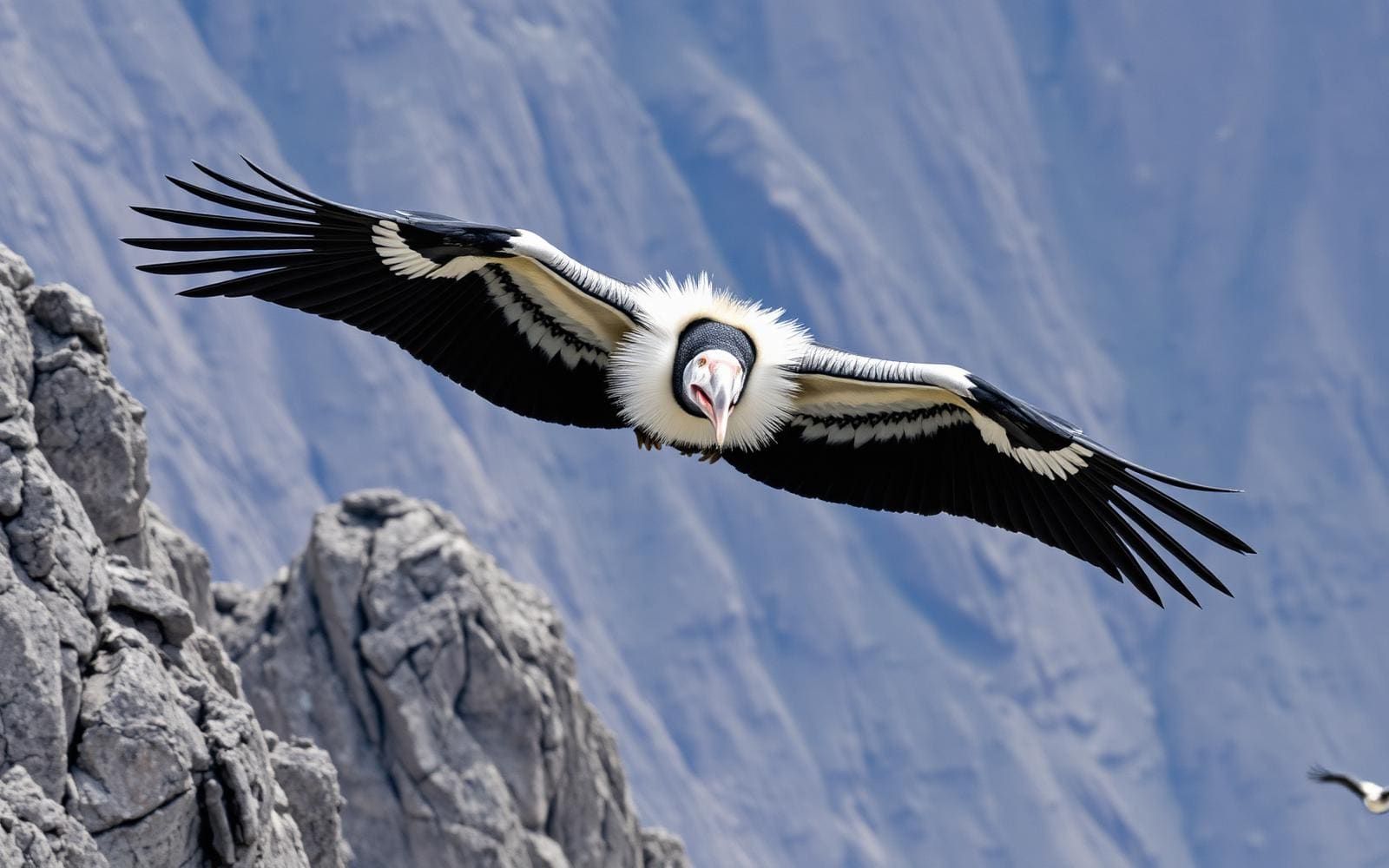
The valley's distinctive geology, characterized by its granite domes, provides a dramatic backdrop for outdoor activities. Old-growth forests blanket the terrain, contributing to the rich biodiversity of the region. The valley's natural features include plunging waterfalls and towering Alerce trees. High above, condors can be seen soaring. The trail extends through unspoiled areas of northern Patagonia, leading to views of the magical, deep-blue Vidal Gormaz Lake. The combination of its geological formations and ancient forests makes Cochamó Valley a notable natural area in the Andes. Its striking similarity to Yosemite Valley underscores its unique geological and ecological characteristics, making it a significant destination for nature enthusiasts.
Historical Significance and Unique Access
The primary trail into Cochamó Valley is more than a century old, originally serving as a vital trade route. It facilitated the transport of Argentine beef cattle across the border for shipment from Cochamó to nitrate miners in northern Chile. In return, dried and smoked fish and shellfish traveled back across Paso El León into Argentina. This historic trail, a key part of the valley's character, was reportedly used by Butch Cassidy and the Sundance Kid to drive their own cattle for sale during their time hiding out at a ranch in Argentina. This adds a layer of historical intrigue to the wilderness experience, linking the rugged landscape to a past of cattle drives and legendary figures.
Getting to Cochamó Valley
Access involves a 6-kilometer gravel road from the village of Cochamó. This road terminates at the trailhead that leads into the valley.
- Cochamó Village Trailhead
The trailhead is located at the end of a 6-kilometer gravel road originating from the village of Cochamó. This is the entry point for the trail leading into the valley.
Route options
- Cochamó Valley Trail
This trail, over 100 years old, leads into the east-west running valley. It carries on through Argentina, traversing unspoiled areas of northern Patagonia. It offers views of granite walls, waterfalls, soaring condors, towering Alerce trees, and Vidal Gormaz Lake. Trails within the valley range from easy to challenging.
Seasonal conditions
| Season | Window | Conditions |
|---|---|---|
| Spring | ||
| Summer | ||
| Fall | ||
| Winter |
Permits, fees & closures
Confirm permit requirements with the managing agency before planning your trip.
Confirm current permits, fees, and closures with the managing agency before you go.
Wildlife you may see
- Condors
- Rare bird life
- Trout