



- Region
- Alaska, USA
- Best season
- Spring, Summer
- Permits
- Denali charges an entrance fee year-round.…
- Managed by
- National Park Service
Plan with verified data
Denali Backcountry trip tools
Tools for a trip here
Picked for how, when and where you're going. Free, no signup.
Photos of Denali Backcountry
How to get there
Denali National Park and Preserve is in interior Alaska, in the Alaska Range. Confirm winter approach directions and available visitor services with the National Park Service before traveling.
- Murie Science and Learning Center
An in-person entrance-pass purchase location accepting credit and debit cards. Confirm winter availability; do not assume it is the starting point for a winter route.
- Walter Harper Talkeetna Ranger Station
An in-person entrance-pass purchase location accepting credit and debit cards. Confirm winter availability and the appropriate access arrangements for the intended outing.
Sources: nps.gov · Wikipedia · Wikivoyage. Confirm road and trailhead conditions with the managing agency before you leave.
Alaska, USA · Season: Best: mid Jun – mid Sep
- Climbing
- Mountaineering
- Winter Camping
- Skiing
- Hiking
- Backpacking
- Wildlife Viewing
- Canoeing
The country
Six million acres, one road, almost no trails. You get a zone permit and route-plan your own line across tundra, moraine, and braided rivers. Denali dominates the horizon on clear days — which are rare.
Why enthusiasts come
It's the most genuine off-trail wilderness experience accessible to the general public in North America. Grizzly density and river crossings keep it serious.
Planner-relevant notes
Bear-resistant containers issued at the Wilderness Access Center are required. Cross braided rivers early morning at wide/shallow reaches, poles unbuckled.
Top experiences
Backpacking Unit 9 (Sanctuary River area) is the mainstream first backcountry trip. The Muldrow Glacier ski/climb approach is a serious alpine trip. Kesugi Ridge (in the adjacent state park) is a 3-day trail with the classic Denali view.
Planning essentials
Off-trail backcountry — units are quota-controlled with a same-day permit at the Backcountry Information Center. Bus system is the only interior access. The 2021 road washout is still a live constraint — check park status.
Field notes
- The park bus system is your trailhead; know pickup schedules cold.
- Grizzlies here are less habituated than in Katmai — noise and space matter.
- First snow can hit passes in early September; carry insulation to freezing.
- Denali is visible ~30% of days from the road; plan a buffer for photos.
- Bear canisters mandatory in every backcountry unit.
Where on earth
Satellite imagery flying in from a world view to Denali Backcountry, Alaska, USA. Use the + / − buttons, or click the map to zoom with your scroll wheel; drag to pan and pinch to zoom on touch.
Coordinates
- Decimal degrees
- 63.0700, -151.0000
- Latitude (DMS)
- 63° 4′ 12.0″ N
- Longitude (DMS)
- 151° 0′ 0.0″ W
Coordinates are an access-point reference for Denali Backcountry, not a route. Carry a paper map and confirm trailhead or put-in access with the managing agency before you go.
Topic summary
Off-trail wilderness beneath the tallest mountain in North America.
Key takeaways
- Region: Alaska, USA
- Best season: Best: mid Jun – mid Sep
- Coordinates: 63.070, -151.000
Climate suitability
Best: mid Jun – mid Sep
Keep planning
Popular pursuits at Denali Backcountry
- Climbing
Rock and alpine lines with approach beta.
- Mountaineering
Glacier and high-route objectives with real consequence.
- Winter Camping
Cold-season travel and camp craft; layering matters more than mileage.
- Skiing
Ski-touring access when the road closes for the season.
- Hiking
Day miles on marked trail, with route notes and trail links below.
- Backpacking
Multi-day travel with everything on your back — see the packing blocks below.
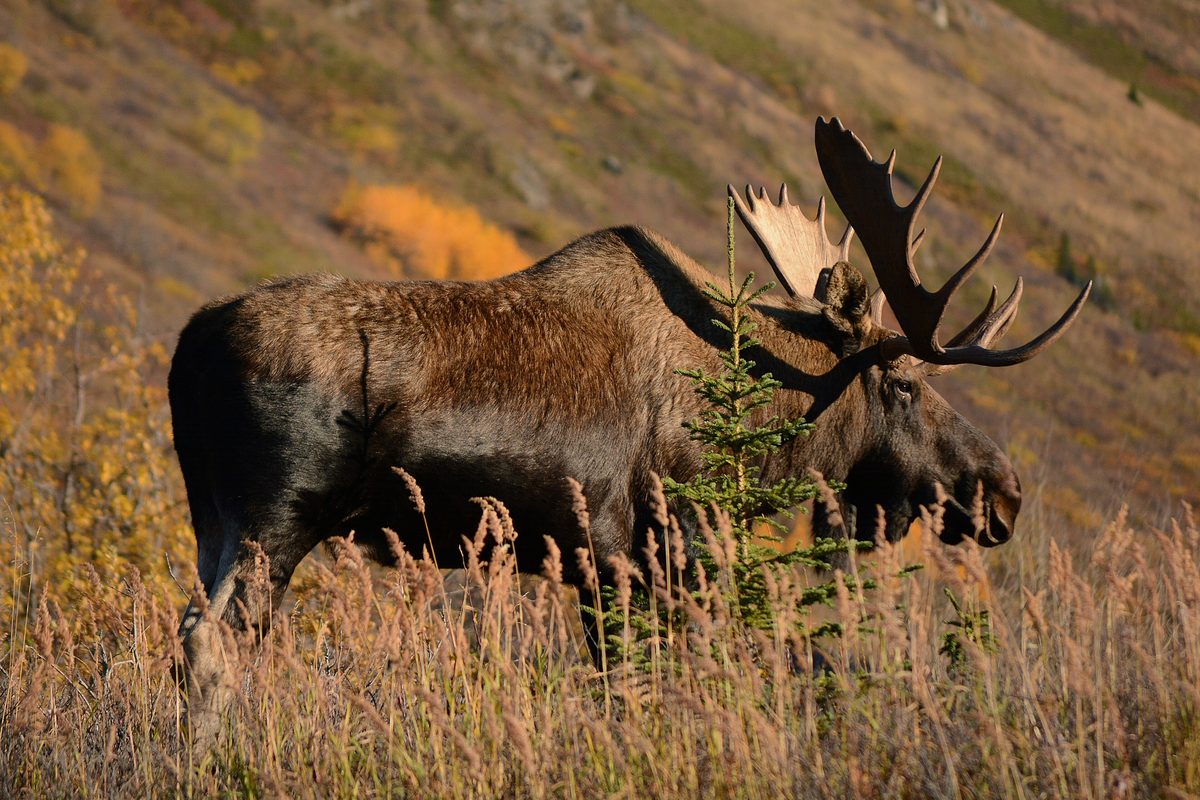
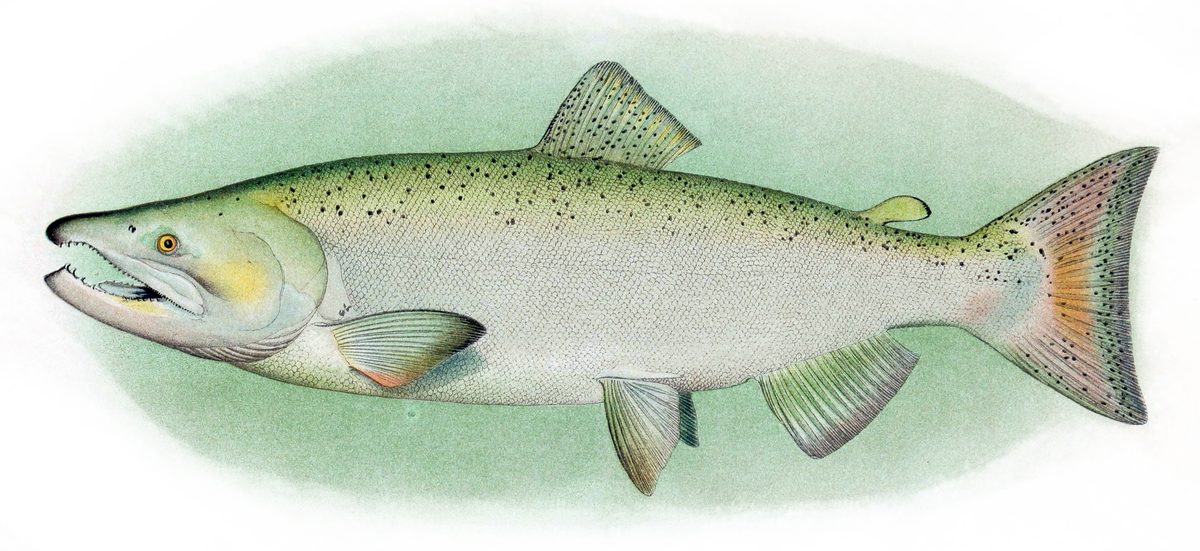
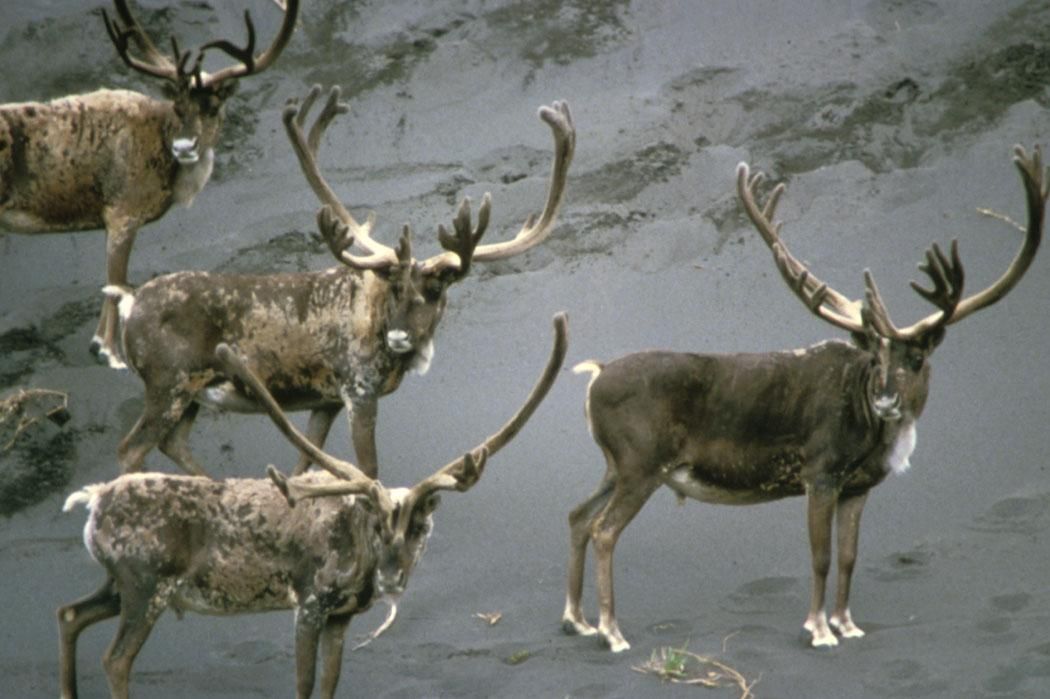
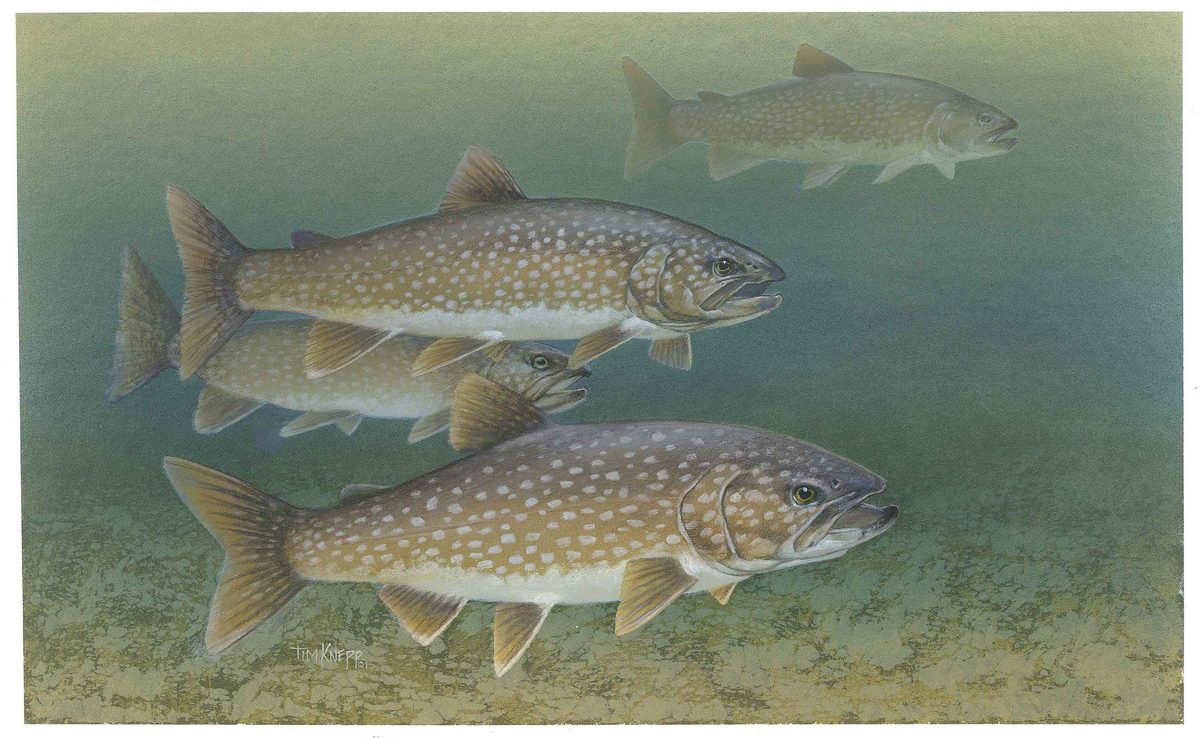
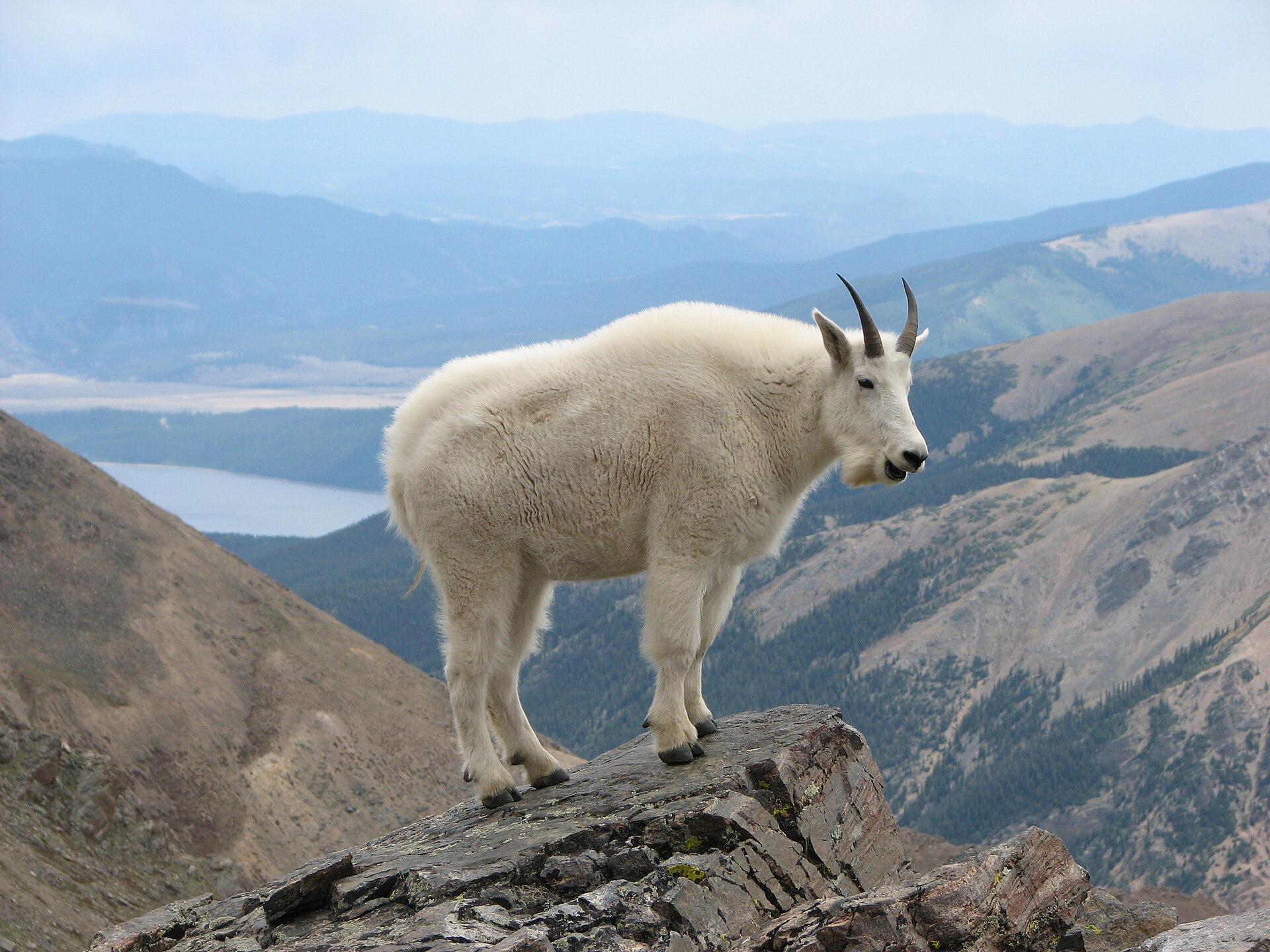
Animals around Denali Backcountry



The mountain and the winter trip
Denali National Park and Preserve surrounds the centerpiece of the Alaska Range in interior Alaska. Denali rises to 20,310 feet, with roughly 18,000 feet of relief above the surrounding plateaus. That scale matters when choosing a winter outing: visiting the park and attempting the mountain are very different undertakings. Alaska's harsh climate calls for conservative planning, suitable cold-weather equipment, and enough flexibility to change plans when conditions do not fit the group. Start by deciding whether the goal is a park visit or a mountaineering expedition, then ask park staff which access points and routes suit that goal. Do not treat a named summit route as an established winter recreation trail. Confirm current winter access before committing to travel or an itinerary.
Keep summit routes separate from park outings
The West Buttress is Denali's most popular climbing route, pioneered by Bradford Washburn in 1951. Its reputation as the mountain's safest and easiest route is comparative: it does not make it an easy winter outing. The South Summit was the destination of the first verified summit ascent in 1913, by Hudson Stuck, Harry Karstens, Walter Harper, and Robert Tatum. That historical ascent is not a ready-made winter itinerary either. For trip planning, keep these mountaineering objectives separate from any lower-elevation park outing under consideration. Ask the National Park Service to identify appropriate winter routes and explain their current access requirements. Choose an objective only after matching the expected conditions, equipment needs, and level of self-sufficiency to the group's actual experience.
Entrance passes and practical checks
Denali charges an entrance fee year-round, so winter visitors should budget for admission rather than assume the season is free. The standard fee is $15 per person age 16 or older and provides seven days of entrance; visitors age 15 or younger are free. The $45 Denali Annual Pass covers up to four adults. America the Beautiful passes are also accepted. Keep a receipt or pass available to show park staff, and plan for cashless payment. The Murie Science and Learning Center and Walter Harper Talkeetna Ranger Station are among the park's listed in-person pass purchase locations. Confirm their winter availability before relying on either for a stop. Separately, ask the National Park Service about permits or other requirements for the specific activity being planned.
Route options
- West Buttress
Denali's most popular mountaineering route, pioneered by Bradford Washburn in 1951. This is a mountain-climbing objective, not a confirmed winter park-trail recommendation. Consult the National Park Service about winter suitability and activity requirements.
- South Summit
The summit objective reached during Denali's first verified ascent in 1913. Included as a historical mountaineering objective, not a defined winter itinerary; obtain route-specific guidance before considering an attempt.
Sample itineraries
- One-day winter orientation · 1 day
Use the day to confirm current winter access and suitable outings with Denali National Park and Preserve staff. Ask whether the Murie Science and Learning Center is accessible and staffed before traveling there. Choose an outdoor route only after confirming conditions, difficulty, and a practical turnaround.
- Two-day flexible winter visit · 2 days
Reserve the first day for checking access, weather, equipment, and route suitability with park staff. Keep the second day conditional on those checks. This is a planning framework, not a verified winter route; do not substitute Denali's West Buttress climbing route for an ordinary park outing.
Seasonal conditions
Spring
Confirm locally before choosing dates
Do not assume a winter itinerary remains suitable in spring. Ask park staff about current access and surface conditions before choosing equipment or a route.
Summer
Confirm locally before choosing dates
Treat summer as a separate trip-planning exercise rather than extending a winter route plan. Denali's Alaska Range setting requires weather and elevation considerations regardless of season.
Fall
Confirm locally before choosing dates
Do not assume winter travel conditions are established. Confirm current conditions and access before committing to winter equipment or an outdoor itinerary.
Winter
Confirm current winter access before departure
Alaska's harsh climate calls for conservative plans, protective clothing, and flexibility. Confirm a specific route with park staff; an entrance pass does not establish that a route is accessible or suitable.
| Season | Window | Conditions |
|---|---|---|
| Spring | Confirm locally before choosing dates | Do not assume a winter itinerary remains suitable in spring. Ask park staff about current access and surface conditions before choosing equipment or a route. |
| Summer | Confirm locally before choosing dates | Treat summer as a separate trip-planning exercise rather than extending a winter route plan. Denali's Alaska Range setting requires weather and elevation considerations regardless of season. |
| Fall | Confirm locally before choosing dates | Do not assume winter travel conditions are established. Confirm current conditions and access before committing to winter equipment or an outdoor itinerary. |
| Winter | Confirm current winter access before departure | Alaska's harsh climate calls for conservative plans, protective clothing, and flexibility. Confirm a specific route with park staff; an entrance pass does not establish that a route is accessible or suitable. |
Permits, fees & closures
Denali charges an entrance fee year-round. Carry your receipt or accepted pass for inspection. Confirm any additional requirements for your intended winter activity with the National Park Service.
Fees: $15 per person age 16 or older covers seven days; ages 15 and younger enter free. The $45 Denali Annual Pass covers up to four adults. America the Beautiful passes are accepted. The park does not accept cash.
Official source: Fees & Passes - Denali National Park & Preserve (U.S. National Park ... · Verified September 18, 2026
Hazards & regulations
- Alaska's harsh climate warrants protective layers and a conservative turnaround plan.
- Alaska is sparsely populated and travel can be challenging; do not assume nearby services or immediate assistance.
- Denali rises to 20,310 feet. High-elevation mountaineering is a different undertaking from a winter park outing and requires specialized preparation.
- Wildlife activity can affect camping. Check current park alerts before making an overnight plan.
What to pack for Denali Backcountry
- Insulating layers
- Weather-resistant outerwear
- Warm hat and gloves
- Footwear matched to confirmed conditions
- Food and drinking water
- Emergency insulation
- First-aid supplies
- Navigation and communication equipment appropriate to the confirmed route
- Entrance receipt or accepted pass
- Photo identification when required for your pass
- Credit or debit card
- Current access and route information from park staff
Denali Backcountry FAQ
- Which winter route should be chosen?
- Confirm a specific winter route with Denali National Park and Preserve staff. Establish its access point, current conditions, difficulty, and turnaround options before departure. No particular ski, snowshoe, or walking route is verified here.
- Is the West Buttress a casual winter route?
- No. The West Buttress is a climbing route on Denali, North America's highest peak. Its popularity among climbers does not make it an ordinary winter park outing.
- Is park entrance free in winter?
- No. The entrance fee applies year-round. Visitors age 16 or older pay $15 for seven days unless covered by an accepted pass; visitors age 15 or younger enter free.
- Where can an entrance pass be purchased?
- Listed purchase locations include the Denali Visitor Center, Murie Science and Learning Center, Denali Bus Depot, and Walter Harper Talkeetna Ranger Station. Confirm winter opening and access before relying on an in-person purchase. Payments are cashless.
- Does an entrance pass cover every winter activity requirement?
- Do not assume so. Confirm activity-specific requirements with the National Park Service, particularly before planning camping or mountaineering.
- What should be checked before an overnight trip?
- Check current park alerts, camping requirements, access, and weather with park staff. Wildlife activity can affect camping, so avoid treating an earlier plan as confirmation that a location remains suitable.